
How Much Does Garden Clearance Cost in London?
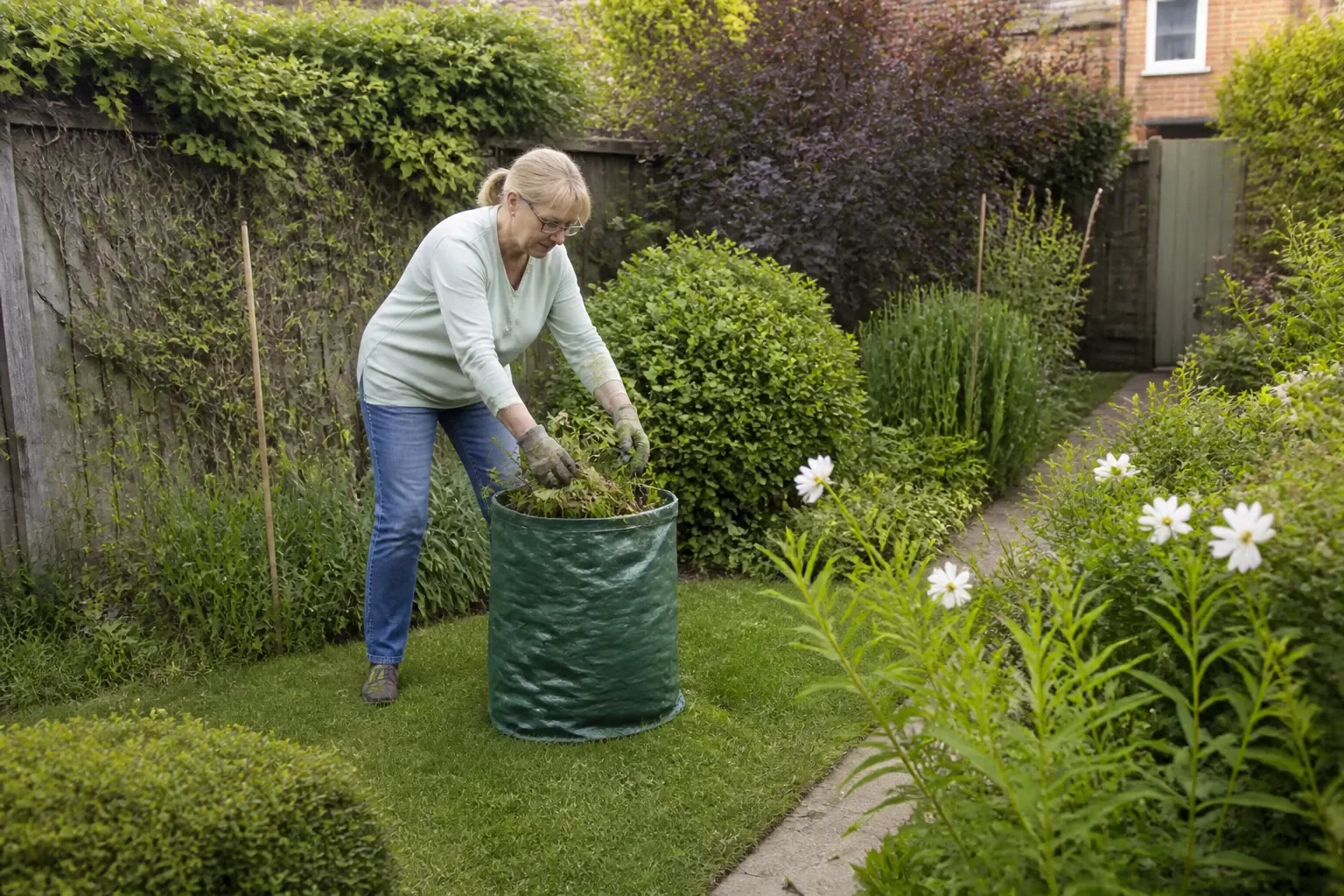
Garden clearance in London is priced mainly from labour, waste volume and weight, access, parking and disposal—not simply the garden’s square metres. A small pile of branches beside a driveway can cost less than the same volume carried through a basement flat. For a useful quote, send wide photographs, separate soil and rubble from green waste, describe the route to the vehicle and ask whether labour, loading, disposal and VAT are included.
Measure the job in piles, not adjectives
“Overgrown” and “small garden” tell a contractor very little. Photograph each waste pile with a familiar object for scale, then take one image showing the whole site and exit route. State approximate length, width and height. List loose branches, bagged leaves, turf, soil, broken pots, timber, furniture and rubble separately.
Do not compress unknown mixed waste into black bags before quoting. It hides weight and prohibited material. If bags are already filled, say how many, their approximate size and whether one person can lift them safely.
Green waste, heavy waste and mixed rubbish
Leaves, hedge cuttings and branches are usually lighter per volume than wet soil, turf, stones and concrete. Dense material consumes vehicle payload before it fills the body. Treated timber, fencing, plant pots, plastics and garden furniture create a mixed load with a different disposal route.
Tell the provider about paint, chemicals, gas cylinders, batteries, asbestos-suspect sheets, electrical items or sharp objects. Do not conceal them beneath greenery. Some require specialist collection and cannot lawfully travel in an ordinary clearance load.

Access can cost more than cutting
A terraced property with no side gate may require every bag to pass through the home. Basement steps, narrow hallways, lift restrictions and long carries slow loading and require protection. Measure the narrowest gate and mention locked communal doors. If waste must cross a furnished room, ask who supplies floor and corner protection.
Do not promise parking that is not available. Check controlled hours, permits, loading restrictions and distance from entrance. A crew walking fifty metres to a van spends less time clearing the garden and may need a different vehicle plan.
What labour is actually included?
Some quotes cover collection of a prepared pile. Others include cutting shrubs, dismantling a shed, lifting turf or digging roots. Write the desired end state: “remove the bagged branches” is different from “cut back the entire boundary and take everything away”.
Stump grinding, tree surgery, invasive plants, fence removal and excavation are specialist or additional tasks. A London garden clearance service should confirm the boundary before arrival, including whether sweeping and final bag collection are part of the price.
Four common charging structures
| Quote basis | Useful when | Main risk |
|---|---|---|
| Fixed job | Photos and scope are complete | Unlisted waste changes the price |
| Labour plus disposal | Cutting time is uncertain | Both rates need clear units |
| Vehicle fraction/load | Waste is prepared and volume visible | Weight limits still apply |
| Day or half-day team | Several garden tasks are combined | Disposal may be separate |
Ask whether “one load” means volume, legal payload or one vehicle trip. Soil can reach the weight limit with plenty of empty-looking space.
Licensed disposal protects the householder too
Check that anyone carrying waste as a business is appropriately registered and ask where the load will go. Keep an invoice describing the collection. Householders retain a duty of care and can face consequences if their waste is fly-tipped by an untraceable collector.
A very low cash quote with no company details, paperwork or disposal explanation is not a saving. For mixed indoor and outdoor material, licensed waste removal may be more appropriate than presenting everything as garden waste.
Ways to reduce cost without shifting the risk
Separate clean green material from rubble and general rubbish. Use council garden-waste or recycling services for accepted materials if timing suits. Offer reusable pots, furniture or sound timber through legitimate reuse channels before the booking. Clear the access route yourself if it can be done safely.
Do not overfill bags, burn waste, dump soil in household bins or leave branches on the pavement. DIY should reduce handling, not create lifting injuries or illegal disposal.
A worked comparison without invented prices
Imagine two identical piles of hedge cuttings. At property A, the pile is beside off-street parking and already cut into manageable lengths. At property B, branches are loose at the end of a basement garden, must pass through a carpeted flat, and parking is across a controlled road. Volume is equal; labour, protection and vehicle time are not.
Now replace half the branches with wet soil. The visible pile may shrink while disposal and payload difficulty rise. This is why a photograph plus material list beats a price per “average garden”.
Before-and-after scope prevents disputes
Walk the site with the team or supply marked photographs. Identify plants that stay, boundaries that must not be cut, ornaments to protect and areas excluded. Photograph the condition of paths and rooms used for access. At completion, check agreed waste is gone and drains or communal routes are clear.
If the goal after clearance is pruning, mowing or planting, discuss gardening services after clearance as a separate phase. Removal alone does not restore compacted soil or design a planting plan.
The quotation checklist
- Exact waste categories and estimated amount.
- Cutting, dismantling and digging included or excluded.
- Team size and expected duration.
- Access protection and parking assumptions.
- Loading, disposal and VAT.
- Registration and disposal paperwork.
- Items that trigger a revised price.
The best quote is not the shortest. It is the one that still makes sense when the crew sees the same garden described in your photographs. Clear material, access and end-state information gives both sides that chance.
Branches need dimensions, not just volume
Long springy branches can occupy a vehicle inefficiently and catch on hallways. State their approximate maximum length and whether thorny plants are involved. Cutting them shorter may reduce handling, but use appropriate tools and protection; do not attempt chainsaw work or unstable ladder cutting merely to lower a collection quote.
Japanese knotweed and other controlled plant material require particular handling. Identify suspect invasive plants before disturbing or transporting them and obtain specialist advice. An ordinary green-waste assumption is not adequate.
Sheds, greenhouses and fixed structures
Dismantling a shed is not the same as collecting loose timber. Glass, roofing felt, electrical supplies, concrete bases and asbestos-suspect panels change risk and disposal. Provide photographs of roof and interior, state dimensions and confirm whether the structure is empty. Electricity must be safely disconnected by the right trade.
Greenhouses require controlled glass removal and suitable packaging. Do not smash panels into a mixed pile. Ask whether foundations stay, whether fixings are removed flush, and how the exposed area will be left.
Weather can change the load
Rain makes soil, turf and bagged leaves substantially heavier and can turn access routes slippery. Cover prepared dry waste where lawful and secure, and tell the contractor if bags have filled with water. A team may postpone unsafe work during high wind, ice or lightning; agree how rescheduling affects the quote.
Protect lawns and paving from vehicle or barrow damage where the ground is saturated. The fastest route is not good value if it leaves ruts that require separate restoration.
