Evidence-led inspection
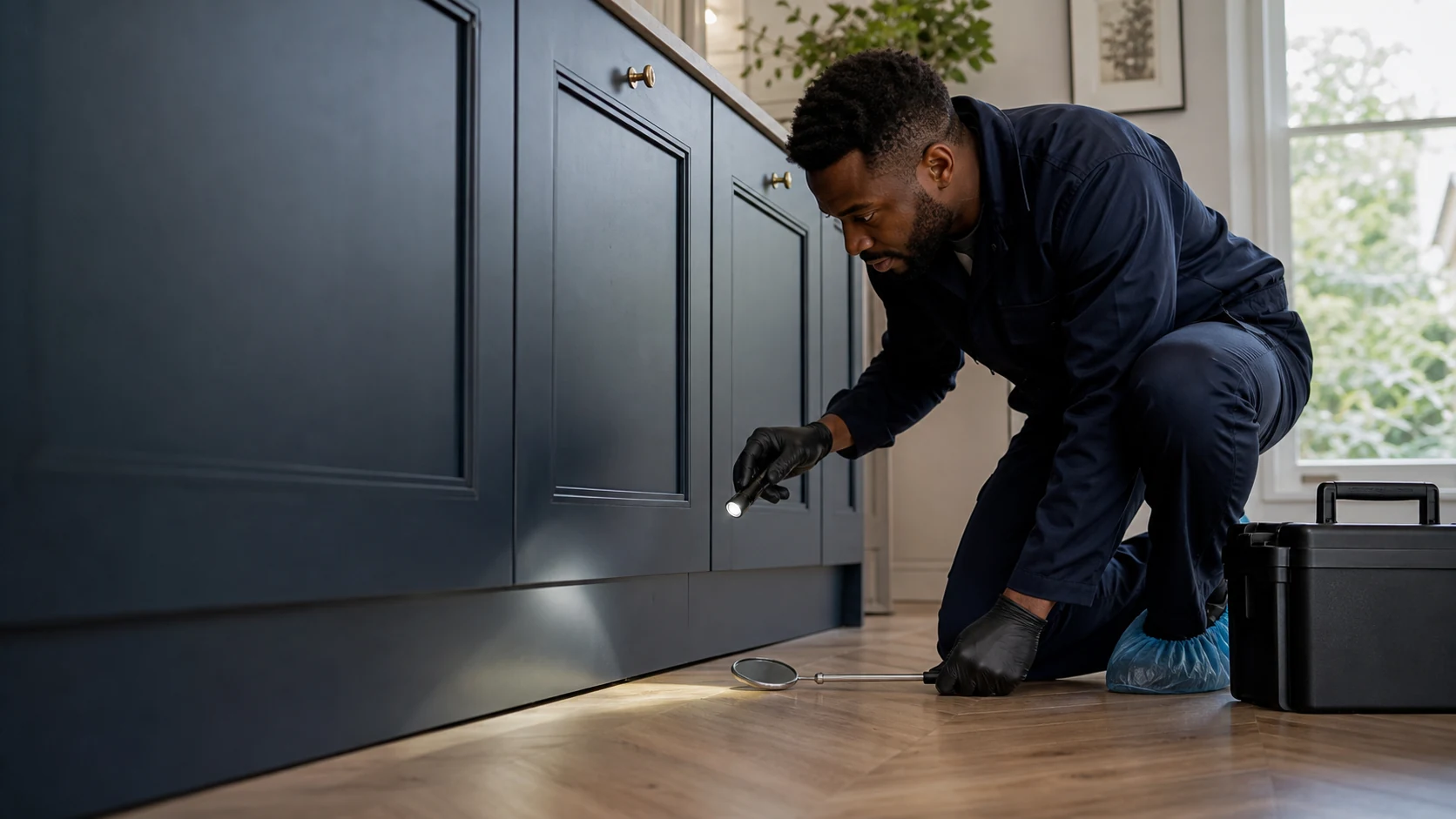
Sightings, droppings, harbourage, damage and likely entry routes assessed systematically.
Alesta · Pest control in London
Residential pest control organised around the likely species, activity, property layout and contributing conditions—not a generic treatment applied before the problem is understood.
☎ Call 020 3608 3976Identification before intervention
Droppings, bites, noises or damaged food can point in several directions. Effective control depends on identifying the likely pest, where activity occurs, how it enters and whether food, moisture, clutter or adjoining property supports it.
We gather photographs and timing first, then define inspection, treatment, monitoring and proofing separately. Wildlife, protected species, major building repair and hazardous contamination may need another qualified route.
Sightings, droppings, harbourage, damage and likely entry routes assessed systematically.
Methods selected for the identified pest, property and occupant conditions.
Activity is reviewed over an appropriate interval rather than judged from one quiet day.
Practical sanitation, storage and proofing priorities explained without promising impossible exclusion.
Common reasons customers call
Location, size and pattern can guide inspection but should not be diagnosed from one sign alone.
Harbourage, eggs, food sources or adjacent areas may sustain activity after surface cleaning.
Lofts, voids and service routes need safe access and species-specific evidence.
Tenants, communal areas and neighbouring units can affect access and the control plan.
A clearer starting point
Explore a treatment price guide based on the pest, your property and the signs you have noticed.
Loading your price guide…
Why Alesta for pest control
Treatment waits for reasonable identification instead of relying on a generic symptom.
Children, pets, allergies and vulnerable residents shape preparation and method.
Control, proofing, cleaning and building repair are separated in the written scope.
Follow-up, access limits and factors outside one property are explained honestly.
A targeted control process
The first stage is evidence collection. We ask what was seen, where and when, how often, and whether photographs, droppings, cast skins, damage or sounds are available. The property type, affected rooms, pets, children, recent travel, deliveries, waste storage and activity in neighbouring areas are relevant. Customers should not scatter unlabelled pesticides or move evidence before advice, because this can increase exposure and make identification harder.
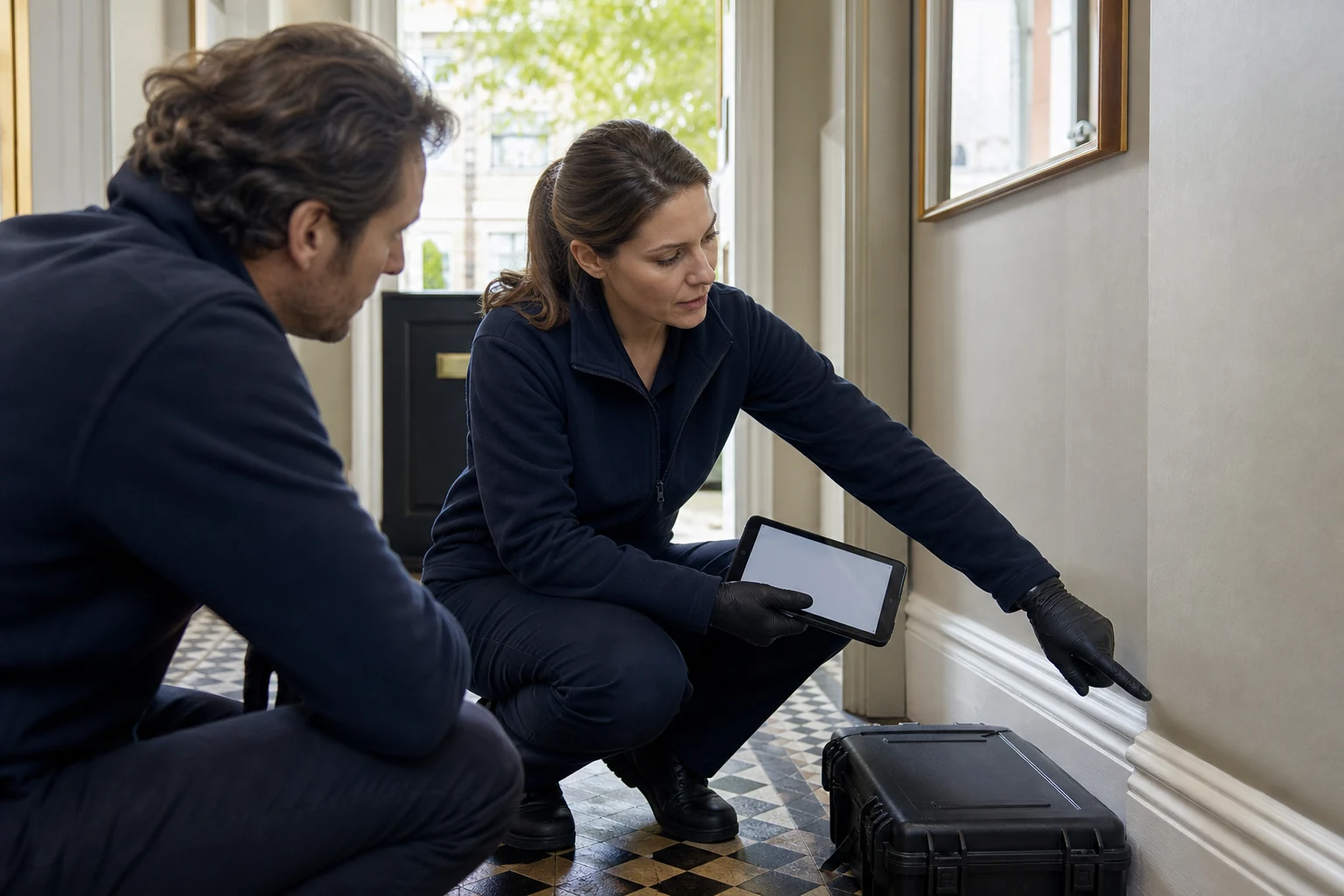
At the property, the technician inspects accessible activity zones, harbourage, food and water sources, service penetrations and likely routes. The inspection is proportionate to the reported pest and agreed areas; sealed voids, unsafe lofts and neighbouring premises cannot be assumed clear. Evidence is used to establish a working identification and level of activity. If signs indicate protected wildlife, structural hazards or a species outside the booked competence, work pauses for the correct route.
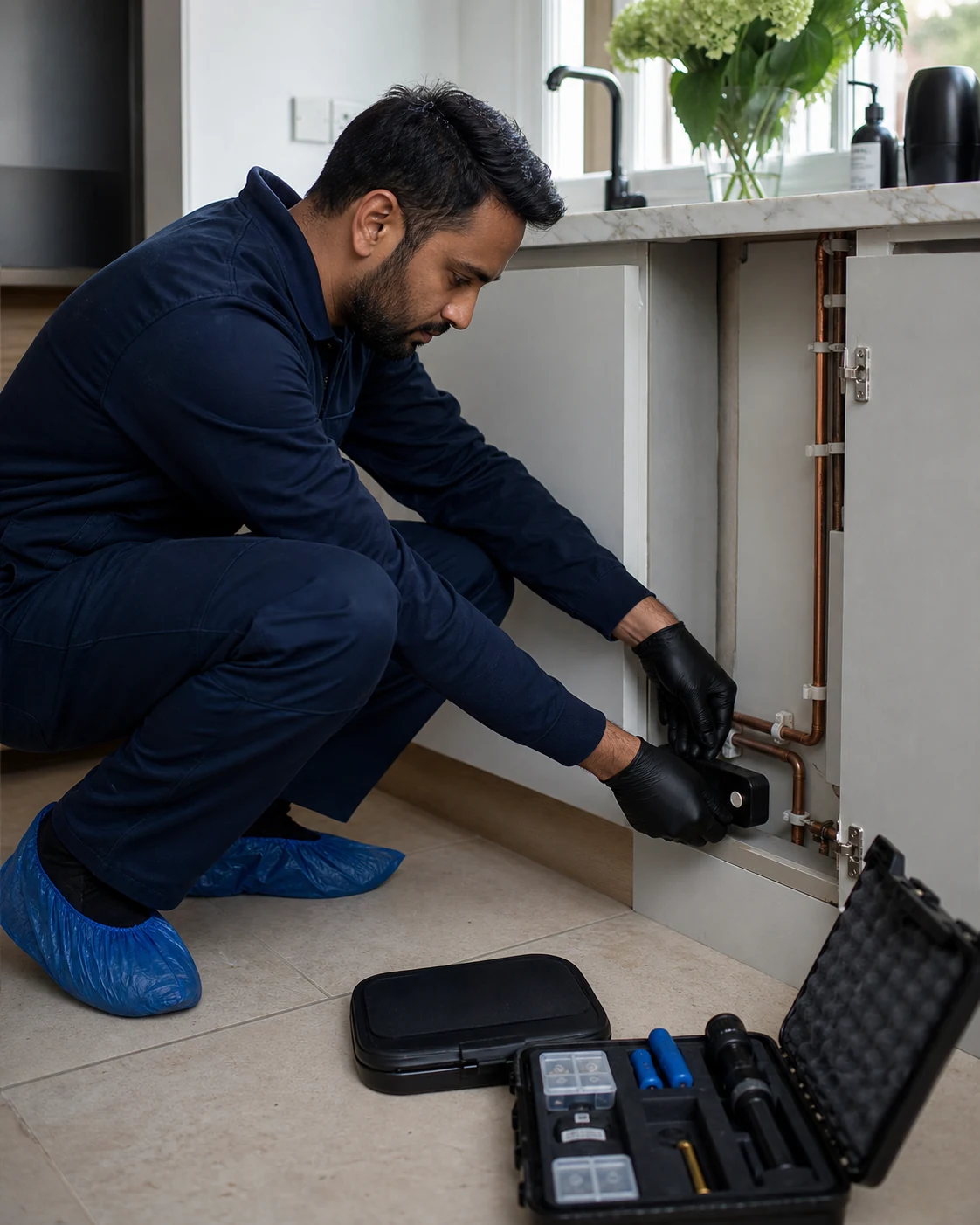
The control plan combines suitable measures rather than relying automatically on one product. Depending on the pest, this can include monitoring, traps, targeted professional-use treatments and practical sanitation or storage changes. All applications follow the product label and risk controls. Occupants receive preparation, re-entry and pet instructions relevant to the method. Proofing is completed only where materials and access are included and where it will not trap animals within the structure.
Follow-up considers fresh evidence, consumption, captures, monitoring results and changes in conditions. A reduction is not declared permanent without considering the pest lifecycle and possible external pressure. The technician records limitations and recommends cleaning, repairs or wider building action separately. The aim is controlled activity and lower recurrence risk, not an unsupported guarantee that a living environment can remain pest-free regardless of access, neighbours and sanitation.
Clear pricing
Cost depends on species, evidence, property size, affected areas, visit count, treatment method, access and proofing requirements.
| Service scope | Price | What affects the final price |
|---|---|---|
| Initial pest inspection | Quoted after assessment | Evidence, property layout, access, likely species and inspection time |
| Targeted treatment programme | Quoted after assessment | Species, activity, products, visits, monitoring and occupant conditions |
| Proofing or specialist follow-on | Quoted separately | Openings, materials, access, building condition and labour |
Pricing context: Photographs and a clear activity history are required. A reliable treatment quote follows likely species identification; building repairs and specialist decontamination are separate.
How the service works
Send safe photographs, sighting times, affected rooms and occupant considerations.
The technician checks evidence, harbourage, food sources and access routes.
Agreed controls are applied and practical prevention priorities are explained.
Local guides
Choose a region to find your local guide. Please confirm your address and the work required when enquiring.
Pest control FAQ
Useful answers about evidence, preparation, safety, treatment, proofing, follow-up and pricing.
☎ Call 020 3608 3976Send clear photographs of the pest or signs, their location and scale, plus dates, times and affected rooms. Do not touch droppings or unknown insects with bare hands.
Sometimes, but not always. Size references, several images and an onsite inspection may be needed before a defensible treatment plan is selected.
Follow the service-specific instructions, secure food, provide access, disclose pets and vulnerable occupants, and avoid applying unapproved products before attendance.
Methods are risk-assessed and label instructions must be followed. Tell us about every child, pet, allergy and health consideration so restrictions can be explained.
Only when surveyed and listed. Some openings require a builder, roofer or drainage specialist, and proofing should not be used blindly before activity is controlled.
Not necessarily. Pest lifecycle, activity level, access, neighbouring pressure and treatment method determine whether monitoring or repeat visits are required.
Species, property size, affected areas, infestation level, visit count, products, access, monitoring and proofing all influence the quote.