Cold, slow or uneven temperature
 020 3608 3976
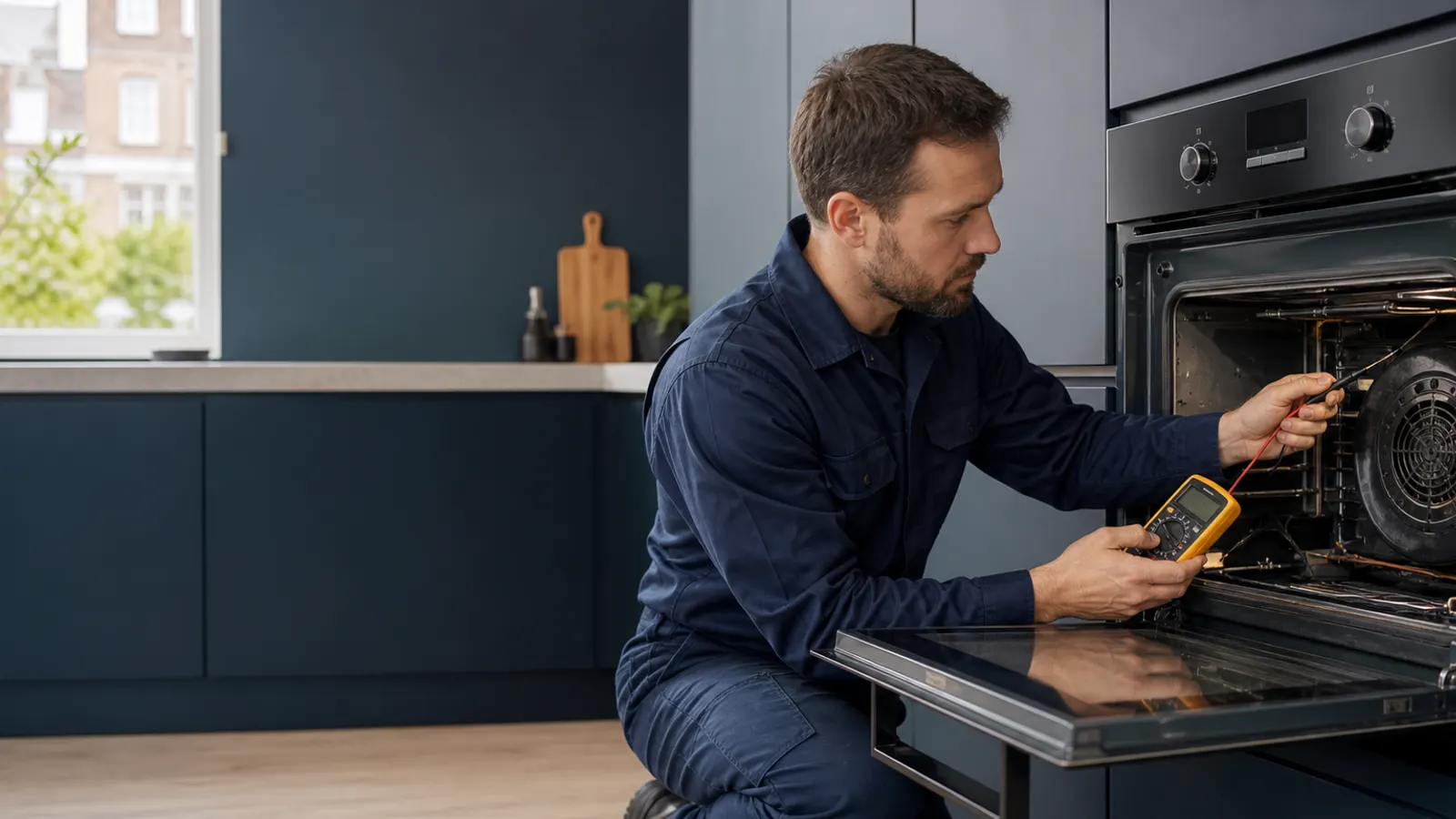
Match approved parts to the exact appliance rather than appearance alone.
The model and rating-plate details are requested first. The condition of connected assemblies is assessed before one part is approved. The handover lists the work completed and any excluded issue. The engineer reproduces the symptom only when safe.
The engineer reproduces the symptom only when safe. Selected measurements may include supply continuity resistance insulation or sensor response. An uneconomic repair is explained rather than improvised. A visually similar component is not assumed compatible.
For the oven with a noisy or stationary fan in South Kensington, parts availability can determine whether return attendance is needed. Controls are operated through their normal sequence. Access and removal requirements remain part of the agreed scope. The time and cooking mode of failure help narrow testing.
Gas-side work requires appropriately qualified attendance. Access limitations are explained before the repair route is agreed. Testing ends if continued operation would be unsafe. The failed function is separated from functions that still operate.
Tripping is treated as a safety symptom. Previous repair marks are documented where they affect safe work. Oven cleaning is suggested only when residue rather than a fault causes smoke. Residue smoke is separated from an electrical fault.
Recent smells smoke or heat damage change the immediate advice. The rating plate is used to reduce parts-ordering error. A supply fault may need electrical work outside appliance repair. Error codes are recorded exactly rather than interpreted from memory.
Door and hinge condition can influence temperature performance. Unsafe damage can make continued operation inappropriate. A failed assembly may require a detailed quotation. Repair value is judged from diagnosis condition and component route.
Repair value is judged from diagnosis condition and component route. Door alignment hinges seals and controls are checked where relevant. The customer receives sensible use guidance after repair. Customer photographs help identify the model without dismantling.
| Service scope | Price | What affects the final price |
|---|---|---|
| Diagnostic visit | Quoted after assessment | Model, fuel, symptoms, access, test time and location |
| Repair with standard component | Quoted after diagnosis | Part cost, labour, compatibility and appliance condition |
| Complex or multi-part repair | Detailed quotation | Assemblies, availability, access, further testing and return visit |
The model number and fault description are needed before attendance. No fixed repair total is promised until testing identifies the cause and the correct part route.
Parts, labour and compatibility are explained before approved work, followed by a controlled check of the relevant function.
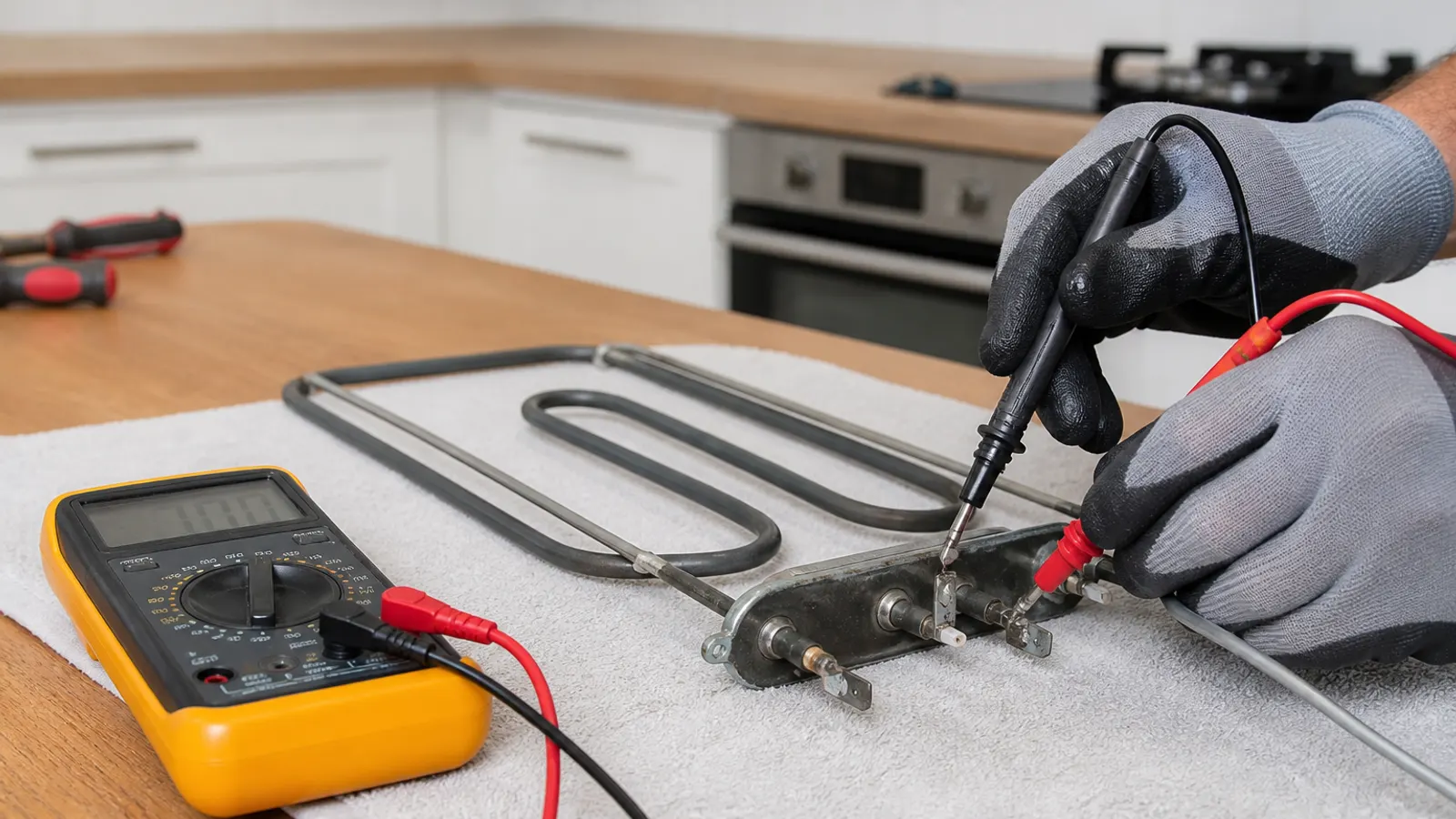
Choose the page for the appliance address or review the main repair scope before booking.
Cold, slow or uneven temperature
Display, supply or tripping behaviour
Fan, controls, door and hinges
| Area | South Kensington |
|---|---|
| Fault focus | Heating |
| Booking information | Model, fuel, failed functions, error code, tripping and recent behaviour |
| Typical process | Identity, isolation, inspection, selected tests, diagnosis, approval, repair and function check |
| Possible components | Elements, thermostats, sensors, switches, seals, hinges and connected assemblies |
| Safety | Stop use after sparking, burning smell, overheating or repeated tripping |
| Parts basis | Exact model compatibility or an approved alternative |
| Pricing basis | Diagnosis, part, labour, access, condition and return attendance |
Fan blades, motors, controls and related wiring can be assessed according to the model and symptom.
Stop use if there is tripping, sparking, burning smell or unsafe heat; otherwise describe the pattern clearly at booking.
Remove loose trays and personal items, provide safe access and do not dismantle or pull out a fitted appliance.
Not always. Codes guide diagnosis but must be compared with the appliance condition and test results.
It may be needed when diagnosis identifies a component that must be ordered.
Model details and symptoms improve preparation, but diagnosis may still be needed before the correct compatible part is known.
A damaged seal or door alignment can affect heat retention, but temperature and heating performance should also be checked.
Share the South Kensington postcode, rating plate, fuel type, failed functions, error codes and recent behaviour. Call 020 3608 3976 · Request a quote

Enter your postcode to see estimated arrival time for your area.
Estimated arrival times are approximate and may vary depending on traffic and technician availability.