Minimum visit conditions apply
 020 3608 3976
TAPE RESIDUE AND STICKY OUTLINES
A sticky outline needs a history before another removal attempt.
If tape has left a tacky strip, explain what it held, how long it remained and whether anyone has pulled, heated or treated it. Residue and fibres torn during removal are different concerns.
Tape described ·Solvents disclosed ·Fibre damage distinguished
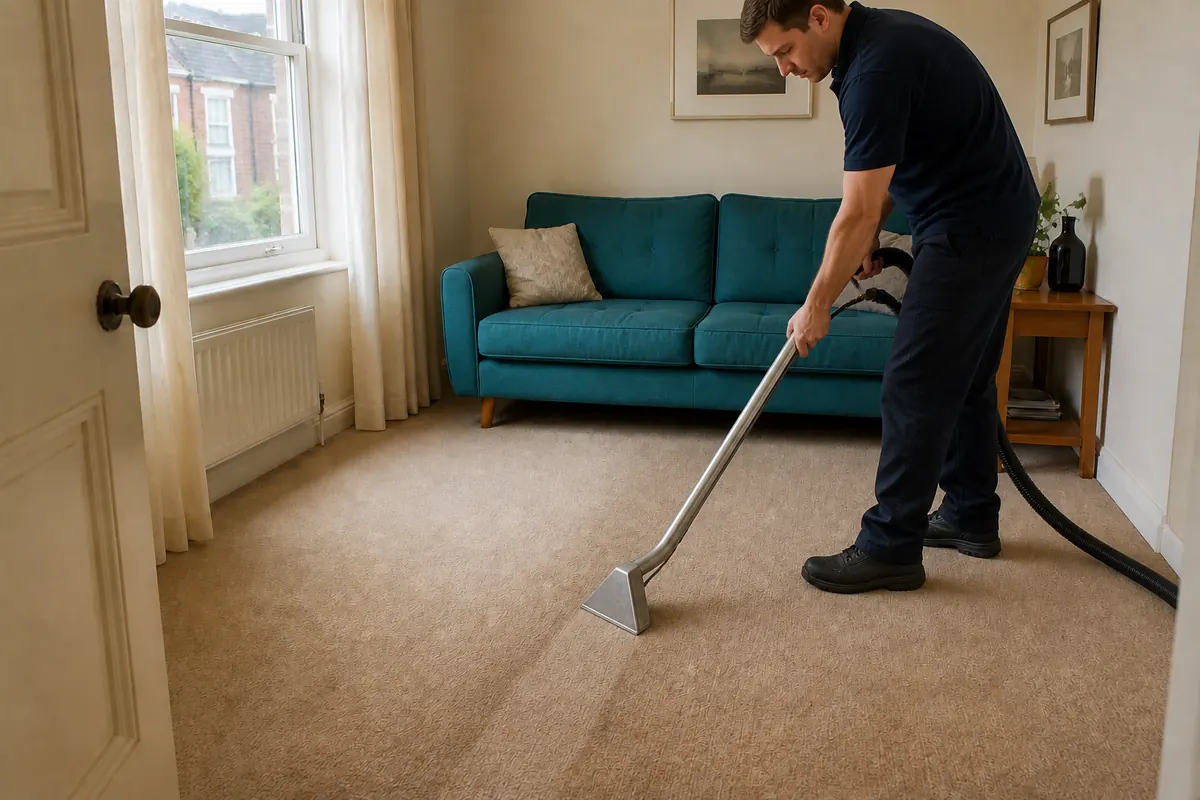

CHISWICK · ADHESIVE CONCERNS
For a Chiswick enquiry involving tape, describe the temporary fixing rather than guessing the adhesive chemistry. Masking tape, a taped-down cable and a removed floor protector can leave different histories. Keep packaging if it is available.
Do not pull stubborn material away simply to expose the carpet for a photograph. An attached strip, a sticky patch and missing tufts should each be identified. Explain previous heating or solvent use so the assessment starts with an accurate account.
Say when the tape type or adhesive is unknown.
Mention scraping, heat or liquids already used.
FIBRE & CONSTRUCTION
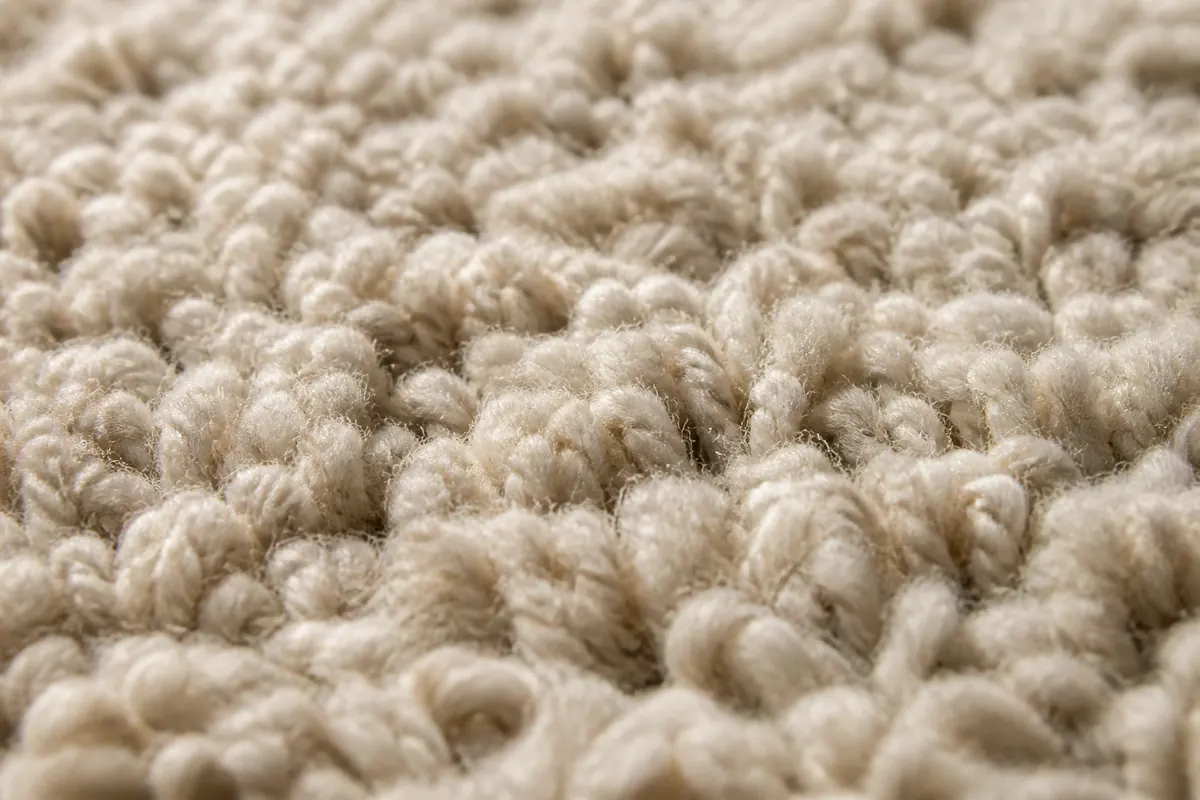
Synthetic
A synthetic fibre label does not establish the safety of a household adhesive remover. The backing and existing treatment also need consideration.
Give the remover name if known.
Wool
Wool requires compatible chemistry even where a sticky deposit seems small. Explain any product already applied.
Avoid another unassessed solvent.
Low pile
Short pile can make a tape outline obvious. A dark strip may include collected soil, adhesive or a lasting change.
Appearance cannot identify the residue alone.
Deep pile
Adhesive caught below the tips can involve several fibres. Pulling may damage the pile rather than remove the deposit cleanly.
Do not tug at attached material.
Rugs
Tape used beneath a rug raises different questions about backing, dyes and the floor below. Request an independent assessment.
Rug care information ↗HOW WE CLEAN
Discuss the tape, removal attempts and remaining tackiness.
Inspect fibre, backing and colour response around the residue.
Prepare accessible flooring without pulling attached tufts or spreading sticky material.
Apply compatible treatment and an assessed extraction or lower-moisture method.
Recover moisture and review remaining residue separately from missing or distorted fibres.
Explain drying, safe reuse and any remaining limitations before another temporary fixing is considered.
THE PUBLISHED PRICE GUIDE
Published guides begin at £30 for a small room and £75 for two to three rooms. Minimum visit conditions apply; explain adhesive deposits before agreeing the complete scope.
Minimum visit conditions apply
Dimensions and actual work determine the quote
| Requested work | Quotation detail | Starting rate |
|---|---|---|
| Small room | Affected fitted room | From £30 |
| Two to three rooms | Other requested rooms | From £75 |
| Stairs / additional area | Connecting passage | Request a quote |
| Specialist requirements | Attached tape or residue | Quoted individually |
A room rate is not a promise to remove every adhesive or repair fibres damaged during tape removal.
Read the published service rates ↗BEFORE · DURING · AFTER
These Chiswick room views are AI illustrations, not evidence that a particular adhesive was removed.
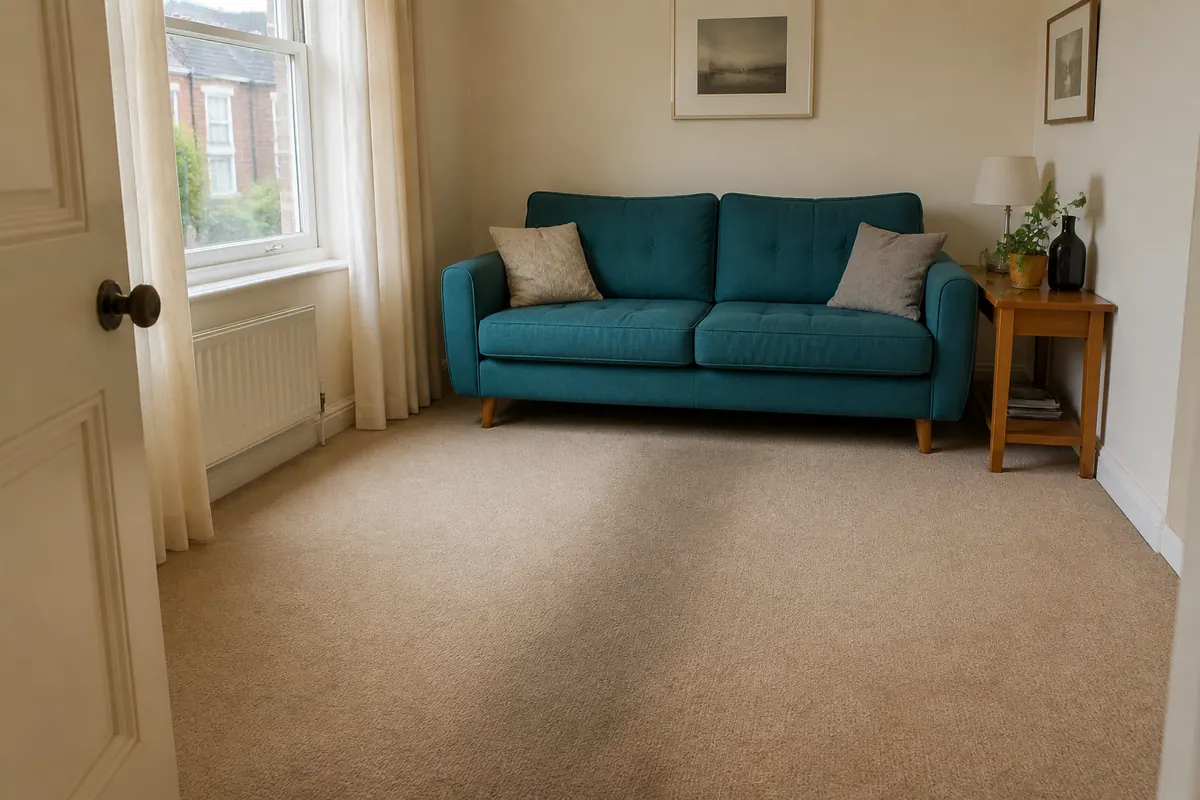 Before
Explain what was taped down and what remains attached.
DuringThe illustration does not establish solvent suitability.
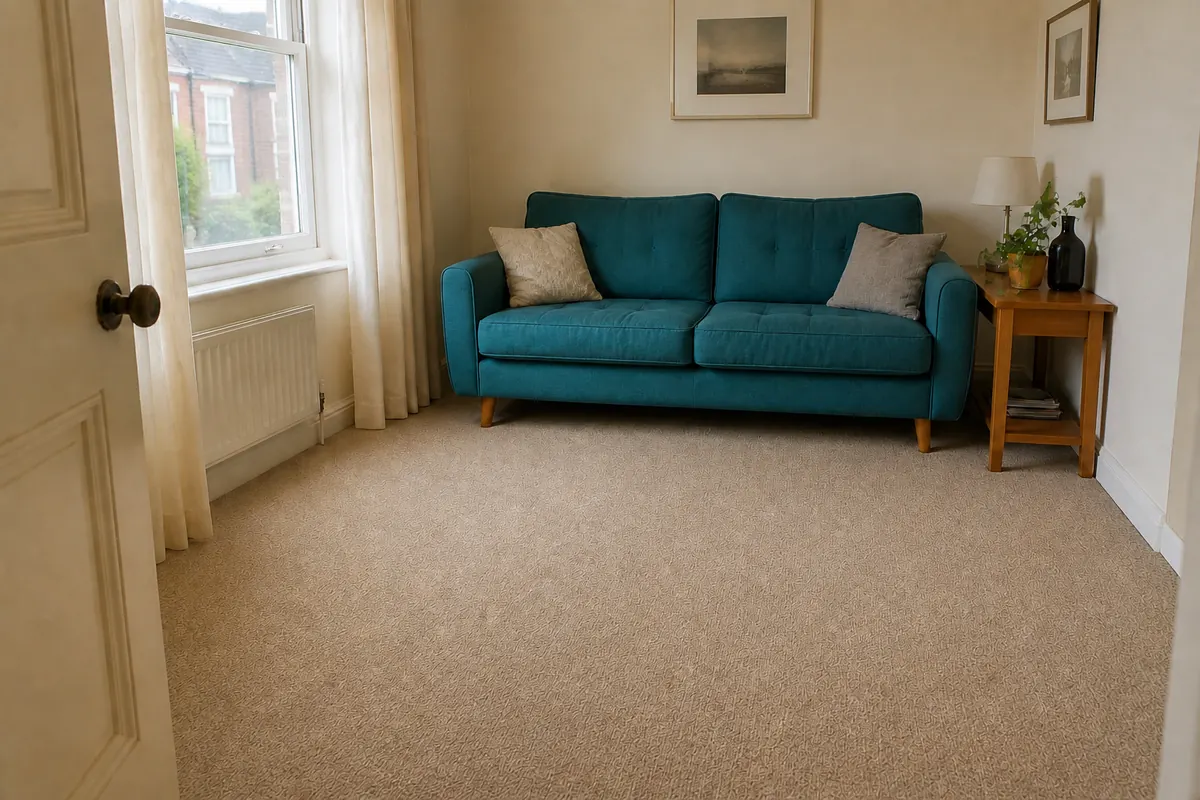 After
AfterAssess the actual floor for tackiness and lasting physical changes.
AFTER A TEMPORARY FIXING
Describe the current condition without testing another household remedy.
Identify its extent and whether it collects loose soil.
Ask for advice before pulling it away.
Explain the tool used and any lost tufts.
Keep the product name available.
Describe the attempt without repeating it.
State what you know rather than inventing an adhesive type.
Cleaning cannot replace missing tufts or guarantee reversal of chemical damage.
CHISWICK · QUICK DECISIONS
A small room starts at £30 and two to three rooms at £75, subject to minimum visit. Describe adhesive deposits for the complete quotation.
Routine frequency follows use, condition and manufacturer guidance; a sticky incident calls for assessment, not repeated improvised stripping.
The affected extent and suitable method determine the estimate. The length of tape alone cannot establish the attendance time.
Follow the actual drying and reuse advice. Do not cover damp flooring with another taped-down protector.
No. Residue may prove resistant, and torn or chemically altered fibres cannot be restored by ordinary cleaning.
DESCRIBE THE REQUESTED WORK
Distinguish the affected strip from the full room and any separate textile.
CHISWICK · ENQUIRIES
Provide the Chiswick postcode, requested measurements and tape history. Confirm attendance and suitability directly before expecting an appointment.
Check the Chiswick address and explain any attached fixing when enquiring.
Enquire for ChiswickExplore Chiswick on the map.
Google Maps opens on request.Open Chiswick mapA FACTUAL REMOVAL HISTORY
The original purpose is described without guessing its chemistry.
Previous solvents, scraping and heat are disclosed.
Sticky deposits are distinguished from torn or altered fibres.
Further treatment is not represented as a guaranteed repair.
CHISWICK · YOUR QUESTIONS
A precise history is more useful than an assumed adhesive formula.
Ask about ChiswickAsk for advice first if it is firmly attached; pulling can damage the pile.
Do not assume compatibility with the fibre, backing or dyes. Disclose anything already used.
Not necessarily. Describe tackiness and appearance separately.
Explain how it was applied and any subsequent change; do not repeat it for the photograph.
No. Cleaning does not replace missing fibres.
Yes, if available; say when its identity is uncertain.
No. Request separate assessment of the rug and its backing.
No. The room sequence is AI illustrated.
CHISWICK · CARPET ENQUIRY
Call with the postcode, affected extent and removal history. Agree a material-led assessment with realistic expectations.
Chiswick · Confirm address availability
