Minimum visit conditions apply
 020 3608 3976
HACKNEY · WORKROOM CARPET CARE
Ink, adhesive and ordinary tracked-in soil are not the same enquiry.
A room used for making or desk work can collect several kinds of marking. If you know which product reached the carpet, say so and keep the label. Describe earlier cleaning attempts too. Useful history helps frame an assessment; it does not guarantee that a dried craft spill can be removed.
Product history · Honest assessment · No stain promises

HACKNEY · DESCRIBE THE HISTORY
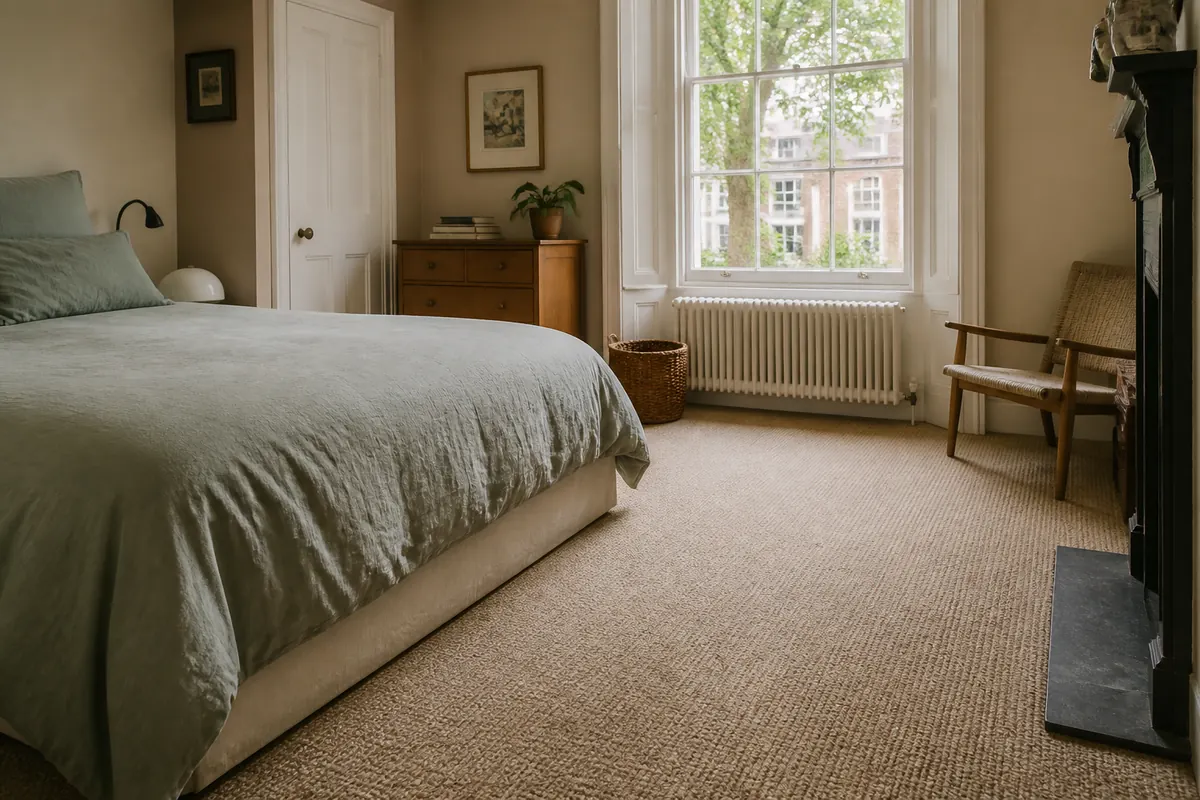
For your Hackney workroom enquiry, send an overall view and a closer image of the concern. Add the product name if you know it, roughly when the spill occurred and what has happened since. If the origin is uncertain, say that plainly instead of assigning a material based on its colour.
Mention whether the room contains stock, tools or projects that must remain undisturbed. Clear small loose items by agreement and identify the floor boundaries. Carpet cleaning is not a substitute for making an unsafe workspace ready for a visitor.
A product label is more informative than a guess about whether a mark is paint.
Ask for advice before applying further household products.
THE SURFACE UNDER THE SPILL
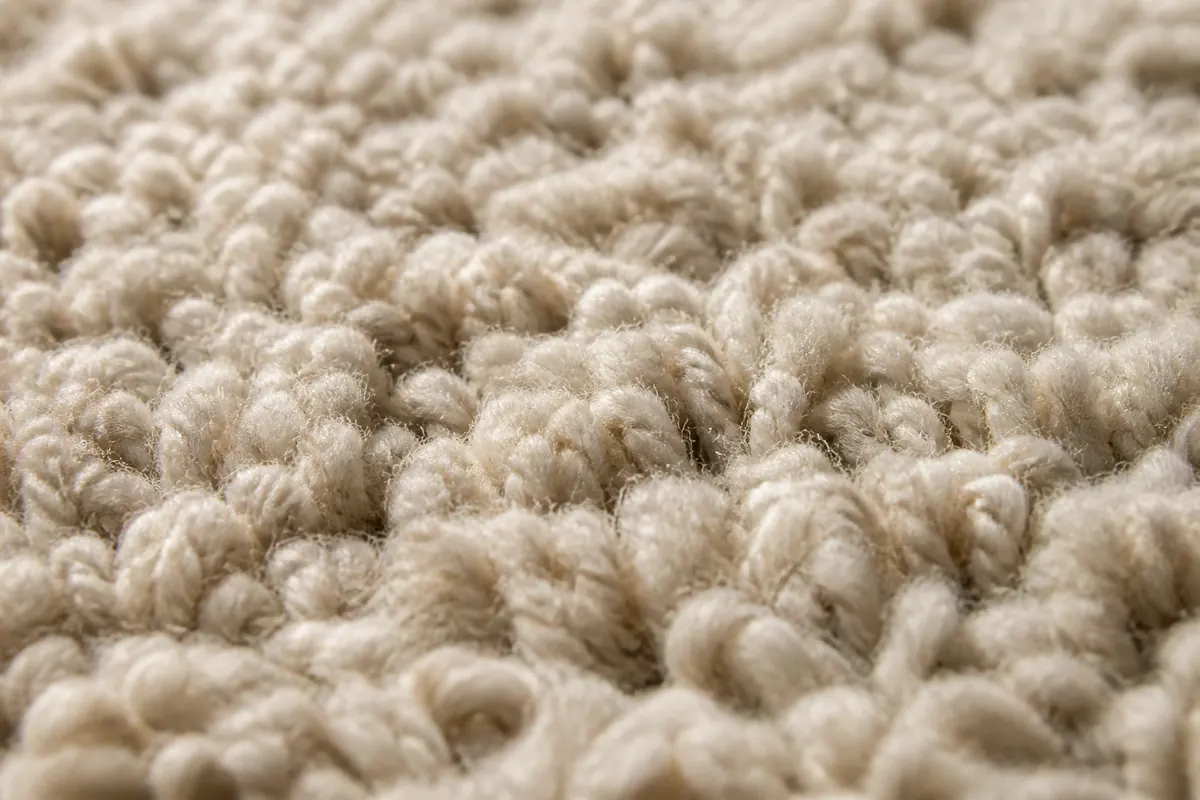
Synthetic surfaces
A synthetic label does not make every solvent or spot product appropriate. Explain the substance involved and leave compatibility to assessment.
No do-it-yourself chemical recipe is offered here.
Wool coverings
Supply care information alongside the spill history. A treatment aimed at one residue must still be suitable for the textile underneath it.
Removing a mark is not worth ignoring material limits.
Low-pile flooring
A work chair, tool or previous scraping attempt can alter the surface. Identify those effects separately from the original spill.
Describe texture changes as well as colour.
Deeper pile
A hardened patch may extend beyond what the top view shows. Avoid aggressive scraping while awaiting guidance.
An image cannot establish the depth of a deposit.
Movable rugs
A craft spill on a rug is not automatically the same job as a spot on fitted carpet. Construction and backing need their own consideration.
See the rug-care enquiry route ↗ASSESSMENT-LED CRAFT-AREA CARE
Paint, ink and adhesive concerns are reviewed alongside earlier attempts, separating deposits from damaged fibres.
Colour stability and construction determine whether any further treatment is safe; a resistant deposit is not a reason to increase chemical strength.
Loose tools and craft pieces are removed from the agreed footprint before protection and appropriate dry vacuuming.
Suitable spots are pre-treated with controlled dwell time. Cleaning then follows the assessed extraction or lower-moisture method.
Further stain treatment depends on fibre response, while moisture recovery is controlled rather than repeatedly soaking a stubborn patch.
Permanent pigment or damage is identified and drying guidance explained before projects are returned to the floor.
HACKNEY · WORKROOM ENQUIRIES
Begin with the room dimensions and explain the particular marks. Ordinary room treatment and an unusual residue concern must not be treated as interchangeable just because a published starting price is available.
Minimum visit conditions apply
Unusual marks need discussion
| Requested work | Information that matters | Guide |
|---|---|---|
| Small carpeted room | Size and general condition | From £30 |
| Two or three rooms | Separate room and concern list | From £75 |
| Specific product residue | Known product and previous attempts | Assessment required |
| Damaged or unusual covering | Construction and existing defects | Confirm feasibility |
Do not read a guide rate as a commitment to remove dried paint, glue or permanent dye. Explain the concern first so suitability and the actual proposed work can be discussed.
View the published general carpet rates ↗AN ILLUSTRATION, NOT STAIN EVIDENCE
The before, during and after images are AI illustrations of a single room. They do not document a Hackney craft-spill treatment or demonstrate removal of ink, adhesive or paint.
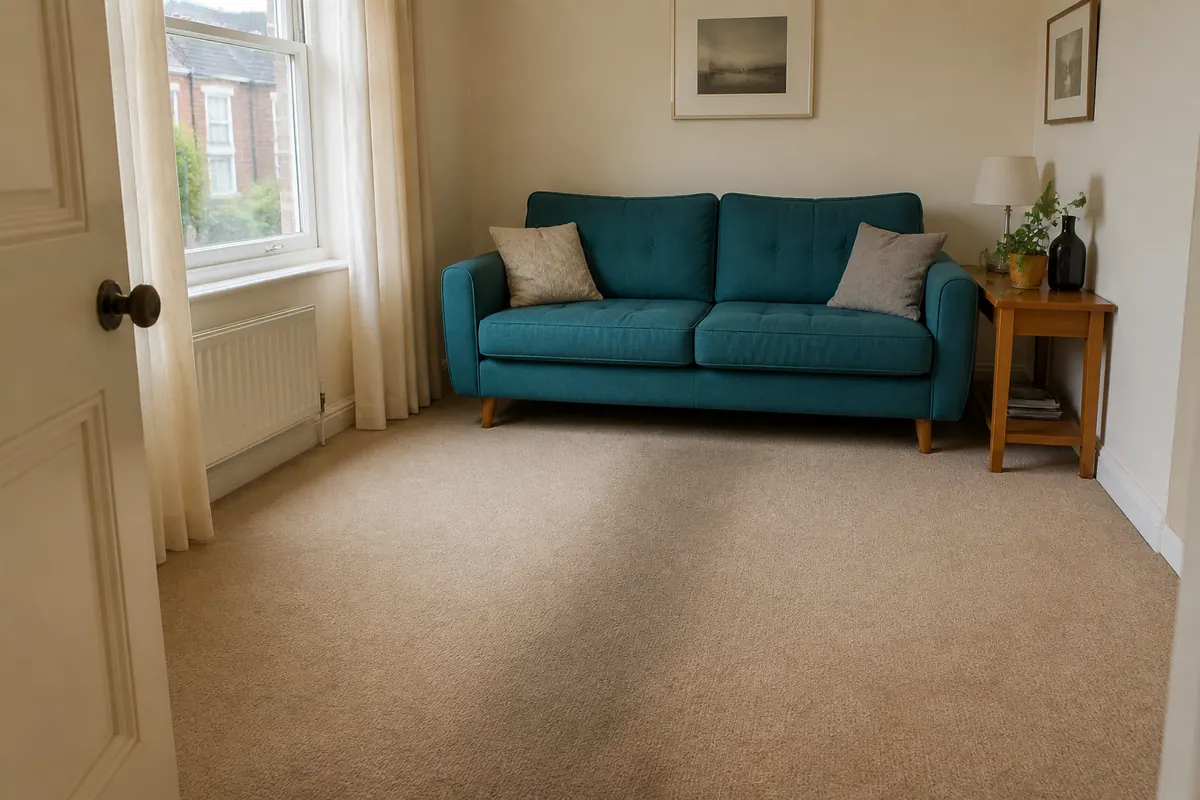 Before
Record the known product and visible condition.
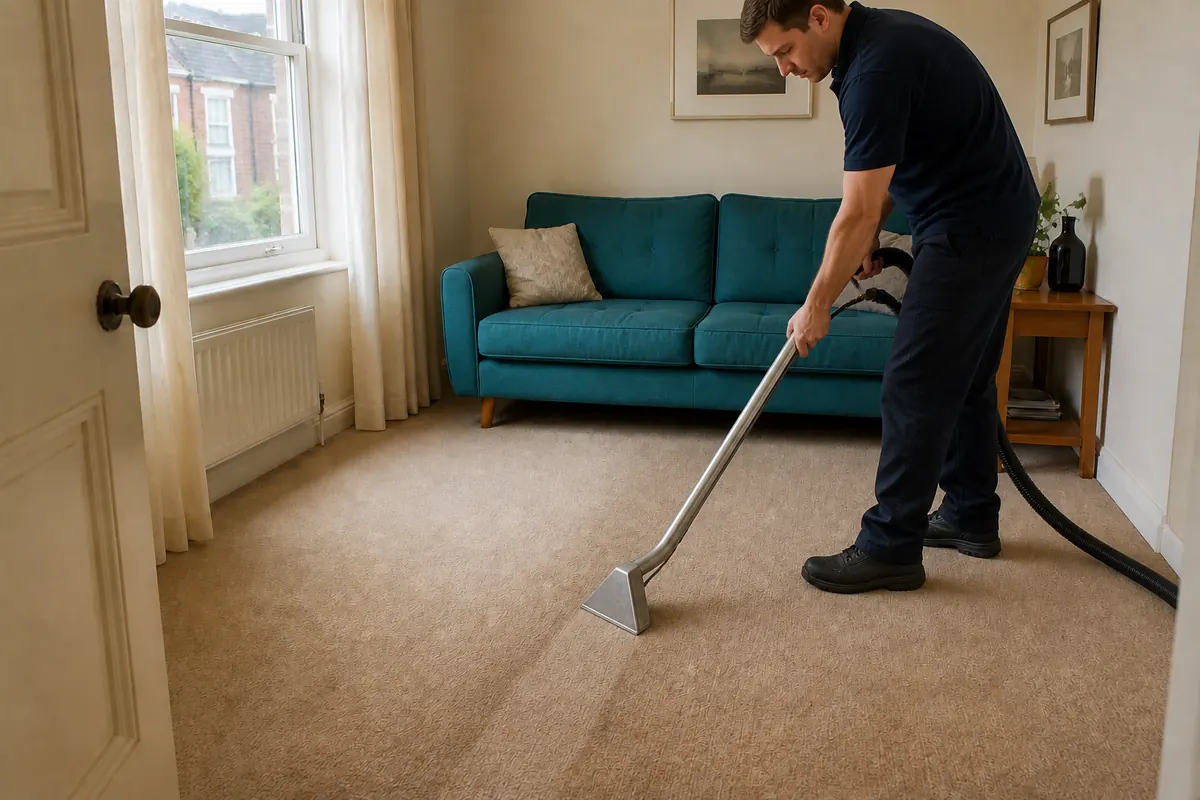 During
The appropriate approach depends on the textile and substance.
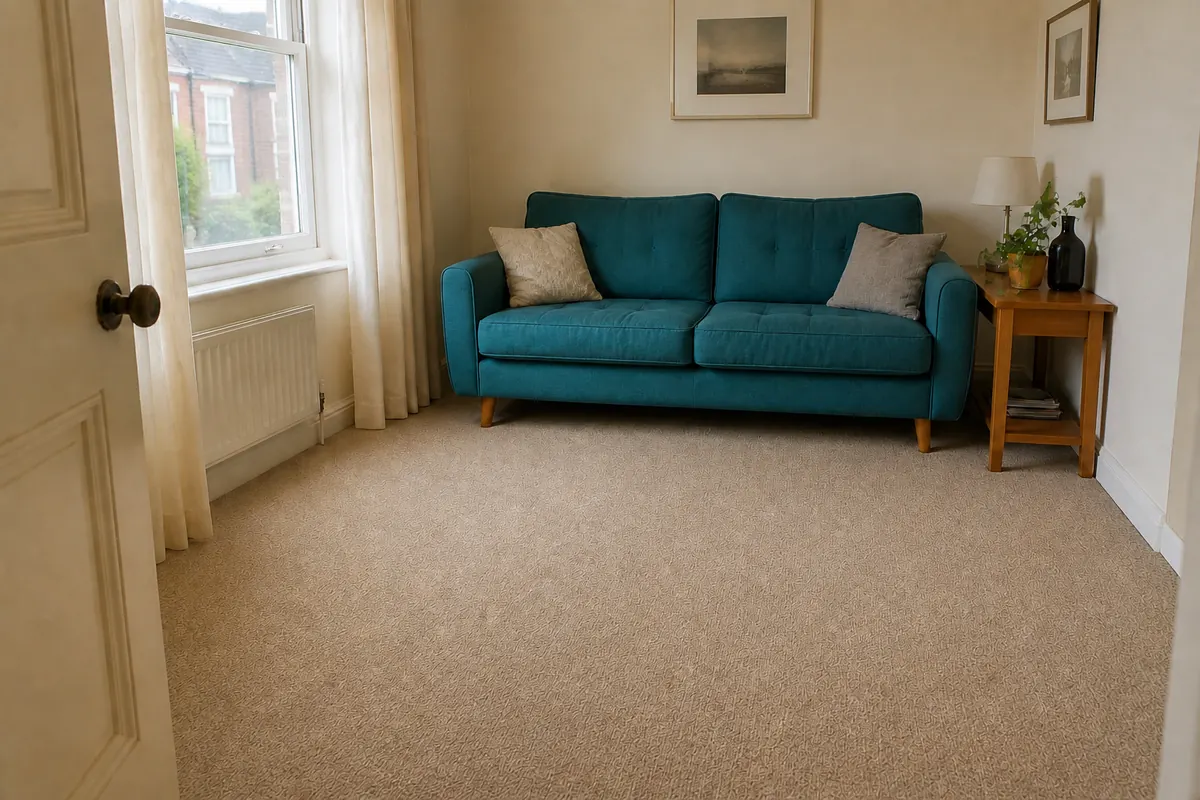 After
AfterA changed appearance is not a promise of complete restoration.
WORKROOM MARKS TO EXPLAIN
Give the most accurate account you can without guessing an unknown substance.
Supply the product details and approximate age of the spill.
Say the source is unknown instead of inferring it from the colour.
Do not assume a cured deposit behaves like loose surface dirt.
Tell the team what was applied; the earlier attempt may affect suitability.
Physical damage is not repaired by ordinary carpet cleaning.
A flattened route can remain visible even after removable soil is treated.
No claim is made that every craft substance can be removed safely or that damaged fibres can be restored.
WORKROOM ENQUIRY ANSWERS
The general guide is from £30 for a small room or £75 for two to three, subject to minimum visit terms. Paint, ink or adhesive concerns must be discussed before assuming treatment is feasible or included.
A particular incident and routine maintenance are separate questions. Discuss the substance first; longer-term frequency should reflect workspace use, condition and appropriate care guidance.
Not reliably. Product history, carpet construction and the agreed scope affect what can be attempted. Obtain an attendance estimate after those details are discussed.
Follow the actual aftercare advice rather than judging by the top surface alone. Drying depends on the assessed treatment, recovery, fibre and surrounding conditions.
No. A deposit may be unsuitable for further treatment or accompanied by permanent damage. A known product name is useful evidence, not a promise of restoration.
DEFINE THE WORKING AREA
Identify the room boundary and any stored projects that cannot be disturbed. Shared or business premises require the appropriate authority and an agreed scope.
HACKNEY · PROPERTY AND CONTACT
Give the full postcode and a reachable contact. If a different person provides access, pass on the product details and the agreed work so important history is not lost at the doorway. Availability requires direct confirmation.
An area map does not establish treatment suitability.
Discuss a Hackney workroomLocate the area before supplying the exact premises details.
The external map loads only following your request.View the area in Google MapsUSEFUL EVIDENCE, HONEST LIMITS
Known craft materials and earlier attempts inform the initial assessment.
A residue cannot be considered independently from the covering underneath.
Burns, cuts and worn pile should be distinguished from cleaning concerns.
The proposed work and any limits are discussed before further treatment is attempted.
HACKNEY · PRODUCT-HISTORY QUESTIONS
The more accurate the history, the clearer the discussion about suitability and limits.
Describe the spillGive the information you genuinely remember and state what is uncertain. Do not guess a formulation from the colour of the dried mark.
No. Appearance alone cannot reliably establish the product or its properties. Include packaging information where available.
Avoid aggressive scraping or another improvised treatment. Explain the condition and ask for guidance before changing the surface further.
It is part of the condition being assessed. A previous spray or solvent may matter even when the original mark remains visible.
They are different observations. One may involve physical wear, while the other concerns a deposited substance; describe both separately.
Ask about the proposed work rather than assuming any substance can be treated at a standard rate. Suitability and the quotation must be agreed.
Secure loose tools and explain what must remain untouched. Agree a safe accessible area before attendance.
No. The AI sequence is illustrative and is not evidence of a particular product being removed from a customer carpet.
YOUR HACKNEY WORKROOM
Send the postcode, overall floor view and known product history, including earlier treatment attempts.
Hackney · Suitability and availability require confirmation
