Minimum visit conditions apply
 020 3608 3976
RECOGNISING SUNLIGHT-RELATED COLOUR DIFFERENCES
A lighter patch may need an explanation, not more stain remover.
Colour differences beside a window or beneath a rug can have several causes. Show the contrast in ordinary daylight and explain whether furniture has recently moved before assuming the darker area is dirty.
Exposure described ·Colour compared ·Limits acknowledged

BLACKHEATH · PRACTICAL DETAILS
When enquiring from Blackheath, explain what changed in the room: a rug removed, curtains replaced or furniture repositioned. Those events may reveal an older difference rather than create a new stain.
Do not scrub only the darker portion in an attempt to make it match. The lighter portion may be permanently altered. A room-wide assessment provides a more realistic basis for treatment than a request to erase a rectangle.
Take photographs without a strong flash that hides the contrast.
Mention whether the difference remains when the pile is viewed from the opposite end.
FIBRE & CONSTRUCTION

Synthetic
Synthetic fibres can still fade or suffer chemical colour change. A durable marketing label is not a restoration guarantee.
Do not assume stronger chemicals restore colour.
Wool
Wool dyes and the installed condition need consideration before a discoloured region receives more products.
Provide the available care information.
Low pile
Low-pile shading may change with viewing direction. That optical effect differs from contamination embedded in the surface.
Optical changes are not always deposits.
Deep pile
Deep pile can reflect light unevenly after furniture moves. Grooming suitability is assessed, not promised as a cure.
Grooming is not a universal cure.
Rugs
A rug that covered the floor may itself have a different care requirement; do not assume treating both will equalise their colours.
Rug care information ↗HOW WE CLEAN
Discuss exposure and compare covered with open regions.
Inspect fibre and colour response before treating tonal differences.
Prepare surrounding finishes and vacuum where suitable.
Clean removable soil with compatible chemistry and extraction or lower moisture.
Recover moisture without promising faded dye restoration.
Explain persistent contrast and furniture-return guidance.
THE PUBLISHED PRICE GUIDE
The published £30 small-room and £75 two-to-three-room guides remain subject to minimum visit conditions. Discolouration requires realistic assessment alongside the quote.
Minimum visit conditions apply
Dimensions and actual work determine the quote
| Requested work | Quotation detail | Starting rate |
|---|---|---|
| Small room | Window-side exposure | From £30 |
| Two to three rooms | Previously covered region | From £75 |
| Stairs / additional area | Doorway transition | Request a quote |
| Specialist requirements | Chemically lightened spot | Quoted individually |
Ask what treatment is proposed and which changes are expected to remain. Do not accept a room price as evidence of guaranteed colour matching.
Read the published service rates ↗BEFORE · DURING · AFTER
AI imagery shows one room at three stages on this Blackheath page. It is not a customer example of reversed fading.
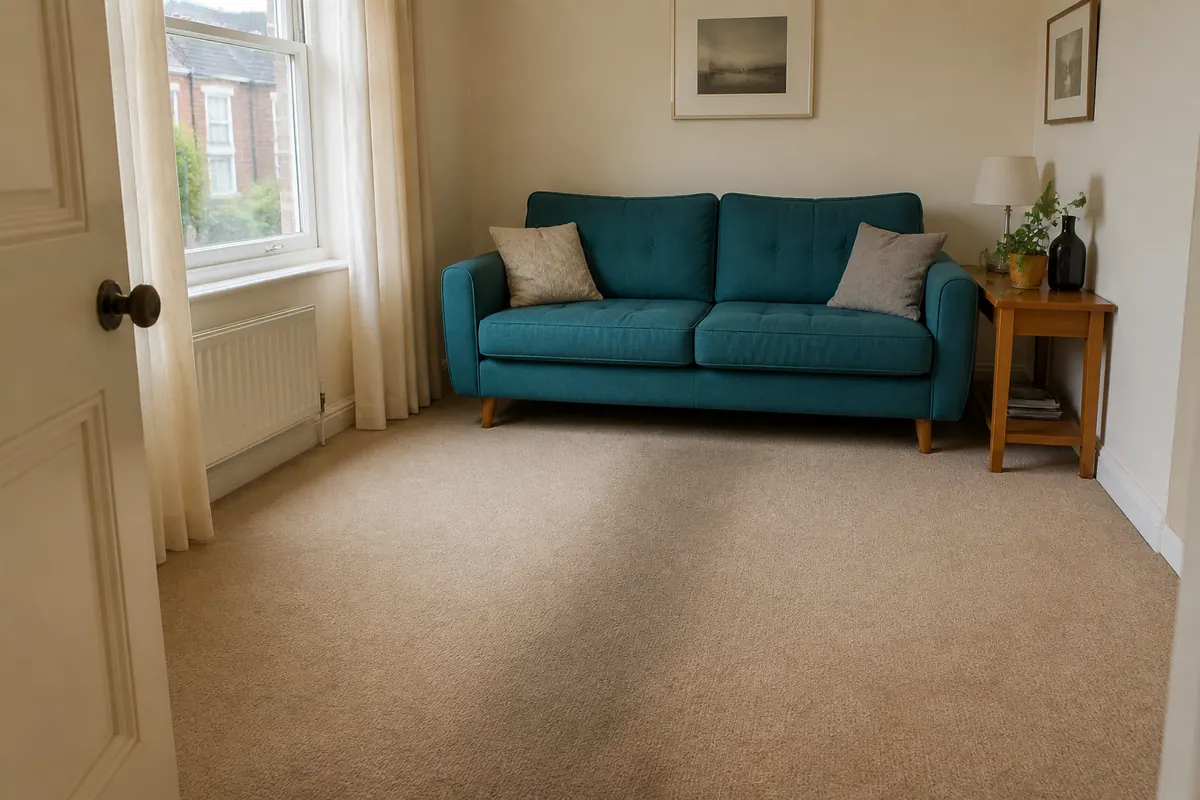 Before
Observe contrasting regions before choosing treatment.
 During
The illustration is not a dye-restoration demonstration.
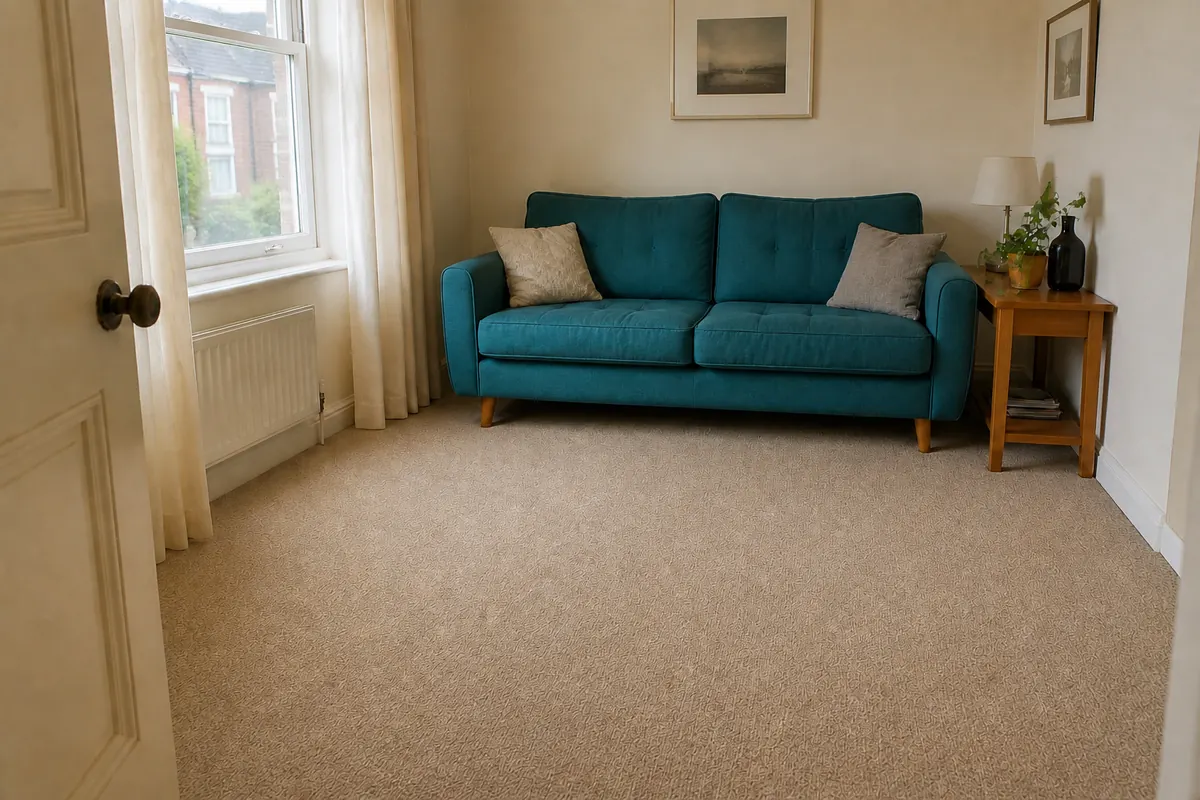 After
AfterThe actual handover should acknowledge permanent fading.
COLOUR OBSERVATIONS
Explain the pattern without deciding its cause prematurely.
Describe how long the rug was present.
Mention exposure and whether curtains normally cover it.
Report any household product used there.
Compare the appearance from both ends.
Distinguish newly revealed contrast from a new spill.
Do not assume it must be scrubbed to match fading elsewhere.
Lost dye cannot be promised back through cleaning, and exposure-related differences may remain visible.
BLACKHEATH · QUICK DECISIONS
Small rooms start at £30 and two-to-three-room scopes at £75, subject to minimum visit terms. Colour restoration is not implied.
No such promise is made. Follow the product’s care recommendations and distinguish exposure changes from soil.
Its colour does not establish the appointment length; the assessed room scope and method matter.
No. Lighting is not a moisture measure; follow the actual advice before replacing coverings.
No. Lost dye and exposure-related differences may persist.
DESCRIBE THE REQUESTED WORK
A small sketch can locate each region without repeated close-ups.
BLACKHEATH · ENQUIRIES
Give the Blackheath postcode and the rooms needing assessment. Address availability is confirmed directly; the map is only a geographical reference.
Confirm attendance for the Blackheath postcode separately from the discussion of colour concerns.
Enquire for BlackheathExplore Blackheath on the map.
Google Maps opens on request.Open Blackheath mapAVOID CLAIMS THE FLOOR CANNOT SUPPORT
Exposure history contributes to a more honest assessment.
No additional bleach is introduced merely to force a colour match.
Remaining contrast should be explained rather than concealed in favourable lighting.
Aftercare addresses the cleaned surface without promising permanent protection from fading.
BLACKHEATH · YOUR QUESTIONS
The distinction between soil and lost colour matters before money is spent.
Ask about BlackheathDye restoration is not assumed to be part of this service.
Show its usual position and the revealed area if safe to do so.
No stronger-product assumption should be made; colour loss is not dirt.
Provide its fitting information and describe the change; age alone does not establish a cause.
Some appearances change with pile direction, but permanent changes may remain.
No. Protected colour can contrast with exposed areas.
An assessment can clarify cleaning limits; inform your decision without a restoration promise.
No. It is an AI illustration, not evidence for this carpet.
BLACKHEATH · CARPET ENQUIRY
Send the postcode, room layout and exposure history. Ask for a realistic assessment before agreeing the work.
Blackheath · Confirm address availability
