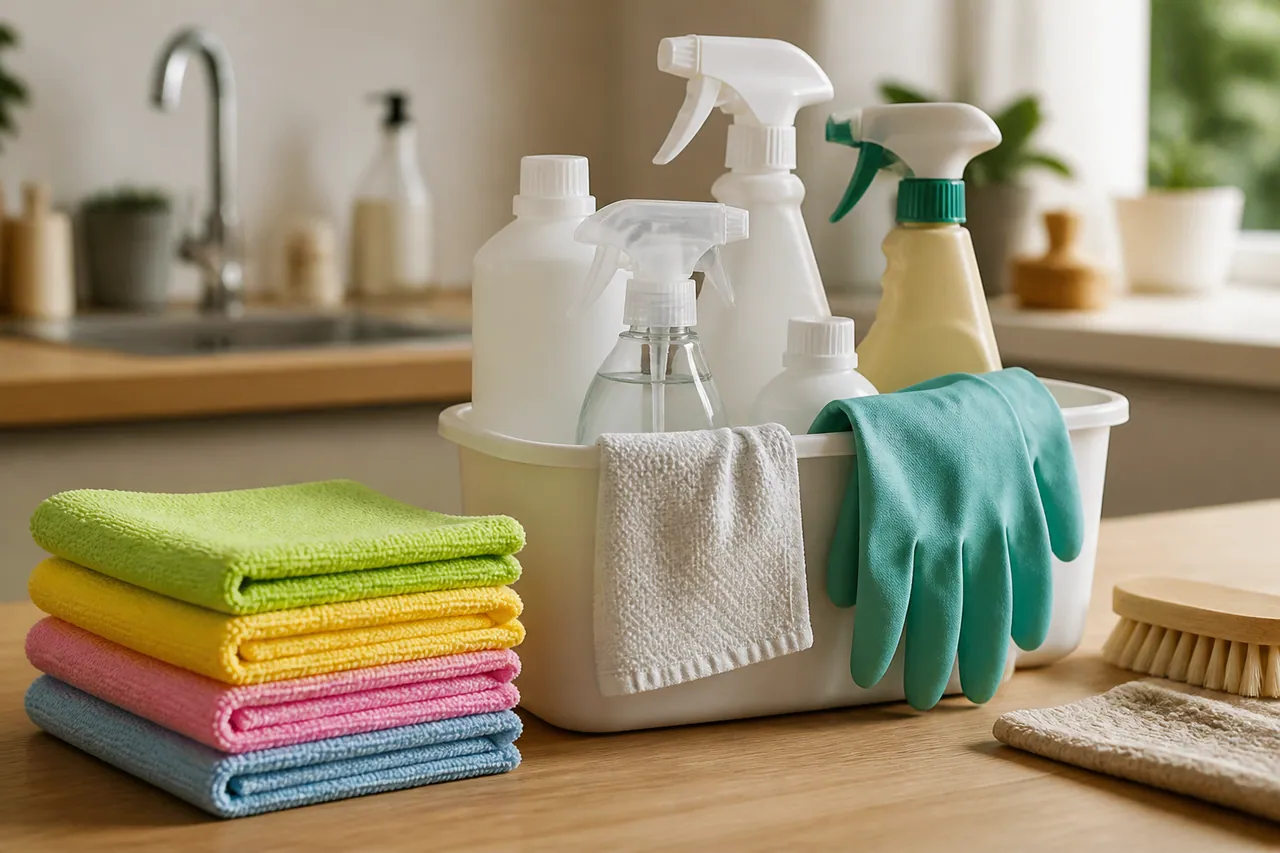
Frequent evening meals
Handles and fronts may need attention beyond the worktop’s daily wipe.
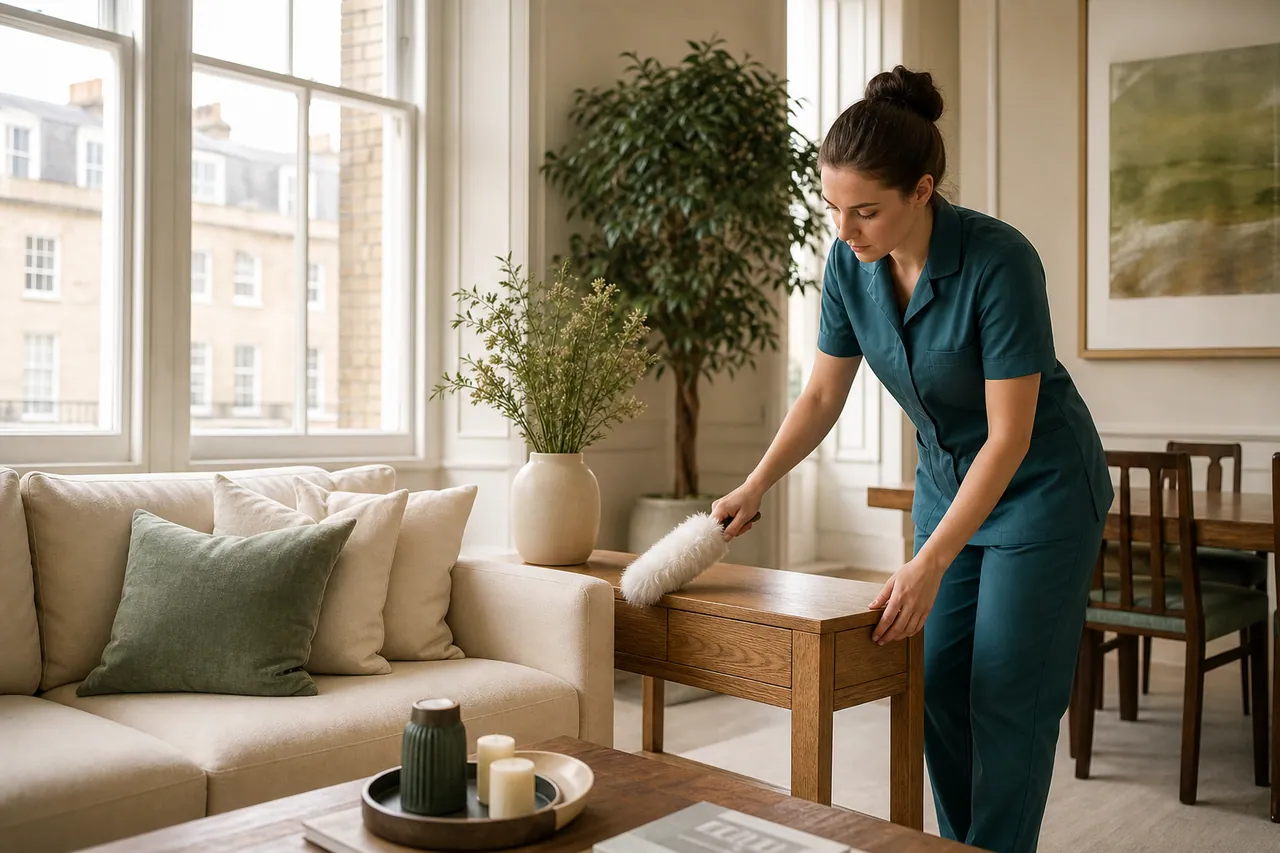
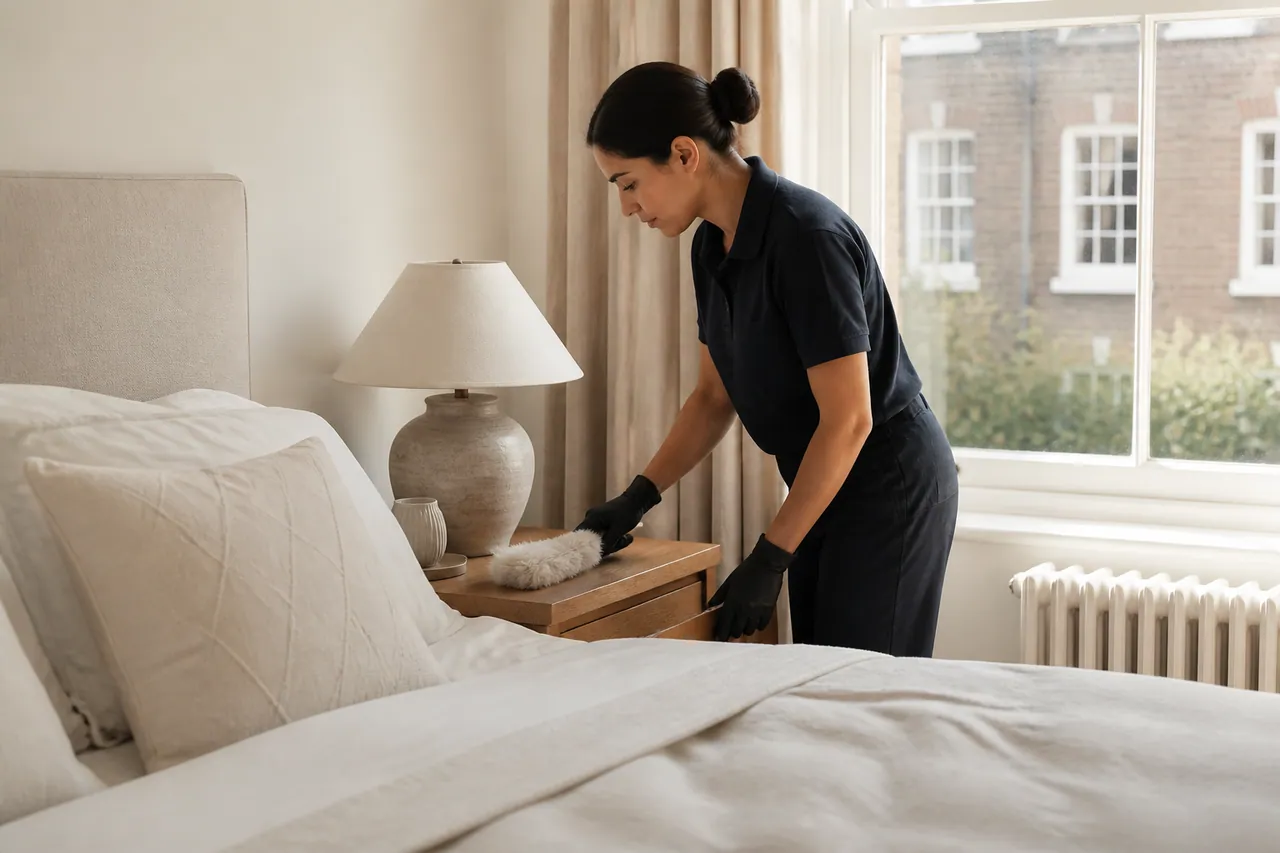
The images illustrate home cleaning; they do not document a customer’s kitchen.
WHEN COOKING OUTRUNS UPKEEP
Handles and fronts may need attention beyond the worktop’s daily wipe.
Show splashes and sticky surfaces once food and utensils have been stored.
Include accessible chair exteriors and flooring only where appropriate and requested.
Describe the sink material and any persistent marks around its fittings.
Add the washroom deliberately rather than letting kitchen detail consume an undefined visit.
Check appointment availability before building the household’s preparations around it.
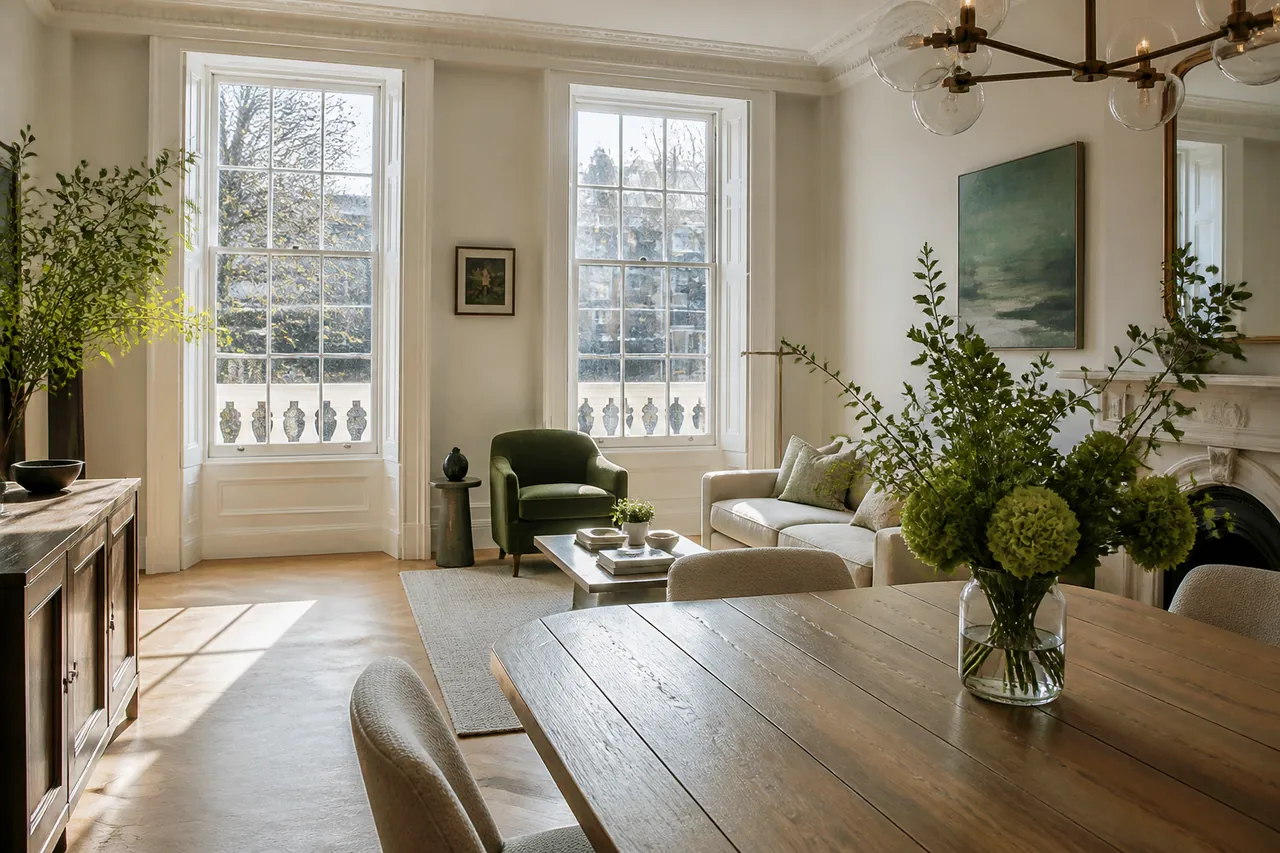
BRIXTON / THE WORKING KITCHEN
For a Brixton home, show the counter, cabinet faces and sink after ordinary meal preparation. If cooking and dining share a room, explain where kitchen finishes end and furniture begins. Different surfaces should not be treated as one continuous worktop.
Keep food out of the working areaStore ingredients, utensils and small personal items appropriately. Say what can be cleared before arrival and which appliance or cupboard interiors are not part of the request.
Make the entrance practicalGive the flat or house number and the route to the kitchen. Discuss stairs, shared doors and lawful unloading where relevant; do not assume equipment can be left in a communal passage.
COOKING IN DIFFERENT LAYOUTS
Describe your particular arrangement when deciding how far the visit should extend.
Keep food preparation belongings separate from bedding and personal items while the area is available.
Explain narrow passages and appliances that restrict access to cupboard fronts.
Mention the stairs between the entrance, cooking space and any additional washroom.
Name the dining and living surfaces individually; their materials may differ from the kitchen.
Show peeling finishes or worn edges before cleaning expectations are established.
A utility sink or second preparation area must be named, not assumed from the main kitchen count.
START WITH THE RESIDUE
Select a subject to see what information helps describe it.
Show the cupboard faces, handles and counter edges affected by cooking.
Avoid applying an unfamiliar product before assessment, especially where a finish is uncertain.
Describe the kitchen workFROM COOKING SPACE TO THE REST OF THE HOME
The kitchen can lead the enquiry without turning the service into appliance restoration.
FOOD PREPARATION AREAS
Food storage and appliance interiors require specific instructions. Internal oven treatment is a separate service discussion.
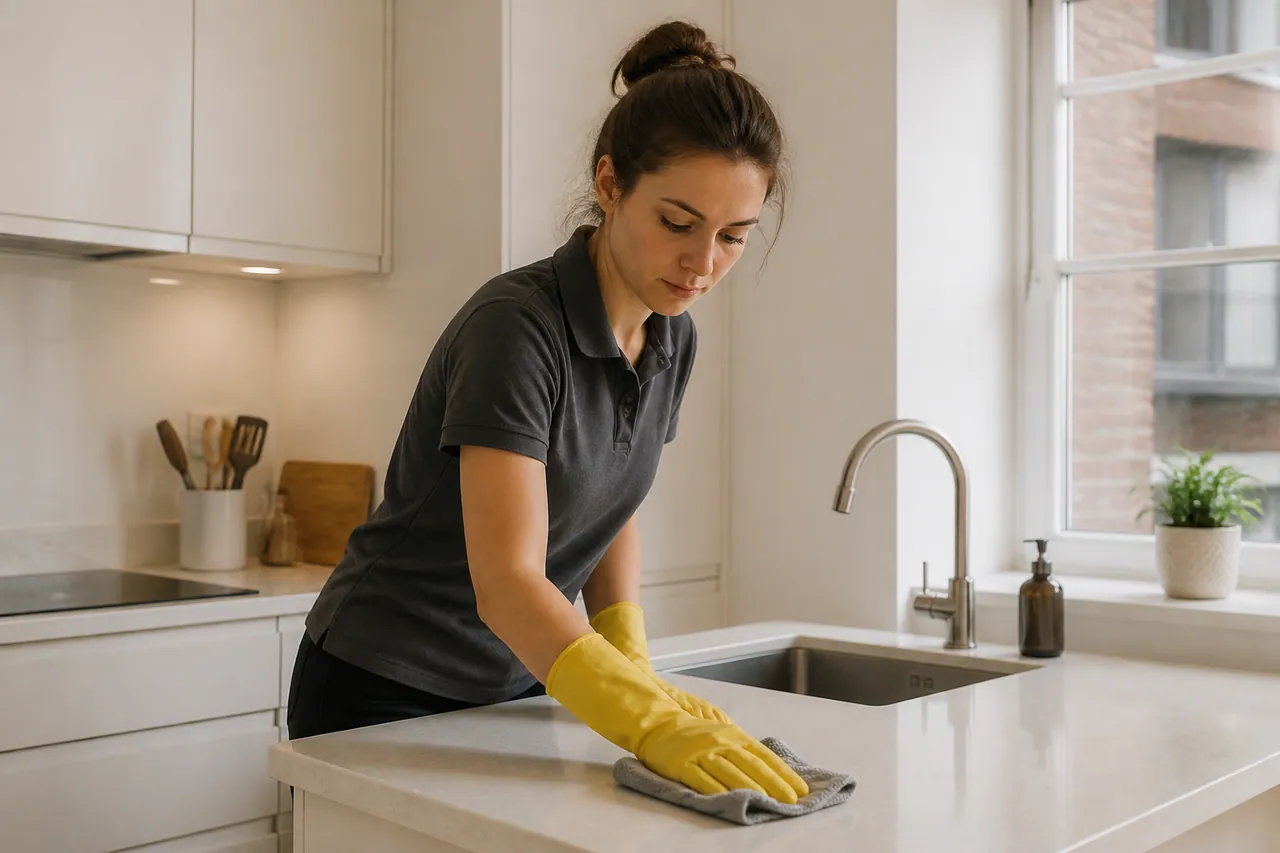
ADDITIONAL WASHROOM
Point out damaged coatings or sealant; cleaning is not a repair to the bathroom fabric.
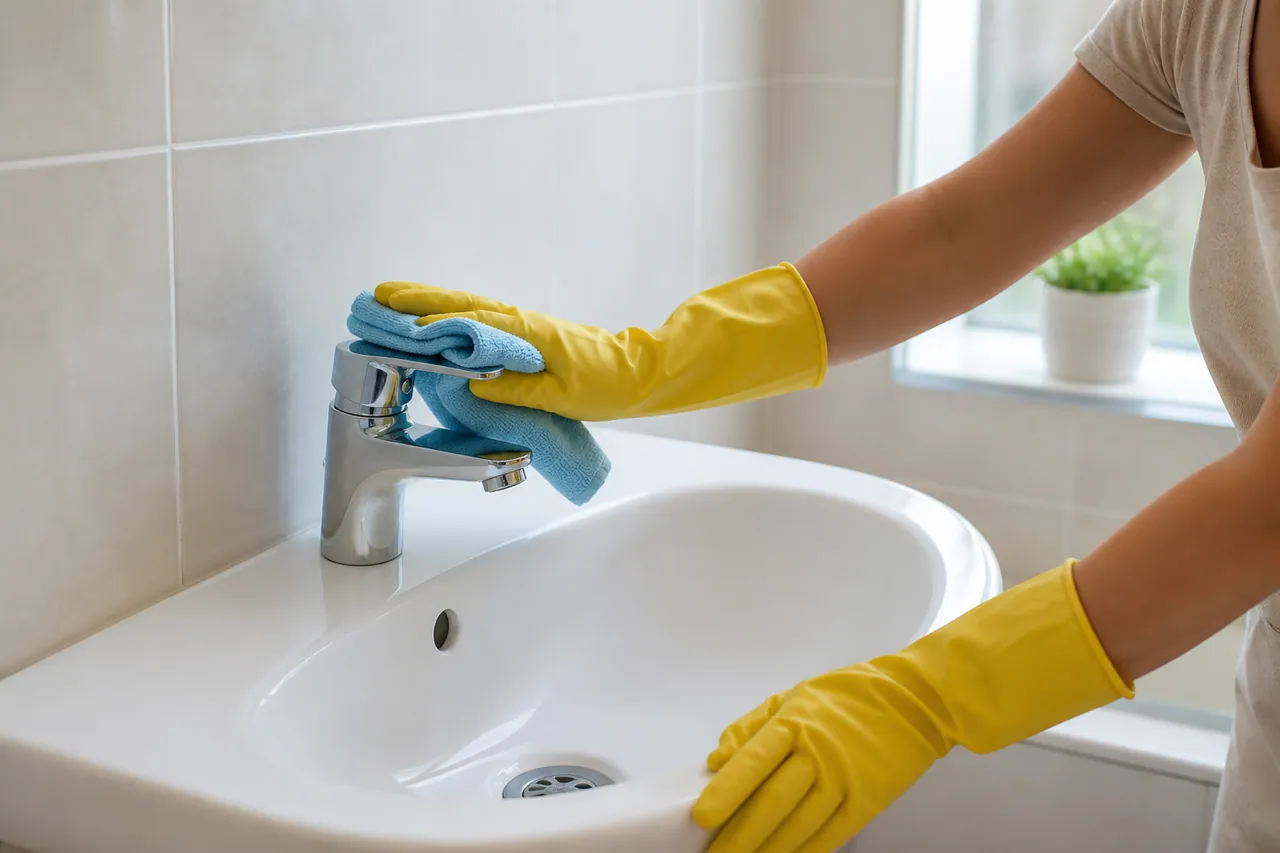
CONNECTED LIVING AREA
Fabric stains need specialist consideration rather than ordinary wiping of furniture frames.
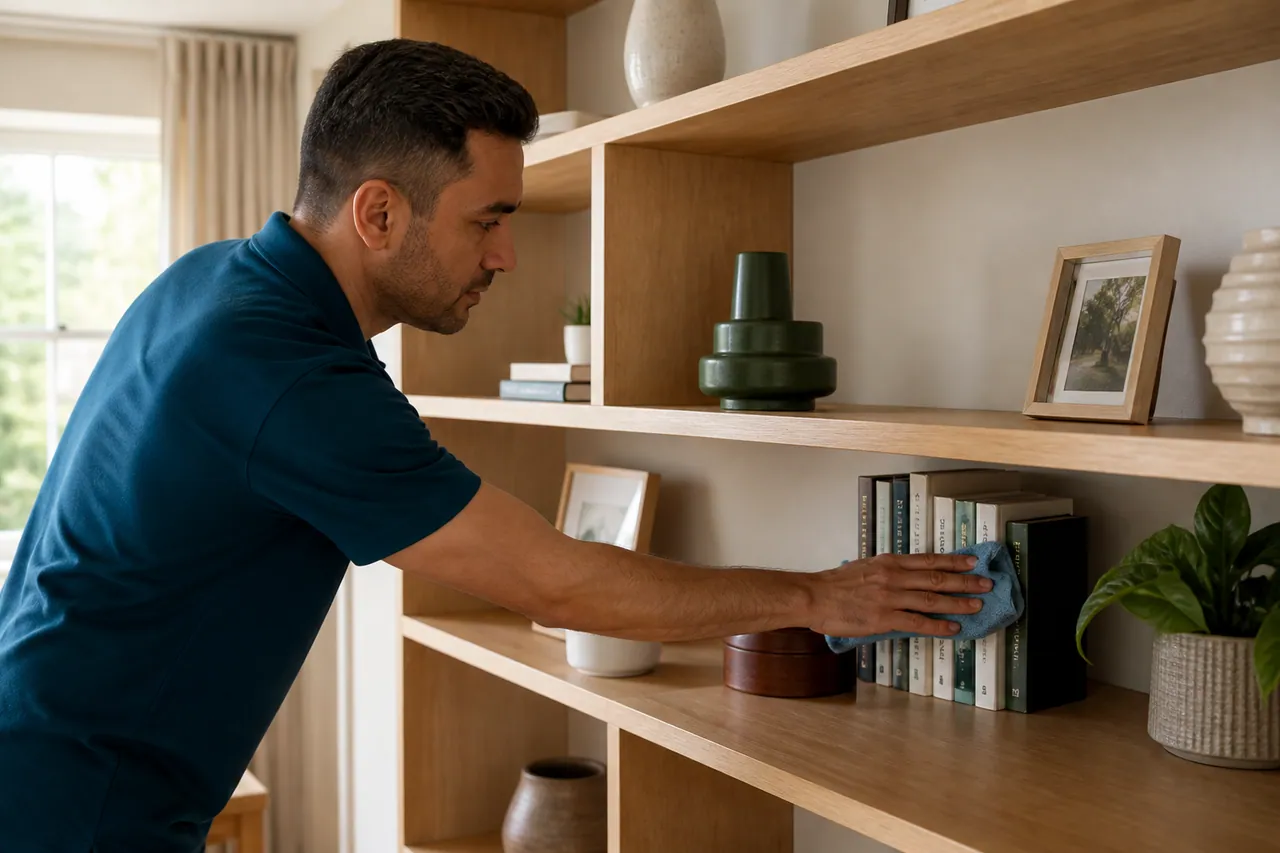
OPTIONAL SLEEPING SPACE
Laundry and handling personal storage are not implied by including a bedroom.
ASSESS THE COOKING DETAIL
The number of cupboards is only part of the picture. Their finish, residue and accessibility help establish the work.
| Work requested | What to describe | Price information |
|---|---|---|
| Kitchen exterior detail | Residue, finishes and exposed surfaces | Assessed before confirmation |
| Other domestic rooms | Fixtures and floor space to include | Added to the proposal |
| Specialist cleaning | Particular appliance or textile treatment | Separately considered |
A wide kitchen view and closer images of the residue are useful together. Mention storage that will remain in place and any product restrictions.
AFTER THE MEAL IS CLEARED
KEEP THE KITCHEN REQUEST CLEAR
START WITH EXTERIORS
Food and loose utensils need preparing before these surfaces are approached.
ASK ABOUT THESE
An interior must be suitable, accessible and specifically confirmed; specialist work needs separate assessment.
MEALTIME / DETAIL / EVERYDAY USE
The aim is appropriate attention to requested surfaces, not a claim that old fittings will become new.
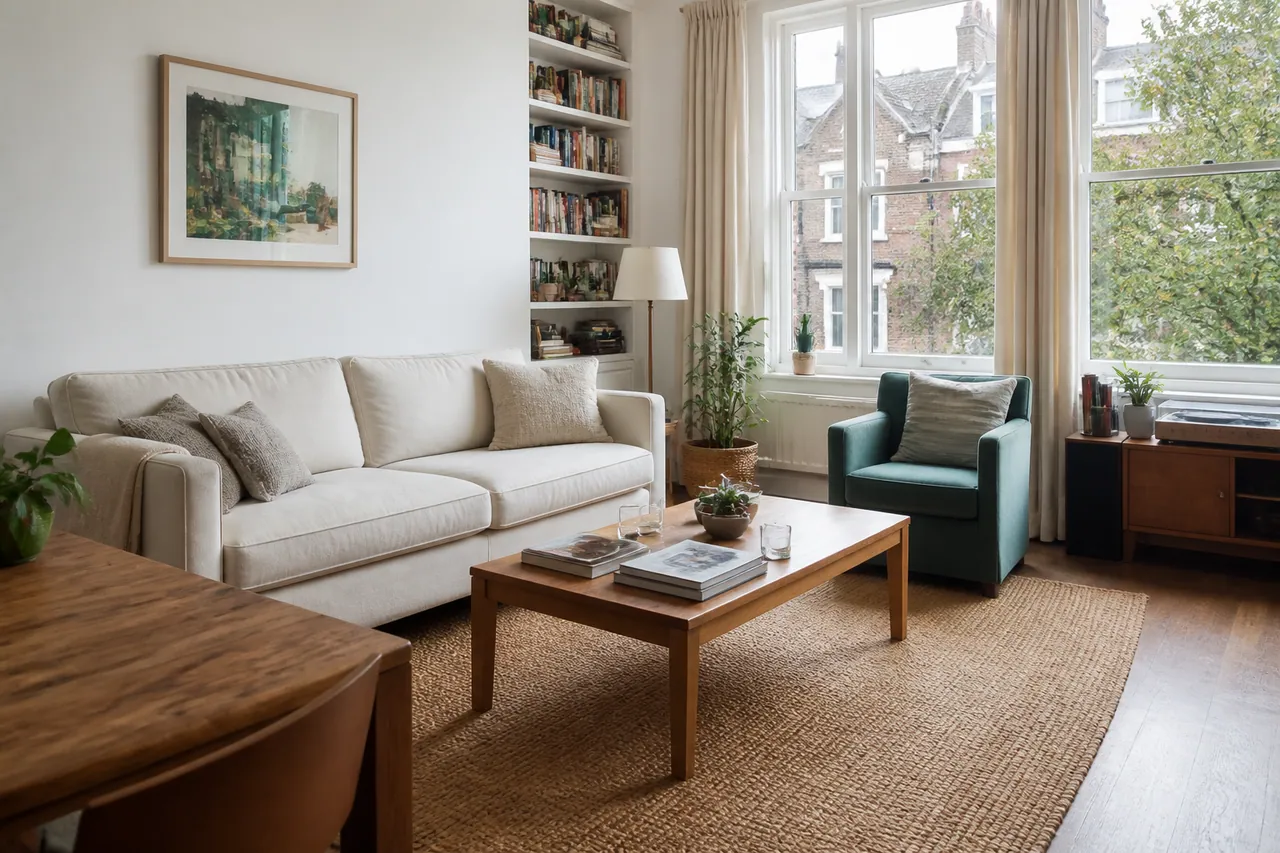
Include visible marks and the materials beneath them in your enquiry.
Any known care restrictions should be communicated before methods are confirmed.
Look at the cupboard fronts, sink surroundings and other selected areas; distinguish remaining wear from soil.
BRIXTON LOCATION
Send the full address and any shared-entry instructions with your kitchen enquiry.
Use the area reference alongside your full property details.
Google loads only when you request this embedded map.PREPARING THE ENQUIRY
Include a general view and the areas with heavier build-up.
Share care instructions or say when the material is unknown.
Name additional domestic tasks before the quotation is prepared.
Leave the requested surfaces accessible without moving heavy equipment.
Use the selected details to review the visit and any material limitations.
COOKING-SPACE QUESTIONS
Clear food, utensils and personal items from the surfaces requested for cleaning. Tell us about anything that must remain in place.
No. Describe the oven separately so its treatment and price are considered through the appropriate service.
Photograph it and explain any known deterioration. Cleaning cannot repair lifting laminate or a worn painted finish.
Tell us what you know and share care guidance if available. If unsure, say so rather than guessing.
Describe its finish, present condition and accessible area. Do not assume that a table uses the same method as a kitchen counter.
Do not rely on food handling or organising as part of ordinary surface cleaning. Make your own preparation and storage arrangements.
Explain any cooking requirement beforehand. Active meal preparation may prevent access to the surfaces you want cleaned.
The method must suit the surface. A stronger product is not automatically appropriate, especially on uncertain or damaged finishes.
Yes. Identify that bathroom and its fixtures so the request remains specific rather than expanding to every room.
BRIXTON / START WITH THE KITCHEN
Send the surfaces, their condition and any other rooms you want included. A kitchen-led quotation starts with those details.
Call about kitchen cleaningSend kitchen photographs ↗