An entrance used all day
Describe the flooring and the dirt visible along the route inside.
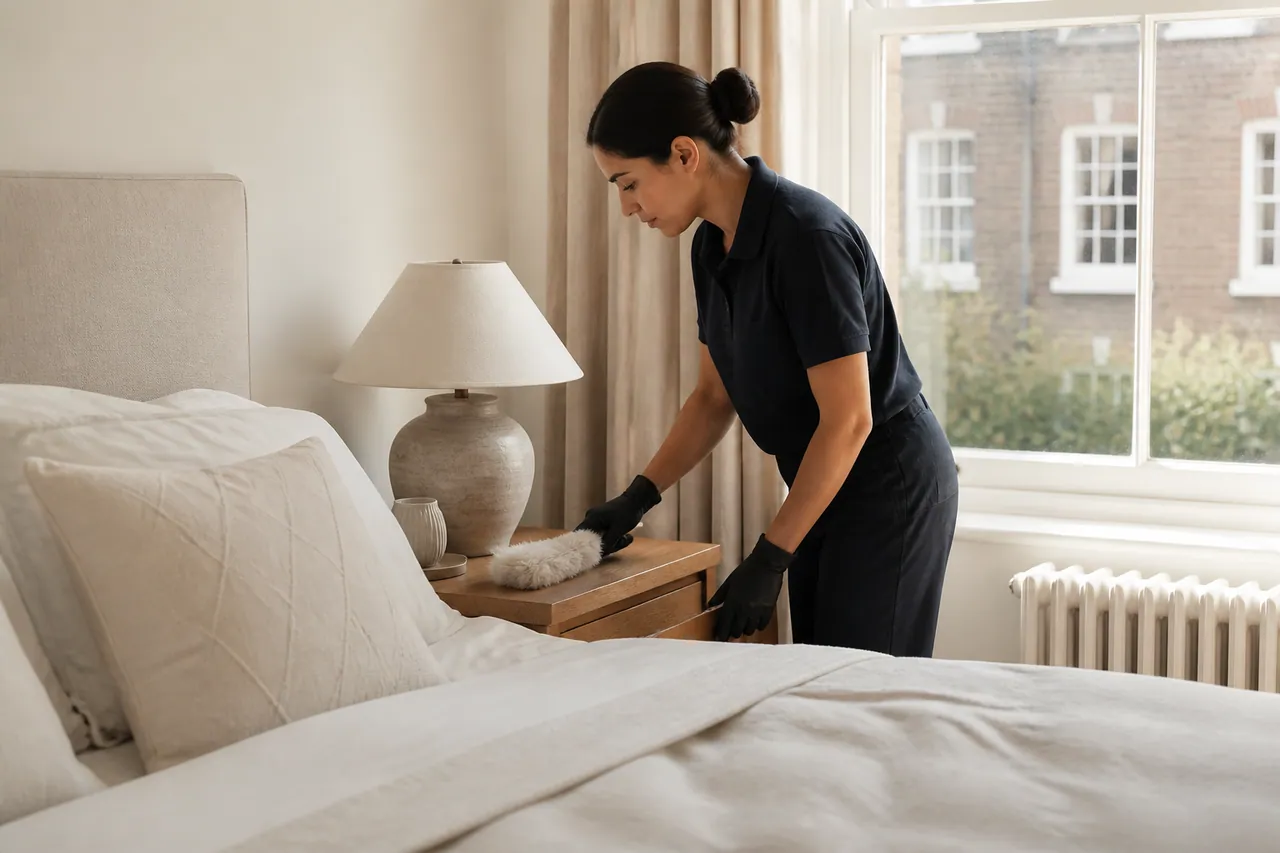
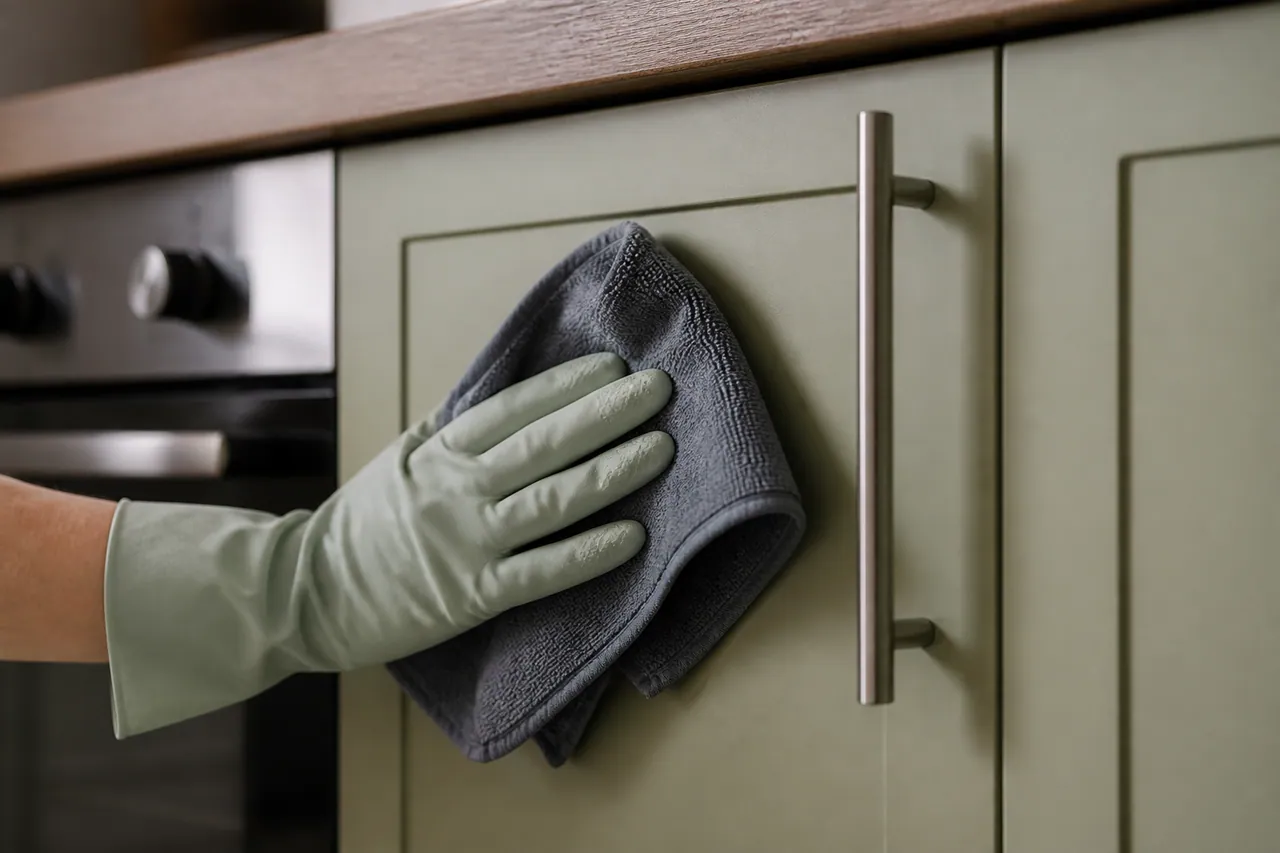
Images are illustrative household scenes, not evidence of a customer’s results.
WHERE THE WEAR OF THE WEEK SHOWS
Describe the flooring and the dirt visible along the route inside.
Count its fixtures separately from a rarely used cloakroom.
Explain sticky fronts and sink detail as well as clear counters.
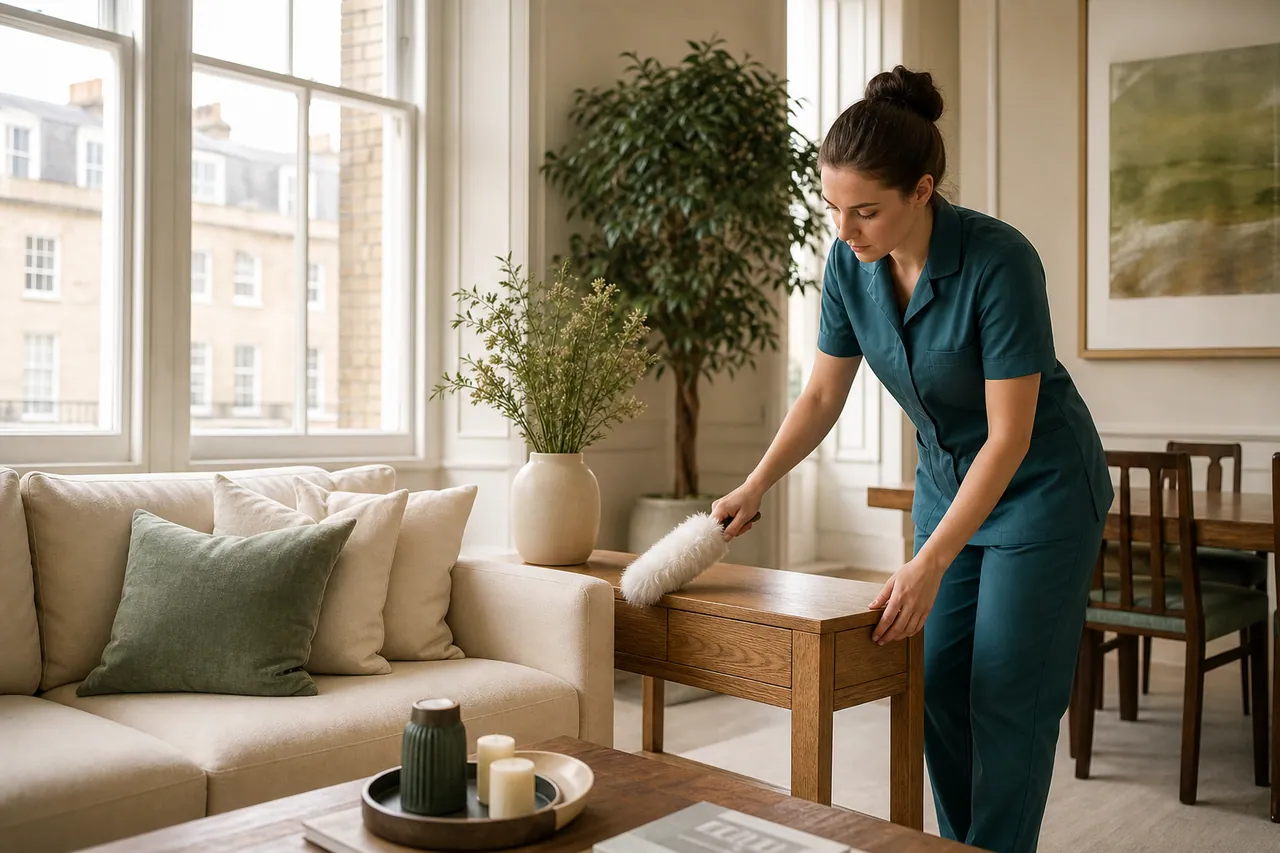
Prepare furniture surfaces and distinguish floor care from upholstery treatment.
It may not need the same level of work as the household’s shared areas.
A mixed interior needs material-specific information, not one instruction to wash all floors.
THE ROUTE CHANGES WITH THE LAYOUT
Describe the pattern in your own property; these are examples rather than neighbourhood claims.
Cooking and sitting areas overlap, but their surfaces and residue still differ.
Include the corridor’s flooring if it is part of the daily traffic route.
Identify the levels and stair access connecting the busiest rooms.
Make clear whether the request concentrates downstairs or includes sleeping rooms too.
Describe wear before requesting attention to heavily used areas.
The main bathroom may differ greatly from an occasional guest washroom; list both accurately.
WANDSWORTH / EVERYDAY TRAFFIC
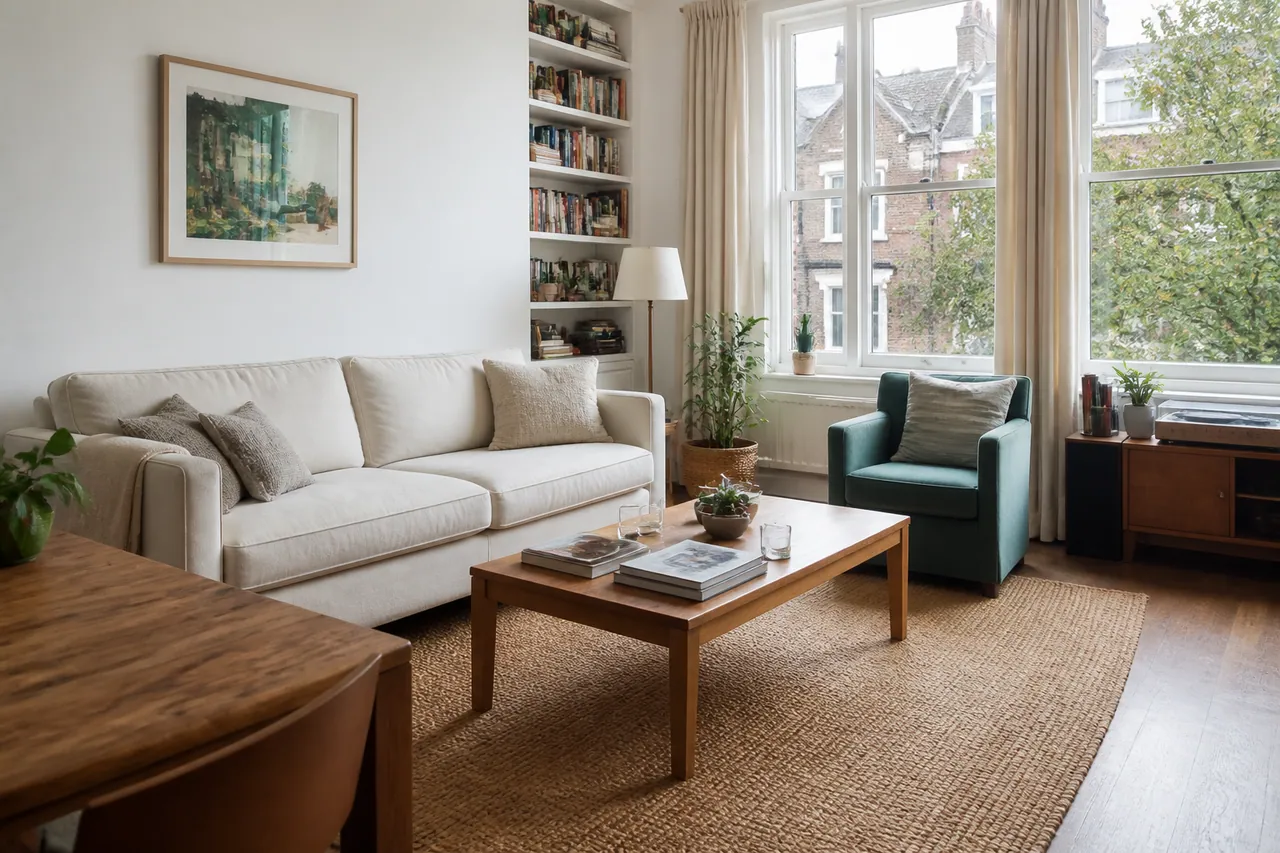
For a Wandsworth enquiry, describe the path from the entrance to the kitchen and main living space. If these areas see more daily use than the rest of the home, show their condition separately. The request should reflect your household, not a standard assumption about the neighbourhood.
Identify changes underfootMention where carpet changes to tile, timber or another covering. Include any manufacturer instructions and known damage so floor care is not based on appearance alone.
Keep less-used spaces in proportionA spare bedroom or secondary washroom may need limited attention or none at this visit. Say so before the quote is assembled rather than paying attention to rooms only because they exist.
WHERE DOES THE HOUSEHOLD GO?
These prompts help describe differing conditions; they do not calculate a cleaning price.
Show the entrance and passages people use most, including the type of floor in each.
Point out known care instructions, especially where one covering changes to another.
Discuss the busy areasCONDITION COUNTS
A heavily used kitchen and a quiet bedroom should not be described as if their cleaning requirements were identical.
| Requested work | Useful comparison | Quotation |
|---|---|---|
| High-use areas | Visible build-up and frequency of use | Based on assessment |
| Additional quiet rooms | Lighter tasks and accessible space | Included if requested |
| Specialist treatment | Floor material and specific concern | Separate proposal |
Identify the covering and explain marks or wear. Do not assume that stronger cleaning will repair damage or suit an unknown material.
WORKLOAD BY ROOM
Choose domestic tasks according to condition and material rather than an equal allocation per room.
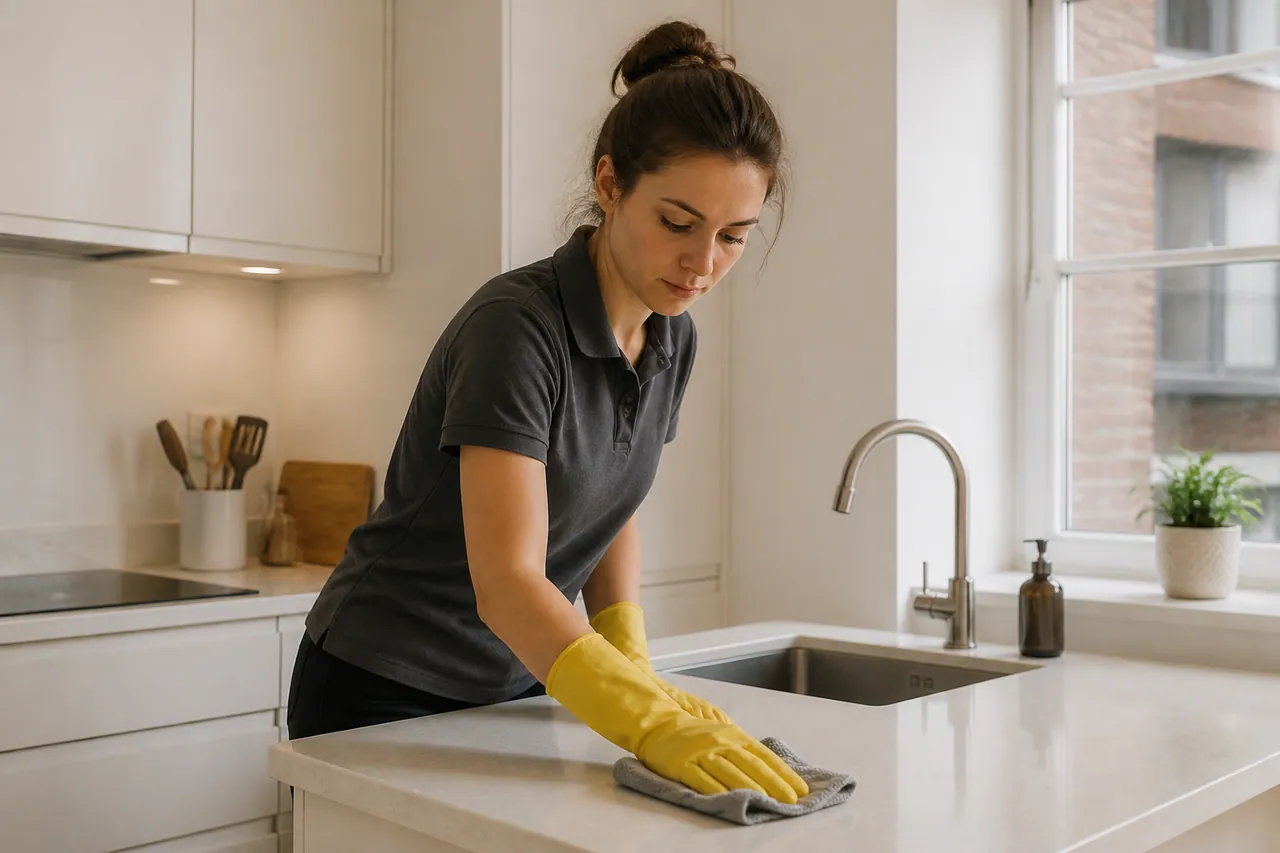
HIGH-USE COOKING
Interior appliances remain separate requests even where the surrounding kitchen is heavily used.
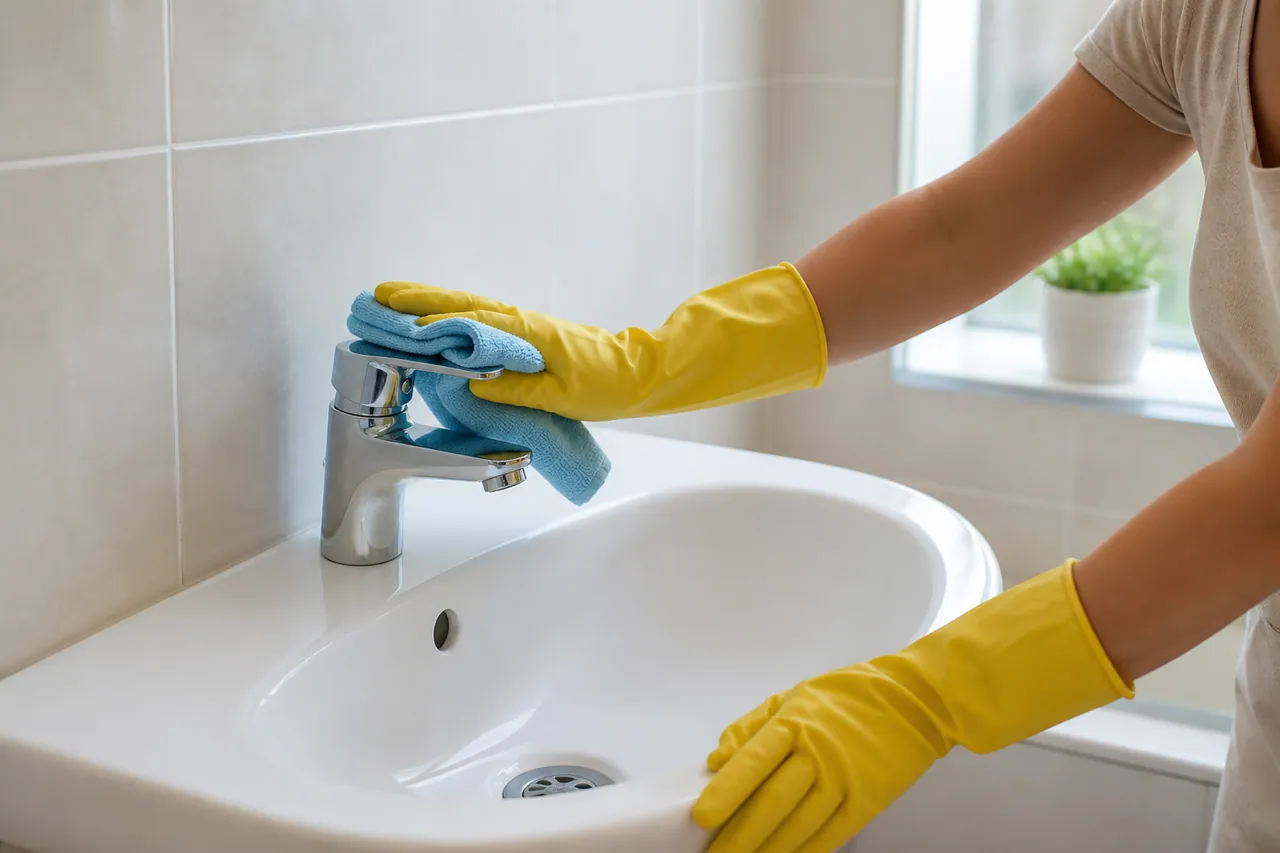
HIGH-USE WASHROOM
Deposits and wear are different concerns. Cleaning does not repair a failed surface finish.
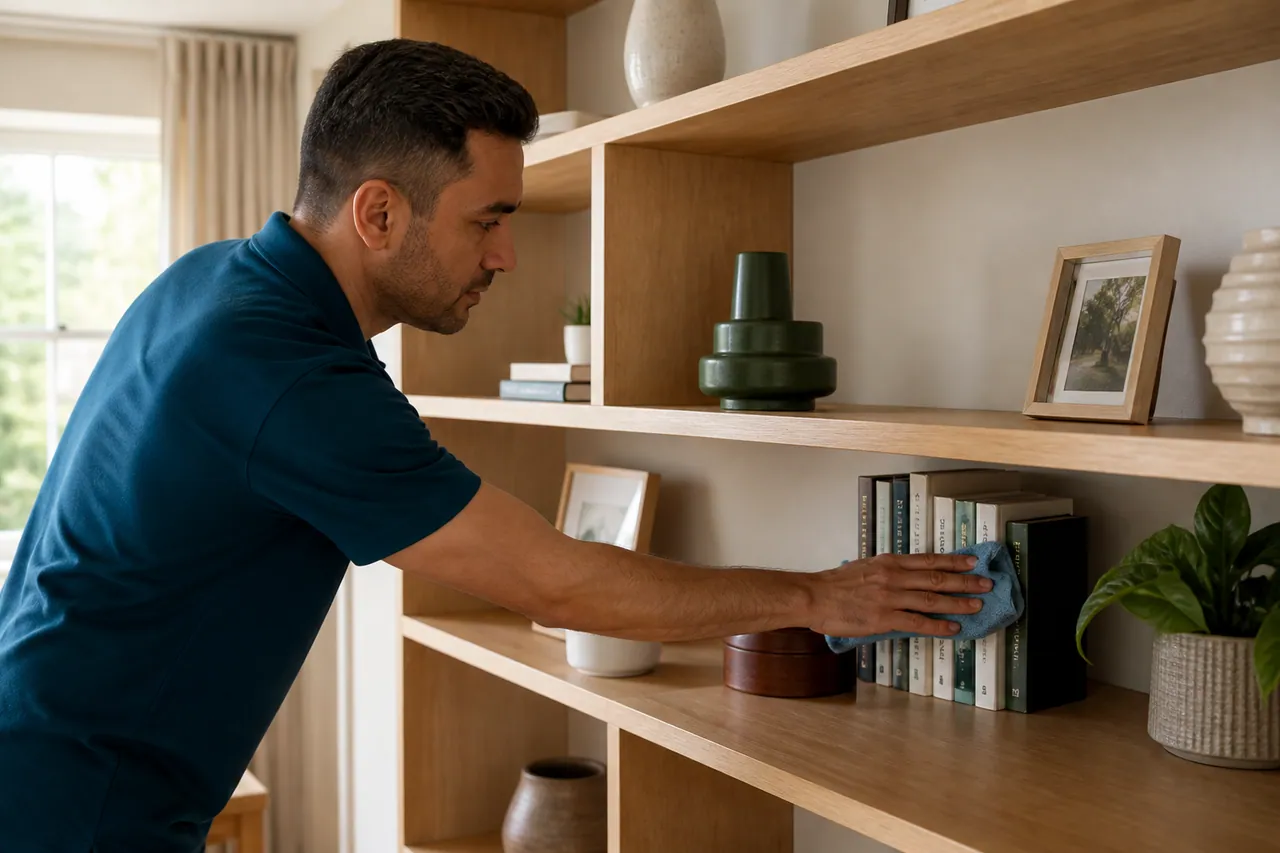
DAILY LIVING
Carpet extraction and upholstery treatment are not substitutes for ordinary surface and floor tasks.
RESTING ROOMS
A lightly used guest room can be excluded; bedroom count alone does not define the visit.
ROUTINE CARE OR SPECIALIST WORK?
DOMESTIC ATTENTION
The suitable method depends on the particular covering or finish.
ASK SEPARATELY
Heavier use does not automatically make these services part of a domestic appointment.
TRACES OF EVERYDAY USE
OBSERVE USE / DIRECT ATTENTION / REVIEW
The assessment should follow the actual dirt and materials rather than divide attention mechanically across the floor plan.
Capture the entrance, main fixtures and frequently used furniture.
Distinguish heavier domestic tasks from light touch-ups and separate treatments.
Discuss the completed work without expecting scratches or worn coverings to disappear.
BUILDING THE REQUEST
Identify the surfaces carrying dirt into the home.
Separate heavily used spaces from lighter requirements.
Name the floor coverings and any care limitations.
Confirm the selected tasks and separate treatments before accepting.
Use the original high-use areas to guide the closing discussion.
WANDSWORTH PROPERTY DETAILS
Send the complete address and entrance route along with the rooms you want included.
Use this reference alongside your exact address.
The external map remains unloaded until requested.ROOM USE AND FLOOR CARE
Explain that priority when enquiring. The room list can reflect the different workload rather than treating every room equally.
Only if you want tasks carried out there. It can remain outside this particular request.
Vacuuming is ordinary maintenance, not a promise of stain treatment. Describe the stain through the carpet service route.
State the uncertainty and provide photographs or care documents. Do not guess a material to obtain a treatment promise.
Yes, name it and describe its surface and condition. It should not be omitted simply because it is not called a room.
Duration needs assessing from the actual tasks and proposed team. Usage alone is not a fixed time calculation.
Cleaning cannot replace a worn surface. Point out existing wear so expectations distinguish maintenance from restoration.
Show each bathroom requested, including lightly used ones, because their fixtures and condition may differ.
Discuss the revised priorities before accepting the proposal so its tasks and price describe the work you now want.
WANDSWORTH / FOLLOW DAILY USE
Send photographs of the busiest areas, their floor coverings and the lighter spaces you want included.
Call about the busy roomsDescribe my room priorities ↗