
Cooking happens every day
Explain the counter and cabinet condition rather than relying on kitchen size.
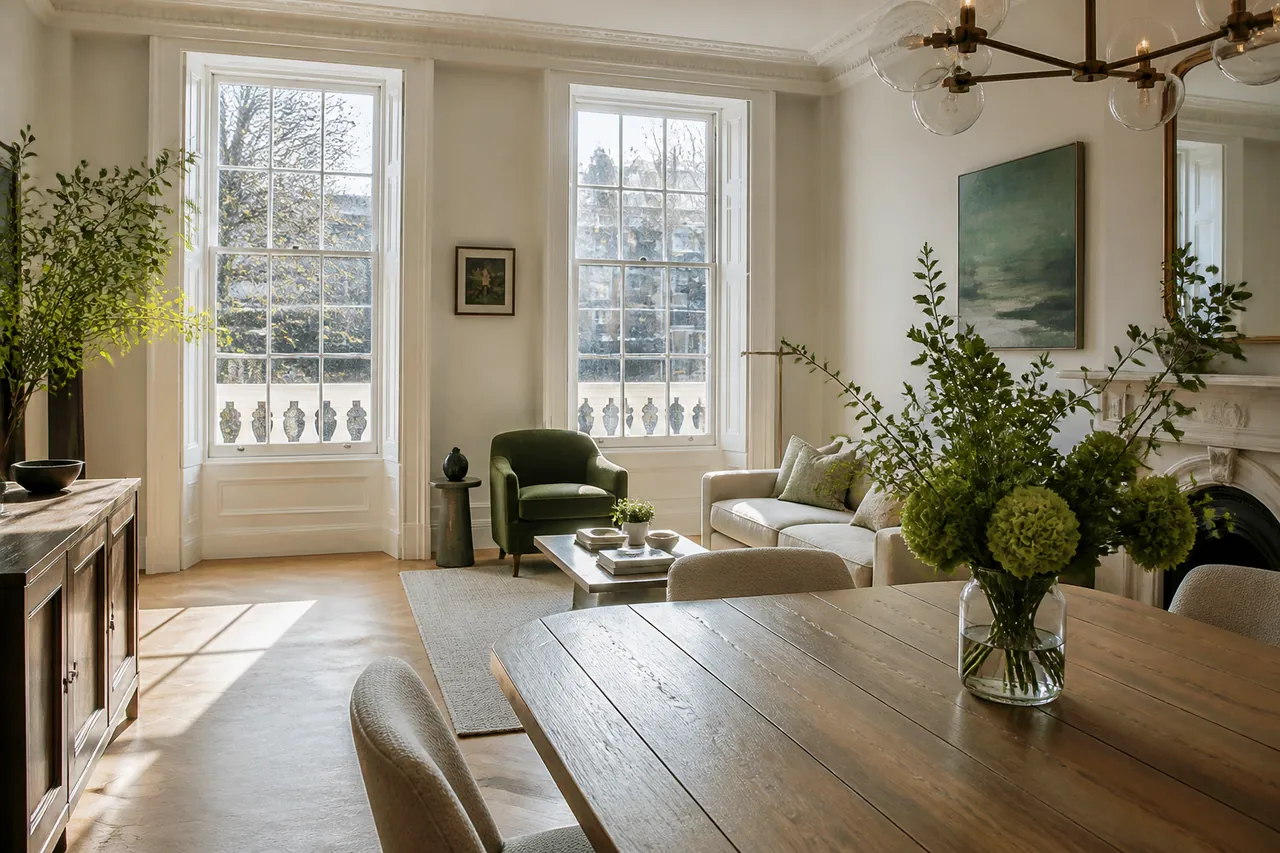
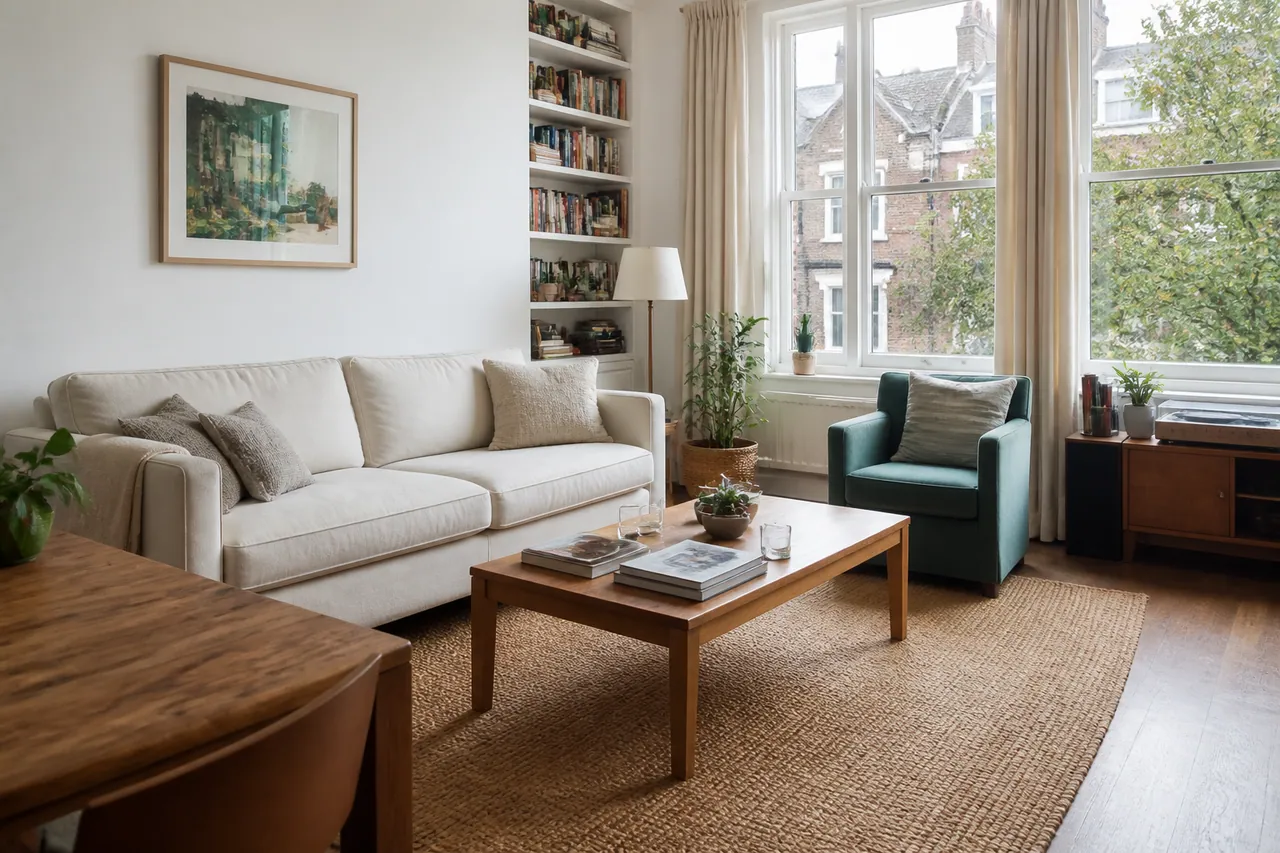
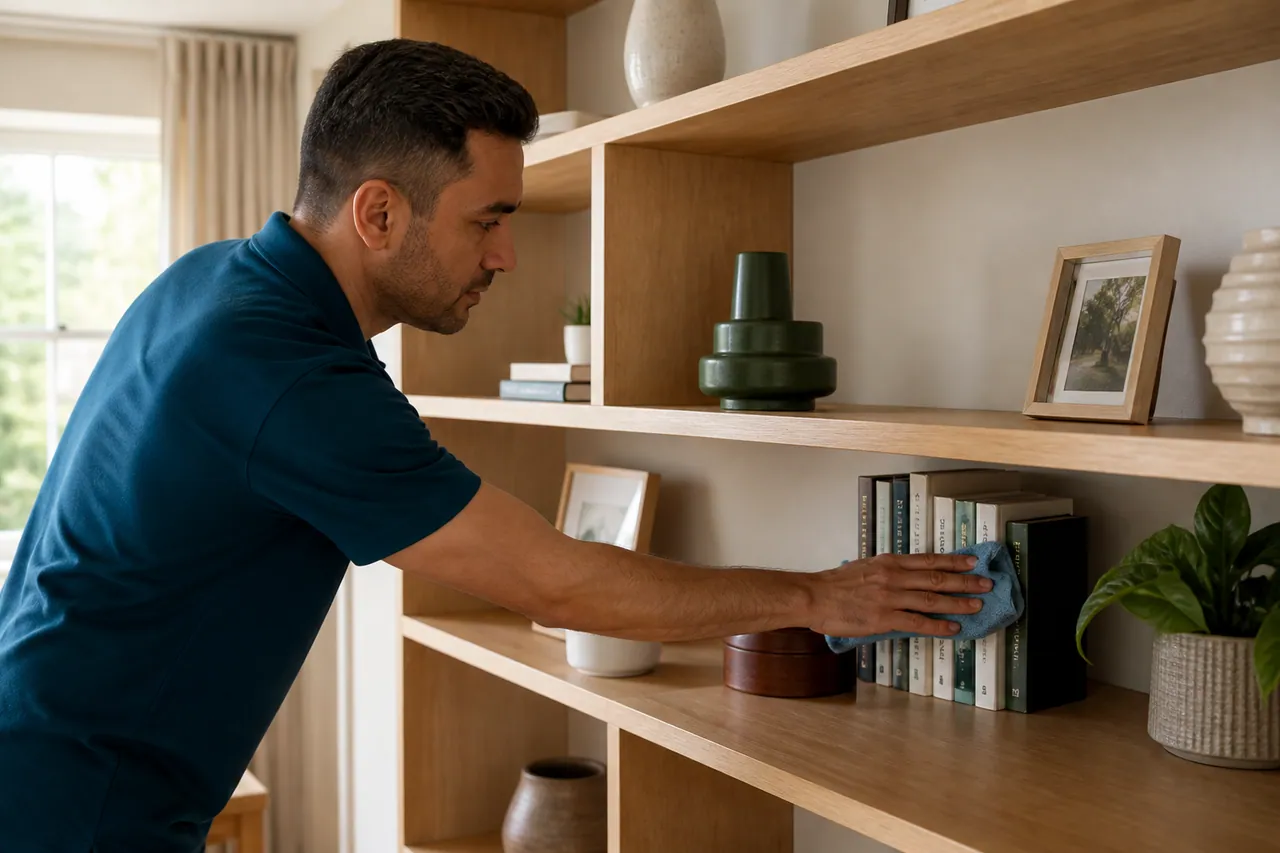
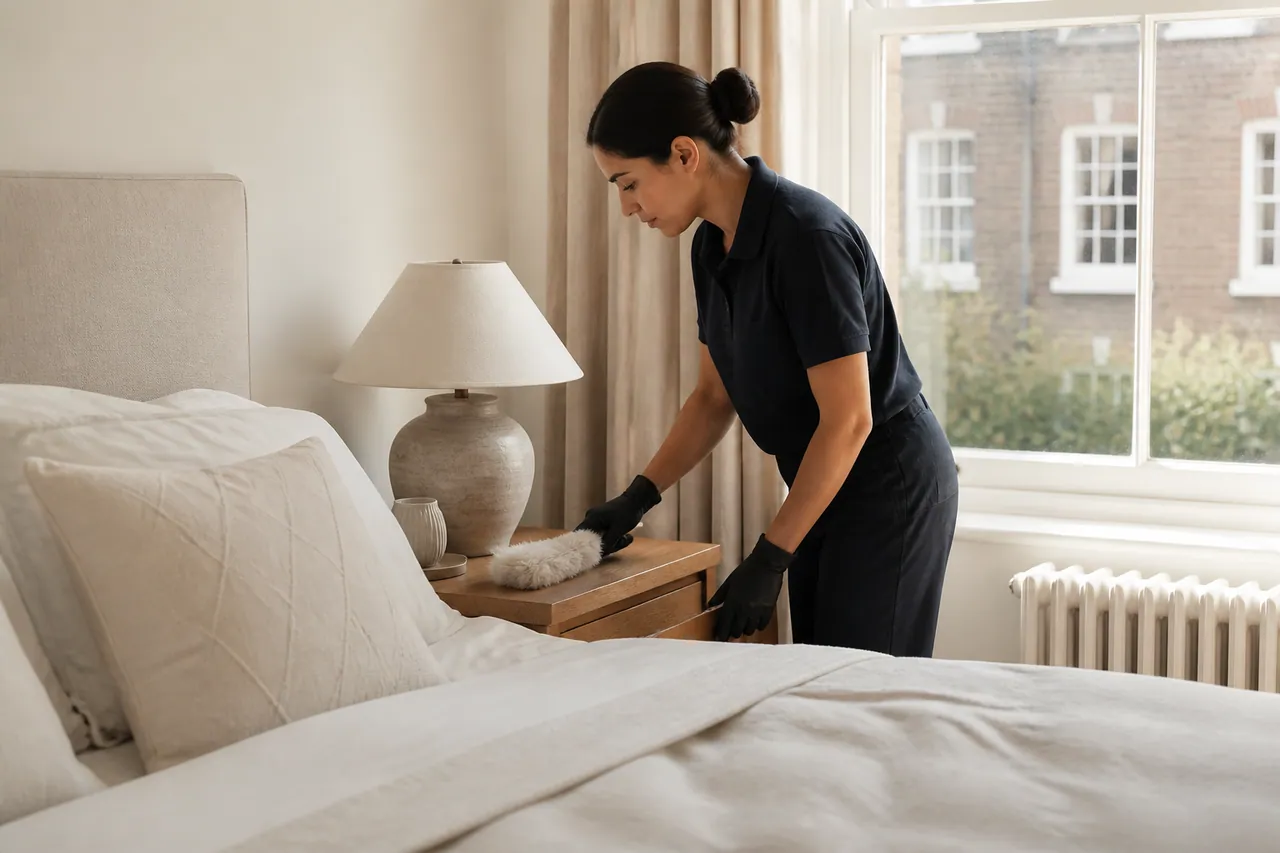
The images illustrate domestic interiors rather than individual customer visits.
USE CHANGES THE REQUIREMENT
Explain the counter and cabinet condition rather than relying on kitchen size.
Identify its fixtures independently from quieter facilities.
Choose only the detail it needs instead of automatic full inclusion.
Show accessible furniture and floor areas around its usual arrangement.
Explain the new use and the attention now wanted.
Keep that boundary clear while other rooms are considered.
LOOK AT EVERYDAY USE
DIFFERENT HOUSEHOLD HABITS
Describe your own use rather than choosing an automatic property package.
Cooking and sleeping share space but may need different surface attention.
A main bathroom can be busier than a second facility.
Explain which level holds the everyday rooms.
Leave occasional rooms out if they do not need attention.
Identify care restrictions in the busy areas.
Distinguish frequently used rooms from quieter spaces.
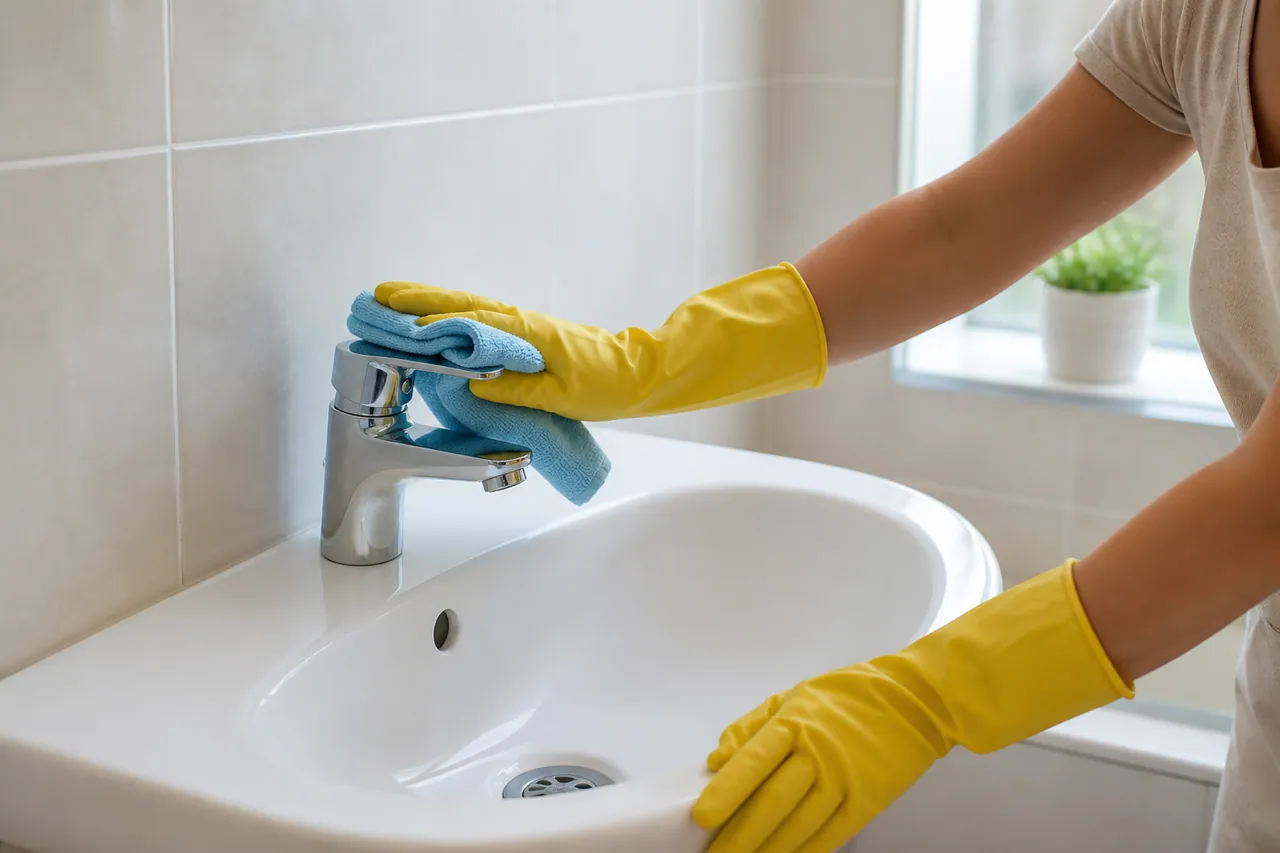
ORPINGTON / DAILY AND OCCASIONAL SPACES
For an Orpington enquiry, identify the rooms used every day and those entered occasionally. A kitchen used for regular cooking may need different attention from a spare bedroom. Explain the present condition rather than treating the house as uniform.
Keep the chosen rooms identifiableName exclusions and any periods when rooms remain occupied. This avoids assumptions about access to spaces outside your priorities.
Show the furnished arrangementPhotograph furniture in position and explain any restricted reach before requesting attention around it.
HOW THE ROOM IS USED
Describe condition and frequency of use without assuming the same tasks everywhere.
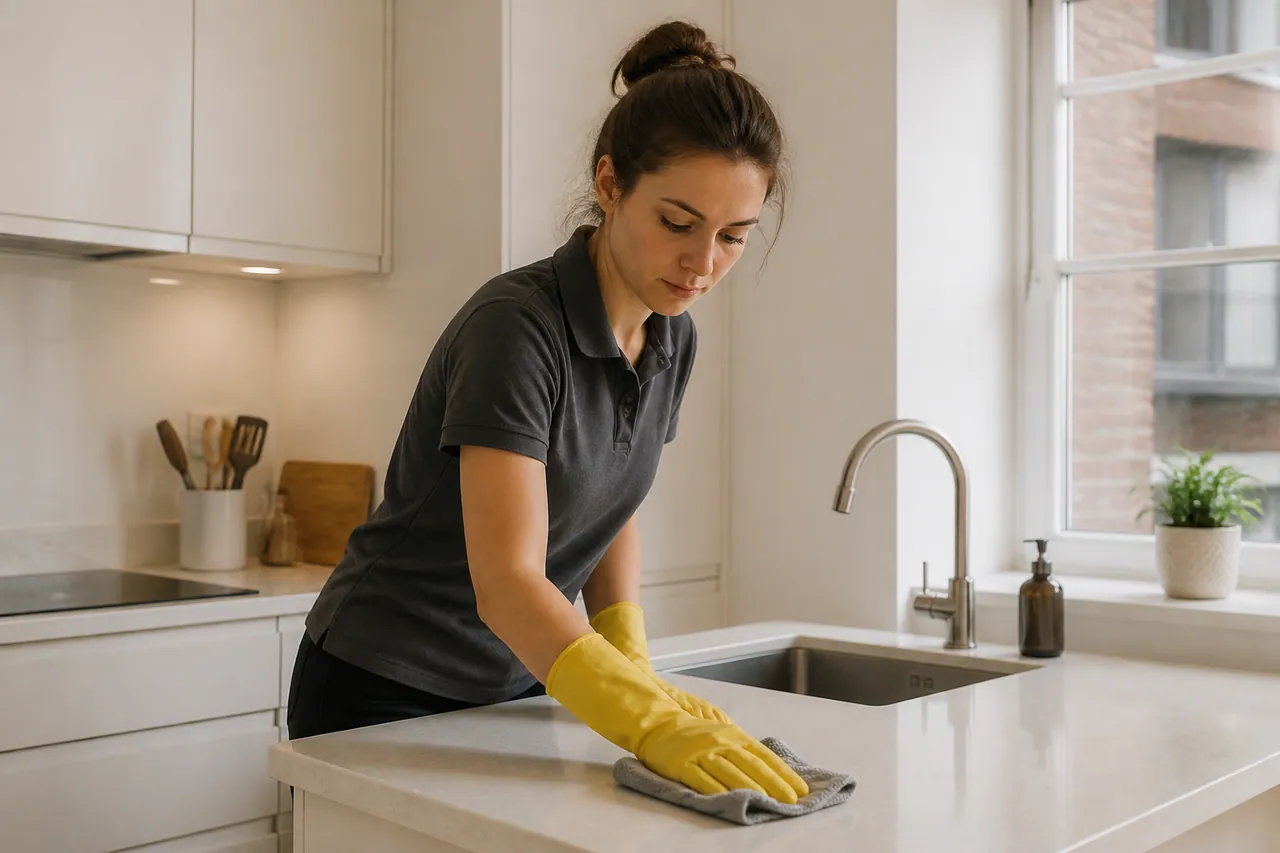
FREQUENT COOKING
Internal appliance treatment needs separate consideration.
FREQUENT WASHING
Mention existing deterioration as well as deposits.
FREQUENT RELAXING
Heavy moving and specialist fabric treatment are different requirements.
OCCASIONAL OR DAILY REST
A spare room can be excluded; personal storage and laundry are not automatically included.
FOLLOW EVERYDAY LIFE
Select a topic to explain the emphasis of your enquiry, not to choose a fixed package.
Explain where meals, washing and relaxing happen most often and show the surfaces affected by that use.
Photographs help distinguish a busy room from a lightly used one of similar size.
Describe the pattern of useA HOUSEHOLD-USE ENQUIRY
Name the most active spaces.
Make exclusions clear.
Show actual condition and furnishings.
Check accepted tasks and quotation.
Expose the surfaces before attendance.
CONDITION OVER TOTAL SIZE
The quotation should reflect selected attention rather than an automatic whole-property assumption.
| Room category | Detail to explain | Price basis |
|---|---|---|
| Daily-use rooms | Current condition and affected surfaces | Assessed individually |
| Occasional rooms | Selected attention or exclusion | Within the reviewed request |
| Specialist item | Particular treatment concern | Independent estimate |
Describe the rooms involved rather than assuming the whole property must be priced as included.
CHOOSE BY USE
DOMESTIC SURFACES
Show present condition rather than relying on frequency alone.
ADDITIONAL CONSIDERATIONS
These should stay clear beside the ordinary household list.
OBSERVE / SELECT / REVIEW
Different use can justify different attention within one property.
Identify what has accumulated in the busiest areas.
Clear the requested surfaces without emptying unused rooms.
Discuss the attention and limitations where it was requested.
ORPINGTON PROPERTY DETAILS
Send the postcode and preferred date when checking arrangements for your selected rooms.
Use the map alongside your property details.
Google is contacted after map activation.DAILY-USE QUESTIONS
Yes. Identify it as outside the request rather than assuming every room is included.
That helps context, but show the actual surface condition too.
Describe the difference in use and condition so the proposal can reflect it.
No. Name the selected spaces you want considered.
Show it in position and explain the reachable area.
Discuss their availability before confirmation rather than assuming a sequence.
Particular interiors need explicit acceptance and preparation.
Cleaning does not renew damaged finishes; disclose existing wear.
No. Any future visit or ongoing routine is arranged separately.
ORPINGTON / FOLLOW DAILY USE
Send photographs of the everyday areas and identify quieter spaces that can remain outside the request.
Call about your everyday roomsSend the room selection ↗