Breakfast becomes lunch
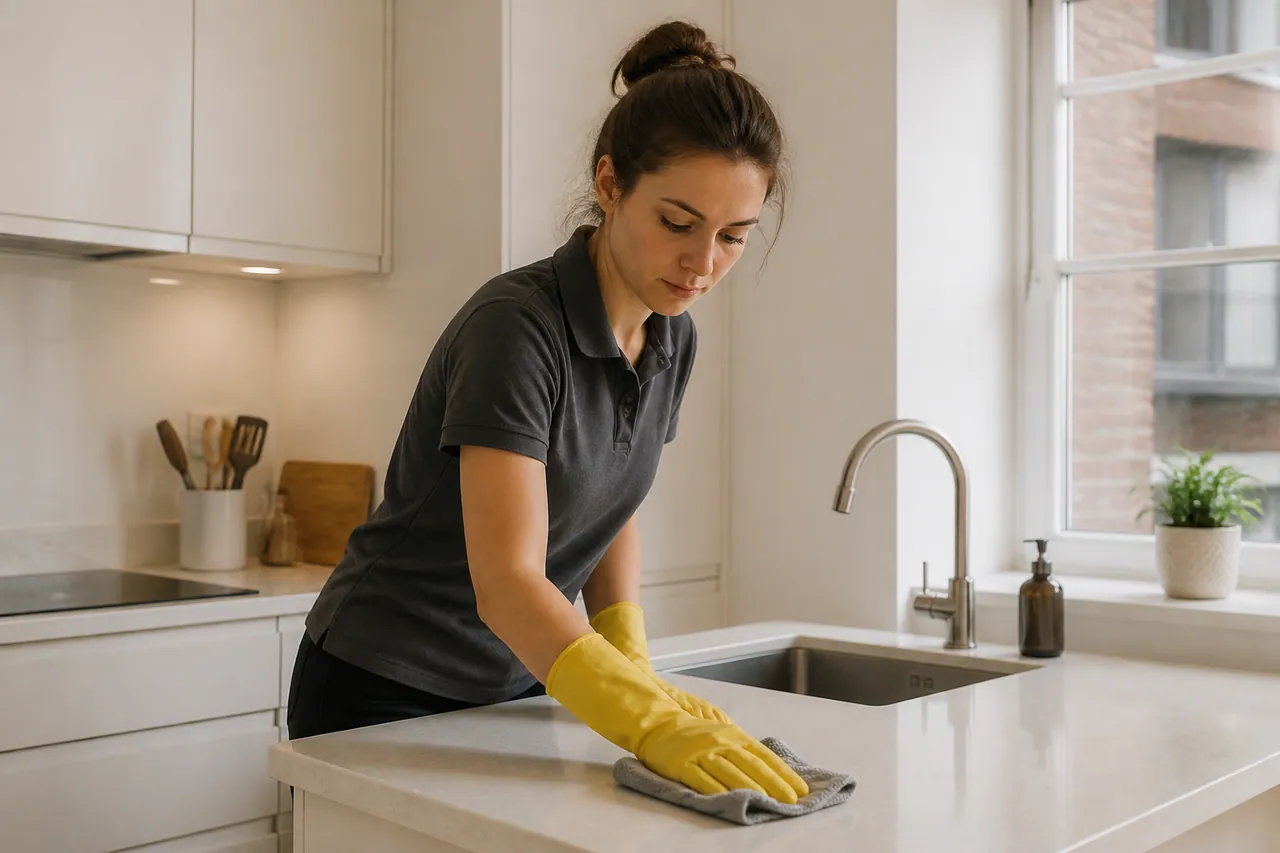
Crumbs, splashes and sticky patches build up around the same preparation space. Clearing food and utensils makes the actual worktop surface visible.
CHOOSE THE BOUNDARIES
Agree which spaces are shared and which stay private.
Explore communal-room priorities ↓These cleaning and interior images are illustrative, not photographs of customer appointments.
SMALL MESSES, SHARED ROOMS
Crumbs, splashes and sticky patches build up around the same preparation space. Clearing food and utensils makes the actual worktop surface visible.
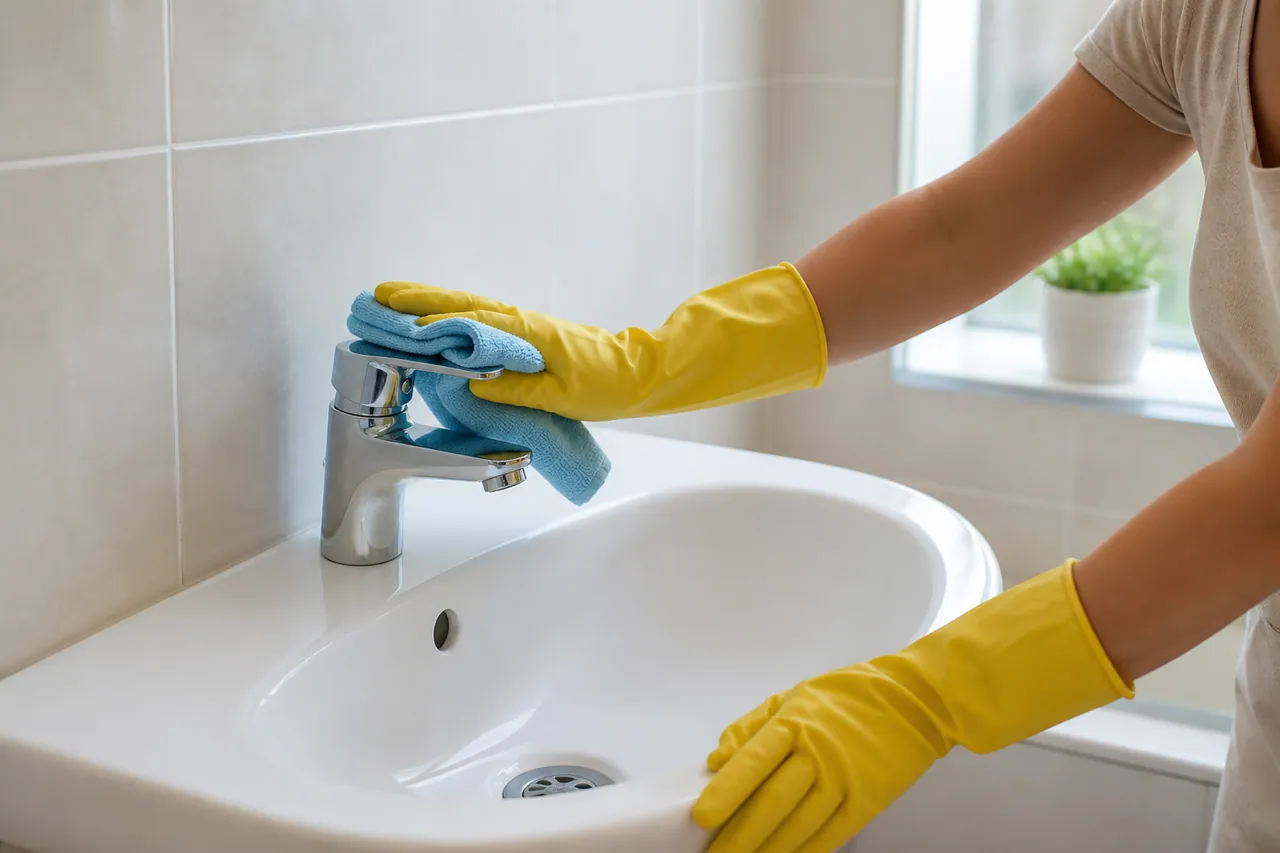
Water marks around the tap and residue at the sink edge are different from dishes waiting to be washed. Empty the basin before surface cleaning.
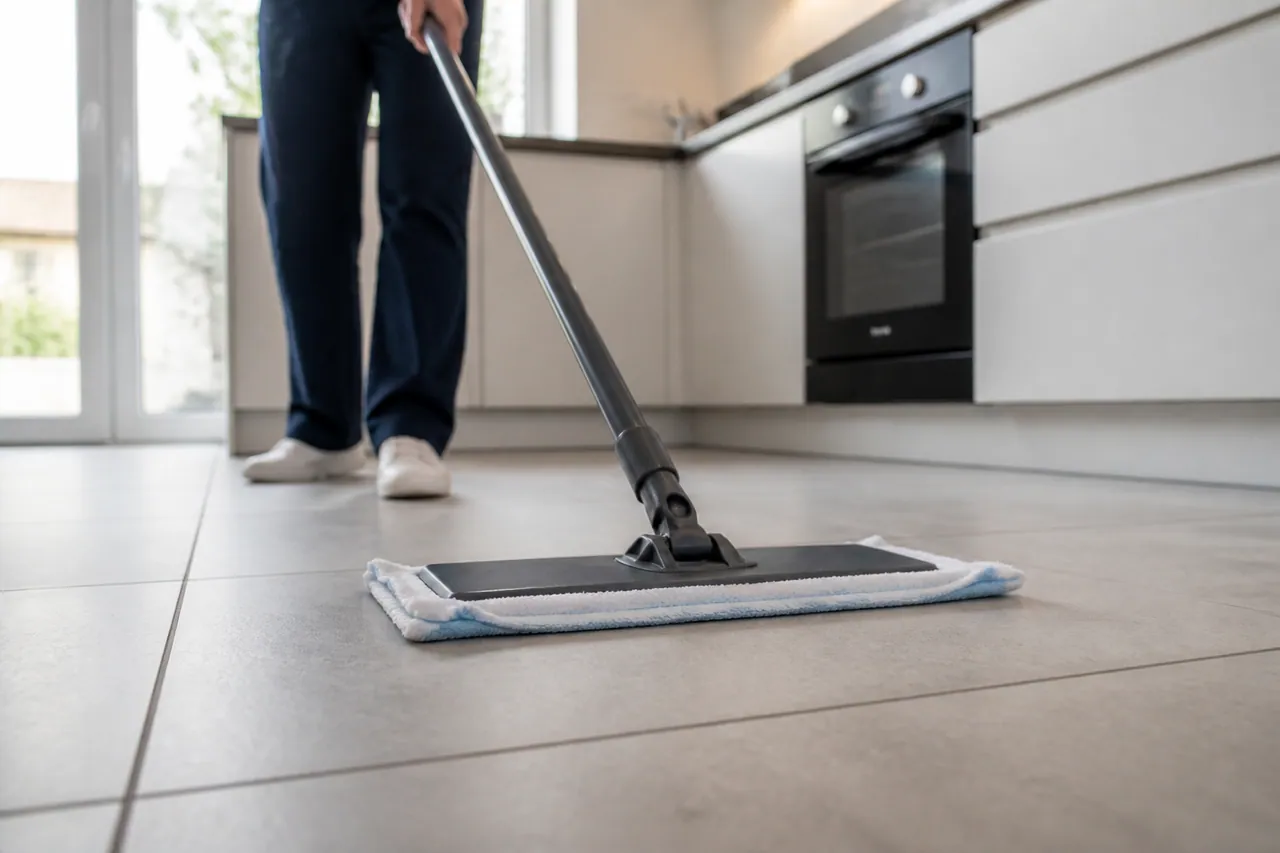
Food fragments can collect on the exposed floor around the seats. Loose belongings and charging leads need a home before that area is accessible.
A basin, toilet and shower used throughout the day deserve attention as fixtures, not just as a room on a list. Flag fragile fittings or persistent deposits.
Dining, studying and working leave different objects on one tabletop. Remove laptops, notebooks and personal papers rather than expect someone to sort them.
A communal refresh can stop at the shared-space boundary. There is no need to expose private belongings to address the kitchen and lounge.
DEFINE THE HOUSEHOLD REQUEST
COMMUNAL PRIORITIES
Choose the surfaces that matter to the household and explain their actual condition.
ITEMS TO CLARIFY
Confirm who can approve a change before the appointment so extra requests do not create confusion.
BRING THE HOUSEHOLD LIST TOGETHER
Use a prompt to prepare your enquiry. The choices describe priorities, not a reserved appointment or automatic price.
Collect the household’s main kitchen concerns into one list. Identify preparation tops, sink fittings and cabinet exteriors without including every stored item.
Send the agreed room list with condition photographs, the full postcode and a preferred date.
Discuss the common-area requestPRICE THE COMMON-AREA REQUEST
A small shared kitchen can need more detailed attention than a larger, lightly used lounge. Surface condition matters alongside the selection of communal rooms; bedroom count alone does not describe this request.
| Selection | Useful information | Pricing approach |
|---|---|---|
| Communal areas | The agreed household priorities and current condition | Assessed scope |
| Extra private room | Occupant preparation and the requested surfaces | Revised proposal if added |
| Specialist work | Material or appliance details and the concern | Separate assessment |
Emptying the whole fridge, treating the sofa fabric or opening up private bedrooms changes the nature of a communal-surface request. Keep those additions separate when reviewing the proposal.
KEEP THE REQUEST ROOM-SPECIFIC
Select the relevant room tasks below. The confirmed proposal identifies the included surfaces and suitable methods rather than treating all areas as compulsory.
THE SHARED COOKING AREA
Personal food storage and appliance interiors need separate clarification. Detailed oven cleaning is a specialist request.
COMMUNAL WASHING SPACE
Identify product restrictions and existing damage. Suitable cleaning cannot repair failed seals or worn finishes.
THE COMMON SITTING AREA
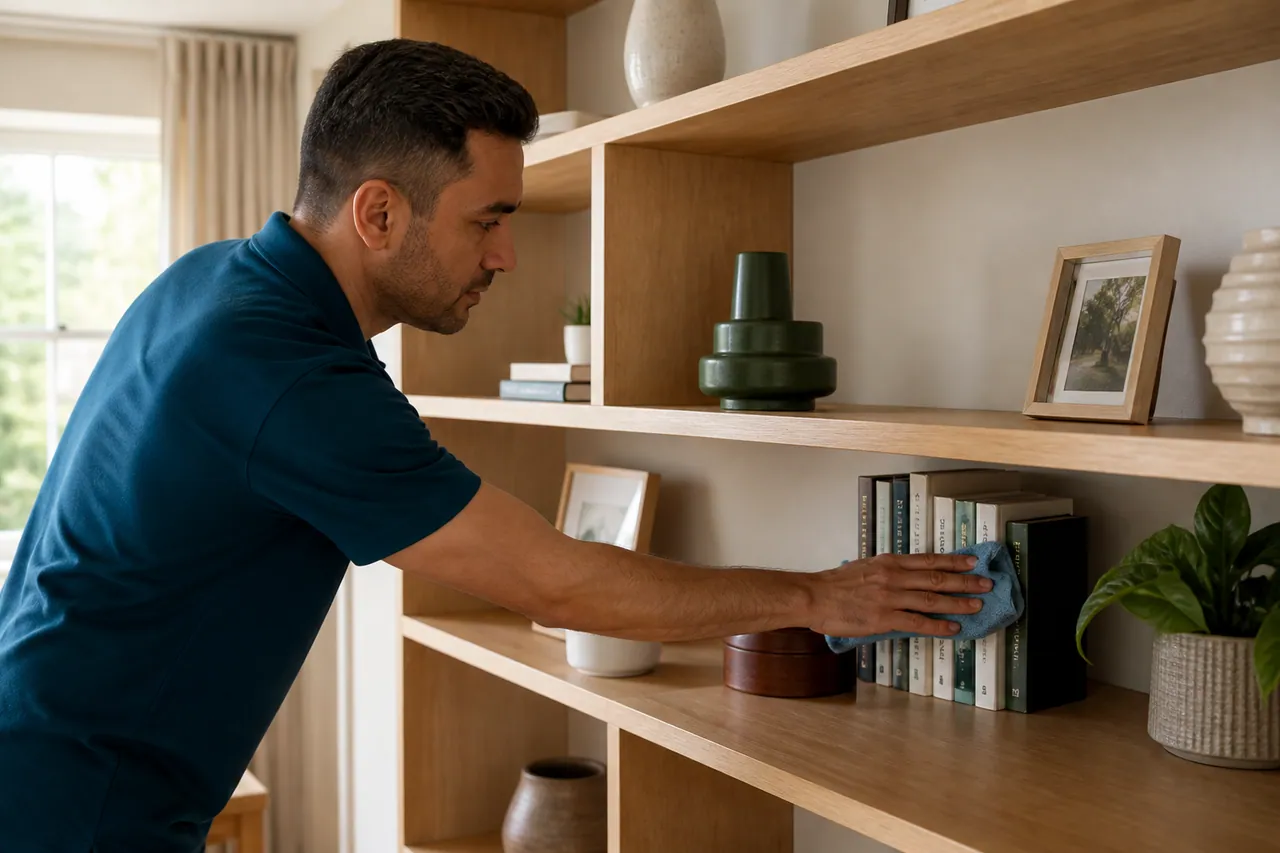
Secure devices and cables beforehand. Fabric treatment and moving substantial furniture are not assumed within ordinary surface attention.
ONLY IF YOU CHOOSE THEM
If a bedroom is excluded, keep that boundary clear. If included, its occupant should prepare private belongings rather than expect them to be sorted.
SOUTHFIELDS / EVERYDAY SHARED LIVING
Think about the common areas at your Southfields address at the end of an ordinary day. A cooking surface may carry food residue, a bathroom may show splashes, and the lounge floor may collect crumbs. These visible differences are more useful than describing the whole home as simply dirty.
Separate dishes from the surface belowWash and put away household dishes before the kitchen work you want assessed. Food, utensils and countertop appliances can otherwise hide the worktop edge and sink surround.
Leave private decisions with the householdPut personal items away from communal furniture. Closed bedroom doors and clearly identified exclusions let the cleaning request stay focused without anyone sorting another person’s possessions.
AFTER AN ORDINARY SHARED DAY
One mug on the table or a few crumbs by a chair may seem minor. Across frequently used surfaces, those everyday traces can make the communal area feel overdue for attention.
Move food and utensils to reveal the preparation top and sink edges. Do not empty another occupant’s food storage without their agreement.
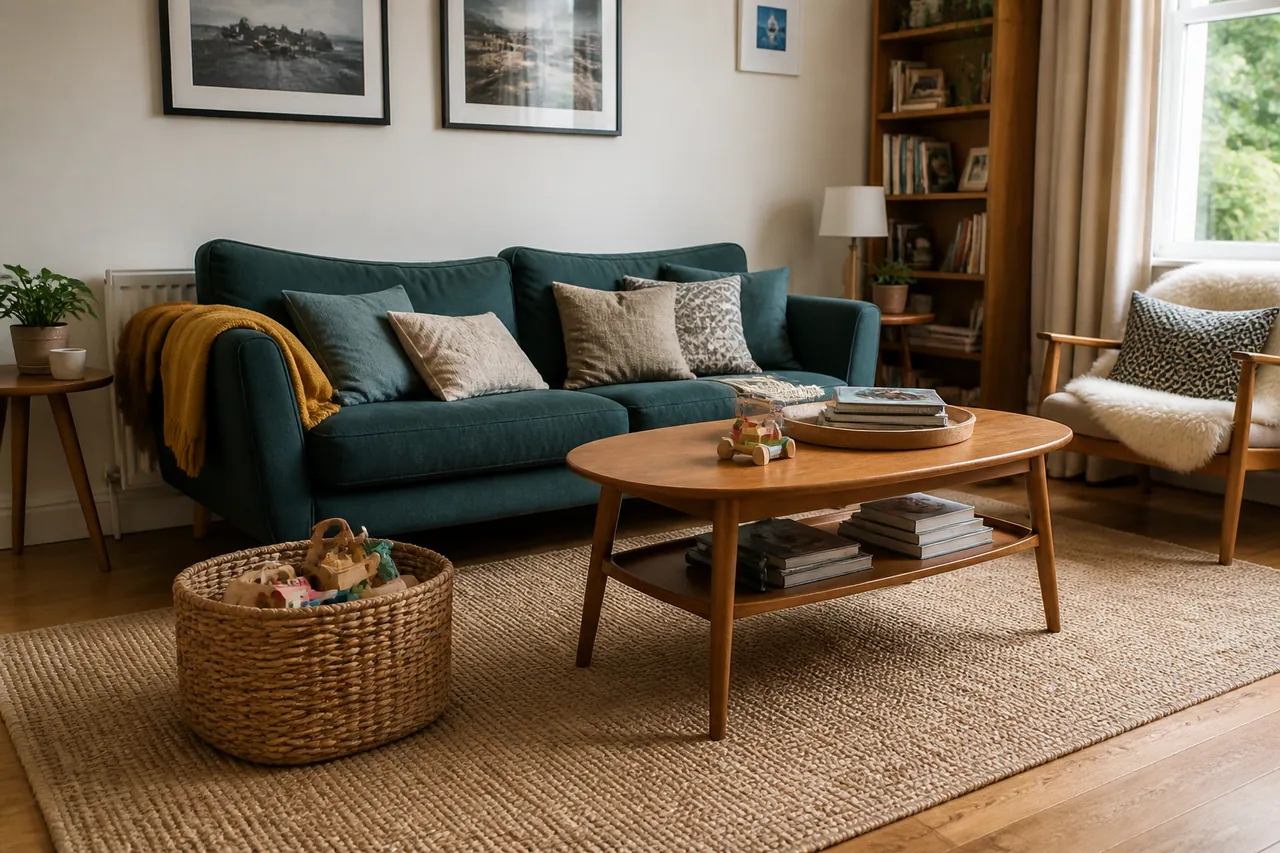
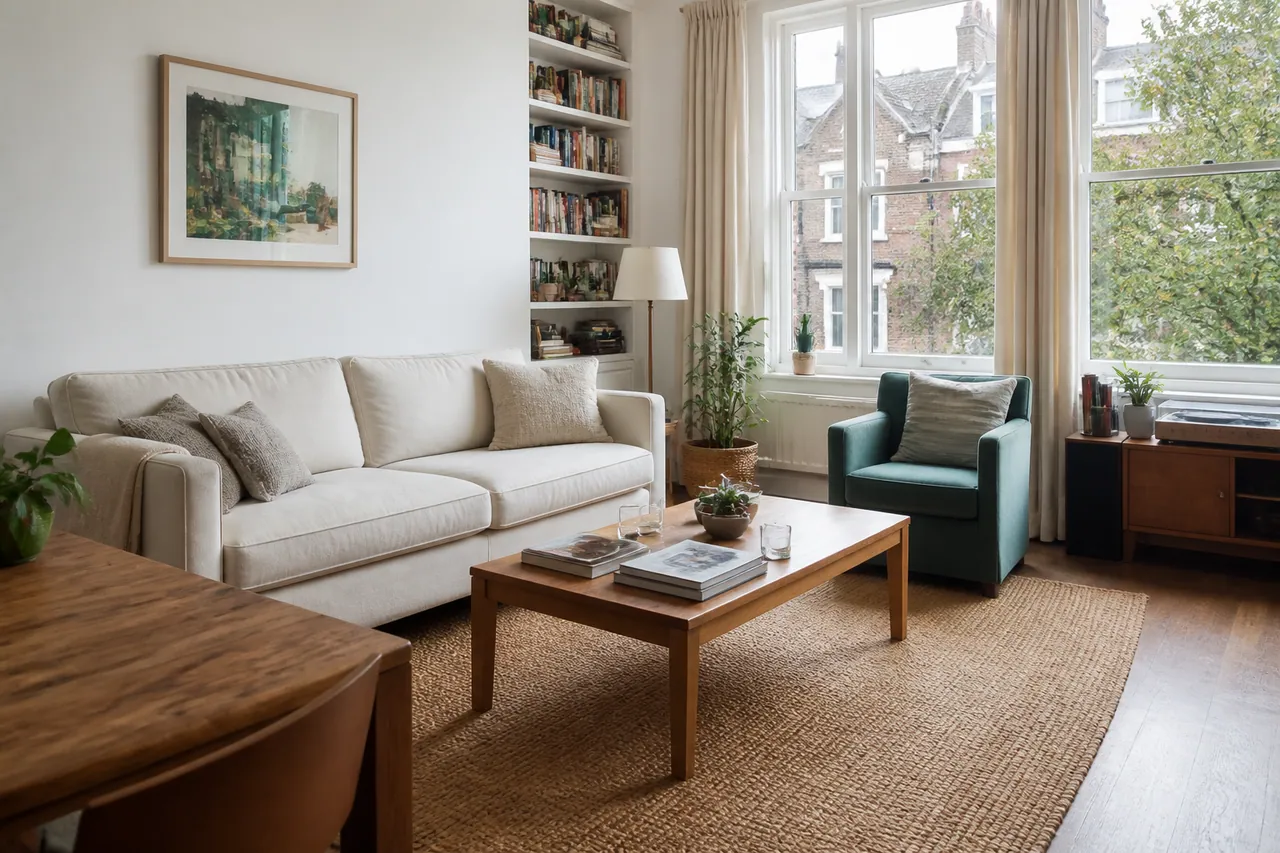
Shoes, bags and charging cables can conceal the floor beside the sofa. Furniture lifting and fabric cleaning remain separate questions.
Describe deposits or marks around fixtures, but also mention chipped surfaces or failing seals. Cleaning cannot restore a damaged finish.
HOW THE COMMON ROOMS WORK
Households do not all share space in the same way. Describe the arrangement you actually have in Southfields; these examples are prompts, not assumptions about local properties.
Food preparation may be close to the sofa. Identify the worktop finish and the exposed flooring rather than treating both zones as one surface.
The cooker-side counter, sink and cupboard fronts can need different attention. Appliance interiors are not implied by a kitchen request.
Explain whether the bath, shower or both need attention. Existing seal damage and worn finishes are not cleaning tasks.
Remove study materials and work devices. A cleared dining table is different from an occupied desk with private paperwork.
Focus on accessible furniture exteriors, shelving and the floor. Sofa fabric treatment is separate from ordinary communal-room cleaning.
The hallway may connect bedroom doors to the kitchen and bathroom. Decide whether that connecting floor belongs with the shared-room request.
EVERYDAY TRACES IN COMMON ROOMS
ORGANISING A SHARED-SPACE VISIT
Identify the kitchen, bathroom and social spaces requiring attention.
Resolve differing requests before sending the enquiry.
Add photographs, the postcode and practical entry details.
Confirm inclusions, availability and price through the agreed contact.
Secure personal belongings beforehand, then check the requested tasks after the work.
SOUTHFIELDS ENQUIRIES
Provide the full postcode and identify who will give access when asking about availability for the shared rooms.
Use the optional area view to support your address details.
Loading the map connects your browser to Google.SHARING THE ROOMS, NOT EVERY TASK
Put away dishes, food and utensils so the surfaces beneath them are exposed. Do not assume a kitchen-surface request includes washing the household’s accumulated dishes.
They are distinct tasks. Explain residue around the sink and tap separately from baked-on material inside an oven; dedicated oven work needs its own discussion.
Furniture exteriors and exposed floor are different from textile treatment. If the concern is a stained cushion or upholstered seat, describe that item through the appropriate specialist enquiry.
Let their owner put notebooks, laptops and loose papers away. Cleaning an available tabletop does not involve deciding how to file, stack or discard private material.
Yes. Name the communal spaces and make the private-room boundary clear. A bedroom does not become part of the request merely because its door opens onto the hallway.
No. A deposit can sometimes resemble damage, while worn coatings or failed seals need maintenance rather than cleaning. Provide clear photographs and any material information you have.
Agree a period when the relevant surfaces and floor are available. Equipment, calls and people occupying the room can limit what is reachable; uninterrupted use should not be assumed.
Choose a household contact and settle essential tasks together. Optional additions can then be considered consistently instead of separate occupants changing the work independently.
It does not replace everyday washing up, putting food away or wiping fresh spills. A recurring domestic-cleaning arrangement can be discussed separately if the household wants continuing support.
SOUTHFIELDS / START WITH THE COMMON ROOMS
Tell us which spaces are included, which remain private and who will be the contact. Add photographs and the postcode to discuss a focused visit.
Call 020 3608 3976Enquire about shared-space cleaning ↗