
Yes. Include the gate or bell instructions and the best number to ring if the entrance cannot be found.
MAKE THE APPOINTMENT EASY TO ENTER
Electrician Services in Barnes
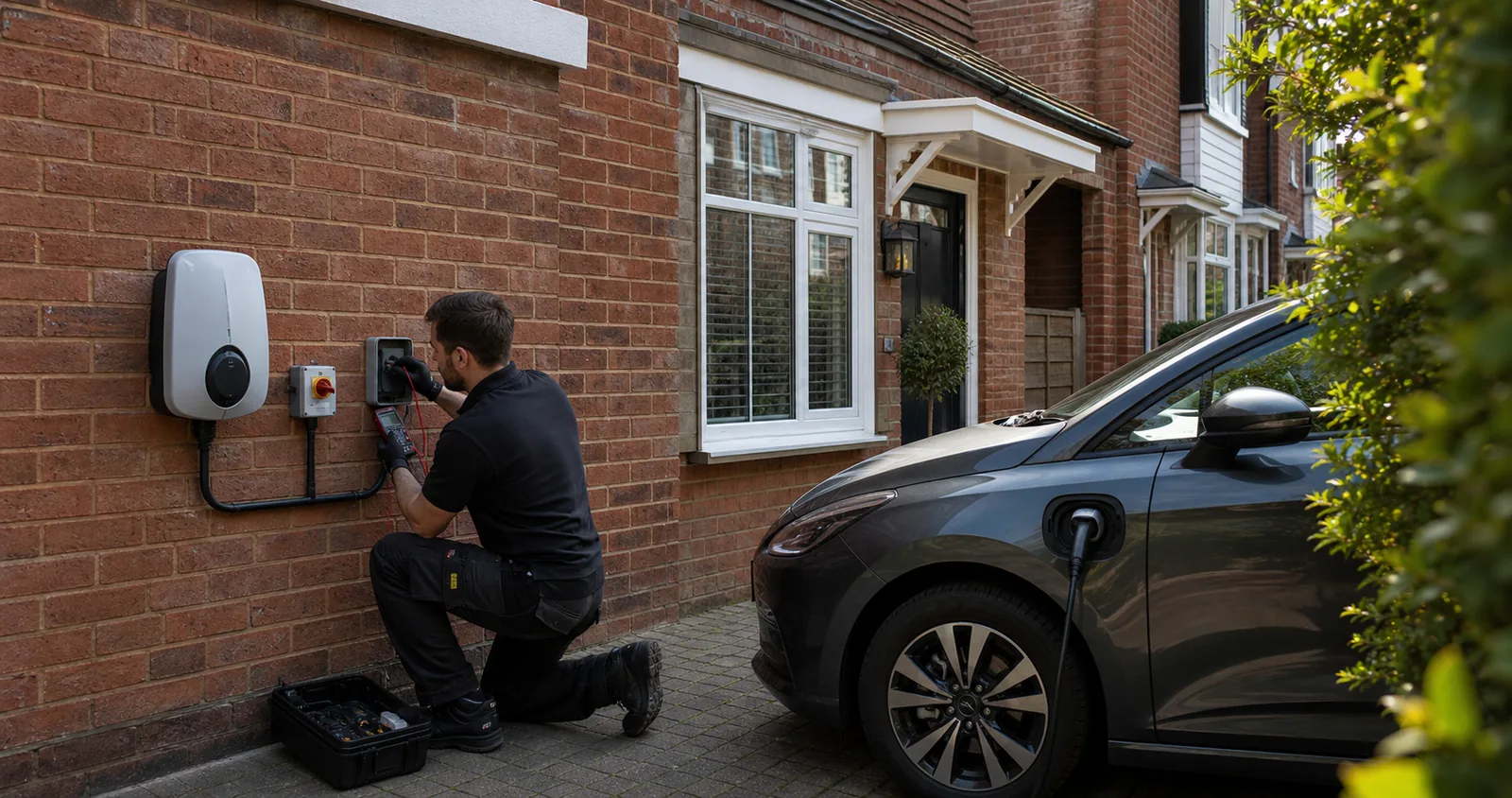
Before an electrician can examine the problem, they have to reach the right door with the equipment they need. For a Barnes booking, describe the last practical part of the journey: where a vehicle may stop, which bell to use and whether the entrance is through a gate, reception or shared hallway. Indoors, point out the consumer unit and the room where the change was noticed. Explain the event in everyday language, including what continued to work. Resist the urge to remove a faceplate or keep resetting a device for confirmation. The electrician can then inspect safely, take appropriate readings and explain what those findings mean. If further work is proposed, it should have its own agreed extent rather than being assumed at the outset.
- Describe the final approach to the correct entrance
- Say exactly what the household experienced
- Arrange keys that are held by somebody else
- Agree new work only after the findings are clear
NeedFault · Repair · Installation · Upgrade
AreaLighting · Sockets · Circuit · Consumer unit
PropertyFlat · House · Managed property
Next stepAssessment · Planned work
Arrival detailThe correct doorway is unambiguous
Reported evidenceThe event is described without guesswork
Room preparationSafe working space is available
Approval pointLater choices are written down
Barnes property context
Two routes matter at a Barnes property: entry and electrical access
The address is only part of the arrival plan. A house may be set behind a gate, while a flat may have a porter, a communal lobby or a meter cabinet controlled by a managing agent. A garden room can add another locked door and a stretch of outdoor access. Tell the electrician which of these arrangements applies, where tools can be unloaded and whom to call if nobody answers the main bell. Once inside, explain how to reach both the distribution board and the reported problem. If furniture, fitted cupboards or stored belongings surround either point, discuss what can reasonably be cleared. It is also worth flagging school runs, remote meetings, care arrangements or equipment that should not lose power unexpectedly. None of this decides the electrical diagnosis. It simply protects useful time for inspection and makes any necessary interruption easier to organise.
| Property situation | Electrical consideration | Effect on the visit |
|---|---|---|
| House reached by a set-back entrance | The front door may not be visible from the street | Share the gate instructions and identify a lawful unloading point |
| Apartment with managed common areas | Building staff may control parts of the route but not the dwelling | Book the visitor in and confirm who can open the meter cabinet |
| Separate office or garden room | The affected space may lie beyond the main house | Clear a dry path and make the outbuilding available at the agreed time |
| Property occupied by more than one household | Consent for one area does not automatically cover another | Identify whose rooms and electrical equipment may be entered |
A quotation needs a defined scope
What can change the price in Barnes
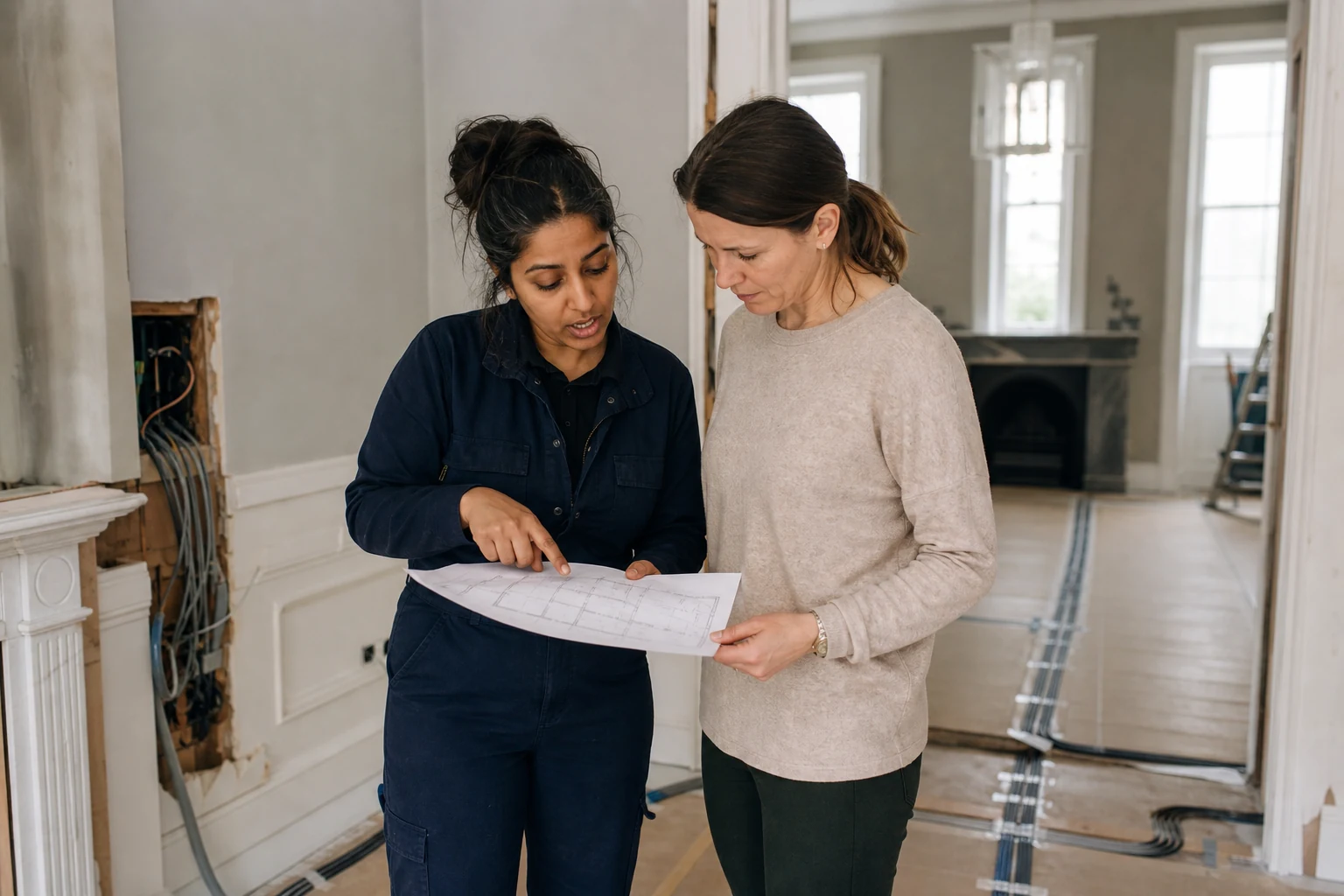
The quotation should show assumptions and exclusions alongside the proposed electrical task. The Barnes property details provide the comparison point.
| Factor | Why it changes the work | Useful evidence |
|---|---|---|
| Final approach | Affects arrival, unloading and the equipment that can be carried in one trip | Parking limits, gate code, bell name and distance from the kerb |
| Permission chain | Defines which spaces are available during the appointment | Who owns the flat, who occupies it and who holds shared keys |
| Quality of the account | Helps direct the opening checks without pretending to diagnose remotely | Rooms involved, order of events and unaffected equipment |
| Physical clearance | Can change preparation and the amount of usable working time | Cupboards, heavy furniture and fragile decoration near the work |
| Interruption window | Guides when isolation can be carried out with least difficulty | Occupancy timetable and appliances that need continuity |
Choose by the work required
Electrical service routes for Barnes
Treat each service as a boundary: its suitability follows the installation and the evidence available. Apply that distinction to the Barnes address.
| Problem or requirement | Relevant service | Important boundary |
|---|---|---|
| Loss of power, repeated tripping or behaviour that has no confirmed cause | Electrical fault investigation | The initial task is to locate and characterise the fault; remedial work follows a separate informed decision. |
| A worn accessory or a plan to add or relocate an outlet | Switch and socket installation | Position, intended load and the circuit serving the point are considered before the installation is settled. |
| A defective lamp fitting or a replacement that needs professional installation | Light fitting repair and installation | The weight, controls and existing ceiling connection all influence what can be fitted safely. |
| Uncertainty about the consumer unit or the protection it provides | Distribution board assessment | Condition and installation details have to be examined before replacement can be responsibly recommended. |
| A practical list covering checks, small repairs and potential alterations | General electrician appointment | The visit brief can include several items, while discoveries outside it require fresh explanation and approval. |
Before the visit
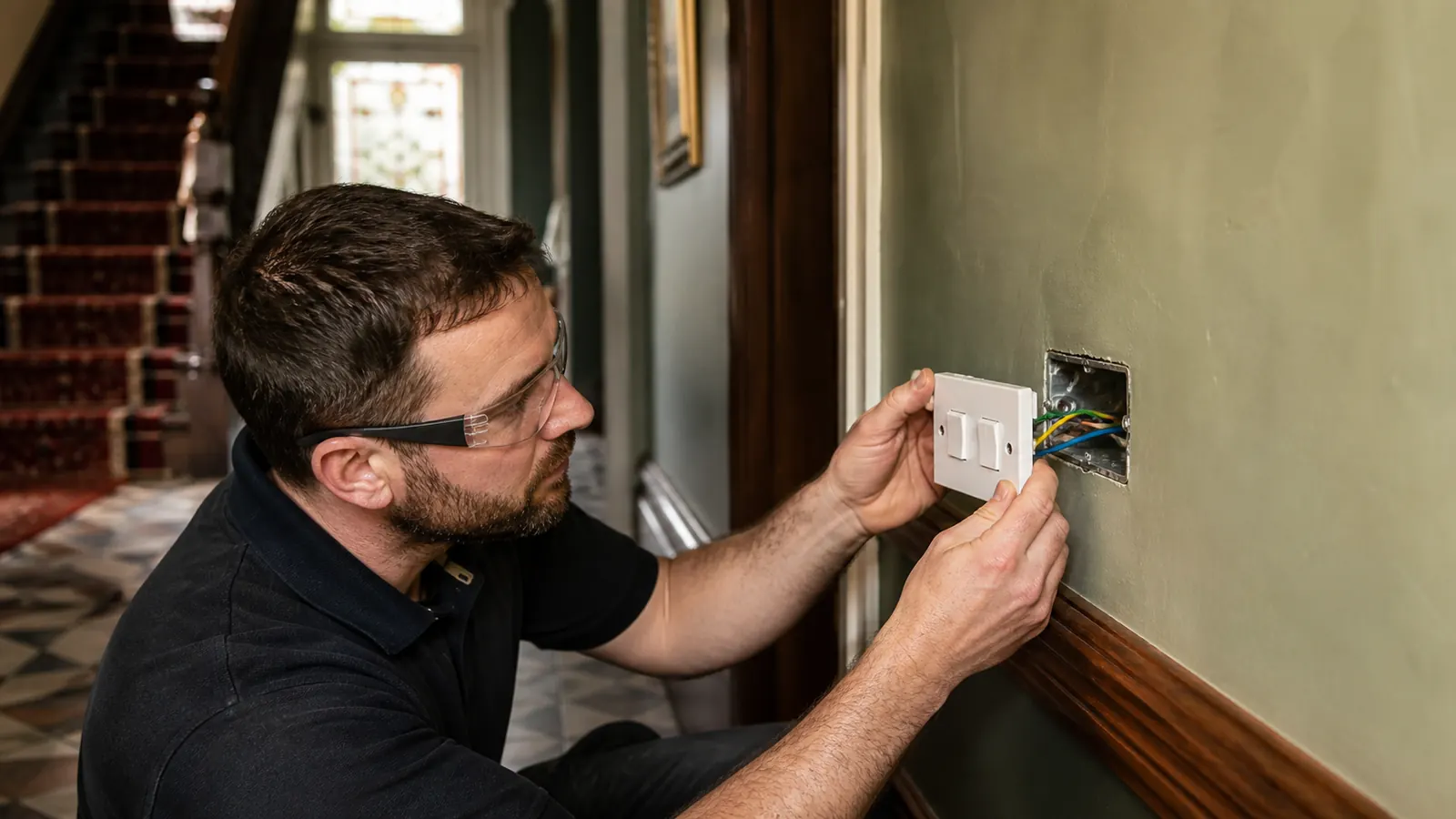
Gather records and arrange entry in Barnes
- Send the flat number, bell name and best telephone contact
- Explain where unloading is permitted near the entrance
- Secure permission for any gate, riser or communal cabinet
- Write down the sequence of events while it is still fresh
- Make both the consumer unit and affected point easy to approach
- Gather relevant certificates already kept with the property records
- Flag anything in the household that relies on uninterrupted power
Fault notes before diagnosis
Describe what changes in Barnes
Note changes across time, rooms and normal use so the electrician can select relevant checks. For Barnes, keep the account factual.
| Symptom | Appropriate next step | Why assessment matters |
|---|---|---|
| Several lights pulse or become noticeably dimmer | Note the rooms and anything that had just been switched on | The number of fittings involved and their timing shape the investigation |
| A socket has moved, cracked or begun making a sound | Keep the outlet unused and avoid pressing it back into place | Visible damage may not show the condition of the connections behind it |
| Power disappears from an outside room | Leave fixed equipment closed and provide safe access to both buildings | The route and environmental exposure need to be understood on site |
| The same protective switch operates again | List the items in use beforehand and stop trying to reproduce it | A recurring trip needs evidence rather than repeated trial resets |
Brief answers for property preparation
Before electrical work is booked in Barnes
Speak to the person or company that manages the cabinet and have access agreed before the appointment.
They are useful if taken from a safe position with every cover left in place. Avoid touching damaged equipment.
No. Report the trip and what was running at the time, then leave the device alone until you receive advice.
Yes, provided someone has authorised entry and can open it without interfering with another occupier’s belongings.
Give it as background, together with the date and rooms involved. Do not present it as the proven reason for the fault.
Some testing may require it. Discuss household priorities so any shut-off can be planned sensibly.
Only when it is expressly included. Ask what protection, opening and decorative repair the proposal actually covers.
Safety boundary
Do not turn a warning sign into a DIY test
For a Barnes address: If an accessory is hot, damaged or arcing, leave it alone and keep others away. Repeatedly resetting a breaker or RCD does not establish the cause; the relevant circuit may require assessment.
Barnes electrical FAQ
What residents often need to establish first in Barnes
What information makes a first enquiry complete?
Give the Barnes address, precise entrance instructions, a factual description of the concern and the location of the consumer unit.
How should a managed entrance be handled?
Tell the electrician before arrival and nominate somebody who can speak to the building manager if entry fails.
Why does it matter where the electrical equipment sits?
Access rights and responsibility can differ between the home, shared areas and equipment serving several occupiers.
How do I report a partial loss of power?
State what happened to each area and when. A difference between rooms is useful evidence, not a diagnosis by itself.
What is the safe response to a broken socket?
Keep it out of use, prevent accidental contact and describe the damage when arranging professional attention.
Does the initial booking guarantee a same-visit repair?
Usually not. Inspection can uncover a different extent of work from the one suggested by the first symptoms.
Are certificates from previous work worth finding?
Share existing paperwork because it may help explain the installation history, but current findings remain decisive.
What if a cable route crosses another occupier’s area?
Arrange authority for the shared area first. The visit should not depend on opening somebody else’s space without consent.
How is an inaccessible area reflected in the findings?
Ask the electrician to record what was unavailable and how that restriction narrows the conclusion or proposed next step.
What should happen when the scope needs to grow?
Request a written description of the discovery, the extra work, the likely disturbance and the revised cost before proceeding.
Neighbouring service information
Electrical coverage around Barnes
Bring useful evidence to the electrical conversation
Give the visit a clear way in
Send the Barnes entrance details and your unembellished account of the electrical problem. The appointment can then focus on safe access, evidence and a properly defined next step.
