
Ground floor
Show steps, gates and the distance from door to vehicle.
Collection planning · Dagenham
Describe the material, show the full load and explain the route from item to vehicle. Those facts are checked before collection scope or timing is agreed.
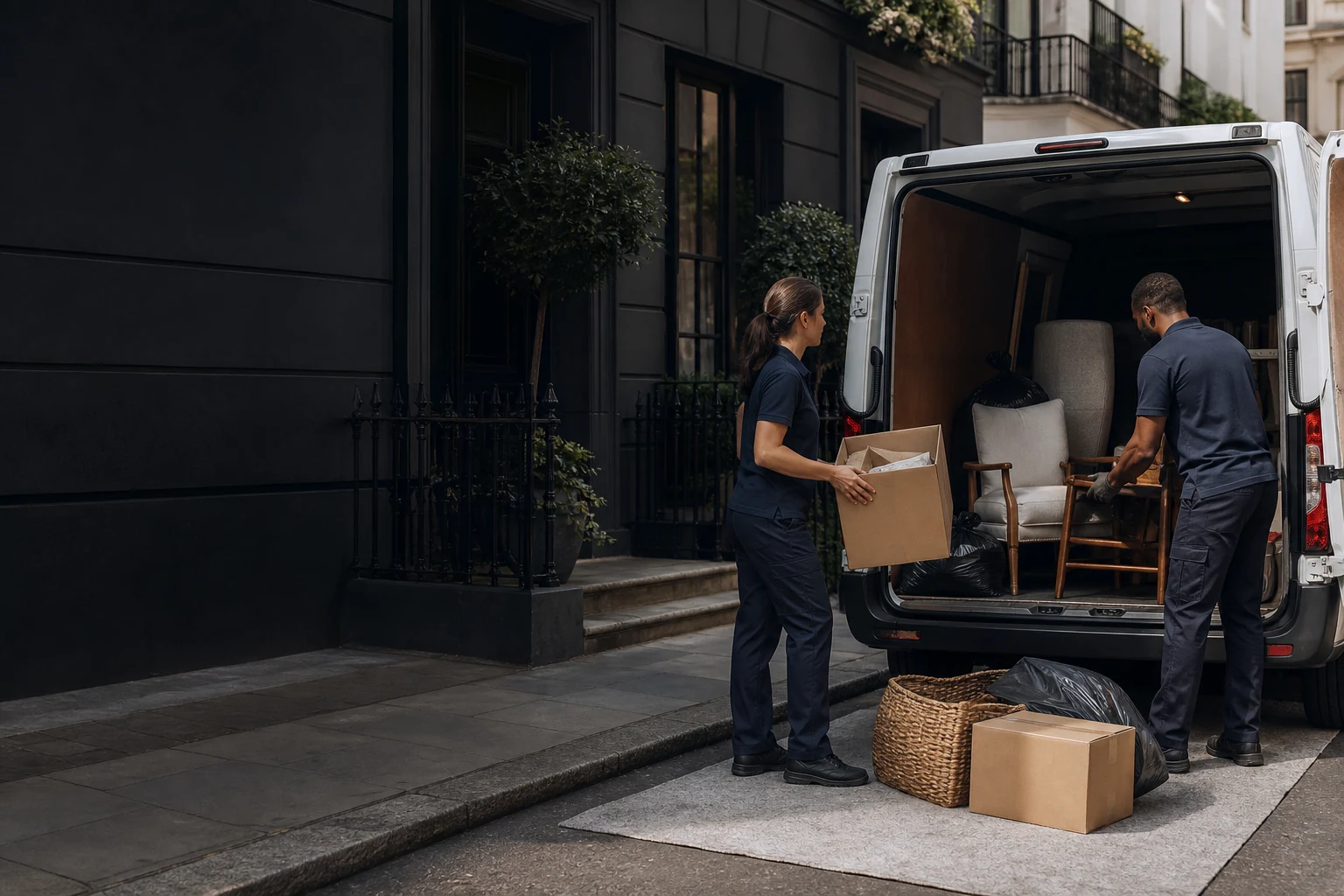
Access changes the work For the wider booking boundaries, review Alesta's main waste removal service.
Show steps, gates and the distance from door to vehicle.
State the floor, stair turns and shared areas.
Confirm the working size and any booking rule.
Photograph gates, alleys and surface changes.
Use current signs or authority information.
Supply dimensions before dismantling is considered.
Property context in Dagenham Bulky household pieces can be assessed separately through the bulky furniture disposal.
A Dagenham request becomes easier to assess when every storage point is listed in the order the crew will encounter it. Start with the outside approach, then name the rooms, cupboards, garage or garden areas that genuinely form part of the booking. For each point, state the level and the nearest usable exit. This prevents a convenient front-room photograph from disguising additional carrying work elsewhere at the address.
The second part of the brief should explain constraints rather than simply calling access good or difficult. Photograph narrow thresholds, steps, uneven paths and the proposed place for the vehicle. Measure large pieces against the openings they must pass. If a gate is locked, another resident shares the route or parking is uncertain, record that fact directly. Whole-load images, close views of heavy contents and a bag count then allow the declared items to be considered alongside the actual movement required.
Identify the material Declared renovation material should follow the separate renovation waste collection rather than an ordinary mixed load.
Describe every group that is present. Do not place uncertain liquids or unlabelled containers inside an ordinary mixed load.
Freestanding sofas, tables, wardrobes and other bulky household pieces.
Closed bags with their general contents described and unusual weight highlighted.
Cuttings and garden material kept visible and separate where accepted.
Compatible non-hazardous project debris, declared before the quotation.
Quotation basis
A quotation considers the declared material, its overall bulk and likely weight, then adds the labour involved in reaching the vehicle. Floors, stairs, long paths, lift availability, parking and vehicle placement can change that work. Prior dismantling discussion and disposal charges complete the assessment. There is no sound fixed amount for an unseen job. Clear images and exact access notes reduce assumptions, while extra objects or a different carrying route may lead to a revised quotation. A room label alone cannot supply enough detail for this comparison or support a stable collection plan.
Make the load visible
Treat shape, weight and packaging as three separate checks. Bulky household pieces can dominate available space, dense building debris can limit safe weight, and unstable bags can complicate loading even when their number is modest. Supply furniture dimensions, identify project material and show whether bags are sealed and manageable. Do not combine unidentified containers, solvents, fuel, refrigerants, clinical waste or cylinders with routine household contents. Where items are added later, send a revised overview; assumed spare capacity is not a dependable collection plan. Separate photographs of the heaviest pieces help the loading plan reflect the finished inventory.
Before the team arrives
Walk through the booked collection points once more and make their contents identifiable. Remove belongings from furniture, close sound bags and clear loose obstacles from the carrying path. Confirm gates, keys, shared entrances and the latest parking information. Keep restricted or unknown material isolated. Do not expect utility disconnection or structural work, and notify the team if the load or route no longer matches the submitted evidence. Keep an authorised contact available throughout attendance in case any item or shared-space boundary needs clarification.
Collection sequence
Send photographs and identify material.
Explain concierge or lift arrangements, floors and vehicle position.
Confirm the expected work and quotation basis.
The presented load is checked before loading.
Suitable material follows the appropriate disposal route.
Material route and limits
Reusable and recyclable material is separated where practical. The actual route depends on what is presented, so no fixed recycling percentage is promised.
Batteries, specialist electrical items and hazardous substances need to be identified rather than hidden inside bags or boxes. If the contents or material are uncertain, keep them separate and send a close photograph or label information before booking.
Questions for this collection
The sequence exposes movement between rooms, garages or outdoor areas and shows whether the crew returns along the same path. It also reduces the chance that a distant group is omitted from capacity planning.
Photograph steps, slopes, loose surfaces and narrow gates between the building and vehicle point. Add an approximate distance and mention any safer alternative route instead of leaving the condition for arrival.
Furniture may consume considerable space while remaining relatively light. Compact debris can add substantial weight much sooner, so it needs a separate description and close photographs for capacity and handling assessment.
No. Clinical material, asbestos, chemicals, cylinders, fuel and unidentified liquids require explicit disclosure and a separate discussion. They must never be concealed within ordinary bags, boxes or furniture.
Describe it as uncertain and provide the current sign or authority information available. The team can then consider the possible carrying distance without treating an unverified kerb space as guaranteed.
Send the table dimensions and photographs of doors and turns. Dismantling may be considered when agreed and safe, but fixed attachments, structural alteration and utility disconnection sit outside routine collection.
Reassessment may be needed when photographs change, new items appear, dense material was omitted or access differs. These facts can affect loading stability, crew time, the quotation or an additional journey.
It should show the complete waiting group after preparation, with booked items distinct from possessions remaining. A separate route image should confirm that entrances and the carrying line are still usable.
Collection area
Use the map to identify the collection address and describe the actual vehicle approach. Current access restrictions still need to be checked for the proposed date.
Return to the Waste Removal Services hub for the service scope.
