
Is Your Renovation Ready for an After-Builders Clean? A Practical Handover Check
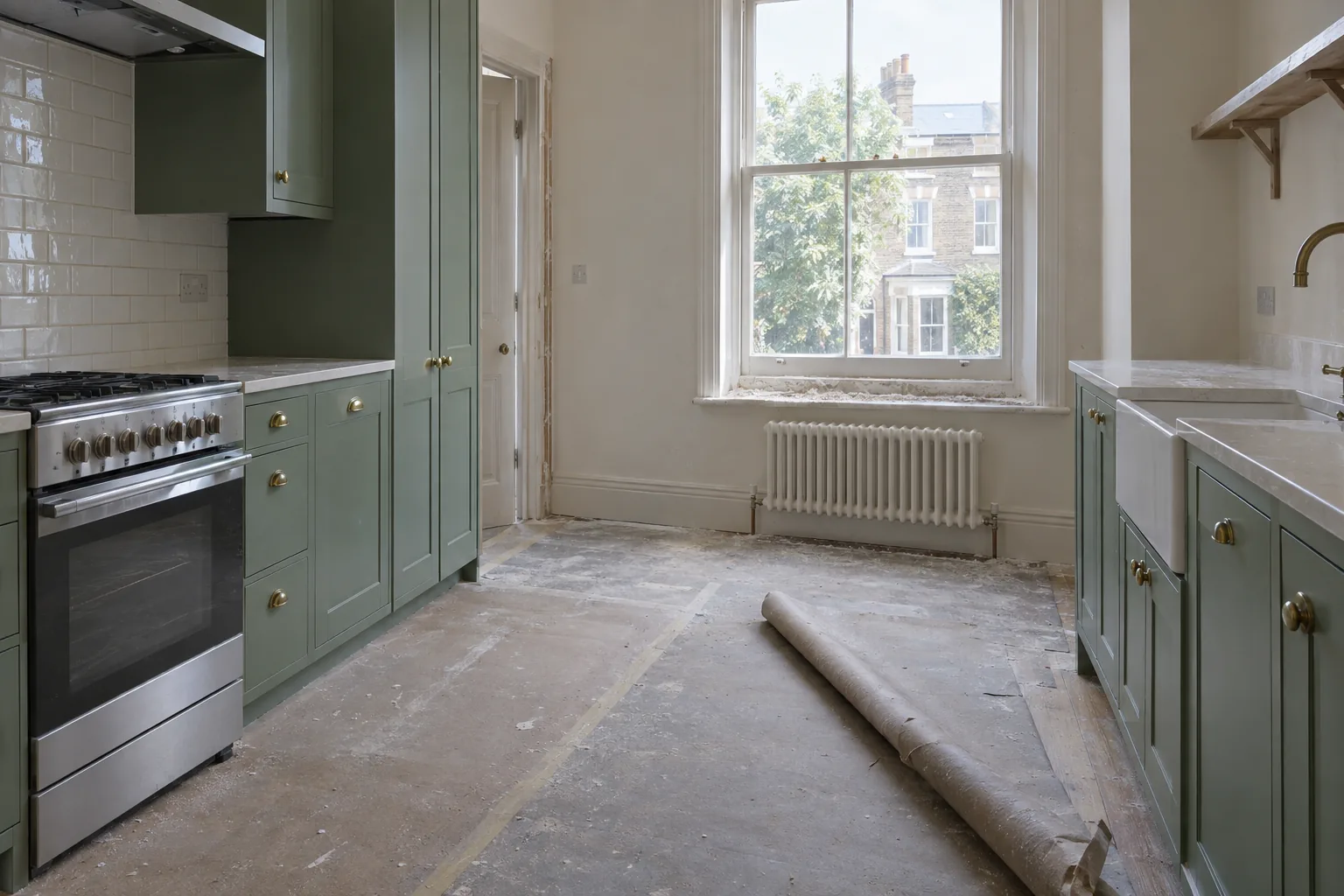
The kitchen looks finished. The fitter has packed up, the new worktop is in place and you would quite like your home back. Then the decorator mentions one more coat of paint, and the electrician still needs to fit two faceplates. Book the final clean now and both trades may leave fresh marks behind.
An after-builders clean works best at a clear handover point: the messy work is finished, surfaces can be touched safely, and the cleaner can reach the areas you expect cleaned. Use the checks below before setting a date. This is a guide to readiness, not a method for removing construction dust; that is a separate job for the cleaning team.
Quick decision guide
Use this handover table when the contractor says the work is nearly finished. It helps you decide whether to book a final clean, split the visit or wait.
| What you notice | What it may mean | Next step |
|---|---|---|
| Messy work remains | New dust or marks are likely | Finish that work before the final clean |
| Fresh finishes | Contact or wet cleaning may be restricted | Ask the installer for product cure guidance |
| Tools and waste still on site | Cleaners cannot reach agreed surfaces | Arrange removal and access first |
| Only minor snagging remains | Some rooms may already be ready | Agree a room-by-room scope |
First, ask what is genuinely finished
“Almost done” can mean very different things on a renovation. A plumber returning to test a tap may have little effect on a clean. Someone cutting tile, sanding filler or chasing a cable into a wall will create new debris across the room.
Ask your contractor for a short list of remaining tasks and where they will happen. Pay particular attention to:
- drilling, sanding, sawing, grouting and plaster repairs;
- final painting or silicone work around baths, sinks and worktops;
- fitting sockets, light switches, radiators, appliances or cabinet doors;
- removing temporary protection, skips and leftover materials;
- snagging that could involve opening a wall, lifting flooring or replacing a fixture.
If a dusty task remains, schedule it before the final clean. If the remaining work is minor, agree which rooms are ready and which may need a later visit. A room-by-room decision is more useful than assuming the whole property has reached the same stage.
Check cure times rather than guessing
New paint, grout, silicone, floor finishes and sealants can look dry before the manufacturer says they are ready for normal contact or cleaning. The required time depends on the product, thickness, temperature and ventilation. Ask the installer for the product guidance and the earliest safe time to remove protection or wipe the surface.
This matters especially in a bathroom where a newly sealed shower may have to remain unused, or on a newly finished floor that cannot take wet cleaning yet. Tell the cleaner what was installed and when. If you do not have the product details, ask the trade who applied it. Cleaning teams should not be left to infer cure times from appearance.
Walk the property before protection comes off
Protective film and floor paper do a useful job during building work, but they can also hide scratches, chips or unfinished edges. Arrange a walk-through with the contractor, ideally in daylight, before the final clean. Photograph each room and list anything that needs a trade to return.
Check new surfaces at eye level and from an angle: glass, painted walls, worktops, taps, cabinet fronts, skirting and flooring. A mark that catches a fingernail may be damage rather than dirt. Likewise, paint on glazing, grout haze, adhesive and cement spots may need a method agreed in advance; ordinary wiping can damage a delicate finish.
The distinction matters. A cleaner can remove soil within the agreed scope, but should not be expected to repair chipped tiles, failed seals or scratches. Flag those issues while the trades are still responsible for their work.

Remove the things that block the job
A cleaner needs safe, practical access, not an empty show home. Still, stacked paint tins, offcuts and contractor tools can make cupboards, floors and window ledges impossible to reach. Ask the contractor to take away their equipment and dispose of waste as agreed. If a separate collection is needed, arrange waste removal before the final clean rather than assuming bulky rubble is included.
Confirm who will remove temporary floor protection. Sometimes it should stay in place until the last trade has finished; sometimes it needs lifting before cleaning so edges and skirting can be reached. Agree that decision with the installer and cleaner. Do not pull up tape from a fresh finish without checking its instructions.
For a London flat, access can be the limiting factor. Check the lift booking, loading bay, parking, concierge rules and permitted working hours. Make sure water and electricity are available, and that the cleaner can enter every room included in the booking. If keys are with a contractor or estate agent, arrange the handover explicitly.
Define the cleaning scope in photographs
“Clean the renovated room” may mean one thing to the homeowner and another to the person quoting. Send current photographs, including the floor, inside new cupboards, windows, fixtures and any affected corridor. Say which areas were used by trades even if they were not renovated. Dust can travel from a new bathroom into a hallway, but the hallway may be outside a one-room quote.
For an after-builders clean, ask what is included for cabinet interiors, skirting, light fittings, internal glazing, frames and high surfaces. If the windows have paint or cement residue, point this out separately. Alesta’s window-cleaning service assesses access and builders’ deposits before setting the method and scope; not every mark is routine window dirt.
Photographs also help the team choose the right time and equipment. A half-finished kitchen with protective sheeting needs a different plan from a fully fitted room with settled dust. For a broader sense of how condition and access affect cleaner-hours, see Alesta’s guide to how long a deep house clean takes. A post-renovation job has its own scope, so treat that article as planning context rather than a time estimate for this visit.
Decide whether to clean in stages
Staged cleaning can be sensible during a long project. A rough tidy may make the property safe and usable while trades continue; the detailed final clean follows only after the last dusty task. Be clear that the first visit cannot stay pristine while work continues.
For example, a family may need a working kitchen while a loft conversion is still under way. The kitchen can be cleaned for use, with the loft, stairs and connecting hall cleaned after construction ends. Close doors and use agreed protection between stages, but expect some re-soiling. If you need a general reset elsewhere in the home, ask whether a separate one-off clean suits those unaffected rooms better than expanding the builders-cleaning scope without a plan.
A five-minute handover check
Before confirming the appointment, walk from the entrance through every included room and answer these questions:
- Will any trade drill, sand, paint, grout, seal or move materials through this space afterwards?
- Are new finishes ready for the type of contact and cleaning proposed, according to the installer?
- Have defects and damage been recorded for the contractor rather than passed to the cleaner?
- Are tools, waste and temporary barriers removed or clearly accounted for?
- Can the cleaning team get in, use water and power, and reach all agreed surfaces safely?
- Do the quote and photographs describe the rooms and details you expect?
One “no” does not necessarily cancel the job. It tells you what to clarify. You might delay the visit, split it by room or exclude a curing surface. The useful outcome is a plan everyone understands before the cleaner arrives.
Once the last trade has finished and the scope is clear, the final clean can do what it is meant to do: turn a completed renovation into a room you can use without immediately undoing someone else’s work.
