Minimum visit terms apply
 020 3608 3976
CLAPHAM · LINGERING ODOUR CONCERNS
A smell can be noticeable even when the visible surface looks ordinary.
Explain where you notice the odour, whether there is a known incident and which deodorising or cleaning products have already been used. Do not assume a general surface clean can resolve every underlying cause. The proposed treatment and its limits need to be discussed before booking.
Smell described · History reviewed · Limits explained
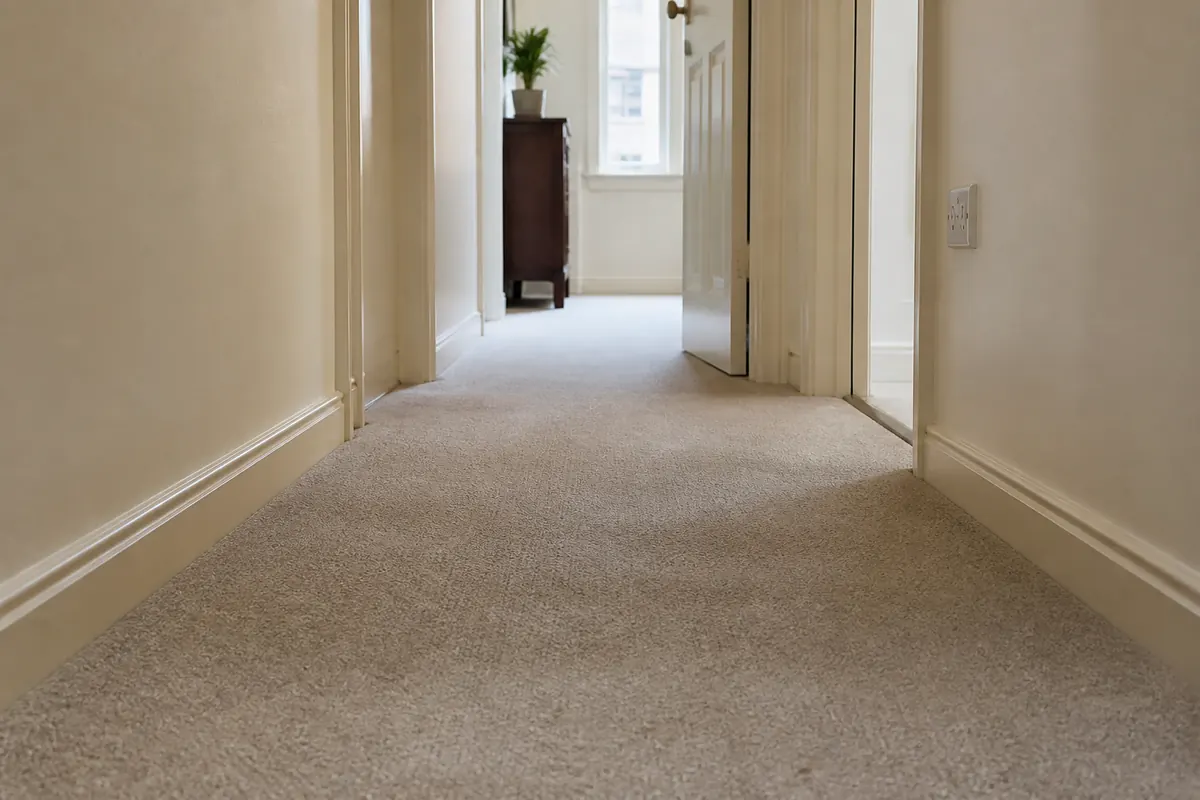
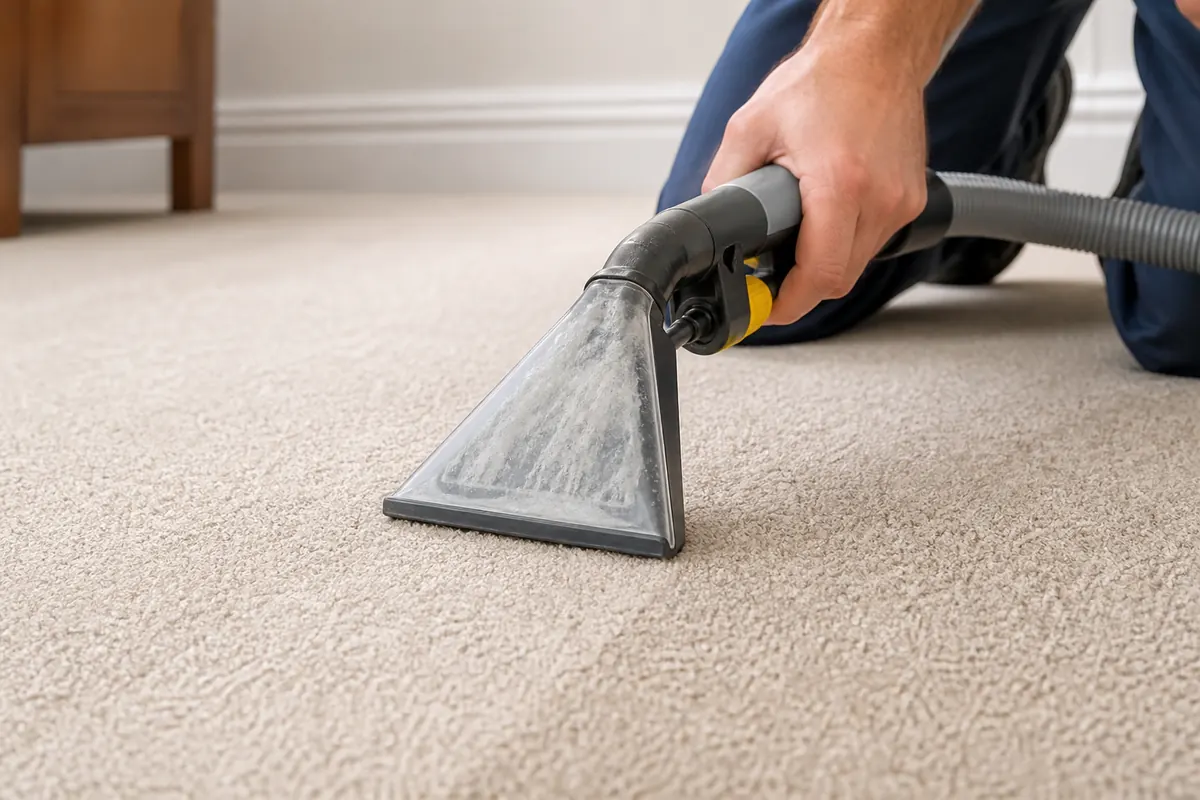
CLAPHAM · ODOUR ASSESSMENT
A short account is enough: the location, whether the smell is persistent or noticed at particular times, and any event you know about. If an earlier occupant left no reliable history, say so. Avoid assigning a cause from appearance or describing a masked smell as proof that the underlying concern has gone.
Name sprays, powders or other products already used, including those intended only to change the scent. Keep the original packaging details where available. The discussion should establish whether the proposed work addresses the accessible textile and what remains uncertain, rather than offering a blanket promise about concealed material.
A visible improvement and a change in odour are separate observations.
Ask which concern the proposed treatment is intended to address.
PET CONCERNS AND CONSTRUCTION
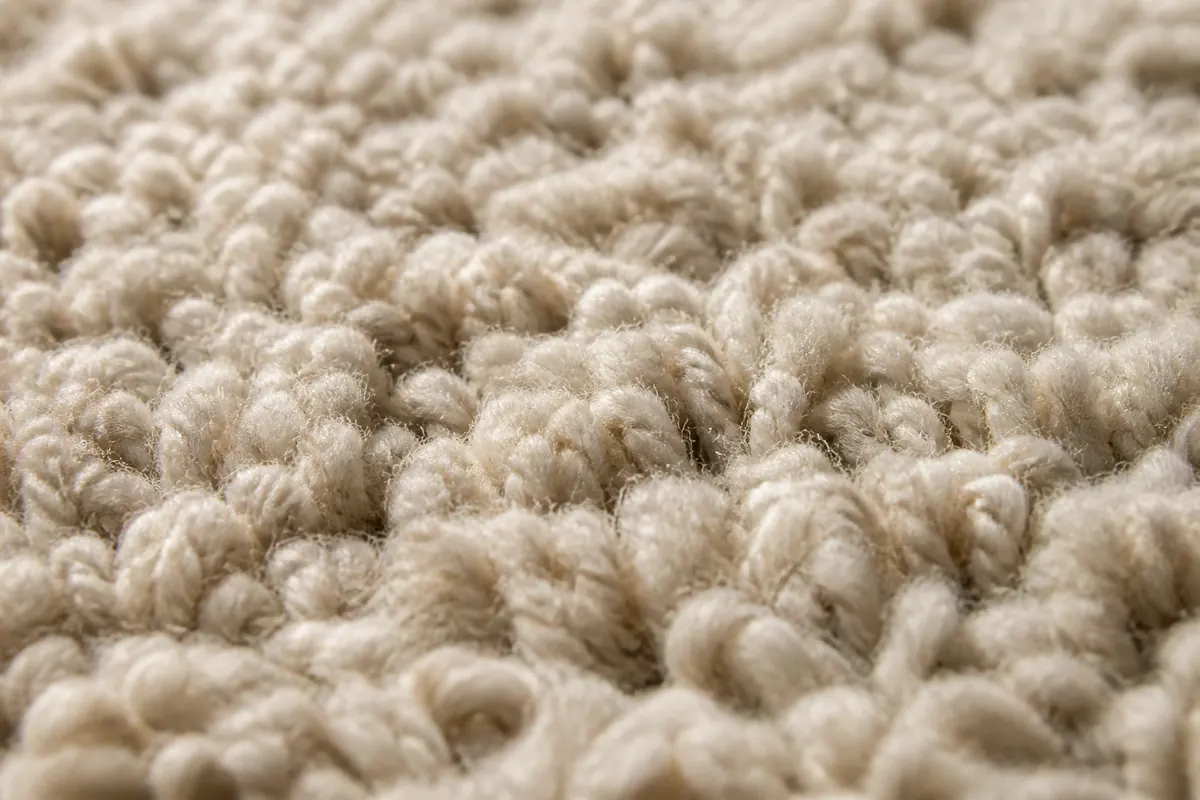
Synthetic fibres
An apparently ordinary finish does not establish where a lingering odour originates. Construction and known history still need to be discussed.
Keep uncertain causes open for assessment.
Wool carpet
Deodorising attempts do not override fibre compatibility. Share available care information before any further treatment is selected.
Chemistry must remain suitable.
Low pile
Being able to see the surface does not prove that the visible textile is the sole source of the concern.
Describe smell separately from appearance.
Deep pile
Give the product history where known rather than assuming residues have disappeared because they are no longer visible.
Further work follows the assessment.
Loose rugs
If a rug covers the area, describe it independently. The fitted carpet below and the movable textile are not automatically one scope.
Explore rug-care information ↗ASSESSING THE ODOUR ENQUIRY
The technician considers accident history and prior products alongside fibre condition, without equating every odour with a surface stain.
Construction and colour stability establish safe treatment limits before any attempt on the identified deposits.
The agreed footprint is prepared and loose material removed by appropriate dry vacuuming, with vulnerable surrounding surfaces protected.
Compatible products and controlled cleaning address the assessed surface concerns; concealed contamination is not assumed to be solved.
Moisture recovery is matched to the chosen method, with further spot work only if the fibre response permits it.
Drying and traffic advice covers reusing the room, while persistent smell or permanent damage is explained honestly.
CLAPHAM · ODOUR ENQUIRIES
Provide approximate dimensions and explain the smell before using room rates to plan a budget. Confirm what assessment and treatment are proposed, rather than assuming an all-purpose remedy.
Minimum visit terms apply
Describe each affected area
| Scope | Explain | Starting guide |
|---|---|---|
| Small room | Size and general condition | From £30 |
| Two or three rooms | Affected areas and furniture | From £75 |
| Known accident | Age, products and visible effects | Assess separately |
| Persistent odour concern | History and suitability limits | Confirm proposed work |
The quotation should state the work being offered. Do not infer guaranteed removal of every odour, stain or underlying contamination from a room price or a photograph.
Read the published carpet rates ↗ILLUSTRATIVE ROOM CARE
AI images show one room through cleaning stages. They are not a Clapham pet-accident case study, and a photograph cannot prove that an odour has been resolved.
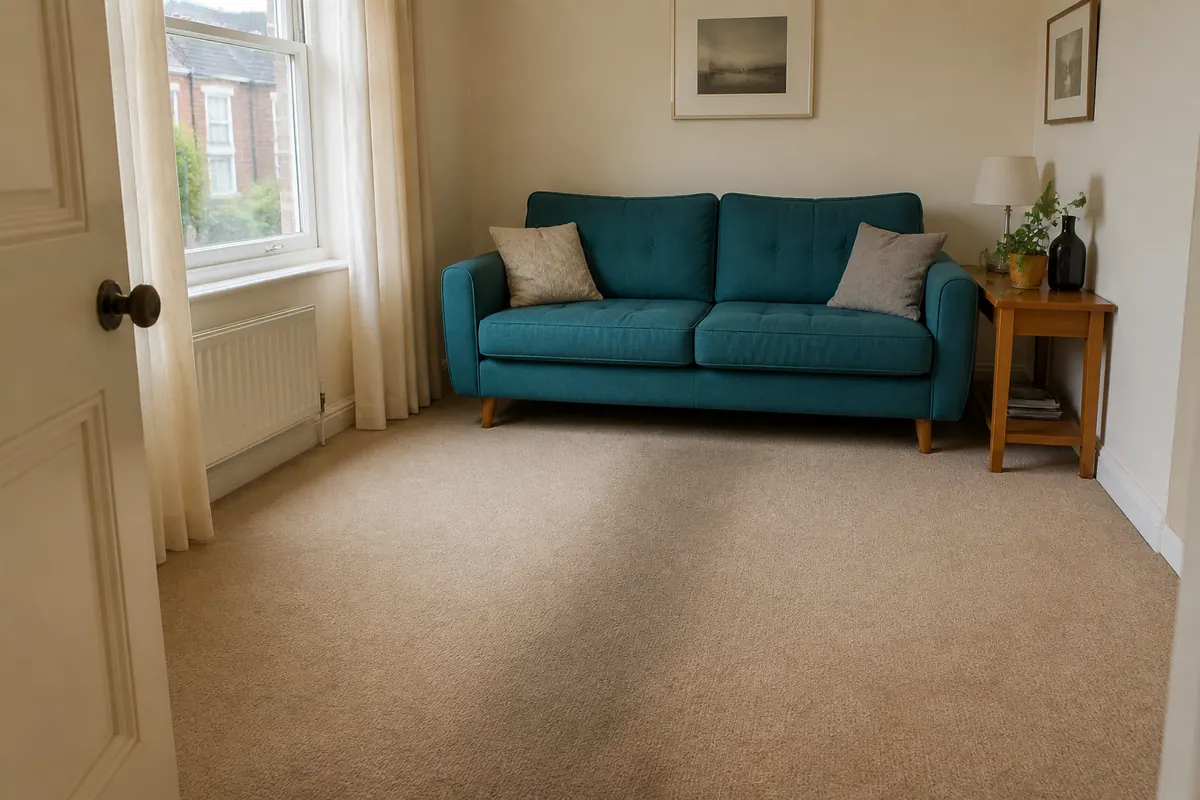 Before
Describe smell and marking separately.
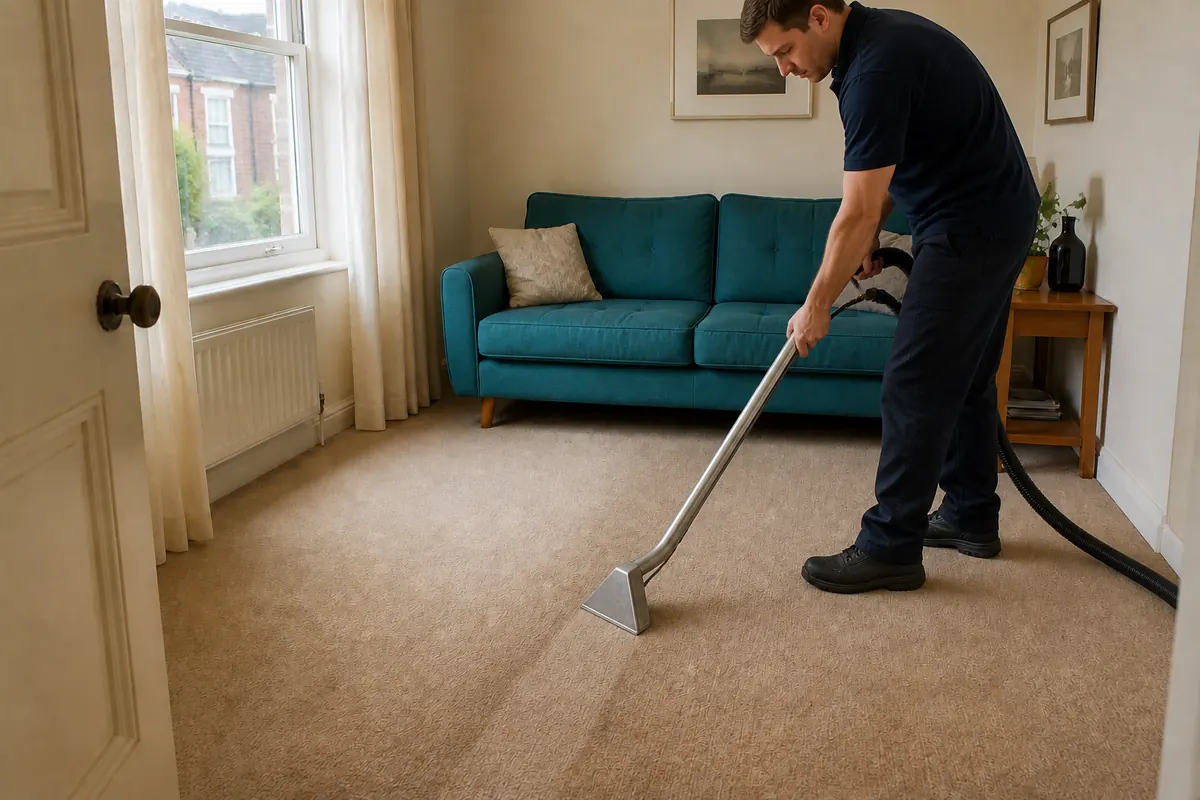 During
The approach follows assessment.
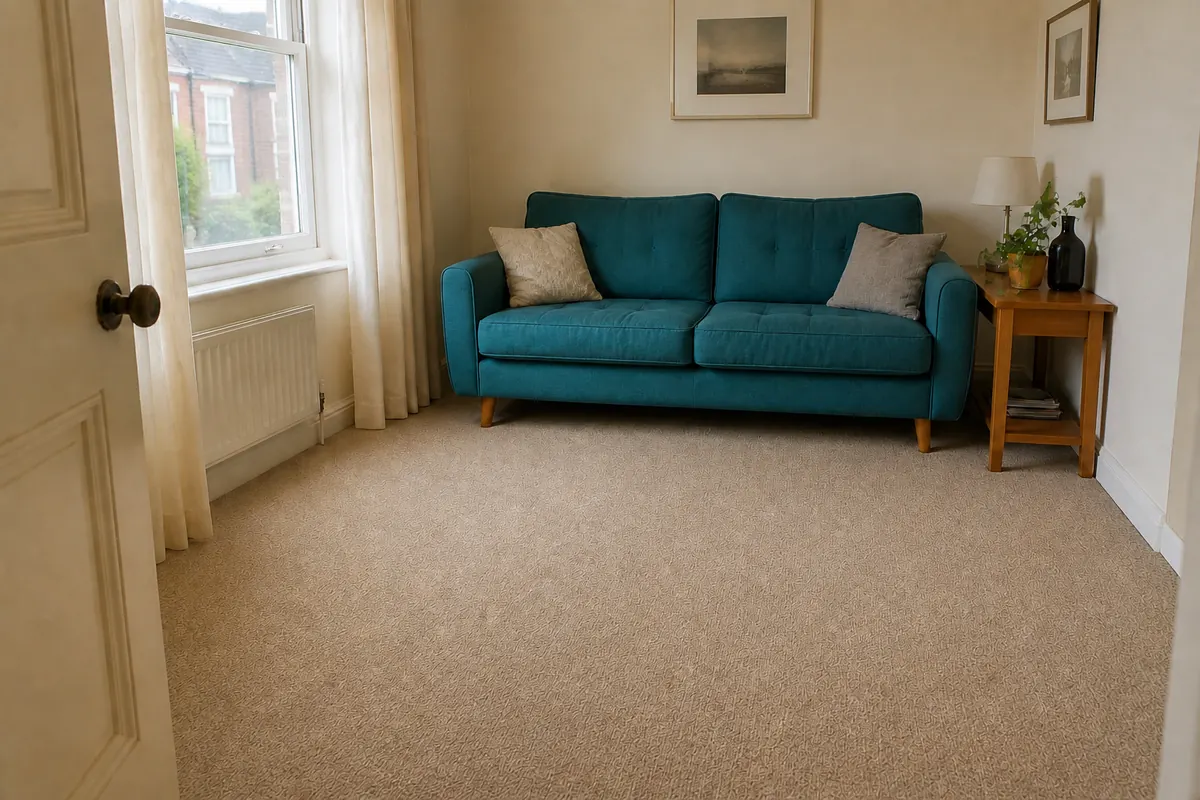 After
AfterDo not infer an invisible outcome from a brighter image.
WHAT TO INCLUDE ABOUT THE SMELL
A precise description is more useful than an assumed diagnosis.
Locate where the odour is noticed in words.
Give the reliable history without filling gaps.
List products intended to mask or change the smell.
Keep their order clear where you remember it.
Identify a rug or other layer over the affected location.
Ask what can be assessed within the proposed scope.
A cleaner-looking photograph is not evidence that an invisible concern has been resolved.
ODOUR-ENQUIRY ANSWERS
No. Small-room cleaning starts from £30 and two to three rooms from £75, subject to minimum visit terms. Explain the odour separately and confirm the proposed work and its limitations.
Not by itself. Routine cleaning frequency should reflect use, condition and care guidance; a recurring odour is a separate concern to describe rather than a reason to assume repeated surface treatment will resolve it.
No reliable duration follows from that observation alone. The accessible area, construction, condition and work agreed after discussion determine the attendance estimate.
Follow the specific aftercare guidance, including any instructions supplied for the products and treatment used. Do not infer readiness from a photograph or a dry-looking patch.
No. Permanent colour damage may leave a stain visible, while an uncertain or underlying source can limit what surface treatment achieves for an odour. These are separate outcomes to discuss.
LOCATE THE OBSERVATION
List requested spaces and separate textiles without assigning a cause from their position alone.
CLAPHAM · ENQUIRY DETAILS
Provide the postcode and a description of the smell alongside any reliable incident history. Confirm address availability and the proposed assessment before arranging attendance.
Leave uncertain causes open for assessment.
Enquire about a Clapham homeUse the map for area context only.
Google Maps is requested on activation.Open area mapCLEAR SCOPE FOR AN INVISIBLE CONCERN
Visible appearance and any lingering smell are discussed as separate observations.
The textile remains central to treatment selection.
Products already used are part of the assessment.
Review what changed and what remains uncertain.
CLAPHAM · ODOUR QUESTIONS
These questions distinguish an odour enquiry from a routine appearance-based request.
Discuss the lingering smellYes. Describe where the smell is noticed and any reliable history; a photograph alone cannot communicate the concern.
Include it alongside cleaning products, even if it was intended only to alter the scent.
Do not use that observation as proof. Explain what changed and leave the cause open for assessment.
Say which details are unknown. A plausible explanation is not a substitute for reliable incident history.
No such blanket guarantee is offered. Ask what the proposed work covers and which underlying effects may remain outside it.
Avoid further unassessed products while seeking advice and explain the existing attempts first.
No. Photographs record visible appearance, not a smell or its source.
Discuss the actual observations after treatment, any remaining uncertainty and the supplied drying and reuse guidance.
YOUR CLAPHAM ODOUR ENQUIRY
Include the postcode, approximate area and known incident history without guessing an underlying cause.
Clapham · Confirm availability and suitable scope
