Minimum visit applies
 020 3608 3976
RECORD THE APPEARANCE
Knowing when a mark appeared is often more useful than choosing a stain-removal promise from a photograph.
Describe the main concern at your Enfield property in plain terms: sticky, faded, flattened, dark or rough.
List prior treatments·Inspect the material·Review remaining differences
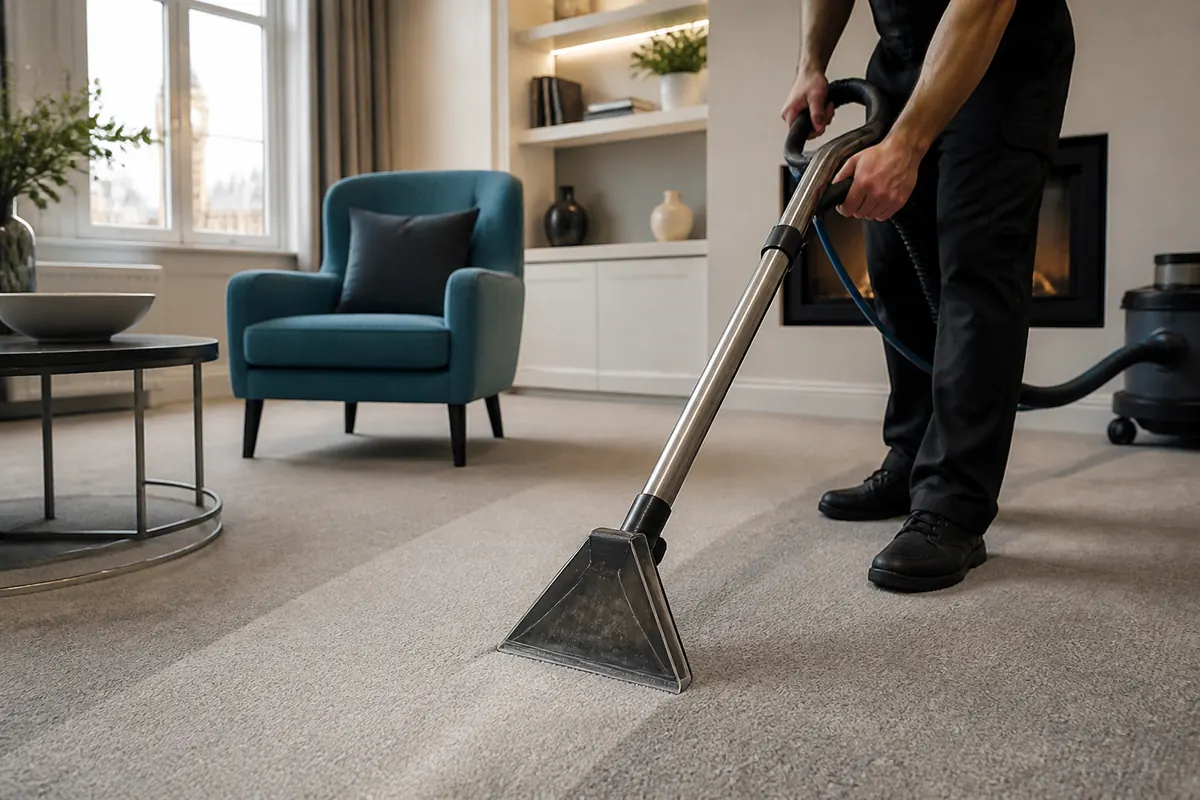
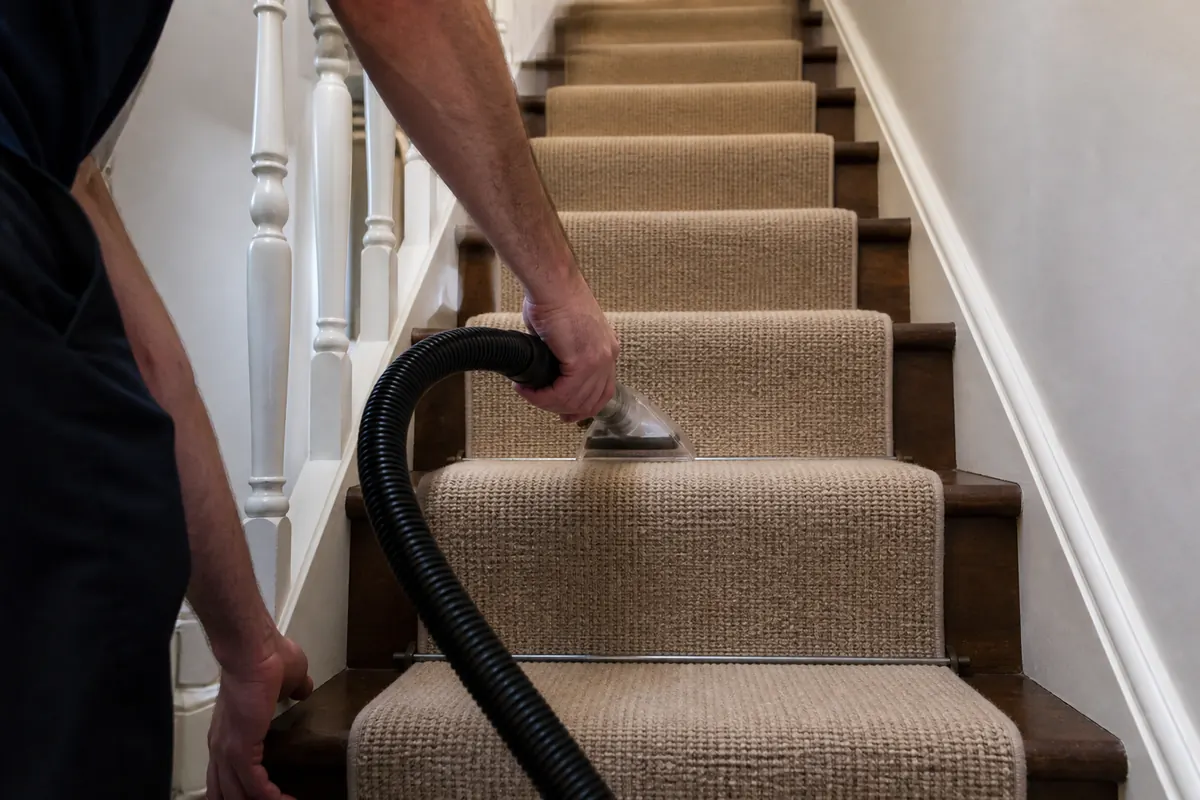
EXPLAIN CHRONOLOGY
Mention known spills and anything applied afterwards.
If the history is unknown, say so. A useful assessment separates treatable contamination from damage that an ordinary cleaning visit cannot reverse.
Lost dye is not removable soil.
Surface abrasion can reflect light differently after cleaning.
MATERIAL CHECKS
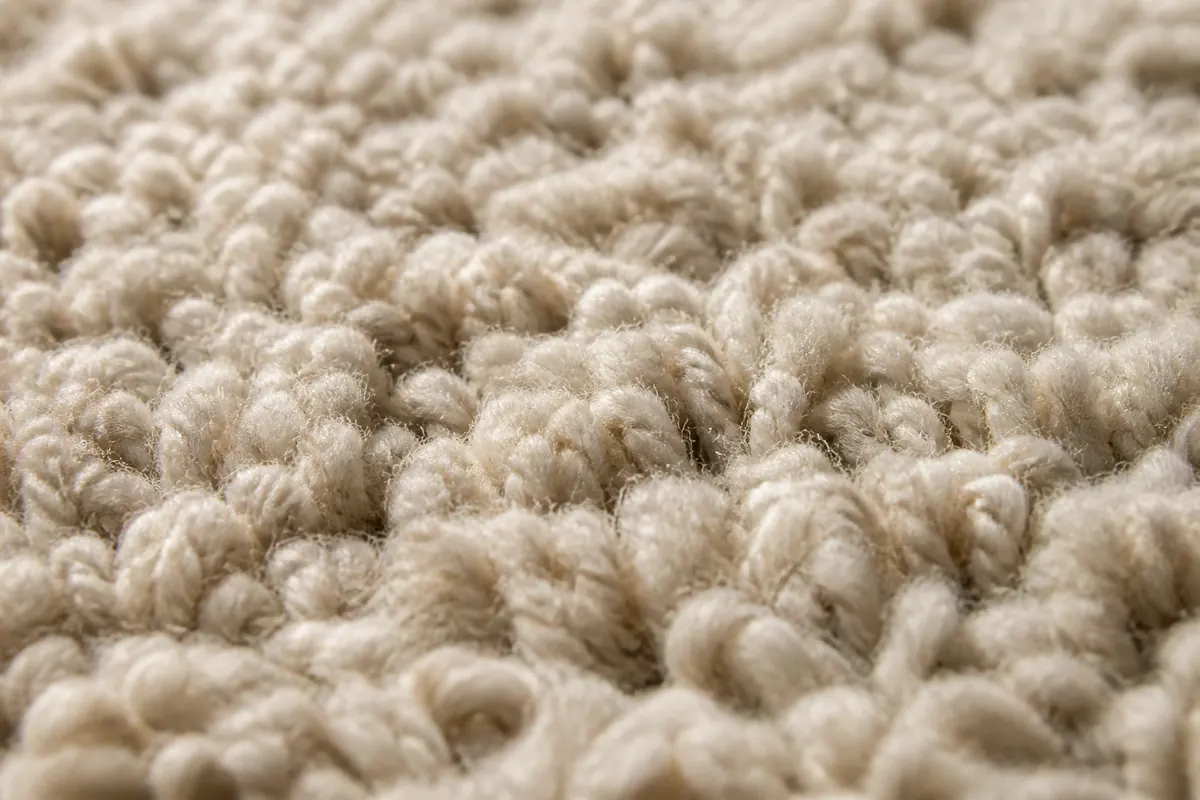
Synthetic
Identify shiny or abraded traffic patches
Describe texture as well as visible colour
Wool
Mention colour changes after previous treatments
State what caused a mark only if known
Low pile
Describe missing or frayed fibres
List earlier products without adding more
Deep pile
Distinguish tangled texture from visible soil
Photograph the surrounding floor for comparison
HOW THE CARPET IS CLEANED
Initial inspection records whether the concern is sticky residue, a colour change, abrasion or missing fibres.
Fibre, backing, colour response and previous-product history are assessed before any stain treatment is selected.
Dry vacuuming where required and compatible pre-treatment address accepted soil without escalating strength merely because a patch remains.
Suitable extraction or an assessed lower-moisture method follows the covering's response and agreed limitations.
Moisture recovery and suitable grooming are followed by a review under ordinary room light.
Handover explains residual wear or colour damage alongside practical drying and return-to-use advice.
DESCRIBE APPEARANCE BEFORE CHOOSING WORK
For an Enfield quote, give the requested room dimensions and distinguish colour from texture. A worn, shiny route and an isolated sticky spot may need different expectations even if both look dark in one photograph.
Minimum visit applies
Describe texture as well as visible colour
| Included request | Record the appearance | Starting guide |
|---|---|---|
| Small carpeted room | Room area with the visible concerns identified | From £30 |
| Two to three rooms | Named rooms and differing colour or texture changes | From £75 |
| Stairs or additional sections | Additional routes or steps requiring assessment | Request a quotation |
| Separate or unusual textile | A loose textile needs its own condition description. | Assessment required |
Confirm the proposed work and minimum visit conditions after explaining what you observe. A quotation does not guarantee reversal of fading, abrasion or missing fibres.
Published service prices ↗ILLUSTRATING SOIL AND APPEARANCE
The AI room views are not an Enfield customer case or proof that every dark patch is removable.
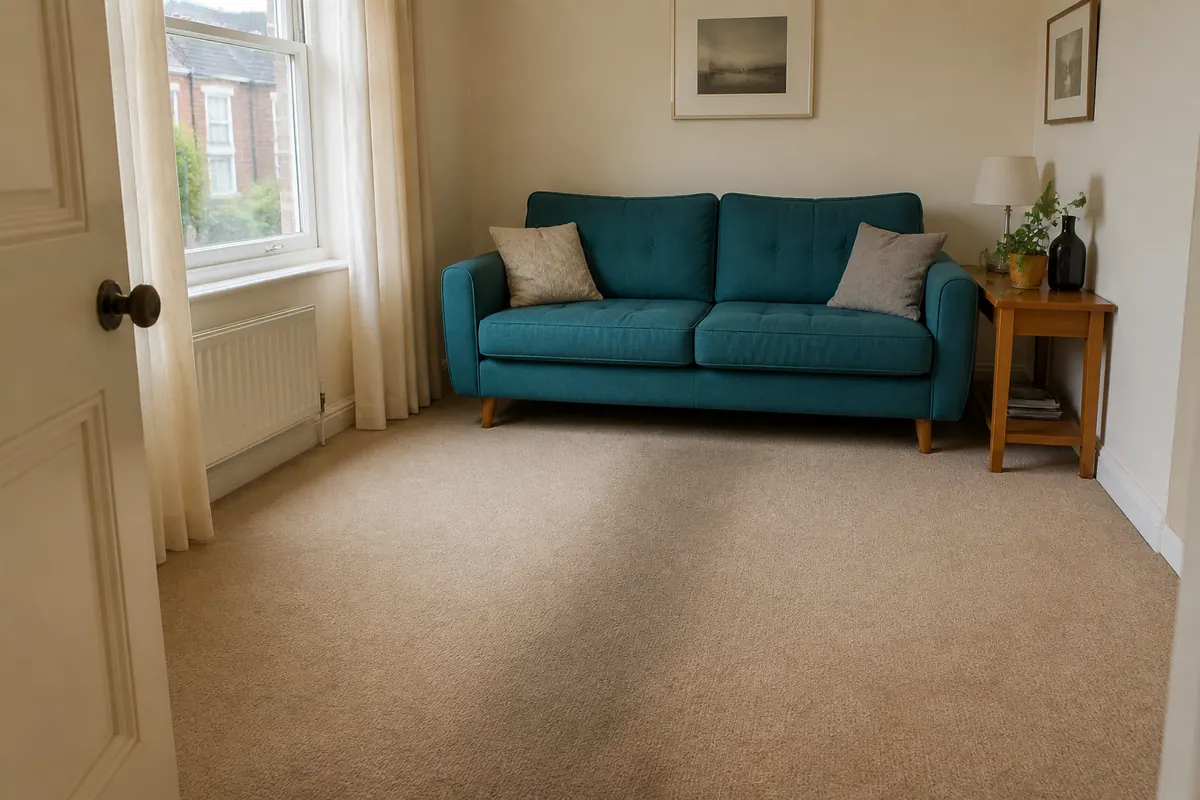 Before
The account distinguishes stickiness, flattening and fading rather than using stain for every concern.
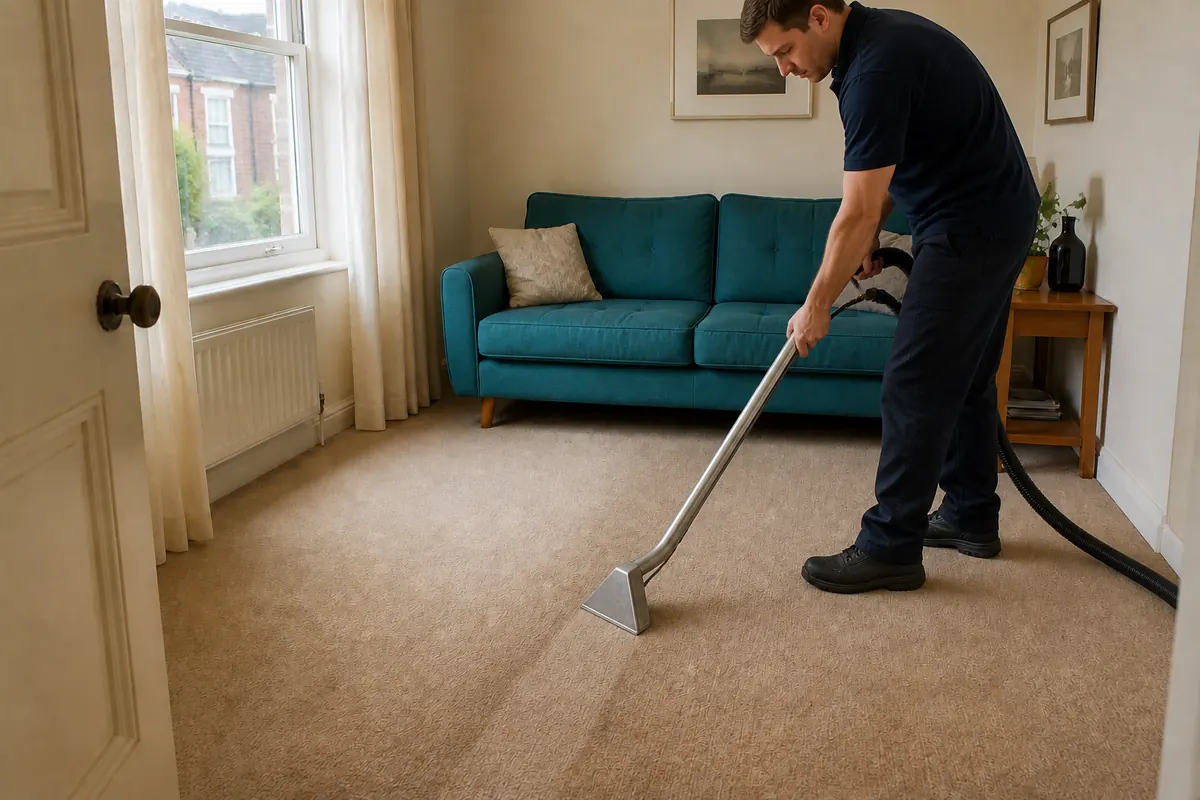 During
Compatible treatment addresses the accepted soil without chasing a uniform appearance at the cost of damage.
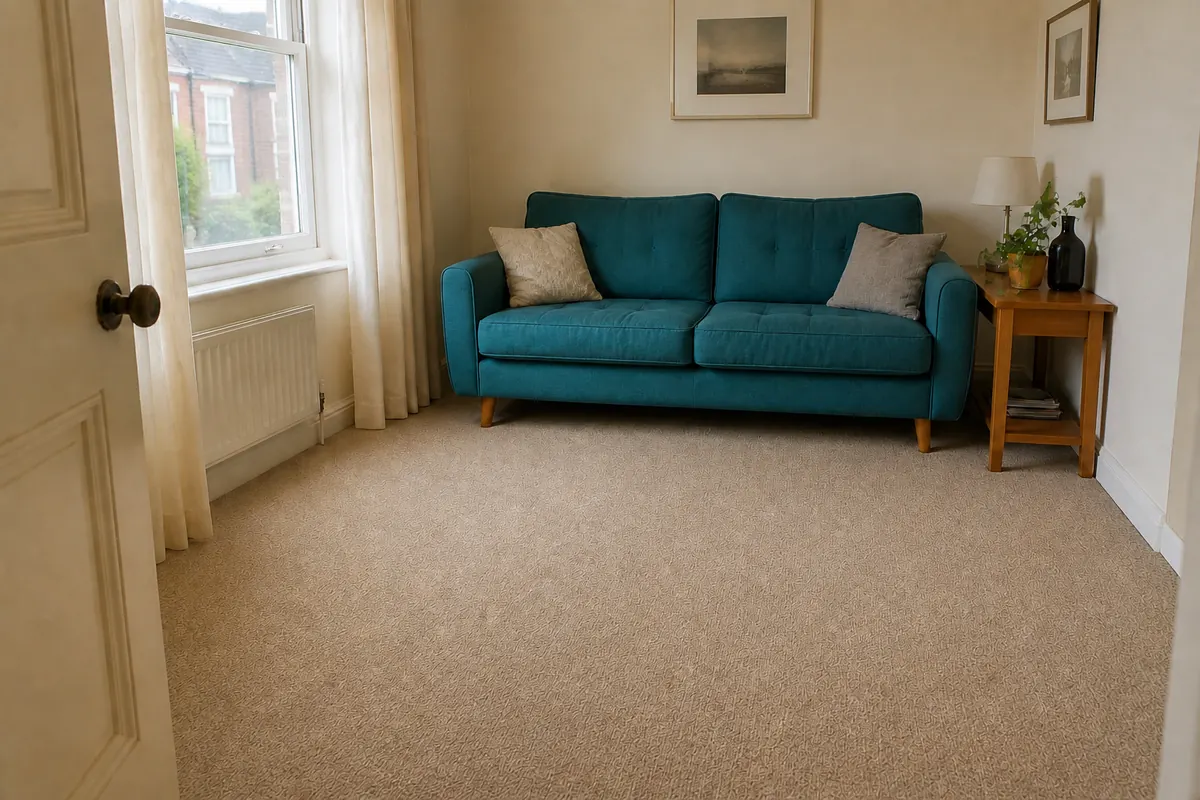 After
AfterRemaining wear or dye change is explained rather than represented as unfinished dirt removal.
FRAYED SECTIONS
Knowing when a mark appeared is often more useful than choosing a stain-removal promise from a photograph.
Lost dye is not removable soil.
Surface abrasion can reflect light differently after cleaning.
Earlier products may affect how a patch behaves.
Describe them without inventing a source.
Cleaning cannot replace missing fibres.
Artificial colour adjustment can misrepresent the starting condition.
Stain removal and appearance restoration are not guaranteed.
LIST PRIOR TREATMENTS
The guide starts at £30 for a small room and £75 for two-to-three rooms; minimum visit terms and the assessed condition determine the quotation.
Do not increase cleaning frequency merely because a worn patch remains. First distinguish contamination from texture damage.
Complex mark history can require assessment beyond a room count; discuss the concerns before relying on a duration estimate.
A better-looking mark does not prove the floor is ready. Material, moisture used and recovered, and airflow affect the recovery period; follow aftercare before covering or repeatedly crossing the area.
There is no universal removal guarantee. Dye loss, abrasion and missing fibres are not dirt waiting for stronger cleaning.
FADED PATCH
Describe texture as well as visible colour. State what caused a mark only if known. List earlier products without adding more. Photograph the surrounding floor for comparison.
LOCATION CHECK
Send the address with clear views of the affected area and its surrounding floor. Mention any inaccessible patch rather than expecting a remote photograph to establish an unconditional treatment result.
Confirm attendance after describing the principal concern.
Discuss the visible differencesUse the location reference alongside current photographs of the covering.
Loading connects to Google Maps.Open Enfield in MapsUNKNOWN DARK RINGS
Earlier products may affect how a patch behaves.
Describe them without inventing a source.
Cleaning cannot replace missing fibres.
Artificial colour adjustment can misrepresent the starting condition.
BEFORE YOU BOOK
Knowing when a mark appeared is often more useful than choosing a stain-removal promise from a photograph.
Discuss your circumstancesNo, there is no responsible universal promise for every fibre and mark.
Wear, residue and colour changes can produce similar appearances.
Discuss the history first rather than compounding an unknown reaction.
They help describe the issue but cannot replace inspection and suitability checks.
Fading is a colour change, not dirt waiting to be removed.
Say that clearly and explain when you first noticed it.
Yes, age is useful information, but not a guarantee of removal or failure.
Flattening, roughness and fibre loss help distinguish physical wear from contamination.
RECORD THE APPEARANCE
Send an honest description of the mark and its treatment history for your Enfield enquiry.
Enfield: appointment availability must be confirmed
