Minimum visit applies
 020 3608 3976
WHEN CUT FLOWERS SHED ONTO CARPET
Fallen pollen and a rubbed-in yellow or orange mark are different observations.
For your Finchley enquiry, explain whether pollen fell from a bouquet, touched the carpet during handling or was spread by an earlier attempt. Distinguish it from vase water or potting soil rather than combining them into a vague flower stain.
Flower history·Transfer pattern·Realistic colour limits
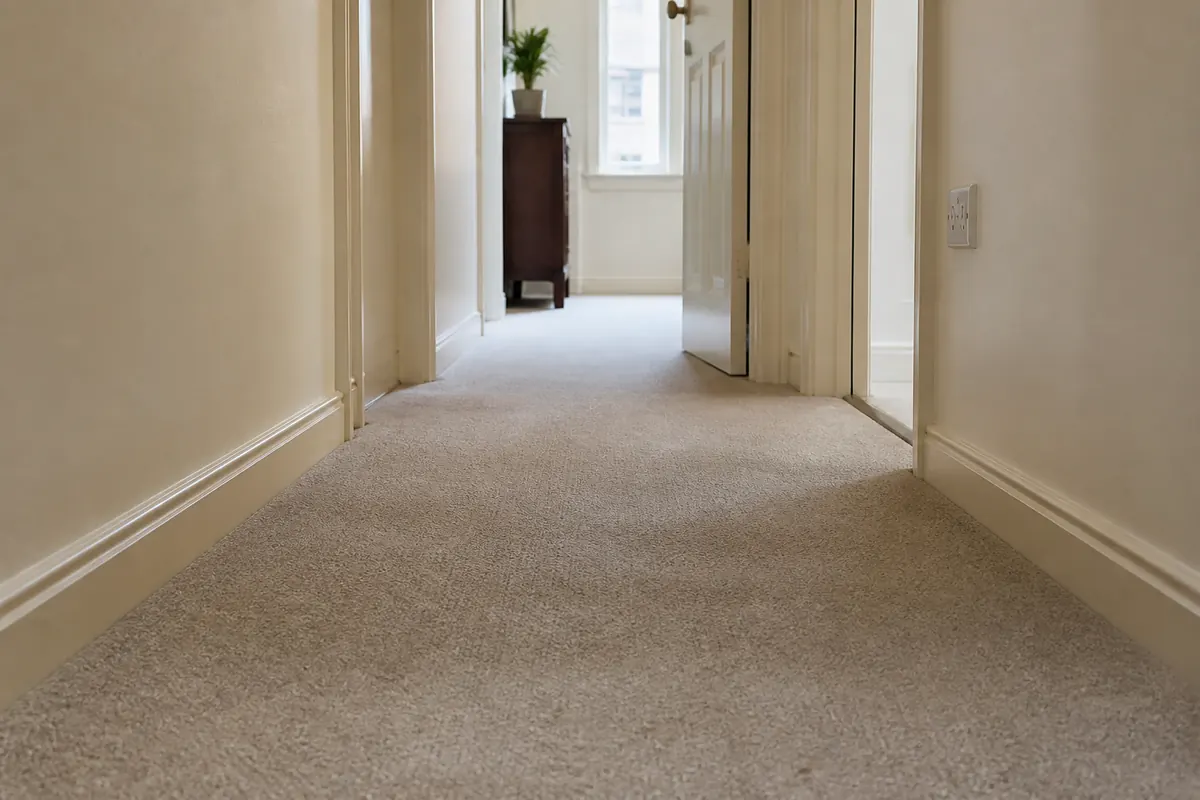
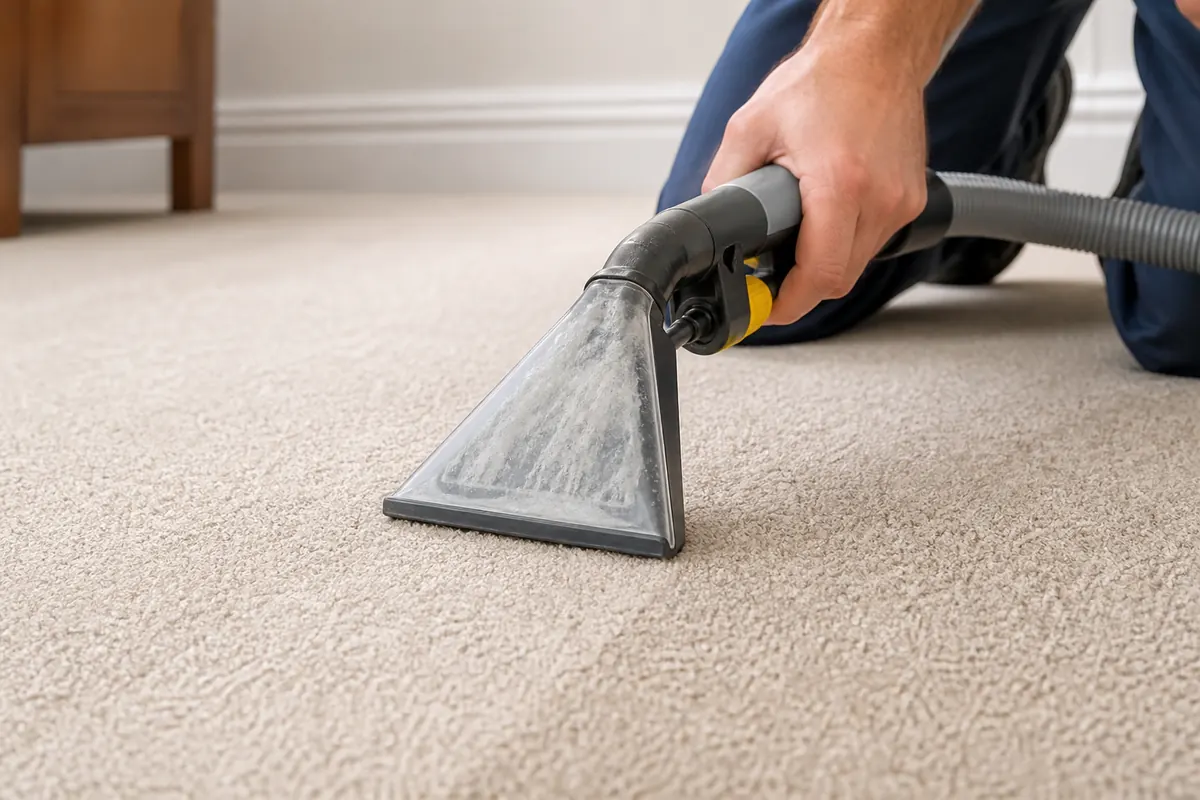
EXPLAIN THE BOUQUET HANDLING
Identify the stage when the incident was noticed. Pollen beneath a vase, fragments after unwrapping and material dislodged while carrying a bouquet describe different events.
Say whether stems, leaves or petals have already been picked up and whether a separate watering incident occurred. These details help distinguish the preparation still needed from the persistent mark that prompted the enquiry.
Explain where flowers were handled rather than assuming everything fell directly below the final vase position.
Describe debris remaining after removal separately from any mark that has already been rubbed or dampened.
POLLEN DOES NOT OVERRIDE FIBRE CARE
Synthetic
Identify the installed specification if retained; the flower arrangement does not tell us which backing or pile is present.
Use reliable information rather than identifying fibre by touch.
Wool
Share the relevant care sheet alongside the account of fallen pollen.
The plant source does not remove wool compatibility checks.
Low pile
Explain loose fragments separately from persistent staining after they have been removed.
Do not describe all flower-related debris as one absorbed substance.
Deep pile
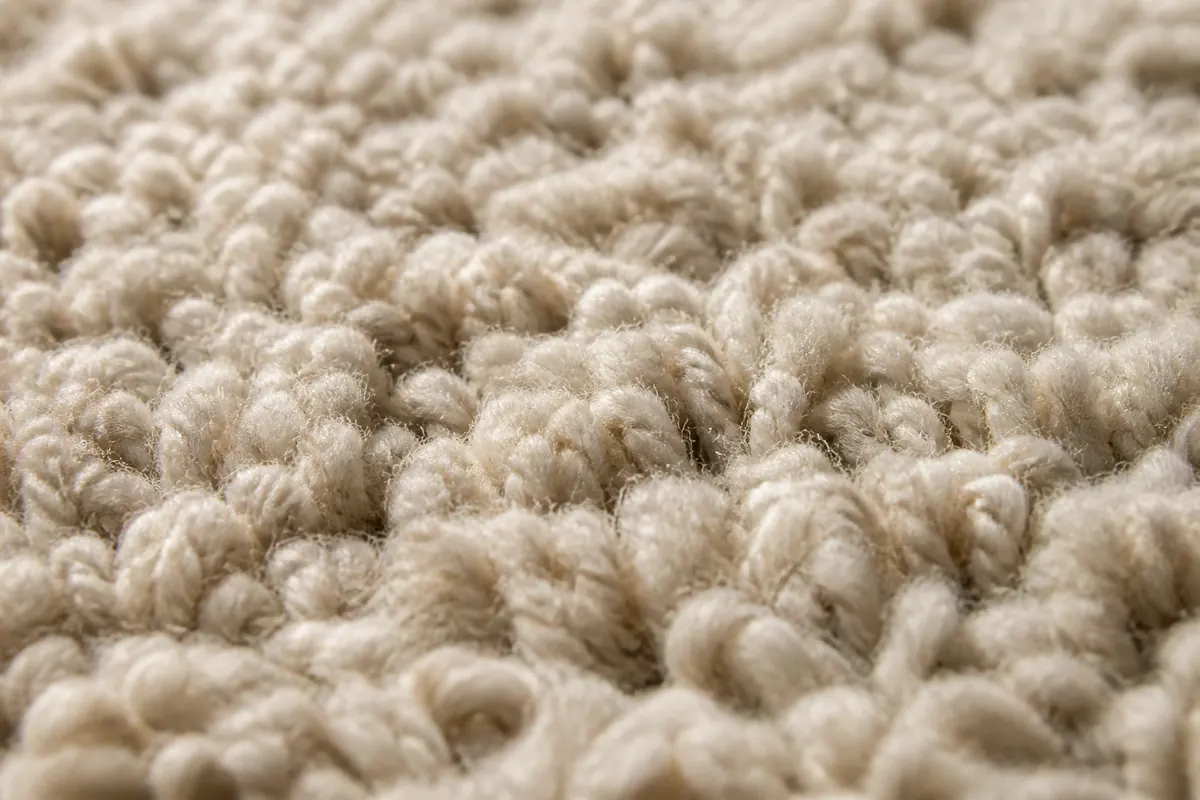
Tell us if small pieces remain below the visible tips after the bouquet was cleared.
Preparation needs cannot be judged only from a standing-height view.
Rugs
Pollen on a rug needs its own dye, backing and fibre assessment.
Separate rug enquiry ↗FROM FLOWER CONTACT TO ASSESSED CARE
Known flower contact and earlier attempts are recorded separately from any water or soil spill.
Backing, pile, seams and existing damage inform what treatment is suitable.
Appropriate preparation, dry vacuuming where required and compatible spot pre-treatment follow the assessment.
Measured extraction or a suitable lower-moisture approach is selected without promising that all transferred colour will disappear.
Practical recovery passes and appropriate finishing precede an honest review of the remaining appearance.
Ventilation, traffic and furniture-return advice are explained with any permanent colour limits.
POLLEN AND THE ROOM REQUEST
Give the Finchley room dimensions and explain the observed pollen contact. Published room amounts are not a guaranteed price per flower mark; confirm what assessment and cleaning are accepted and how the minimum visit applies.
Minimum visit applies
Separate pollen from any vase-water or soil incident
| Requested floor area | Transfer history | Room reference |
|---|---|---|
| Small carpeted room | Room size and pollen location | From £30 |
| Two to three rooms | Named rooms with separate contact points | From £75 |
| Stairs or additional sections | Identify any transfer onto steps or connecting areas | Request a quotation |
| Separate or unusual textile | A loose rug needs a separate textile scope. | Assessment required |
A quotation can specify accepted work, but it cannot guarantee removal of every pollen colour or reversal of damage from earlier attempts.
Published service prices ↗AN ILLUSTRATIVE FLOWER-CONTACT ENQUIRY
The AI room views illustrate stages of care; they do not document a Finchley pollen stain or prove a removal outcome.
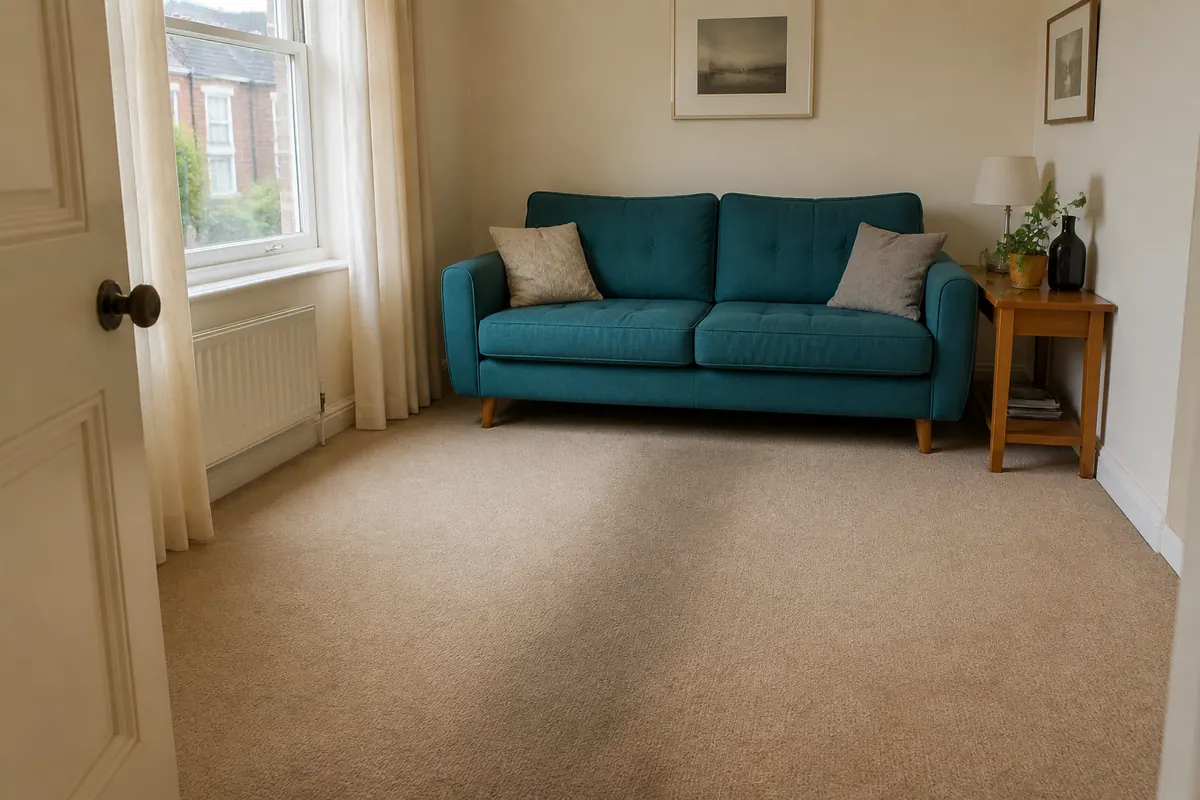 Before
The account distinguishes loose pollen, later rubbing and separate water incidents.
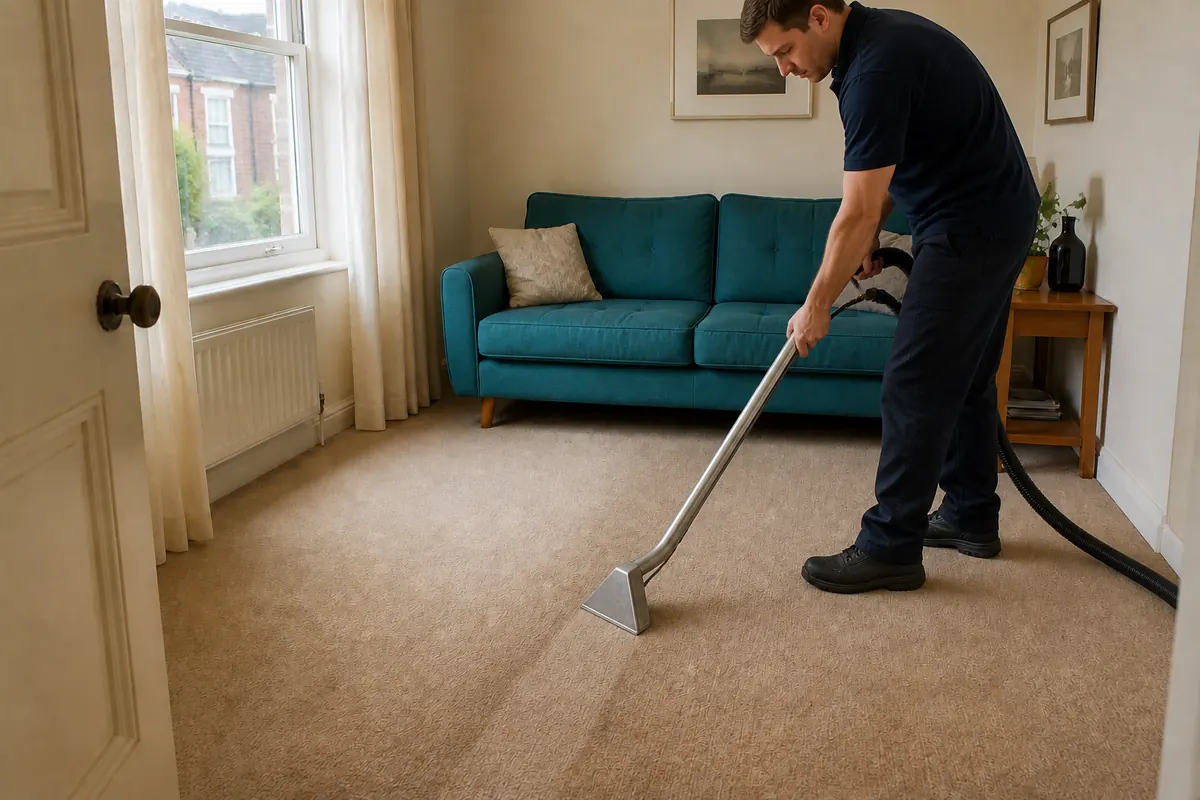 During
Material checks guide the method without relying on the flower alone to predict response.
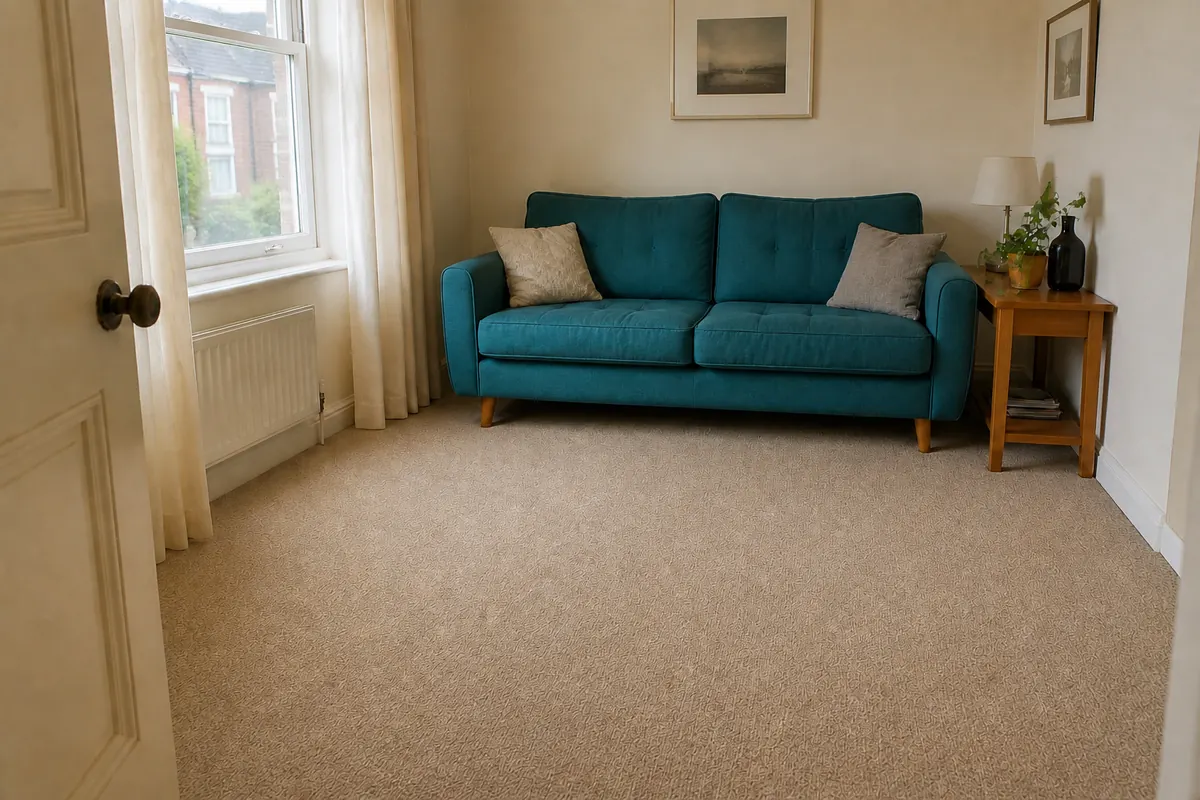 After
AfterPermanent staining or prior treatment effects may still remain visible.
AFTER HANDLING A BOUQUET
Locate the arranging position as well as where the vase eventually stood. A display may have been moved between those places.
Explain where the bouquet was opened if material fell there.
Identify the surface below where stems and flowers were handled.
Distinguish this from an earlier preparation location.
Say whether leaves or petals remain as well as visible pollen.
Record a known liquid spill independently from dry material.
Explain what was done and whether the marked area changed afterwards.
Professional care cannot guarantee reversal of every pollen stain or previous treatment effect.
POLLEN ENQUIRY ESSENTIALS
No. Small-room cleaning starts from £30 and two-to-three-room work from £75, subject to the minimum visit. The actual carpet and accepted treatment determine the final scope.
It is a specific incident to discuss. Routine frequency should follow use, accumulated soil and manufacturer care guidance, not repeated treatments of one persistent colour mark.
Its size alone does not determine duration. Prior attempts, material checks and the agreed area affect the estimate; explain the history before planning the appointment.
Colour change is not proof of dryness. Fibre, method, recovery and airflow determine when a treated area can be covered; follow the handover guidance.
No. Age, rubbing, earlier products and carpet colour response can limit removal, while permanent dye or fibre changes may remain.
TRACE THE FLOWER-HANDLING SEQUENCE
Name each relevant position without assuming the final vase location accounts for all fallen material. Distinguish the preparation still required from the staining you want assessed.
FINCHLEY ENQUIRY DETAILS
Give the requested room area and explain how the pollen reached it. Include the known flower description if available and state what has already been tried before checking appointment options.
Confirm attendance and the accepted carpet areas directly.
Ask about pollen-mark assessmentUse the address together with a clear room description.
Loading connects to Google Maps.Open Finchley in MapsA BRIEF BASED ON THE ACTUAL EVENT
The flowers may have been carried or arranged elsewhere before the display was placed.
Picking up leaves and petals is not the same issue as a persistent pollen mark.
Wiping, wetting or spraying can alter the account and should be described honestly.
A familiar flower name does not establish that its resulting stain can safely be removed.
CUT-FLOWER QUESTIONS
A short sequence of events can be more useful than an assumed diagnosis from the final vase position.
Discuss the transferYes, if you saw material fall there. The preparation position may be different from the place where the arrangement was displayed.
Describe them separately. Remaining loose pieces explain preparation needs, while persistent marking needs its own assessment.
Identify observed deposits rather than assuming every area crossed needs treatment. Say where you actually noticed material.
Yes, if relevant. Stems and flowers handled at that location may explain debris away from the final display.
Give the liquid incident separately, including when it was observed. Do not combine it with dry pollen in a single unexplained mark.
No. Explain what remains to be removed and agree preparation responsibilities; handling flowers, vases and ornaments should not be assumed included.
Retain a reliable description of the arrangement and what happened. There is no need to keep decaying flowers to manufacture evidence.
Freshness of the bouquet does not guarantee a carpet result. Material response and previous attempts can still limit treatment.
BEFORE ANOTHER ATTEMPT
Send the Finchley room details and observed flower history when asking about a compatible carpet assessment.
Appointment and treatment scope require confirmation
