Minimum visit applies
 020 3608 3976
COLOUR FROM ANOTHER TEXTILE
A coloured patch beneath a garment may be transferred dye, but the source should be reported only when it is reliably known.
For a Grays enquiry, explain what touched the covering and what you observed before attempting removal. Keep the garment or item description separate from the carpet fibre; a treatment suitable for one is not automatically suitable for the other.
Known contact·Two different textiles·Colour-response limits
IDENTIFY BOTH SIDES OF THE CONTACT
Describe whether clothing, a fabric bag or another soft item lay against the pile. Say whether it was damp if you actually observed that; do not invent moisture simply because colour appeared underneath.
An unexplained blue or red patch is not proof that a nearby garment caused it. Share the known contact and uncertainty, including any lighter area that appeared after a household treatment.
Name the item involved without diagnosing a transfer from colour alone.
A later pale patch may be a different concern from the original added colour.
TWO TEXTILES, DIFFERENT REQUIREMENTS
Synthetic
The source garment does not establish the installed fibre or backing.
Carpet colour response still needs assessment.
Wool
A laundry treatment intended for clothing is not automatically compatible with wool carpet.
Provide the covering care information where available.
Low pile
Explain whether the patch follows a folded item, contact edge or another observed shape.
Do not infer a cause from the outline alone.
Deep pile
Say how the item lay against the pile and whether texture changed as well as colour.
Colour transfer and compression are separate observations.
Rugs
A rug contacted by clothing requires its own dye and construction review.
Separate rug enquiry ↗ASSESSING TRANSFERRED COLOUR
The suspected source, observed contact and later attempts are recorded with the requested scope.
Backing, pile, seams and existing damage inform the limits of further treatment.
Dry vacuuming where required and suitable targeted pre-treatment follow safe preparation of the accepted area.
Extraction or an appropriate lower-moisture approach is selected for the carpet rather than copied from garment-washing advice.
Practical moisture-recovery passes and appropriate finishing precede review of persistent colour changes.
Handover distinguishes remaining staining or dye loss and covers ventilation, traffic and replacing furnishings.
COLOUR TRANSFER AND THE ROOM SCOPE
For a Grays quotation, give the room dimensions and observed textile contact. Published room starts do not guarantee a special spot-only amount or complete dye removal; confirm what can be attempted and the minimum visit conditions.
Minimum visit applies
Identify any later products used on the receiving carpet
| Requested surface | Contact history | Room starting reference |
|---|---|---|
| Small carpeted room | Room size and transferred-colour location | From £30 |
| Two to three rooms | Named rooms with separate contact incidents | From £75 |
| Stairs or additional sections | Additional carpeted locations expressly requested | Request a quotation |
| Separate or unusual textile | A contacted loose rug is a separate textile enquiry. | Assessment required |
A clear quotation describes the accepted work. It cannot promise to restore original carpet colour after every dye-transfer incident or reverse bleaching caused by a later attempt.
Published service prices ↗AN ILLUSTRATIVE TWO-TEXTILE INCIDENT
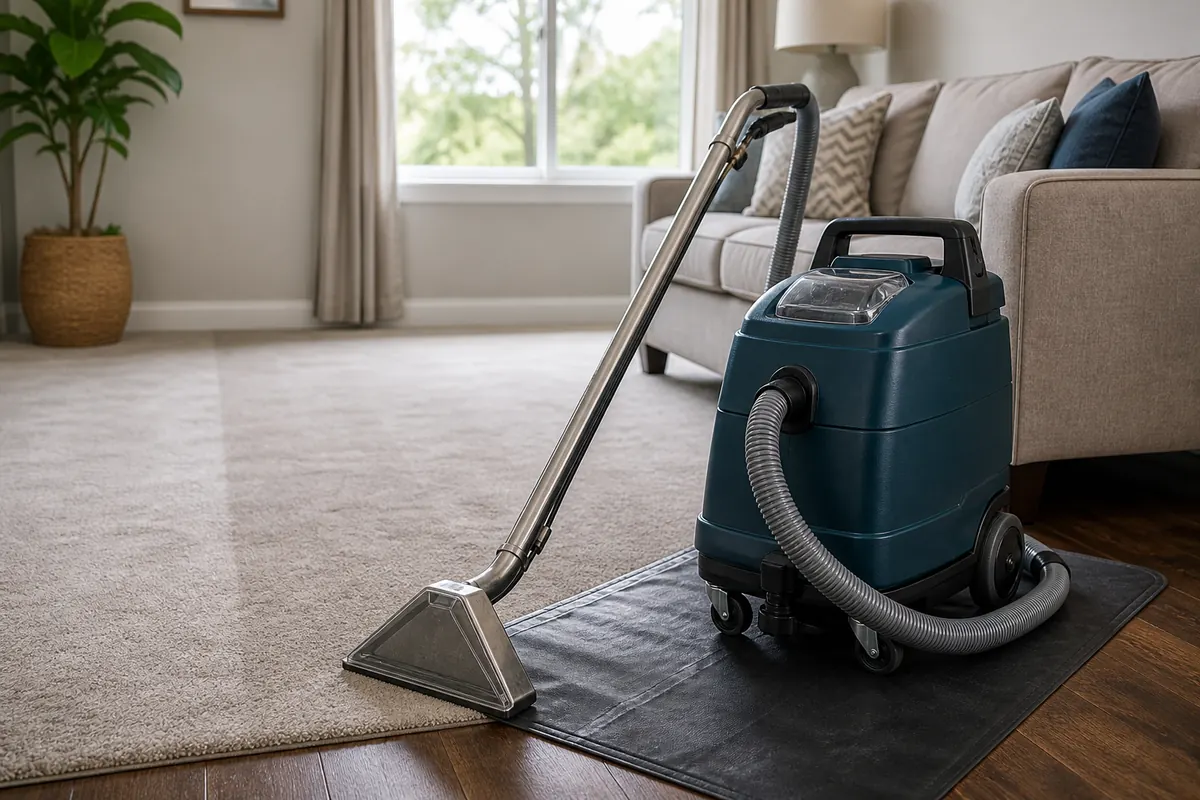
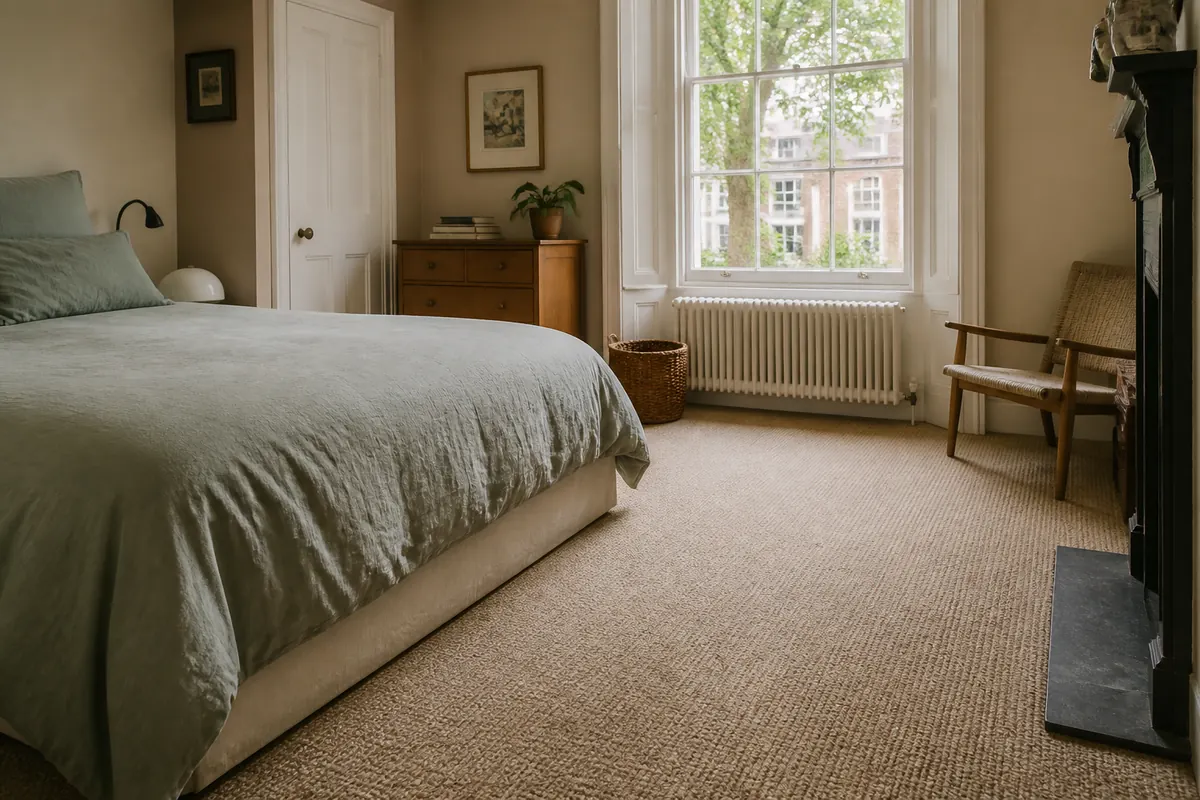
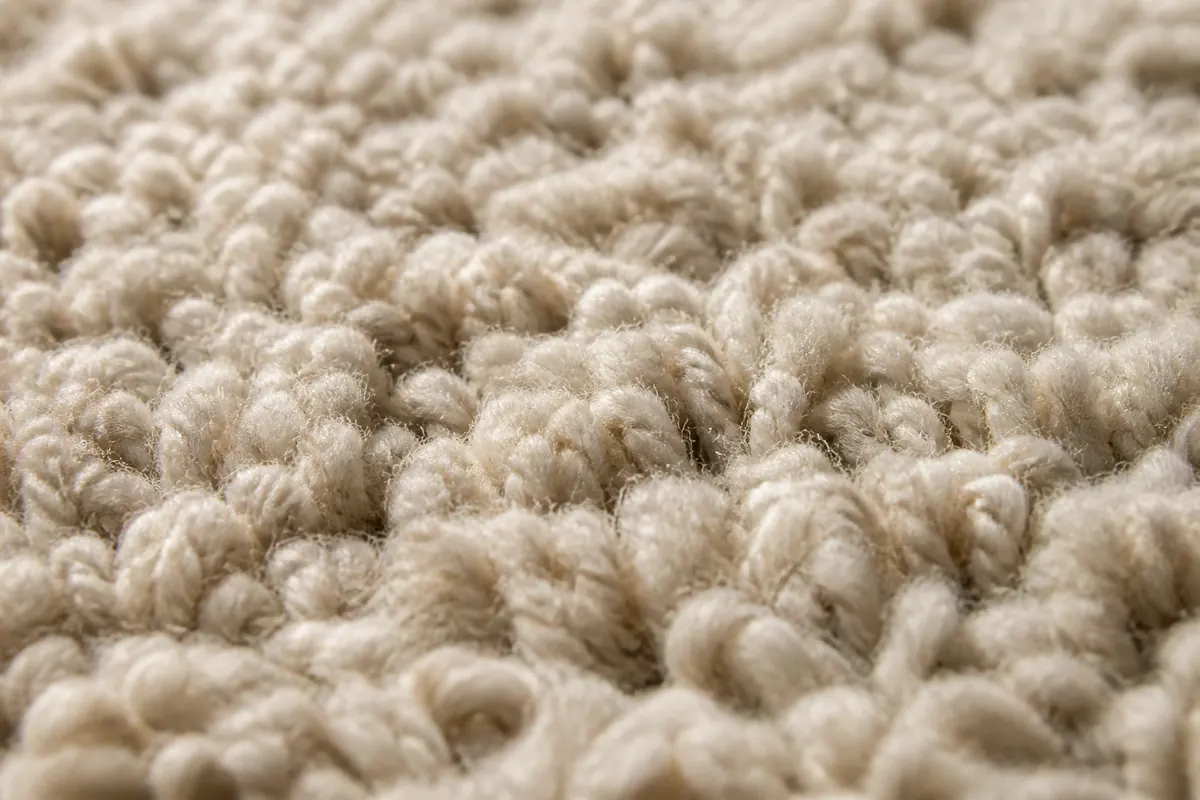
The AI views illustrate general care stages, not a Grays dye-removal case or proof of a particular stain outcome.
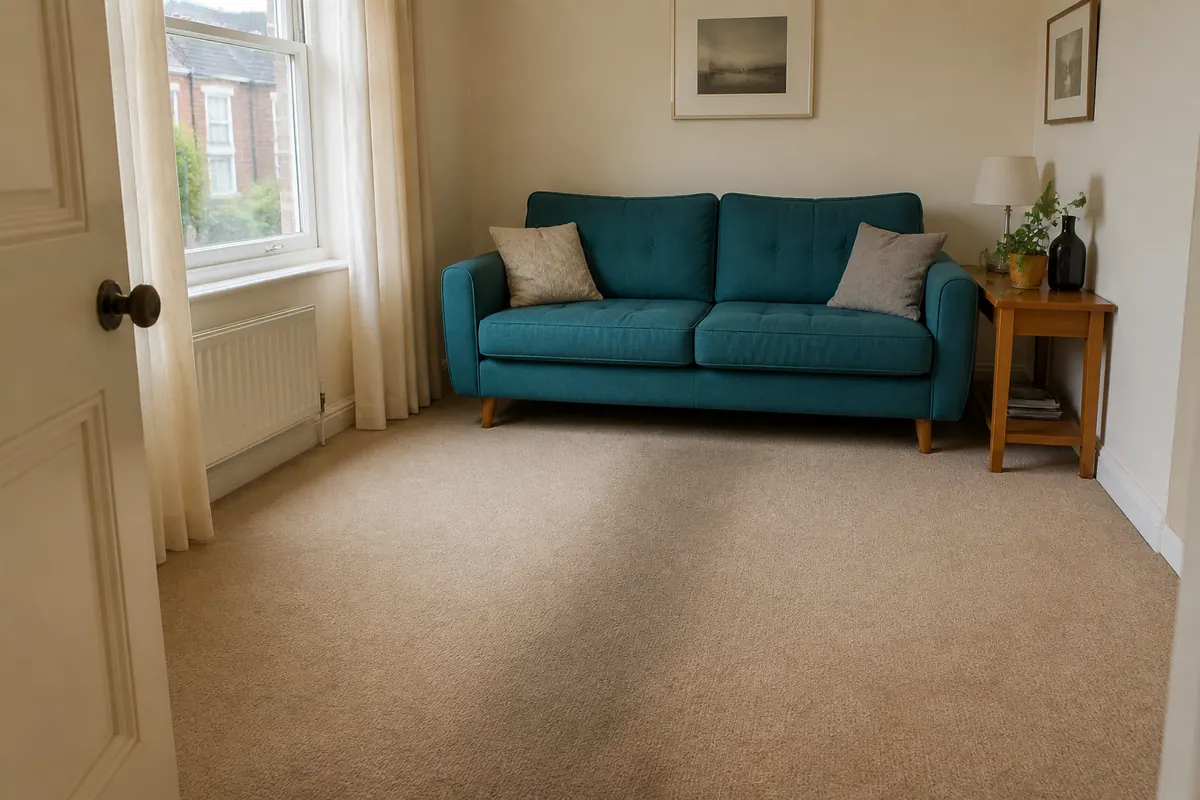 Before
The account identifies the soft item and the carpet as two materials rather than one treatment problem.
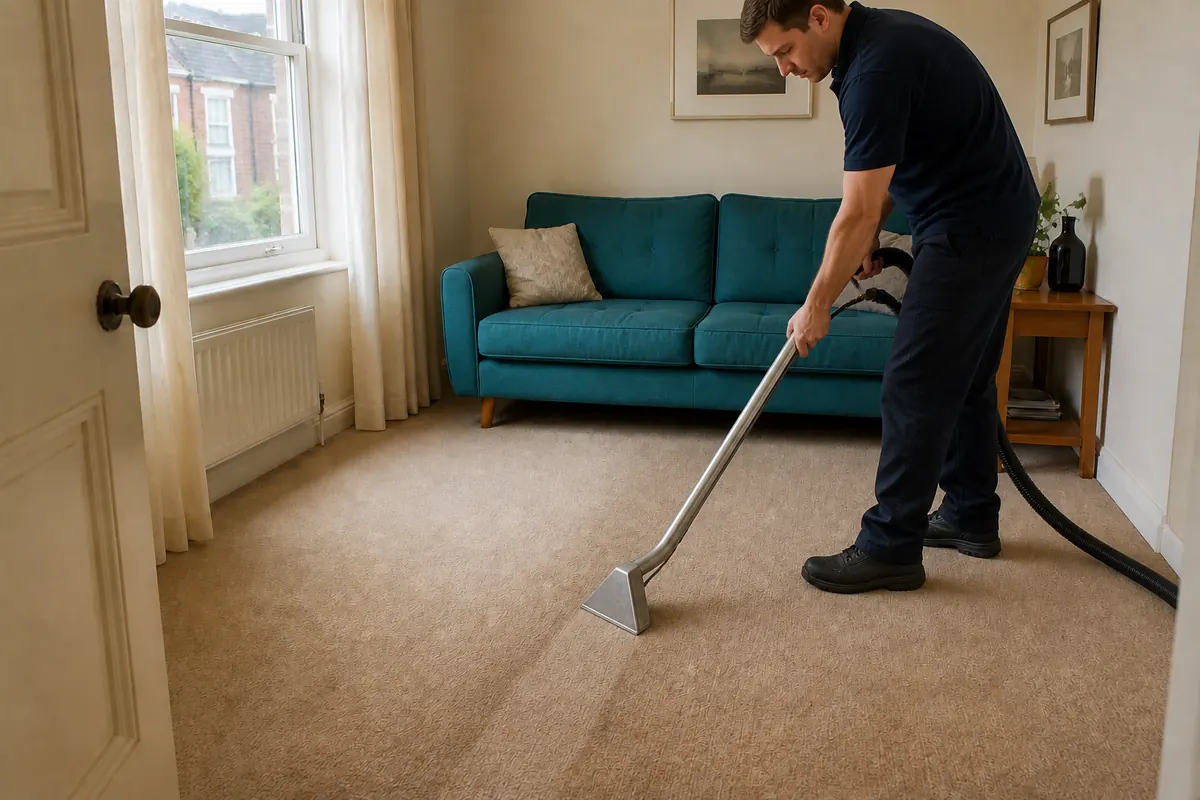 During
Compatible cleaning is selected without applying clothing instructions automatically to an installed covering.
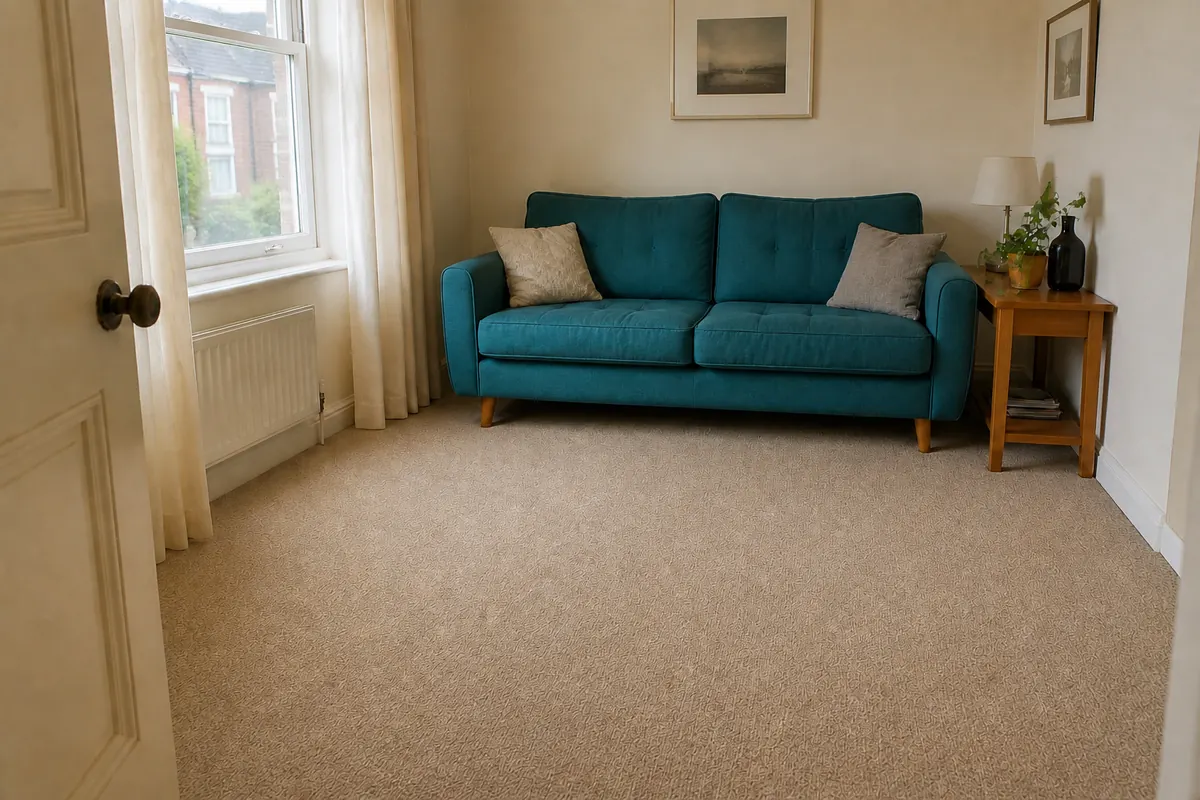 After
AfterTransferred staining or damage from earlier products may remain despite appropriate work.
WHAT CONTACTED THE COVERING?
Do not turn a plausible source into a confirmed cause without supporting observations.
Describe the garment and the contact location.
Mention it when known without reconstructing an uncertain event.
Identify the separate item instead of assuming every textile mark came from clothes.
Report colour lost following an earlier attempted treatment.
Compression or rubbing damage can accompany a colour concern but is not the same issue.
Leave an unexplained patch unidentified rather than assigning it to the nearest coloured item.
No guarantee applies to removal of every transferred dye or reversal of carpet colour loss.
COLOUR-TRANSFER ENQUIRIES
No. Small rooms start from £30 and two-to-three rooms from £75, subject to the minimum visit. Assessment and accepted work determine the quotation, not a promise of complete colour reversal.
Discuss the contact as a specific concern. Future maintenance should reflect use, soil and manufacturer guidance rather than recurring attempts to remove one permanent stain.
Size alone does not establish duration. Material checks, earlier products and the accepted area affect the estimate; describe the full history first.
Do not use colour as a drying test. Follow advice based on fibre, method, moisture recovery and airflow before returning a soft covering or other item to the treated floor.
No. Dye response, age and previous chemicals may limit removal, while bleaching or damaged fibres can leave permanent change.
LOCATE THE KNOWN CONTACT
Keep disconnected contacts separate and explain the event you observed. The shape of a mark is useful context, not proof of its origin.
GRAYS ENQUIRY DETAILS
Send the requested room dimensions and explain which item contacted the pile. State any uncertain cause and later products before checking appointment options and suitable work.
Confirm attendance and the accepted areas directly.
Ask about transferred-colour assessmentPair the address with a clear account of the contact.
Loading connects to Google Maps.Open Grays in MapsNO AUTOMATIC COLOUR REVERSAL
A product intended for a washable garment does not establish compatibility with installed carpet.
A nearby coloured item is not sufficient evidence of the cause of every unexplained patch.
If the area became lighter or wider after a product, include that in the account.
Persistent staining does not justify unlimited stronger chemicals or a guarantee of original colour.
CLOTHING-COLOUR QUESTIONS
The useful history separates source, receiving material and later attempts without prescribing a home chemical remedy.
Discuss the colour incidentYes, identify the actual item if known. It is relevant context, but its washing label does not specify carpet treatment.
No. State the observed contact and leave the cause uncertain where you did not see enough to establish it.
It is part of the contact history if you observed it. Do not guess dampness merely because a stain appeared.
Do not assume a product for garments is compatible with the carpet fibre, backing or dye. Disclose prior use instead of experimenting further.
Name that item separately and describe its contact with the floor. The enquiry is not limited to clothing.
Not necessarily. Added colour and colour lost after an earlier treatment are different concerns that should be reported separately.
They help show the mark but do not replace material and colour checks or a reliable treatment history.
No. Permanent staining, dye loss and damaged fibre may remain even after appropriate removable soil has been treated.
EXPLAIN THE CONTACT FIRST
Send the Grays room details and known textile-contact history before requesting an assessment.
Availability and suitable work require confirmation
