Minimum visit applies
 020 3608 3976
WHEN SHOE CARE REACHES THE FLOOR
A dark transfer from a freshly polished shoe needs a different account from ordinary tracked-in dirt.
For a Harrow enquiry, explain whether polish came directly from a tin, an applicator or a shoe. Keep the product description if known and identify every place touched before you noticed the transfer.
Source of transfer·Product context·Safe treatment limits
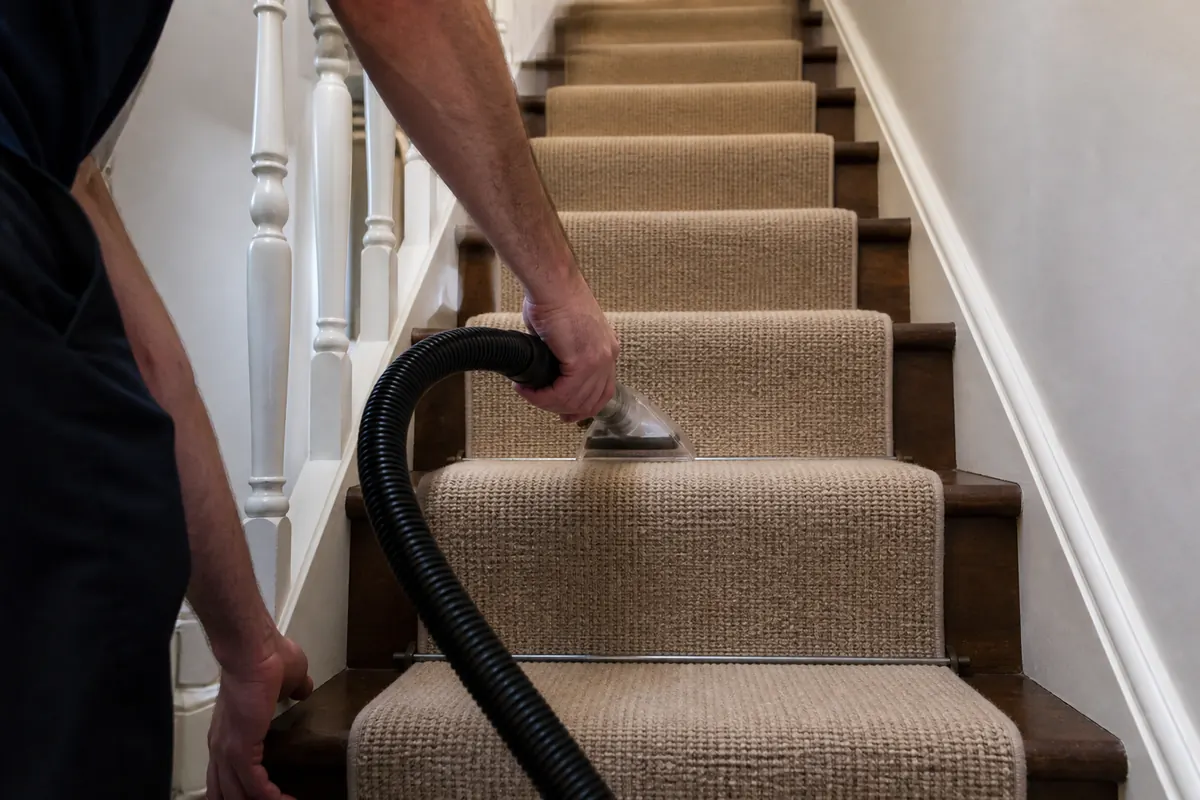
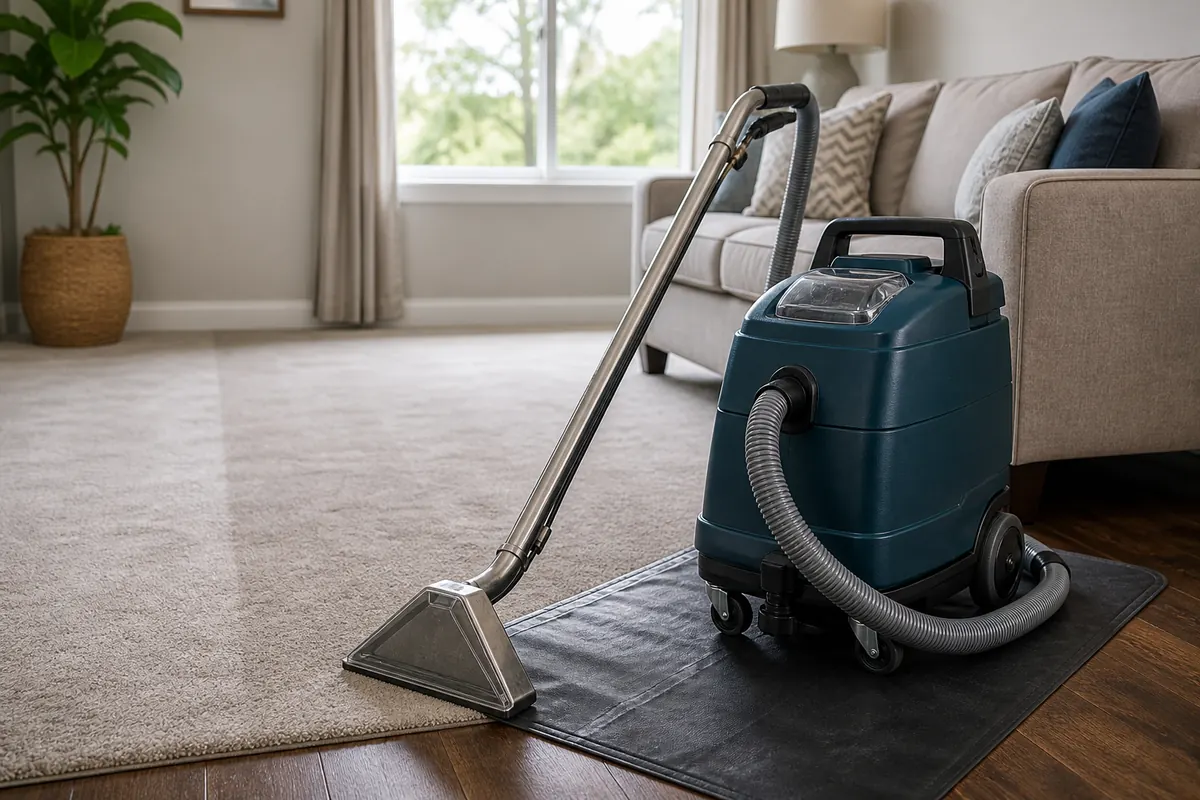
TRACE THE ORIGINAL CONTACT
Describe how the shoe-care product reached the carpet. A dropped applicator can leave a concentrated smear while footwear may create several smaller contacts across a room.
If you cannot distinguish polish from mud, say so. Mention the shoe-care product only if there is a reliable connection rather than diagnosing a dark mark from its colour.
A cream, liquid or paste description is useful if it comes from the actual product.
Locate the marks without treating disconnected transfers as one continuous patch.
CARPET COMPATIBILITY COMES FIRST
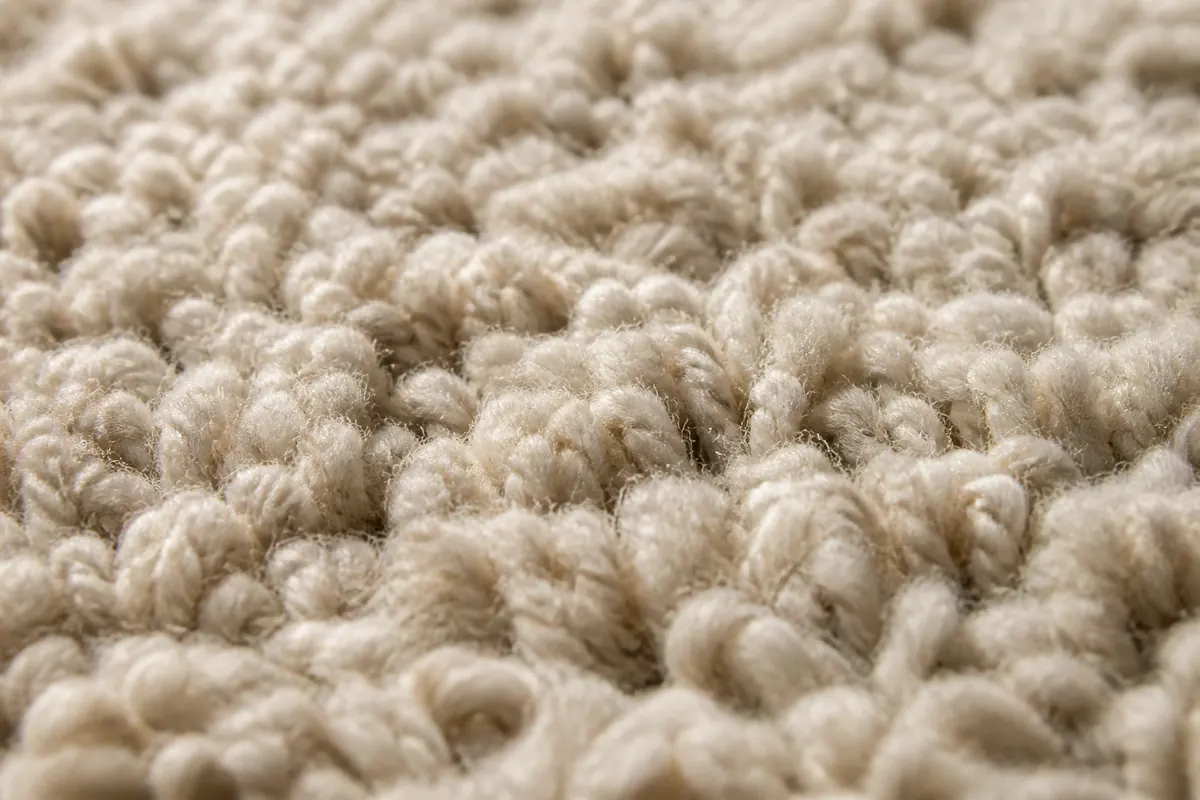
Synthetic
A synthetic carpet label does not establish that a polish remover is compatible.
Assess colour response before treatment.
Wool
Provide known care instructions alongside the polish description.
Do not use stronger chemistry just because the transfer is dark.
Low pile
A polished shoe can leave colour without explaining all visible wear around it.
Describe the incident separately from old traffic marks.
Deep pile
A brush or open tin may have contacted more than the visible tips.
Avoid rubbing material farther into the pile.
Rugs
Polish on a rug needs an independent fibre, dye and backing review.
Separate rug enquiry ↗ASSESSING SHOE-POLISH TRANSFER
The polish product, source of contact and earlier attempts are reviewed with the requested areas.
Fibre, backing, seams, existing wear and colour stability determine the treatment limits.
Dry vacuuming where required and compatible targeted pre-treatment follow safe preparation around nearby furnishings.
Controlled extraction or an assessed lower-moisture approach is used where appropriate; persistent colour does not justify indiscriminate product strength.
Practical moisture-recovery passes and suitable grooming precede review of any remaining transfer.
Handover covers ventilation, traffic and furniture replacement alongside any permanent stain or colour change.
POLISH MARKS AND ROOM SCOPE
Give the Harrow room size and locations of known polish transfers. The room guides do not establish a price per mark or promise complete colour removal; ask what can be attempted and confirm minimum visit conditions.
Minimum visit applies
Include every requested polish-contact location
| Requested carpet area | Incident detail | Published room start |
|---|---|---|
| Small carpeted room | Room size and concentrated contact location | From £30 |
| Two to three rooms | Named rooms with separate shoe transfers | From £75 |
| Stairs or additional sections | Identify affected steps or linking sections | Request a quotation |
| Separate or unusual textile | A polish-affected rug is a separate textile request. | Assessment required |
A clear scope can identify the accepted cleaning work. It cannot make shoe polish removable from every fibre or reverse colour loss caused by an earlier attempt.
Published service prices ↗AN ILLUSTRATIVE CARE SEQUENCE
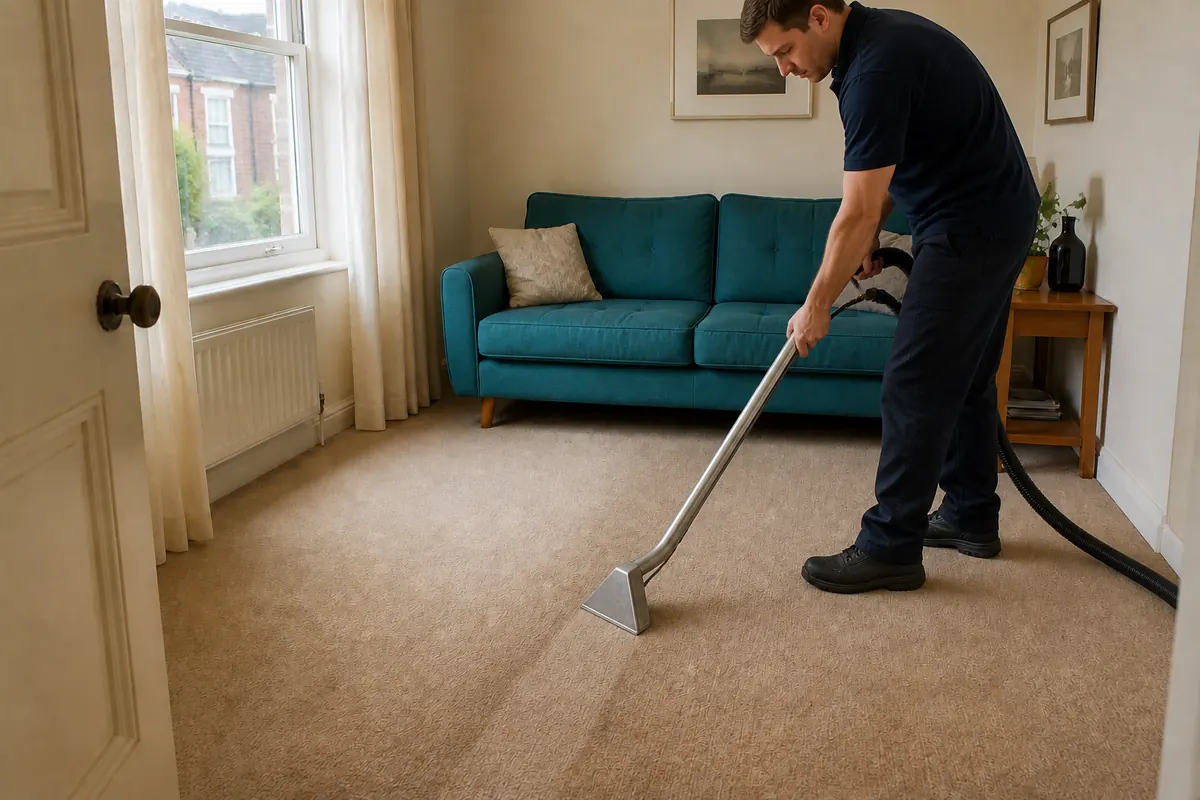
These AI-generated views are not photographs of a Harrow shoe-polish job or proof of a particular removal result.
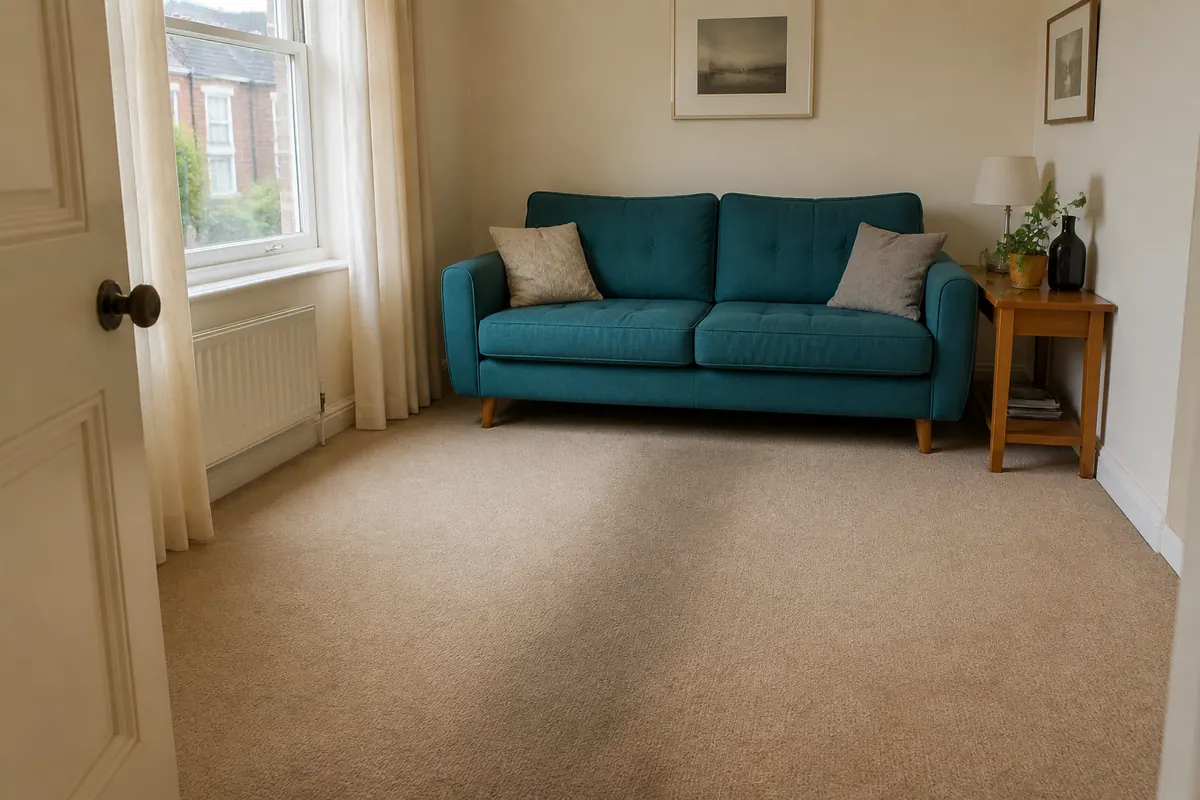 Before
Distinguish a direct applicator smear from later footwear transfers.
 During
Material and colour response guide the assessed cleaning, not the apparent darkness of the mark.
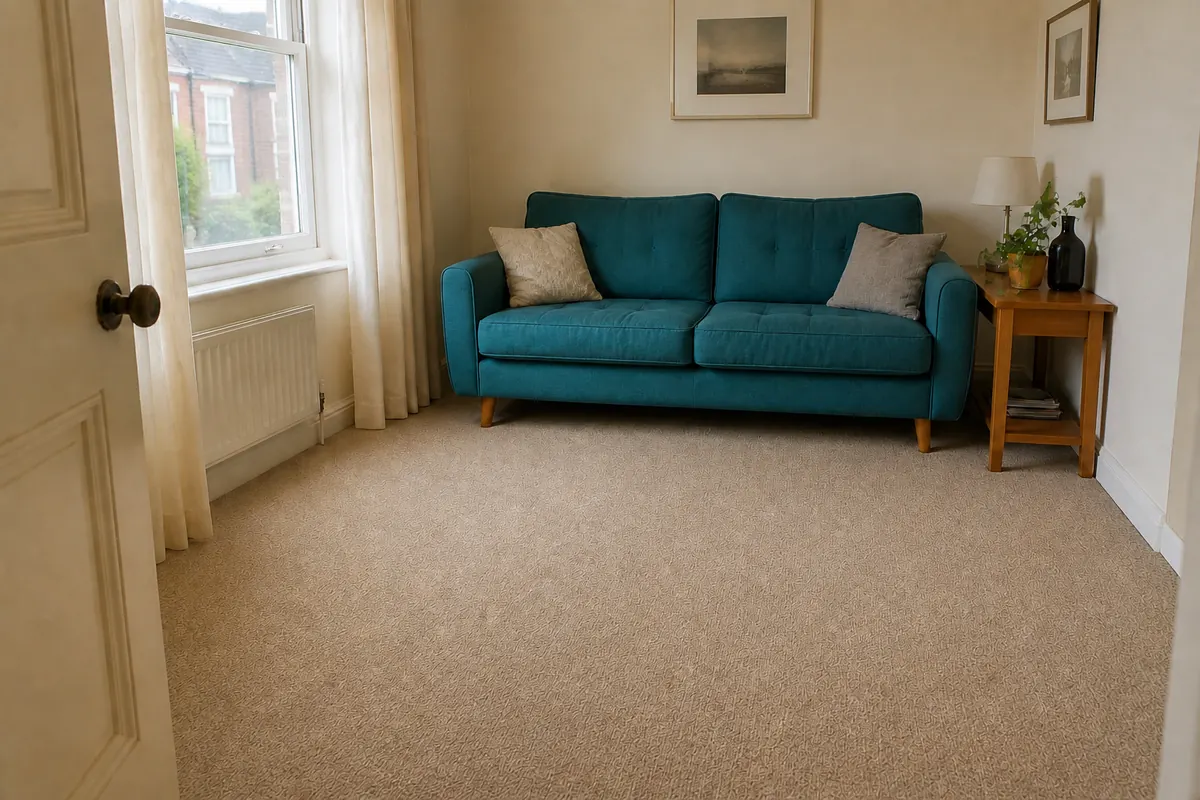 After
AfterPermanent staining or damage from previous treatment may remain visible.
THE SHOE-CARE HISTORY
A useful account identifies the actual source without assuming every dark footprint is polish.
Explain whether paste or liquid reached the pile directly.
Describe where bristles or the loaded applicator touched the floor.
Identify a transfer from cloth rather than calling it ordinary dust.
Locate the separate places contacted after polishing.
State uncertainty where there is no observed connection to shoe care.
Name any product already tried and describe a widened or lighter patch afterwards.
Polish staining and previous chemical damage cannot be guaranteed to disappear.
POLISH-TRANSFER ENQUIRIES
No. Small rooms start from £30 and two-to-three-room work from £75, subject to the minimum visit. The incident and suitable treatment determine the confirmed scope, not a removal promise.
Treat the transfer as a specific concern. Routine frequency should follow room use, soil build-up and manufacturer guidance rather than repeated attempts to erase the same colour.
Assessment, prior products and the accepted carpet area affect duration. Explain all contacts before requesting a time estimate.
Follow drying advice based on fibre, method, moisture recovery and ventilation. A lighter-looking transfer does not establish that the floor is ready for pressure or normal traffic.
No. Product type, age, carpet response and earlier chemicals may limit safe removal, and permanent dye or fibre changes can remain.
LOCATE THE CONTACTS
Name the starting incident and any additional contacts. Do not measure an entire room as one stain because a shoe crossed it.
HARROW BOOKING DETAILS
Give the property postcode, requested room dimensions and any retained product information. Explain whether several footwear contacts need assessment as well as the original spill.
Confirm appointment options and the accepted carpet scope.
Ask about polish-mark assessmentPair the postcode with the room details when enquiring.
Loading connects to Google Maps.Open Harrow in MapsAN ACCURATE CONTACT HISTORY
The actual tin or label is more useful than choosing a similar online product after the event.
A previous remover that changed the outline belongs in the account even if the original spot is now harder to see.
Persistent polish colour is not a reason to keep increasing concentration or scrubbing force.
Cleaning cannot guarantee reversal of every dark stain or a pale area caused by earlier chemical use.
SHOE-CARE PRODUCT QUESTIONS
Explain the contact and previous attempts without assuming a stain outcome from the product colour.
Describe the polish incidentProvide the actual product description if retained. A photograph of the label can clarify whether it was a cream, paste or liquid without guessing its chemistry.
State the uncertainty and describe what you observed. Do not label every dark shoe print as polish without a reliable link.
Colour alone does not determine safe treatment strength. The carpet response and product history need assessment.
Do not assume a product for footwear is compatible with carpet fibre, backing or dye. Disclose earlier use rather than experimenting further.
They explain different contact patterns and amounts. The account helps locate the accepted work without pretending to measure exact quantities.
List each affected room and locate the separate contacts. A final quotation should make the included areas clear.
Report the product and the change. Pale colour may reflect permanent dye alteration that further cleaning cannot restore.
No. It supports the enquiry but cannot establish all fibre, colour or treatment-history limits of the installed carpet.
START WITH THE CONTACT
Send the Harrow room details and known transfer history before requesting a carpet-treatment quotation.
Confirm attendance and suitable work directly
