Minimum visit applies
 020 3608 3976
EARLIER VISITS, CURRENT CONDITION
An earlier receipt can confirm attendance without describing exactly what was treated or what remained afterwards.
For your Ilford enquiry, distinguish payment paperwork from notes about the completed work. Match each document to the correct room and explain what has changed since that appointment.
Reliable records·Fresh inspection·Current advice
RECORDS AND OBSERVATIONS
A general service name on an invoice may not identify the equipment or products used. Do not infer technical details that the document does not contain.
If a room has been renamed or refurnished, explain the change. A note about the former guest room should not be attributed to a different installation because the current label sounds similar.
Link each earlier observation to the place where the work actually happened.
Keep approximate recollections separate from information recorded at the time.
MATERIAL CHECKS

Synthetic
Describe changes in sheen or texture observed since the earlier visit.
Distinguish observation from diagnosis.
Wool
Share material-specific advice supplied previously, but allow the installed condition to be checked again.
An old recommendation is context, not automatic approval.
Low pile
Distinguish a seam defect recorded before the last appointment from a new issue discovered later.
Cleaning is not a fitting repair.
Deep pile
Explain whether matting or compression has changed since the previous handover.
A description of progress is more useful than an assumed cause.
Rugs
Check whether an earlier receipt actually included loose rugs rather than assuming they shared the room treatment.
Separate rug enquiry ↗HOW THE CARPET IS CLEANED
Previous notes are compared with current observations.
Current fibre, backing, seams and colour stability are checked instead of assuming the earlier method remains suitable.
Dry vacuuming where required precedes appropriate spot pre-treatment, with chemistry chosen from assessment rather than increasing strength blindly.
Suitable extraction or another assessed lower-moisture option follows the carpet response and stated limits.
Moisture recovery and appropriate finishing allow remaining discoloration to be distinguished from scrubbed or damaged fibres.
New advice covers ventilation, foot traffic and furniture replacement.
PUBLISHED STARTING RATES
The rooms, furniture and condition may have changed since the last Ilford visit. Use the old scope to explain the differences, then request a current total with the minimum visit charge made clear.
Minimum visit applies
Check which rooms the new request includes
| Included request | Current room specification | Starting guide |
|---|---|---|
| Small carpeted room | Current measurements and condition | From £30 |
| Two to three rooms | Rooms now requested, not the former package | From £75 |
| Stairs or additional sections | List any sections omitted last time | Request a quotation |
| Separate or unusual textile | Identify any rug not included in the earlier carpet scope. | Assessment required |
Compare the listed areas and treatment assumptions, not just the totals. A previous charge does not establish what a different current scope will cost.
Published service prices ↗ILLUSTRATED EXAMPLE
These AI-generated views illustrate treatment stages. They are not records of an Ilford customer's previous or current appointment.
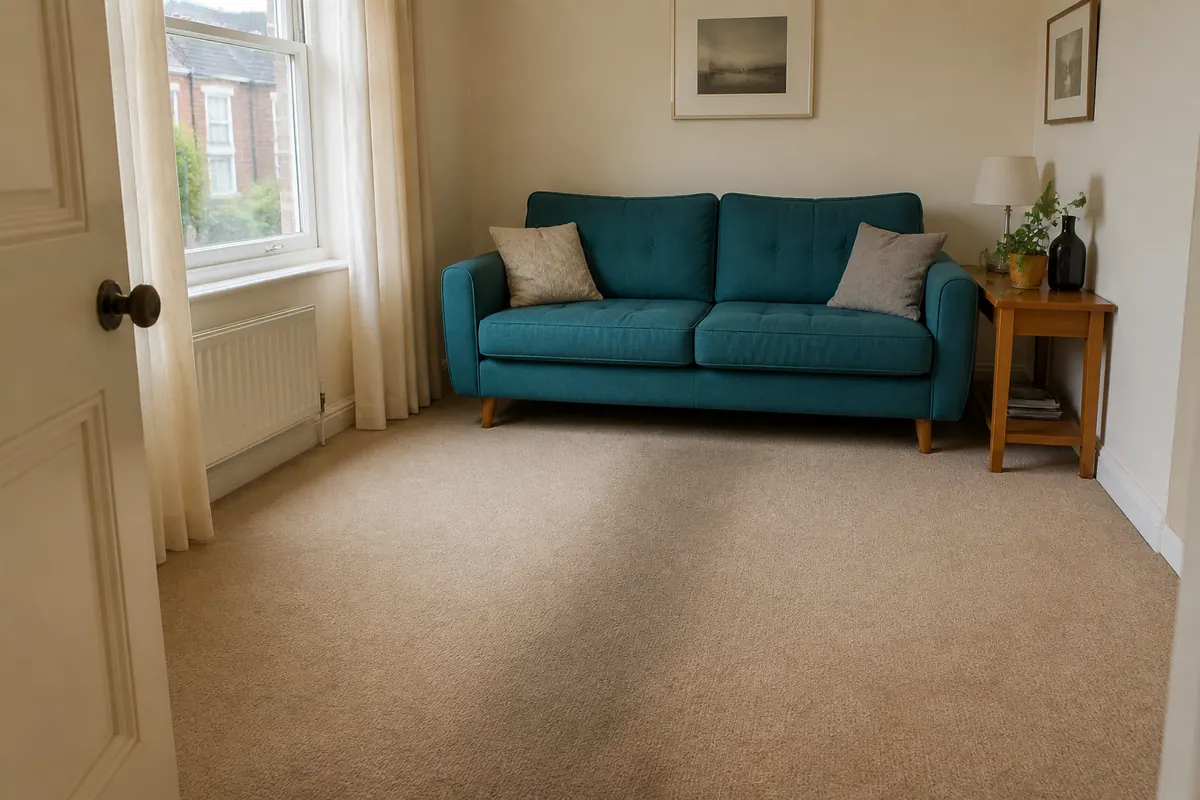 Before
Identify what was present before this visit so later comparisons have a clear reference point.
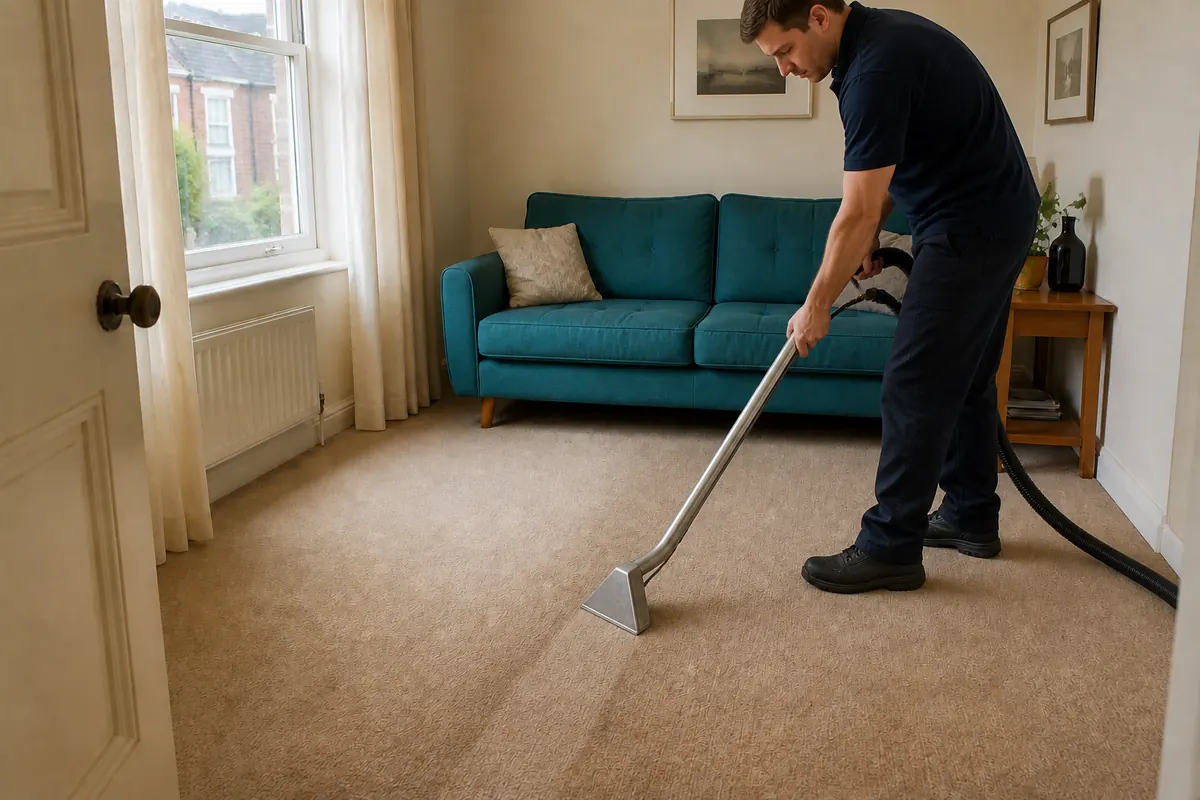 During
Current material response guides the cleaning; an earlier service label alone does not choose the settings.
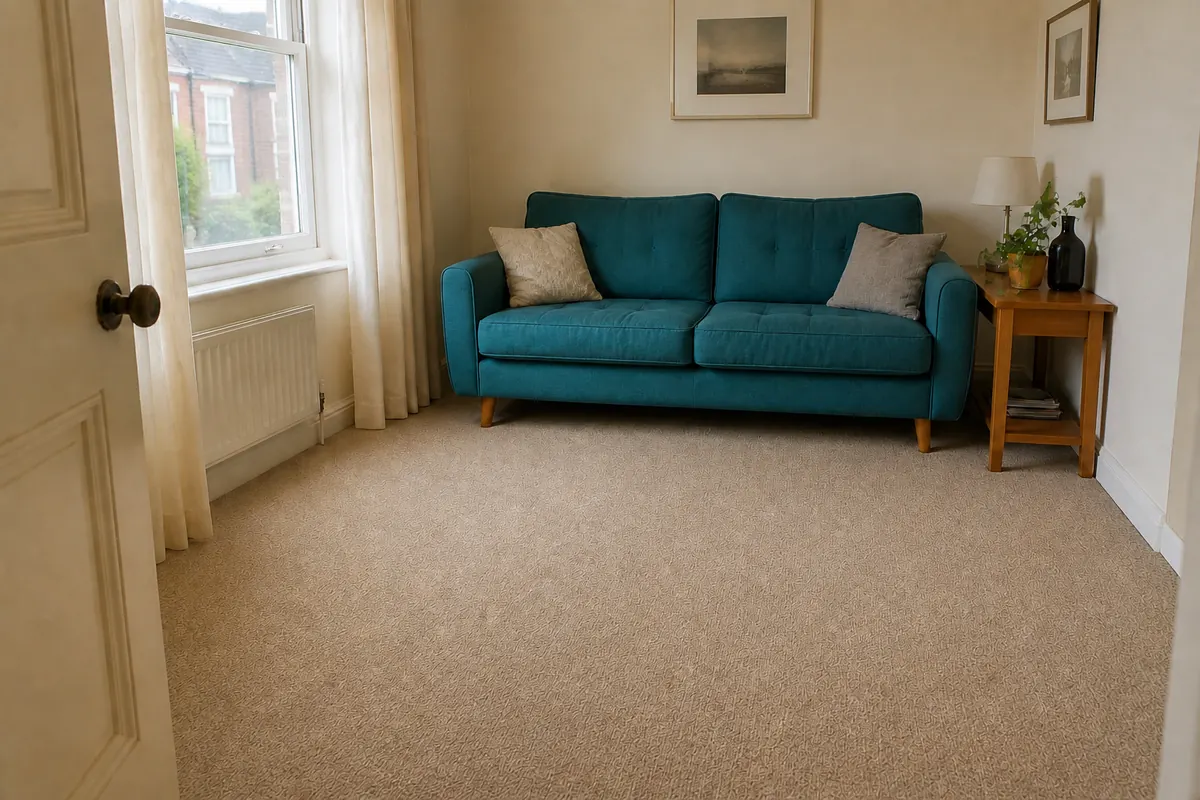 After
AfterNote the areas completed, remaining marks and relevant aftercare so the next enquiry starts with useful information.
GAPS IN THE EARLIER ACCOUNT
A record is useful only within its limits. Separate facts documented at the time from conclusions reached afterwards.
A total and date may not establish which spots or furniture-covered areas were treated.
If the document says only carpet cleaning, do not translate that into a particular technical process.
Connect the former room label with its current use so observations stay attached to the right carpet.
Absence from the notes does not prove when a mark first appeared; explain what you personally observed.
Mention later spot products, repairs or replacement sections that make the old account incomplete.
A handover sheet for the former carpet may not apply after replacement, even in the same room.
Previous treatment success does not guarantee the same outcome on the current carpet.
PLANNING THE NEXT VISIT
Not necessarily. Current starting guides are £30 for a small room and £75 for two to three rooms, subject to the minimum visit. Changed area, condition or access needs a fresh quotation.
Use those dates as background, then consider present use, soil build-up and the carpet maker's guidance. A former interval may no longer suit a room used differently.
It is only a reference. Different furniture, added rooms or more involved spot work can change the required time; request an estimate for the current specification.
No fixed repeat time follows from that experience. Today's method, moisture recovery, fibre and ventilation shape drying; use the new handover advice before restoring normal traffic or furniture.
No. A similar-looking mark may have a different cause, and later products or permanent colour changes can limit safe treatment. Earlier success is not a removal guarantee.
MATCH THE ROOM RECORDS
Separate rooms treated previously from new additions to the enquiry. State whether the installation itself is unchanged before attaching old observations to it.
LOCATION CHECK
An older invoice may show a previous address or access contact. Give the current Ilford property details and room list when checking attendance, even if a cleaning visit was arranged there before.
Previous attendance does not confirm a new appointment.
Discuss the current booking detailsThe map locates Ilford; appointment arrangements still need direct confirmation.
Loading connects to Google Maps.Open Ilford in MapsA USEFUL CONTINUITY RECORD
Identify whether a detail comes from an invoice, a technician's note or your own recollection.
Unknown products remain unknown; a guess can mislead the treatment assessment.
Explain later incidents and home treatments rather than presenting the former handover as the current condition.
Discuss remaining shading or damage under normal room light and retain the advice specific to the completed work.
BEFORE YOU BOOK
You do not need a perfect archive. A small amount of accurate, room-specific information is more useful than technical details reconstructed from memory.
Explain what you have retainedOnly if it actually specifies that method. A generic service description establishes less, and should be shared without filling in the gaps.
Select the relevant room scope and care notes. Avoid sending unrelated payment details or personal information not needed for the enquiry.
Give both its former and current name, such as former study, now bedroom, and say whether the same carpet remains installed.
Label it as your recollection and explain the uncertainty. Do not present approximate wording as a confirmed technical instruction.
They can show an earlier visible condition if the date and room are clear. Differences in lighting and pile direction mean they are not a precise measure of cleaning performance.
Yes. Identify where they were applied and the product if known, because the earlier record cannot account for subsequent treatment.
They describe a different installation. Identify the replacement and provide its own fibre or manufacturer information if available.
Keep the agreed room scope and the handover guidance, including any remaining permanent marks discussed. These provide context if you seek care again.
BRING THE RELEVANT HISTORY
For an Ilford carpet enquiry, identify the rooms, any retained treatment information and changes since the last professional visit. Ask for a fresh assessment and current quotation.
Ilford: appointment availability must be confirmed
