Coverage planning
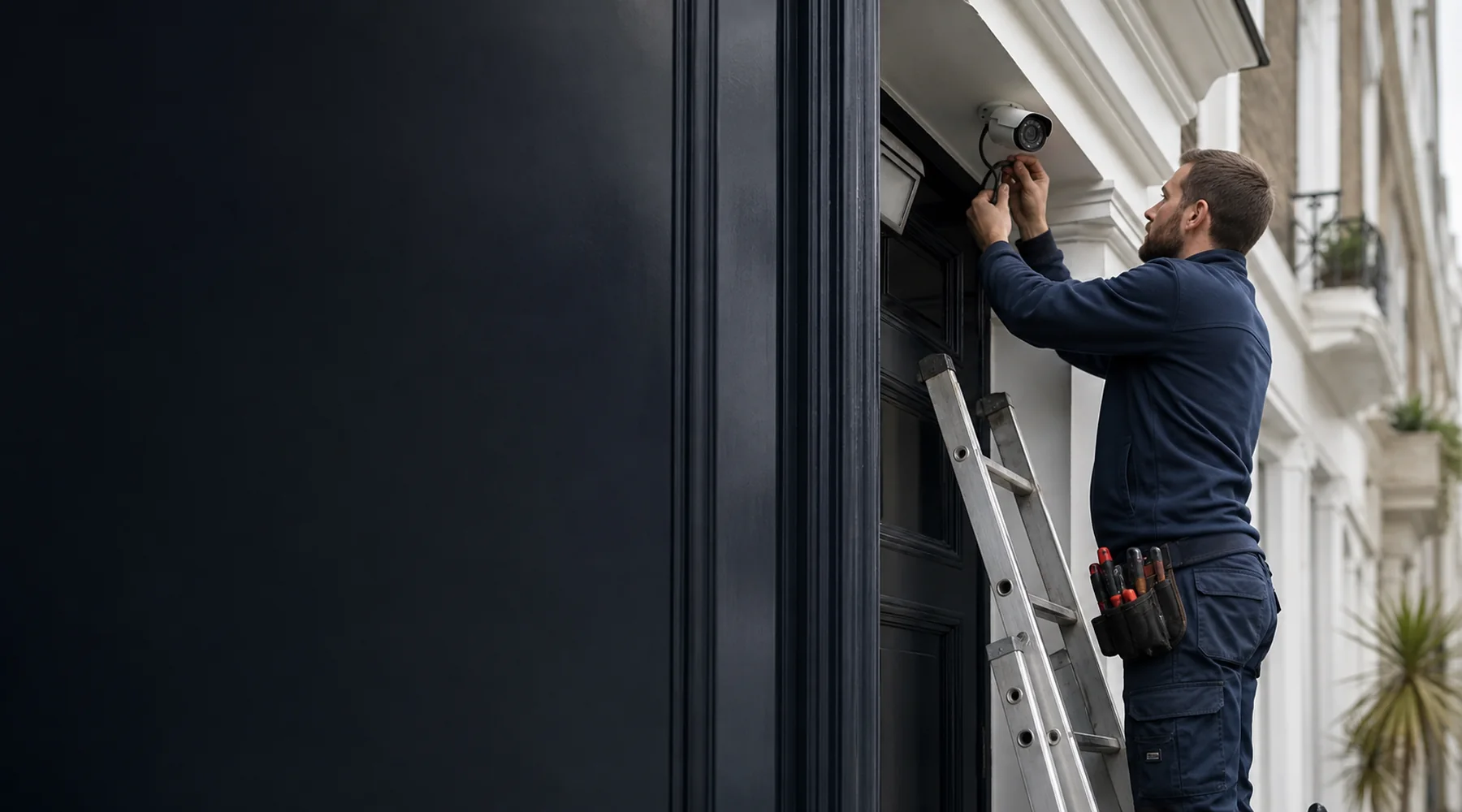
Camera positions are selected around useful sightlines, lighting, mounting height and privacy boundaries.
Alesta · CCTV installation in London
Residential CCTV planned around entrances, sightlines, privacy, recording and secure access, with the equipment and cable route agreed before installation.
☎ Call 020 3608 3976Plan the view before drilling
Camera count alone does not define a good installation. We look at the entrances, approach routes, vulnerable areas, available light, mounting surfaces and the detail you expect to identify. The plan must also consider neighbours, public areas and household privacy rather than recording a wider view simply because the lens allows it.
Wired, networked and compatible wireless equipment each place different demands on power, data, signal and recording. We confirm where footage will be stored, who should access it, how long it needs to remain available and whether remote viewing depends on the property's broadband and account security.
Camera positions are selected around useful sightlines, lighting, mounting height and privacy boundaries.
Power and data paths are agreed around the construction, access and finish of the property.
Compatible recording, storage and remote access are configured to the agreed system design.
Views, recording, time, playback, alerts and authorised user access are checked before completion.
Common reasons customers call
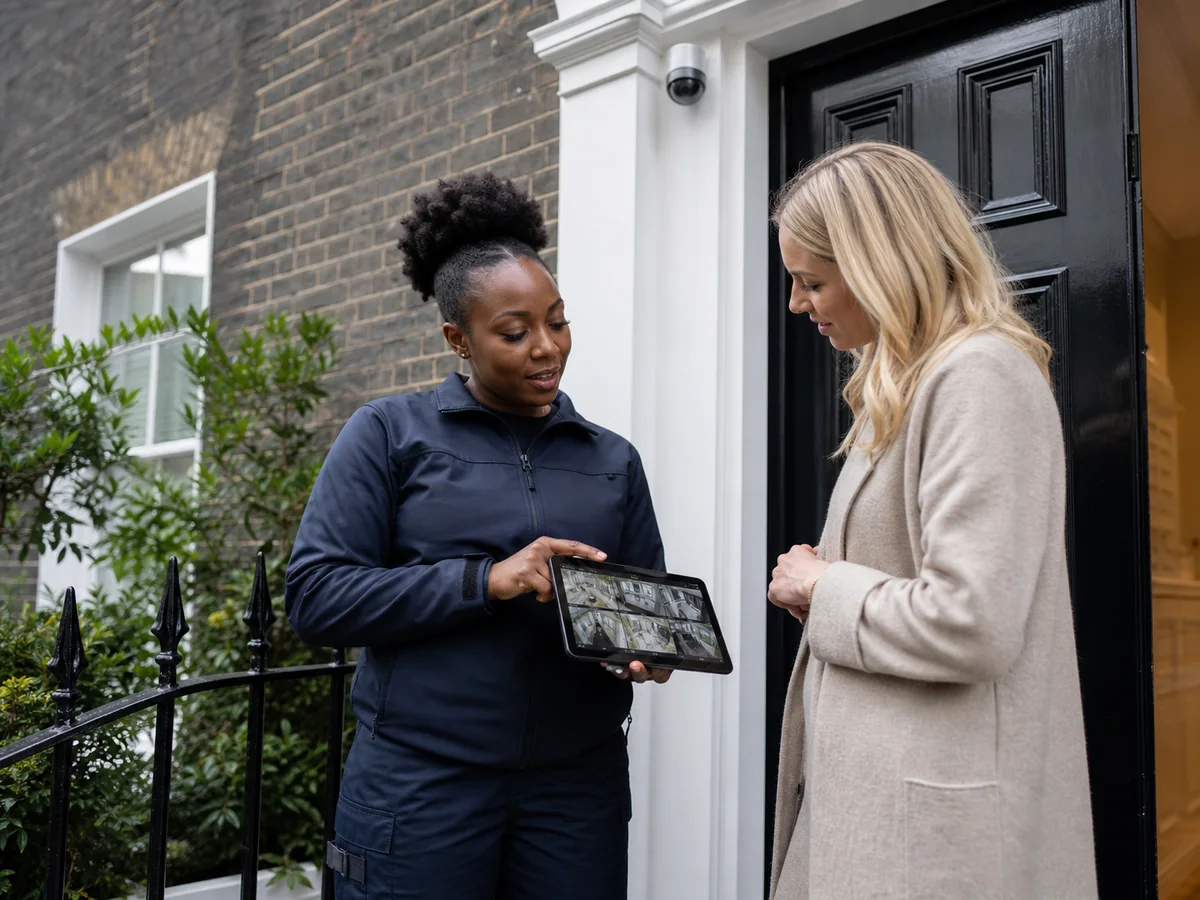
The approach, doorway or delivery area needs a useful view without unnecessary coverage beyond the property.
Camera positions, focal length or lighting no longer provide the detail expected from key areas.
Authorised household or property-management users need secure access to live and recorded footage.
Power, network and recorder locations can be planned before finishes make later installation more disruptive.
Why Alesta for CCTV installation
Views, identification distance and privacy boundaries are discussed before mounting points are fixed.
Cameras, recorder, storage, power and network requirements are planned as one working system.
Routes, penetrations, exterior seals and internal finish are assessed before installation proceeds.
Recording, playback and authorised remote viewing are demonstrated rather than left as unopened features.
A considered process
Every CCTV project begins with the purpose of each view. We ask which entrances, approaches or internal areas matter, what level of detail is expected and who will use the footage. A survey considers mounting height, obstructions, lighting, night-time conditions and the distance to the subject. Privacy is part of the design: a camera should not capture a neighbour's window or a broad public area simply because it can. Proposed positions and any masking requirements are agreed before drilling.
The system architecture is then confirmed. Camera resolution, lens, low-light capability, weather rating and audio features must be compatible with the recorder and the way footage will be accessed. Storage is estimated from camera count, recording mode, frame rate and retention target. Wired network cameras normally provide stable power and data but require planned routes; wireless devices still need reliable power, signal and account security. Remote viewing also depends on the household's broadband, router access and supported mobile platform.
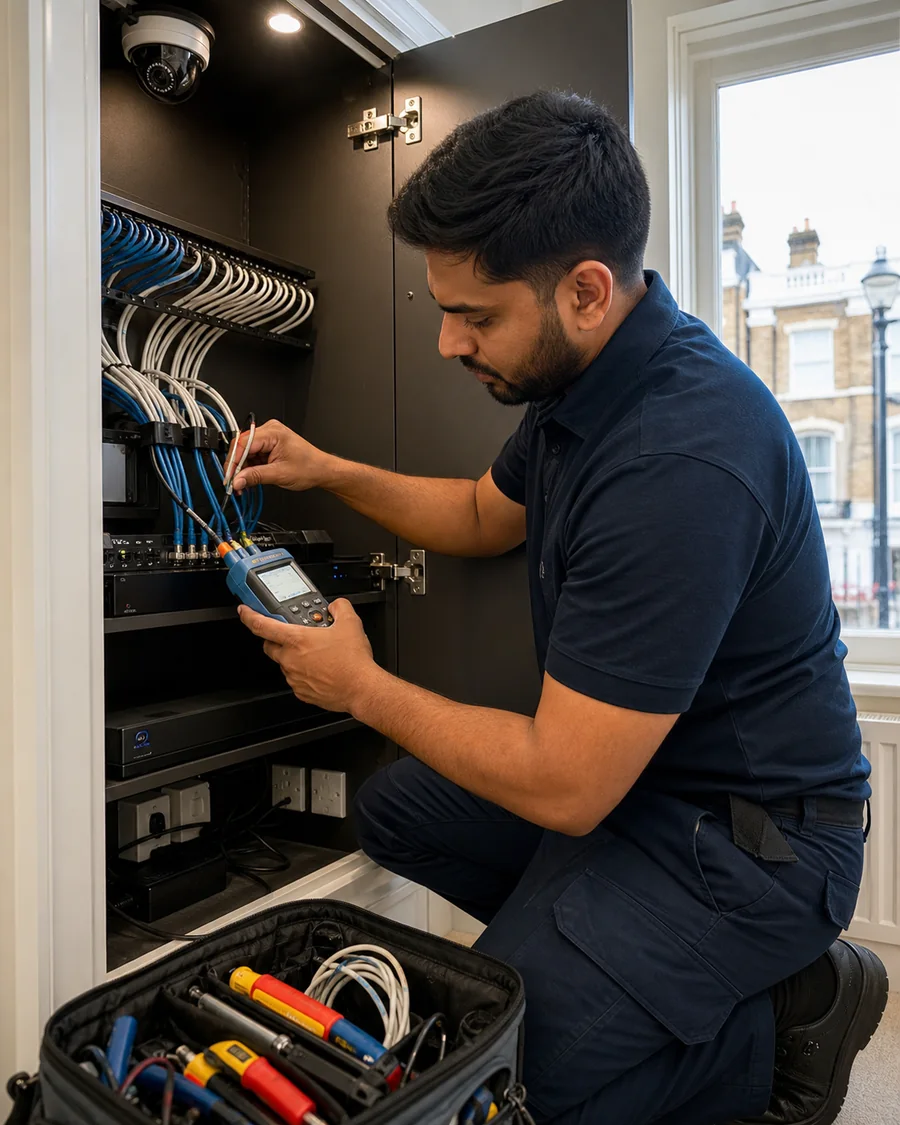
During installation, cable paths and penetrations are protected and kept as discreet as the building allows. Exterior entries are sealed with suitable materials, bends and connectors are not left under strain, and the recorder is placed in a ventilated, controlled location. Each cable is terminated and tested before the camera is commissioned. Views are focused to the agreed areas, privacy zones are applied where supported, and night images are checked for reflections from walls, gutters or nearby lights.
At handover, the date and time, recording schedule, storage status, playback, export and alerts are tested. Authorised users are shown how to use strong unique credentials, restrict shared access and keep firmware and applications updated. We record the installed positions and explain any dependency on internet, cloud subscriptions or third-party services. CCTV does not replace suitable locks, lighting or household routines; the aim is a proportionate, maintainable system that provides useful evidence and can be operated confidently after the installer leaves.
Clear pricing
The final cost depends on camera count, equipment specification, cable routes, access, recording capacity, network setup and commissioning time.
| Service scope | Price | What affects the final price |
|---|---|---|
| Single-camera residential installation | From £400 | Camera type, mounting surface, power, cable distance and recorder compatibility |
| Multi-camera wired system | From £800 | Camera count, cable routes, recorder, storage, access and commissioning |
| Complex or integrated specification | Survey and quotation | High access, network changes, long retention, monitoring or third-party integration |
Pricing context: Existing Alesta CCTV pricing indicates a basic installation from about £400 and larger systems from around £800. Equipment, cabling and any subscription or cloud cost must be confirmed in the written scope.
How the service works
Identify the important entrances and areas, the property layout and who should access footage.
We agree cameras, views, recording, storage, cabling, privacy boundaries and network needs.
The system is commissioned and authorised users are shown recording, playback and access.
CCTV installation FAQ
Useful answers about camera positions, privacy, recording, internet access, cabling and pricing.
☎ Call 020 3608 3976The answer depends on the specific views and identification distance, not property size alone. A survey avoids adding cameras that duplicate coverage or still leave blind spots.
Coverage should be proportionate and respect privacy. Positions, lens choice and supported privacy masking are used to limit unnecessary recording beyond the property.
Local recording can operate without internet on many systems, but remote viewing, cloud features, alerts and updates usually depend on a suitable network connection.
It may be held on a local recorder, memory card or supported cloud service. Capacity, retention, ownership and subscription costs are confirmed in the specification.
The installer plans discreet routes, but the building construction and agreed level of making-good determine what can be concealed safely without disproportionate work.
Compatible systems can provide authorised remote access after secure account setup. Functionality depends on the selected equipment, app support and household network.
Camera count and quality, recorder and storage, cable length, high access, drilling, network work, integrations and commissioning time all affect the quote.