
How to Stop Condensation on Windows Overnight: A Practical UK Guide
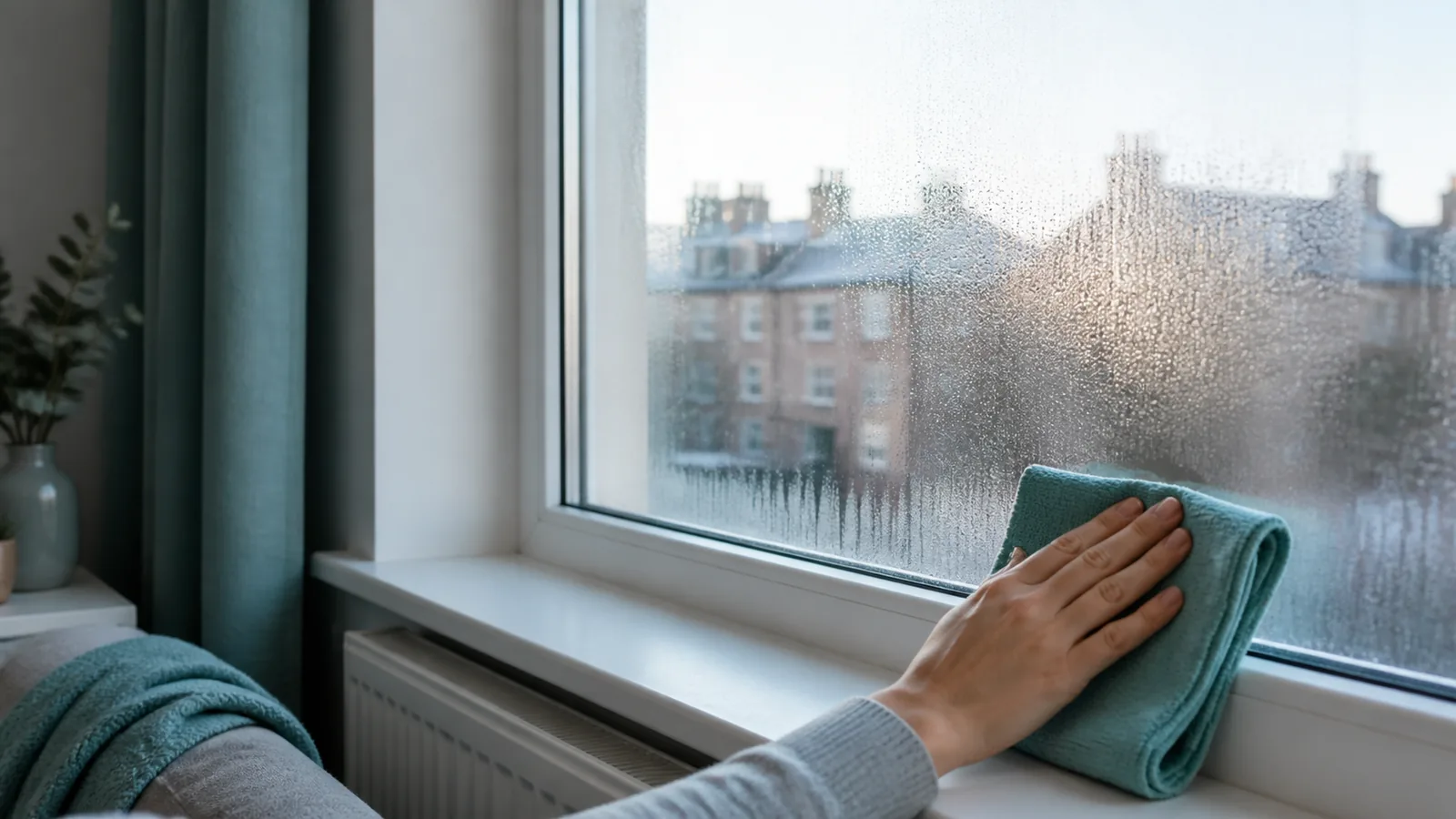
Wipe away standing moisture, use short periods of effective ventilation, keep background heat reasonably steady and reduce moisture released indoors. Persistent condensation on one window or wall can also indicate a cold bridge, failed seal or building defect that needs investigation. This guide explains the safest useful checks, the mistakes that can make the situation worse and the point at which a trained specialist should take over.
Why this problem happens
Several different conditions can create a similar visible symptom. The most useful diagnosis comes from considering where the problem started, when it changes and whether it is connected to weather, water use, heating or a particular appliance cycle.
- warm humid air meeting cold glass
- steam from showers and cooking moving through the home
- clothes drying indoors without enough extraction
- blocked trickle vents or an extractor that is not clearing air
- rooms becoming very cold overnight
Do not assume the first visible symptom identifies the root cause. A recurring problem deserves investigation because repeated cleaning, resetting or drying can hide evidence without correcting the underlying fault.
Safe checks you can make now
Start with the least invasive actions. Keep people safe, protect surrounding materials and preserve useful evidence for a technician or property manager.
- dry the glass and sill so water cannot soak into frames
- open windows briefly and fully rather than leaving one barely open all day
- run bathroom and kitchen extraction during use and afterwards
- leave a modest gap between large furniture and outside walls
- check humidity patterns with an inexpensive hygrometer
- investigate staining, damaged seals or wet plaster that does not dry
Work methodically and change one thing at a time. This makes it easier to tell which action helped and avoids creating a second problem while trying to solve the first.
Mistakes to avoid
Urgency often leads people to use stronger products, more heat or repeated resets. Those shortcuts can damage finishes, spread contamination or delay the correct repair.
- painting over black marks before the moisture source is understood
- placing wet towels on radiators
- closing every vent to retain heat
- using a dehumidifier as a substitute for repairing a leak
How to document the problem clearly
Take a wide photograph showing the room or appliance position and a closer image showing the affected detail. Record the date, recent weather or appliance use, any smell or sound, and whether the symptom changes after dry the glass and sill so water cannot soak into frames. If it is safe, repeat the observation at the same time on the following day. A short, accurate timeline is more useful than guessing at a diagnosis.
Tenants should report the issue in writing and retain photographs. Homeowners should note any recent repairs, decorating, leaks or changes to ventilation. Do not dismantle components simply to obtain a better picture; accessible evidence is sufficient for an initial conversation.
Preparing for a professional visit
Clear reasonable access without moving dangerous, heavy or connected equipment. Keep model details, tenancy information or previous invoices available where relevant. Tell the specialist about every step already attempted, especially cleaning products, resets or temporary repairs. This helps avoid duplicated work and allows the appointment to focus on the most likely causes.
When professional help is the better choice
Arrange an assessment when the source is uncertain, the issue returns, access requires dismantling or there is a safety concern. In particular, seek help when water returns despite sensible ventilation; mould has spread onto plaster, sealant or furnishings; the patch becomes worse after rain or plumbing use.
For related help, view Alesta’s mould removal service, or call 020 3608 3976 to discuss access and availability.
Frequently asked questions
When should I stop and call a professional?
Professional help is sensible when water returns despite sensible ventilation.
What is the most common cause?
The common causes include warm humid air meeting cold glass, steam from showers and cooking moving through the home, clothes drying indoors without enough extraction. The pattern and timing usually provide the best clues.
Can I deal with a small problem myself?
You can complete the safe, accessible checks in this guide. Stop if the work involves electricity, gas, concealed damage, extensive contamination or dismantling.
How can I prevent it returning?
Prevention starts with leave a modest gap between large furniture and outside walls, check humidity patterns with an inexpensive hygrometer, investigate staining, damaged seals or wet plaster that does not dry. Address the source rather than repeatedly hiding the symptom.
What information should I give the technician?
Note when the issue started, what changed, any error codes or moisture pattern, and the steps already attempted. Clear photographs can help the first assessment.
This article provides general household guidance. Follow the manufacturer’s instructions and use a suitably qualified professional for regulated, hazardous or concealed work.
