 020 3608 3976
INSPECT · CONTROL · REVIEW
A Building-Aware Mice Plan for Limehouse
Use follow-up evidence rather than one quiet day to judge progress.
Evidence mappedRisks assessedMonitoring planned
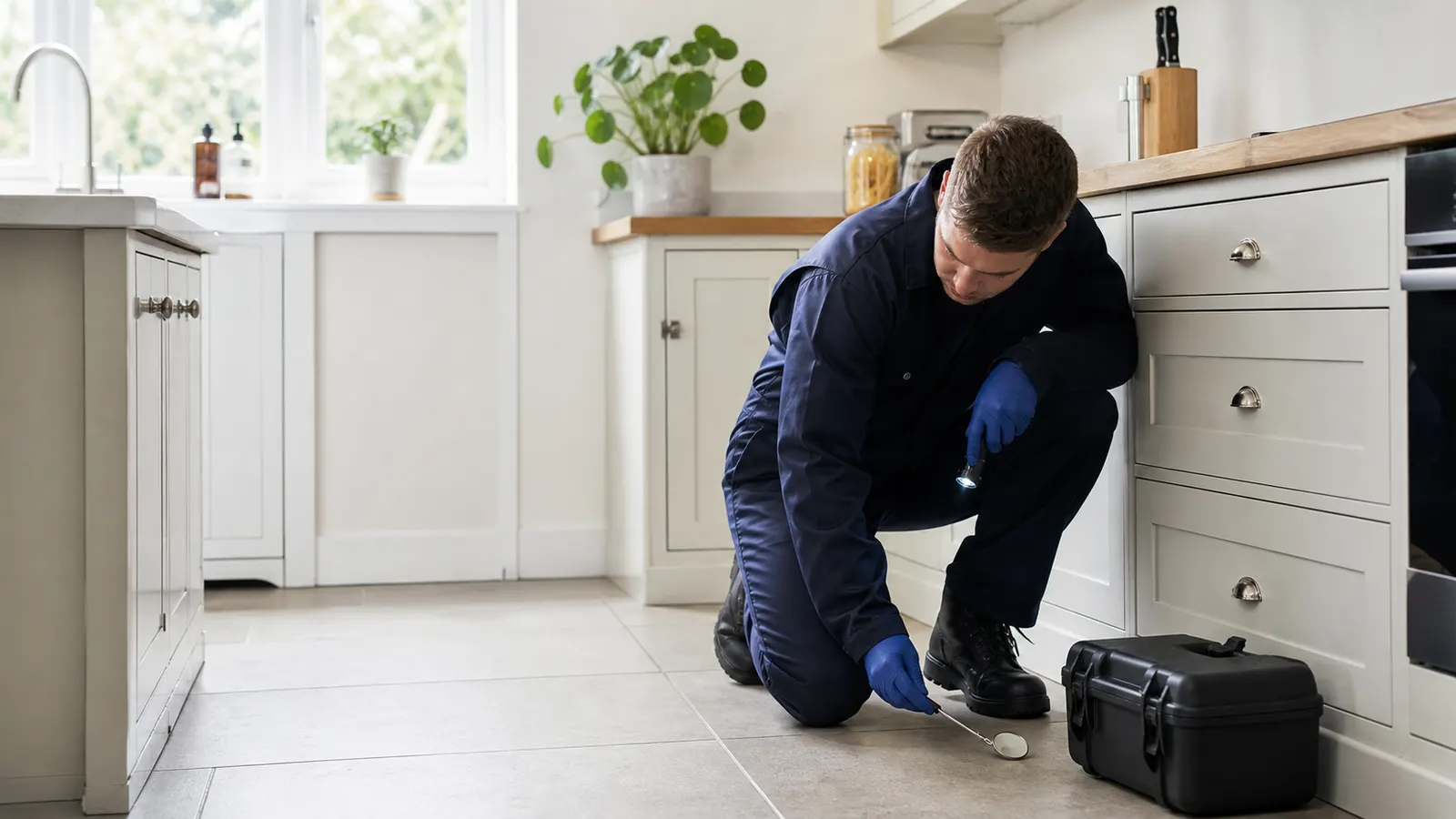
HOW THE PLAN DEVELOPS
One programme, four connected decisions
- 01Read the signsRooms, times and evidence
- 02Find likely routesFood, harbourage and access
- 03Control and monitorRisk-based measures
- 04Proof and reviewClose gaps at the right stage
Mice control information for Limehouse
| Area | Limehouse |
|---|---|
| Inspection focus | Service voids |
| Evidence considered | Droppings, gnawing, tracks, noise, sightings and previous treatment |
| Typical process | History, inspection, risk assessment, control, monitoring, proofing advice and review |
| Suitable for | Homes, rentals and managed properties where authority and access are confirmed |
| Safety | Children, pets, occupants and non-target access shape device placement |
| Proofing | Accessible gaps are prioritised from evidence at the appropriate stage |
| Pricing basis | Property, activity, access, visits, method, monitoring and remedial scope |
Mice control questions for Limehouse
Will removing food solve the problem in Limehouse?
Food control helps, but harbourage and entry routes must also be considered.
Should I move appliances before arrival in Limehouse?
Only if it is safe and requested. Do not disconnect or move heavy appliances just to expose a suspected route.
Can every gap be sealed immediately in Limehouse?
Not always. Proofing is timed so active mice are not blindly sealed into inaccessible voids.
Can I use my own traps at the same time in Limehouse?
Tell the technician about all products and devices already used and do not add or move measures during the programme.
Can proofing guarantee mice never return in Limehouse?
No responsible service can guarantee permanent absence while other building routes and food sources remain uncontrolled.
Is treatment safe around children and pets in Limehouse?
The risk assessment and secure placement consider occupants, pets and non-target access. Follow all instructions given.
Are sounds at night definitely mice in Limehouse?
No. Inspection and evidence are needed because sound can travel through walls and ceilings.
Do mice always stay in the kitchen in Limehouse?
No. They can travel through service routes, floors, walls and loft areas.
What a useful close-out should confirm in Limehouse
The team records conditions that may require another trade or managing agent. Cleaning is planned with appropriate precautions around contaminated areas. A quiet day is not used as evidence that the programme is complete. Follow-up findings determine whether further control remains justified.
At the basement storage beside older masonry in Limehouse, the starting evidence is evidence close to water and food access. The technician maps food water harbourage and likely travel lines. Control choices account for non-target species and ordinary room use. Species identification prevents a mouse report becoming the wrong programme. Where access is limited the uncertainty is explained clearly.
Accessible pipe gaps skirting edges and appliance voids are checked. Proofing material is selected for the actual gap and surrounding construction. External interfaces are checked only where they are safely accessible. Recommendations distinguish immediate actions from longer-term maintenance.
The inspection looks beyond the most obvious hole or damaged packet. Follow-up findings determine whether further control remains justified. The technician maps food water harbourage and likely travel lines. The final scope reflects visits access and measures actually required.
Evidence in separate rooms may indicate more than one travel line. A landlord or manager may need to address routes beyond the flat. The building layout matters because mice can move through concealed routes. The programme avoids sealing active animals into inaccessible voids.
The age and distribution of signs guide monitoring positions. Pet food is managed overnight without disrupting normal household care. Evidence in separate rooms may indicate more than one travel line. A landlord or manager may need to address routes beyond the flat.
Droppings are treated as contamination rather than handled casually. The customer receives practical preparation instructions before attendance. No permanent-clearance claim is made while building-wide routes remain open. The plan may change when follow-up evidence shows a different route.
Earlier products and traps are documented before new measures are selected. Review timing is agreed so progress can be judged from evidence. The team records conditions that may require another trade or managing agent. Secured monitoring or control measures are placed only where the risk assessment supports them.
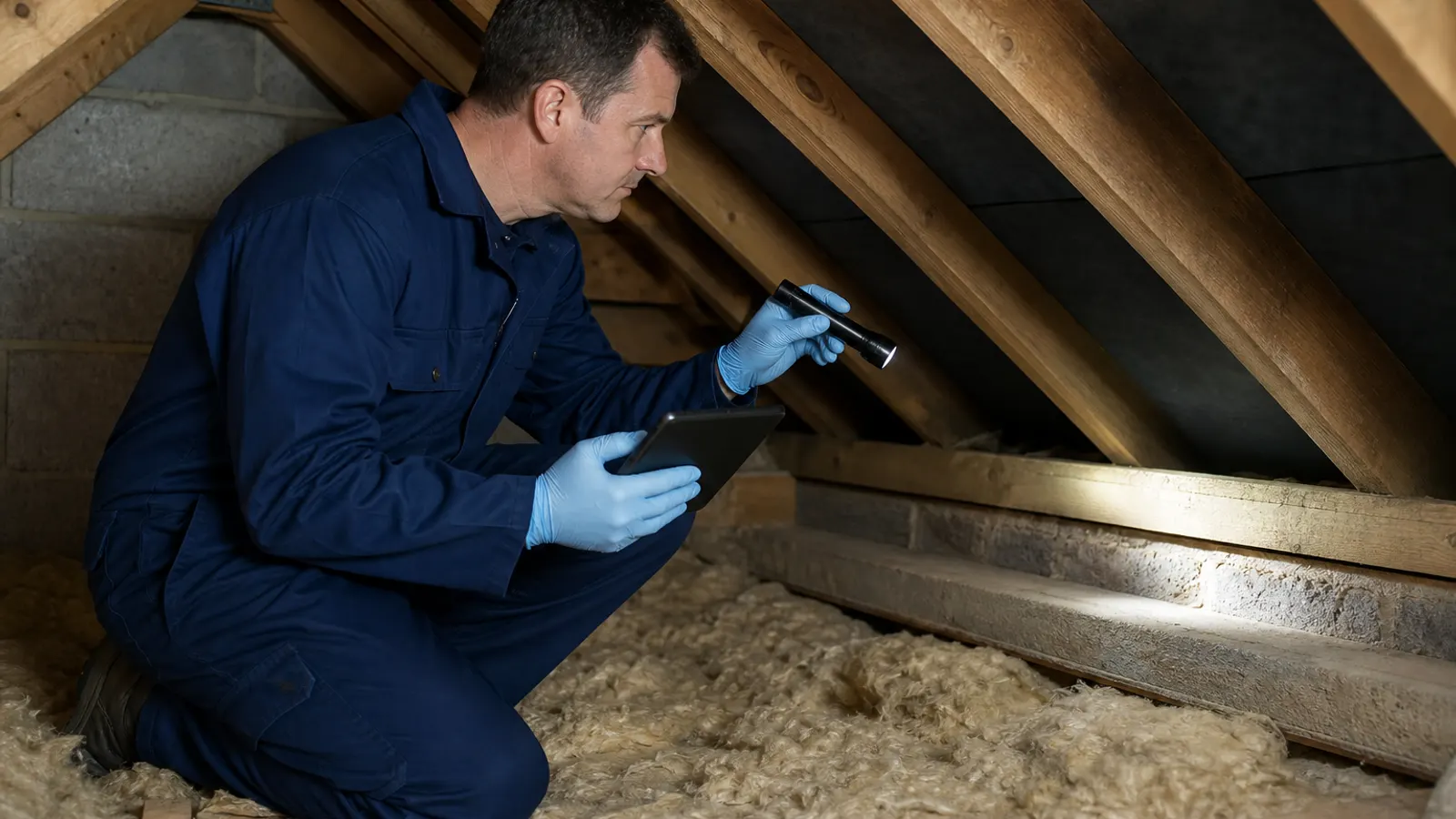
BUILDING + BEHAVIOUR
The visible sign is only the starting point
A useful assessment connects evidence with food, water, voids, pipe penetrations and shared routes before control measures or proofing are agreed.
Nearby coverage and related pest services
Choose a local page for the actual property address, or review the main service scope before booking.
Mice control prices
| Service scope | Price | What shapes the quote |
|---|---|---|
| Initial mice inspection | Quoted from property details | Rooms, evidence, access, history, occupants and shared routes |
| Treatment and monitoring programme | Quoted after assessment | Activity, visits, measures, devices and review requirements |
| Proofing or building remedials | Quoted separately | Gap locations, materials, access, trade work and communal responsibility |
The final price depends on property size, activity, visits, access, treatment, monitoring and proofing. Building repair, specialist cleaning and work beyond the customer’s premises are separate unless expressly included.
BOOKING DETAILS
Describe the pattern, not only the last sighting
Share the Limehouse postcode, rooms, times, droppings, sounds, sightings, pets, children and previous treatment. Call 020 3608 3976 · Request a quote
