
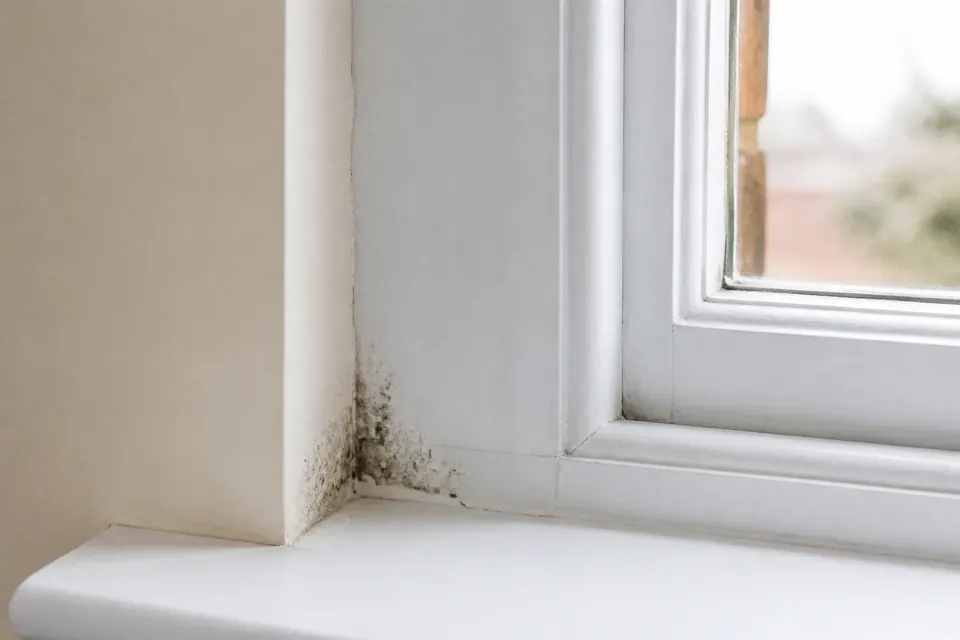
Window-area marks after water
State what was observed at the frame and whether repair is confirmed. Include surrounding plaster rather than assuming the frame and wall are one material.
Cheshunt / A LOCALISED CHANGE AFTER WATER
Small in appearance does not mean simple in history.
If a wall changed after a known leak or other water event, the current material matters as much as the visible size. For Cheshunt, confirm postcode availability and explain the sequence before assuming that a localised patch is ready for removal.
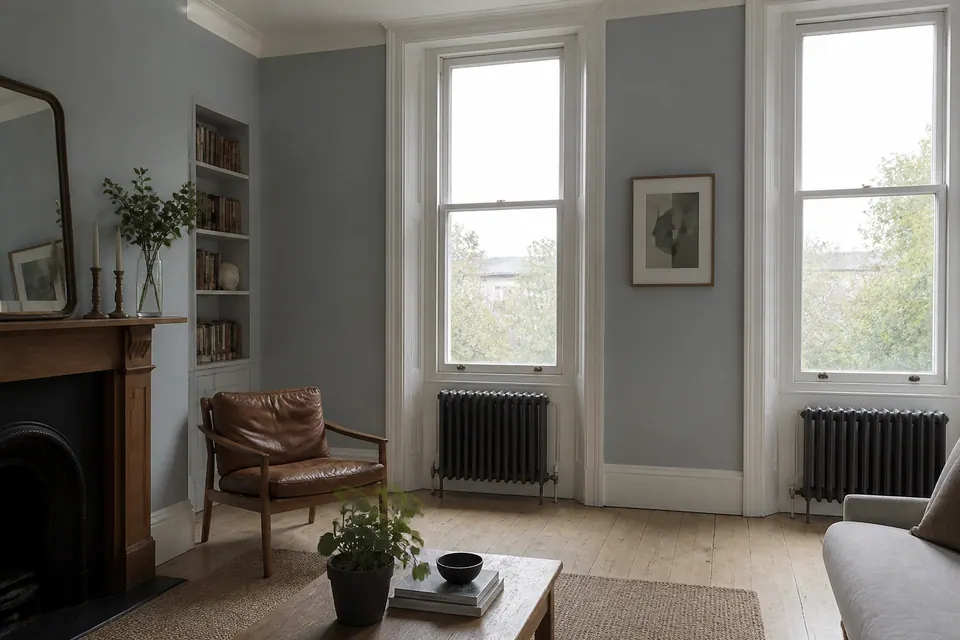
Water event · repair status · current material
01 / LOCATE THE ISSUE
Choose the setting and identify the surface now visible. A known event is useful history but does not establish every current condition.
State what was observed at the frame and whether repair is confirmed. Include surrounding plaster rather than assuming the frame and wall are one material.
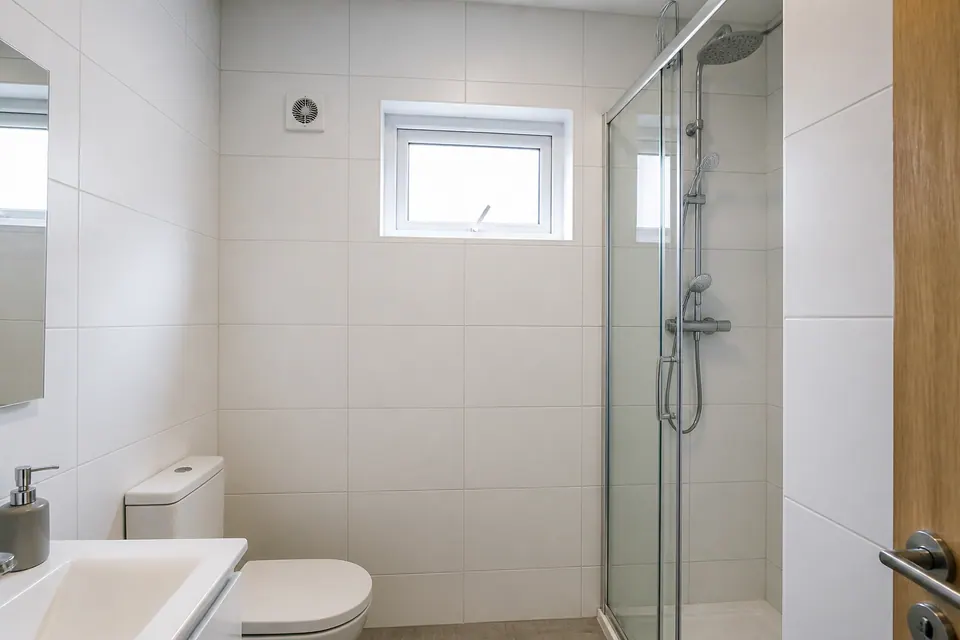
Describe the actual event and present repair status. Separate suitable growth from softened board, loose paint or another damaged finish.
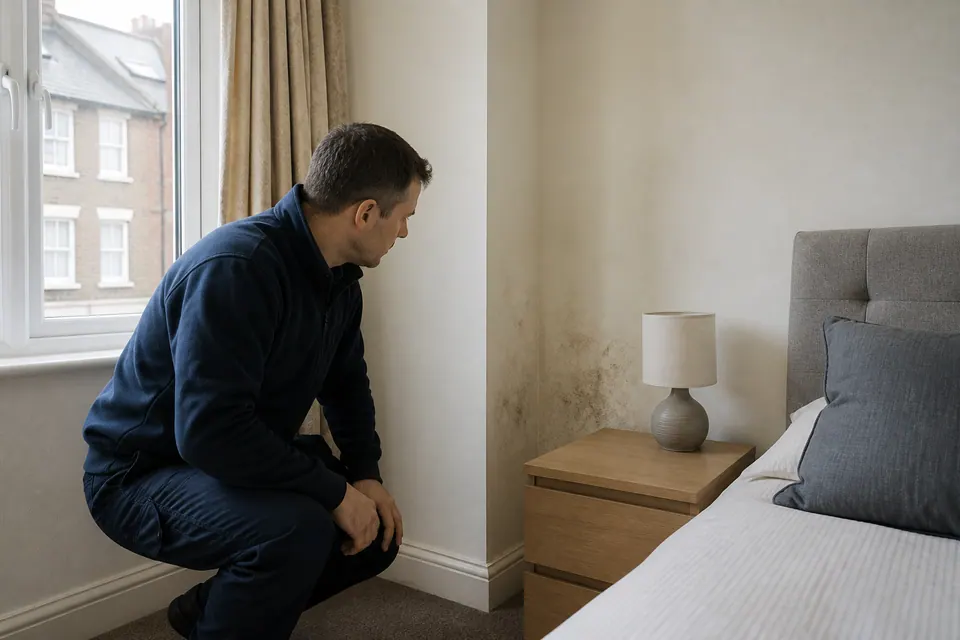
Show the patch and its room position. Explain the known history without drawing an unconfirmed water path from another space.
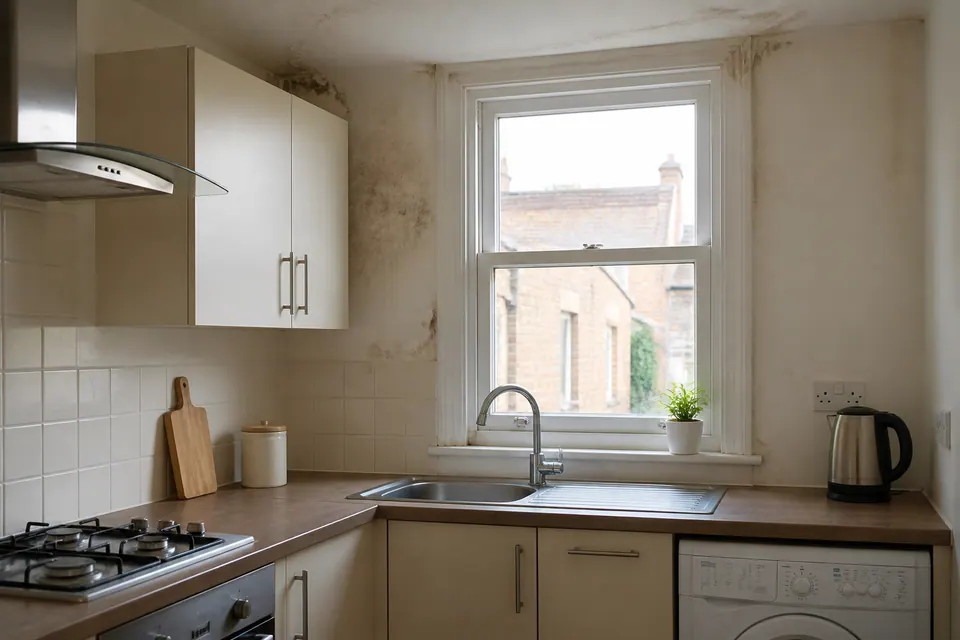
Give the confirmed work details and current observations. A repaired pipe does not by itself establish complete drying or surface suitability.
Distinguish old residual staining from any newer spotting or expansion. Different appearances may need different expectations within the enquiry.
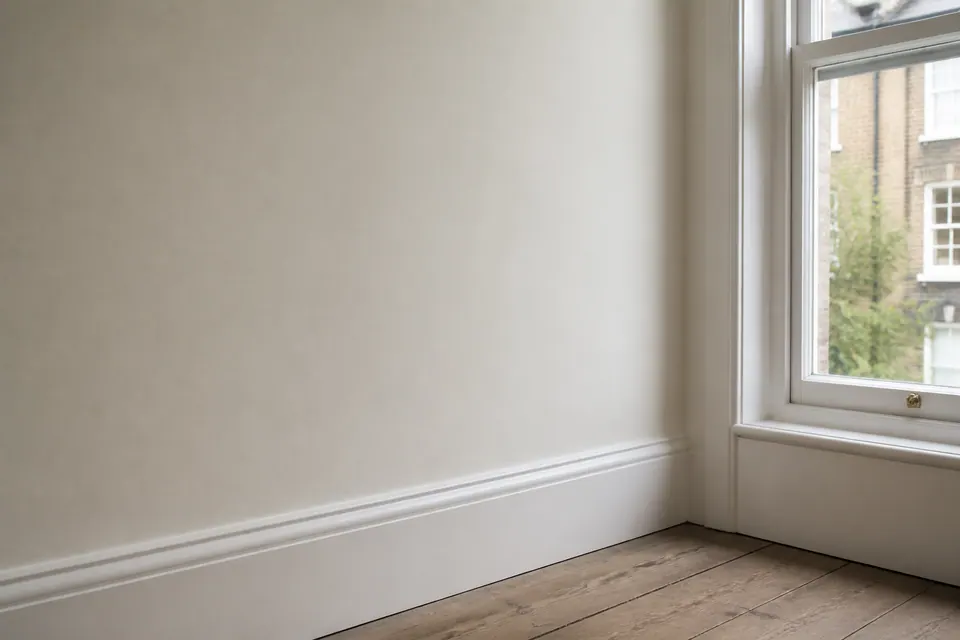
Describe visible deterioration from a safe position. Do not press, scrape or open the material to determine how far the event reached.

State what cannot be seen and why it is a concern. Concealed extent should remain unconfirmed rather than becoming a treatment measurement.
A known water event does not automatically explain every mark or establish that the present surface is ready for treatment.
Cheshunt / ACCESS & PEOPLE
Show intact and deteriorated portions. A localised mark should not hide damage elsewhere on the same visible finish.
Identify the repair boundary and current appearance. Replacement or patching does not automatically establish every adjoining surface’s condition.
State what remains unseen after the event. Do not assume hidden damage is absent or confirmed without assessment.
Share the observed event, known repair status and current surface with the authorised contact. This record does not determine legal responsibility.
Provide confirmed maintenance relevant to the room. Distinguish work completed from work merely requested or proposed.
Keep surface removal, water repair and decorative restoration as separate decisions. Ask what is appropriate before making a finish deadline.
Cheshunt / THE PROPERTY BRIEF
The event, repair and present condition are separate entries.
For a Cheshunt address, check availability before requesting a visit slot. Give the known event timing, the actual repair status and what has changed since. If the visible patch is small but material remains wet-looking or damaged, say so; the proposed next step should follow the current evidence rather than a cosmetic deadline or an assumed limited scope.
04 / WHEN IT COMES BACK
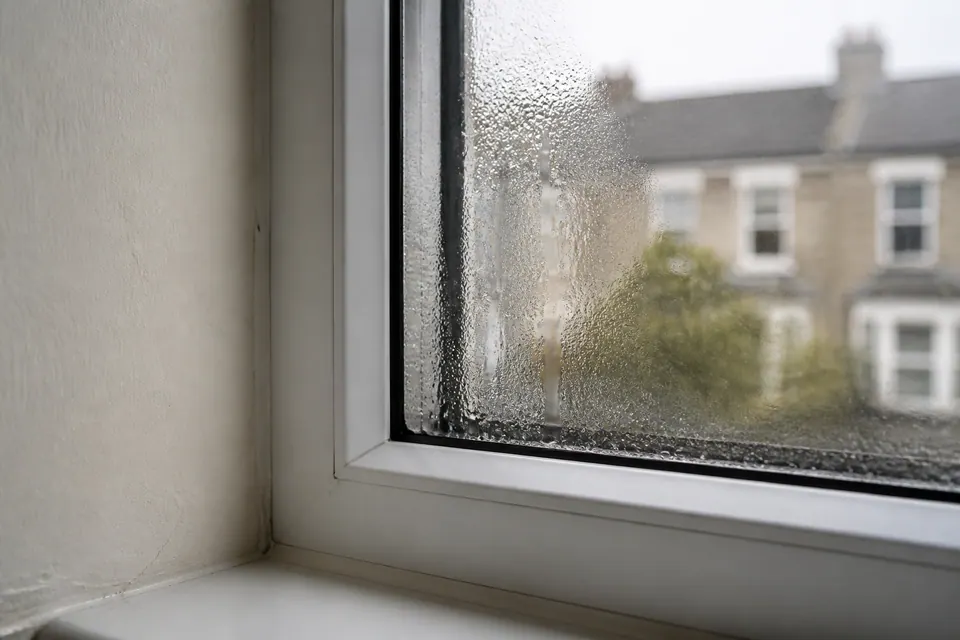
Record the new observation and whether any water has actually been seen again. Keep an expanding stain, new spotting and material deterioration as distinct descriptions.
A change after repair can require assessment without proving that the same source continues or that the earlier work failed. Supply facts and current evidence rather than a diagnosis.
List confirmed events in order and mark uncertain dates as approximate. A short reliable sequence is more useful than an invented precise history.
05 / A CONTROLLED APPROACH
Compare the visible patch with known event and repair information. Identify material concerns without assuming the event’s entire impact is visible.
Clarify unresolved tasks and preparation before arranging the accepted method. Do not begin cosmetic work simply because the leak date is in the past.
Work within the assessed accessible scope. Newly identified deterioration or ongoing water may require another decision.
Distinguish treated growth from old staining, damage and separate repair questions. Avoid claiming the whole event has been remedied.
The stages do not promise a fixed recovery time or complete restoration after water.
Keep the known event separate from today’s observation.
Do not add unagreed repair or concealed tasks.
Identify material and decorative limitations honestly.
These diagrams are illustrative rather than customer results or proof of completed drying and water repair.
06 / QUOTATION, NOT GUESSWORK
For Cheshunt, confirm coverage and send the present surface evidence with the known repair status. The quotation should address suitable work now, not assume that a small visible patch represents the full water impact or complete readiness.
Review the current assessment scope ↗| Current concern | Quotation route | History needed |
|---|---|---|
| Limited suitable accessible growth | Photographs may inform a quote | Event, repair and present condition |
| Returning or changing affected areas | Assessment informs the proposal | Timeline and current outline |
| Wet or damaged material | Specialist quotation may be needed | Unresolved water and material questions |
Confirm availability and exclusions before booking. A removal price should not be interpreted as certification of repair, drying or restoration of every water-damaged material.
07 / SEPARATE THE QUESTIONS
Surface appearance can change after water, while drying, material condition and unresolved issues need their own consideration.
| Present observation | History to add | Assessment question |
|---|---|---|
| A small patch after a confirmed leak | Event and repair dates where known | What is the current material condition? |
| An outline continuing to expand | Whether water is still observed | Does another unresolved issue need attention? |
| Old staining beside new spotting | Which change is recent | What outcome is appropriate for each? |
| Damage outside the visible dark area | Extent of visible deterioration | Is surface treatment suitable there? |
Plumbing, concealed investigation, drying assessment or damaged-material replacement should not be assumed within surface treatment. Clarify unresolved tasks before interpreting a quotation as readiness confirmation.
Growth may be one concern after an event, while staining and material deterioration can require other decisions.
| Question | Mould | Damp |
|---|---|---|
| What is visible? | Current growth-like marks on the finish | Staining, wetness or material damage |
| What does the event establish? | Relevant history for assessment | Not necessarily the current moisture condition |
| Why review the surface now? | Suitability can differ from initial appearance | Repair and material questions may remain |
| What should be agreed? | Appropriate work on accepted accessible material | Any separate follow-on assessment or repair |
08 / ROOM-BY-ROOM CONTEXT
Describe the actual material and repair status. Deteriorated board or sealant may need a different scope from suitable growth removal.
Show the patch in the room and explain any known adjoining event without claiming a concealed route.
Provide confirmed plumbing work and present observations. A repair record does not alone establish current surface suitability.
Separate old stain from recent change. A cosmetic result should not be promised before the material is reviewed.
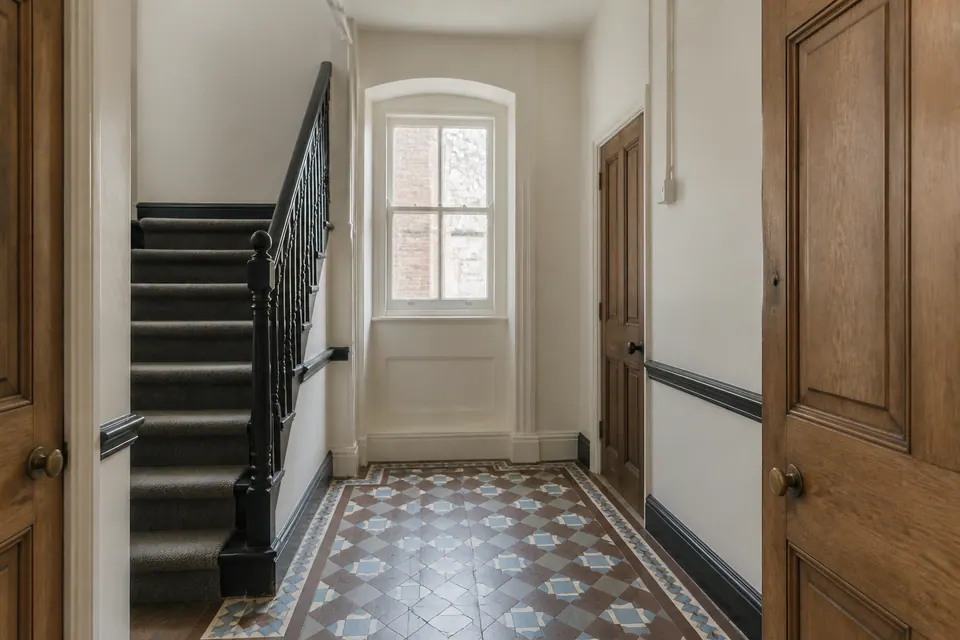
Identify the access and authorisation boundary. A water event affecting shared space does not automatically include it in a private visit.
Give the actual level and known water history. Position does not establish the current moisture source or full impact.
09 / DIRECT ANSWERS
Photographs may support an enquiry, but include the event and material condition. Small visible extent does not automatically establish straightforward treatment.
Do not cover the evidence to meet a decorative deadline. Current growth, damage and moisture questions should be clarified before separate finishing work.
Describe the timing and current observations without choosing a cause. The repair history does not alone establish the condition of every affected material.
Ask after current condition and unresolved tasks are reviewed. There is no universal interval based only on the date of the leak.
Seek guidance for the actual work and circumstances. Do not derive a universal use instruction from the small size of the visible patch.
Report the deterioration without probing it. Replacement or specialist material work may be needed instead of assuming ordinary surface treatment.
Not automatically. Provide current photographs and repair information so the plaster condition can be considered separately.
No. The water repair and surface-treatment scope are different matters requiring their own evidence and confirmation.
Cheshunt / PLAN THE APPOINTMENT
Confirm availability for the full Cheshunt postcode before planning a visit. Send current evidence and known repair status so the appropriate next step can be discussed.
The map gives town context only, not a service guarantee or confirmation that a water issue is resolved.
Load the Cheshunt map for location planning.
Cheshunt / BEFORE BOOKING
Provide the sequence while keeping current condition and repair status distinct.
Not necessarily. Describe only what is visible and any known event; do not infer the full concealed extent from the patch size.
Request availability for the Cheshunt postcode first. Do not arrange preparation or access on an assumed service area.
State that uncertainty. It can affect the appropriate next step and should not be replaced with an assumption that the surface is ready.
Yes, but label the differences and timing. They may not have the same treatment or cosmetic outcome.
Do not probe or disturb material for the enquiry. Report the visible condition and ask what assessment is appropriate.
No universal interval should be assumed. Current material and any unresolved moisture question need consideration.
Report the change before arranging work and include any actual water observations. Do not treat a changing outline as a fixed measured scope.
Not necessarily. Residual staining and damaged finish can require separate decorative or material work.
No such certification should be assumed. Plumbing repair and suitable surface treatment are distinct scopes.
START WITH THE RELIABLE HISTORY
Send the postcode, present view and confirmed event and repair details. Ask about availability and suitability before assuming the small visible area is ready for treatment.
The scenes are illustrative and do not document customer recovery, drying or treatment outcomes.
