
Does a wall quote include the items beside it?
Not automatically. Describe contents concerns separately and ask what is included before assuming treatment or restoration.
Walton-on-Thames / WALL AND CONTENTS BOUNDARIES
Describe the surface and the belongings separately.
A patch close to stored items can raise a wall-treatment question and a contents concern at the same time. For Walton-on-Thames, confirm postcode availability and explain both before anything is moved or one quotation is assumed to cover every item.
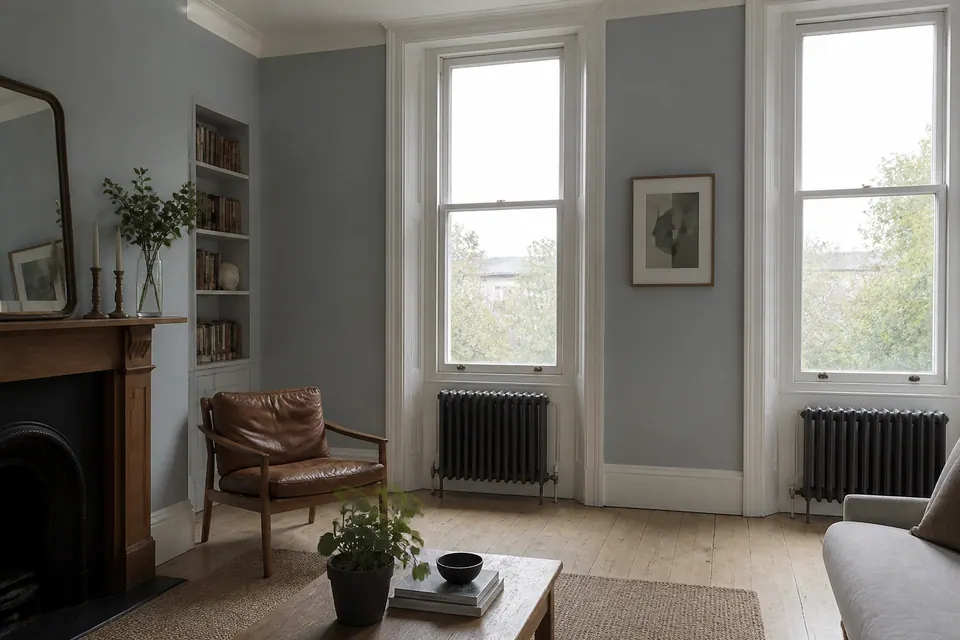
Wall extent · item concern · handling agreement
Walton-on-Thames / THE PROPERTY BRIEF
Do not move the concern into another room by assumption.
Confirm availability for the full Walton-on-Thames postcode and show the safe accessible wall view. If belongings also appear affected, describe that independently without assuming they are included in a removal quotation. Ask what handling or preparation is appropriate before relocation, and clarify any separate cleaning, replacement or disposal requirement.
02 / DIRECT ANSWERS
Not automatically. Describe contents concerns separately and ask what is included before assuming treatment or restoration.
Do not cover current evidence as part of improvised preparation. Assess the finish and moisture context before separate decoration.
No. Describe actual observations without extending them to all belongings because of proximity.
Clearance is one factor. Material, extent and the proposed method still determine the accepted work and timetable.
Ask for appropriate handling guidance before relocation. Do not move them merely to create wall access on an assumption.
Keep that concern separate from paint, panel or sealant. The scope for the building finish does not automatically cover stored items.
Do not assume so. Identify any separate fabric concern and clarify preparation or other work.
Not automatically. Water repair and any contents response need their own scope and confirmation.
Walton-on-Thames / ACCESS & PEOPLE
Describe the wall separately from any actual contents concern. Do not assume every nearby object is affected.
Explain clearance and movement limits. Handling and wall treatment need explicit boundaries.
State what belongings prevent from being viewed. Hidden wall extent should remain unconfirmed.
Share factual surface and item observations with the authorised contact. Do not dispose of possessions merely to demonstrate the problem.
Clarify preparation responsibilities and any separately requested contents work. A surface booking should not assume the occupant can relocate everything.
Ask what removal covers and what needs another service. Keep repair, replacement and disposal expectations explicit.
04 / A CONTROLLED APPROACH
Identify the wall finish and any item concern without merging their materials or expected outcomes.
Clarify what can be moved, by whom and under what guidance. Do not relocate potentially affected items to make the room appear ready.
Follow the agreed wall scope. New evidence about contents or concealed material requires another decision.
Record what surface work addressed and which item or moisture questions remain outside it.
The stages do not imply that all belongings in the room have been assessed or restored.
Keep their observations distinct.
Avoid unplanned relocation or disposal.
Do not extend wall treatment claims to possessions.
The illustrations are explanatory and do not document customer contents restoration or disposal outcomes.
05 / QUOTATION, NOT GUESSWORK
For Walton-on-Thames, confirm postcode coverage and provide the surface evidence with any separate belongings concern. The proposal should identify suitable wall work and preparation without silently promising restoration or disposal of nearby items.
Review the main surface-removal scope ↗| Concern described | Quotation route | Separate boundary |
|---|---|---|
| Limited suitable wall surface | Photographs may support pricing | Preparation around nearby items |
| Several or recurring wall areas | Assessment informs the scope | Individual surfaces and contents limits |
| Damage or complex item concern | Another specialist scope may be needed | Handling, restoration or replacement task |
Confirm availability and explicit inclusions. A wall-treatment price should not be interpreted as a guarantee that possessions will be cleaned, restored, replaced or removed.
06 / ROOM-BY-ROOM CONTEXT
Separate paint, panels and sealant from stored contents. Preparation should follow the accepted method.
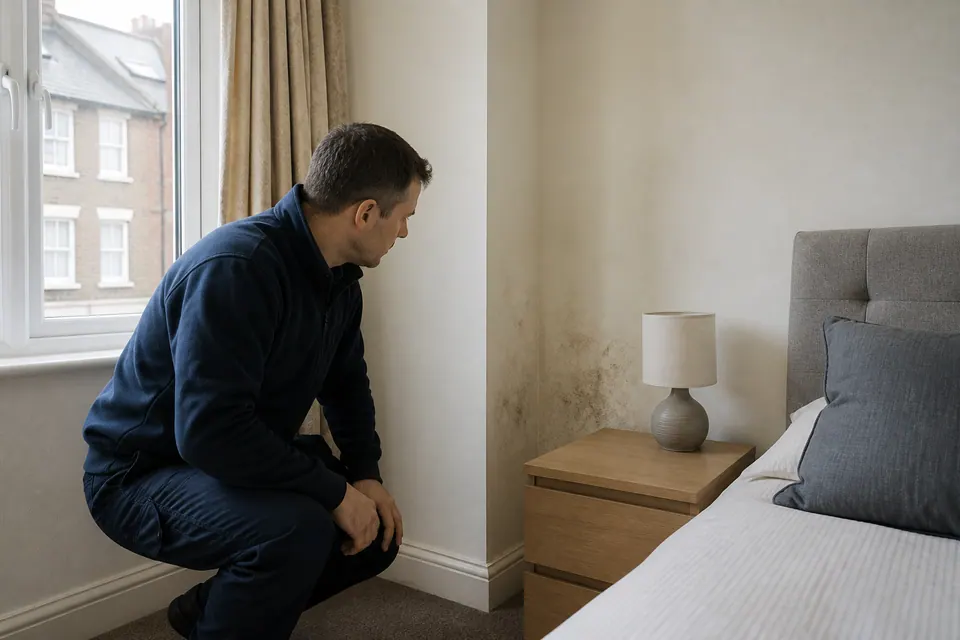
Describe the wall and any bedding or furniture concern independently. Do not assume a wall visit includes item restoration.
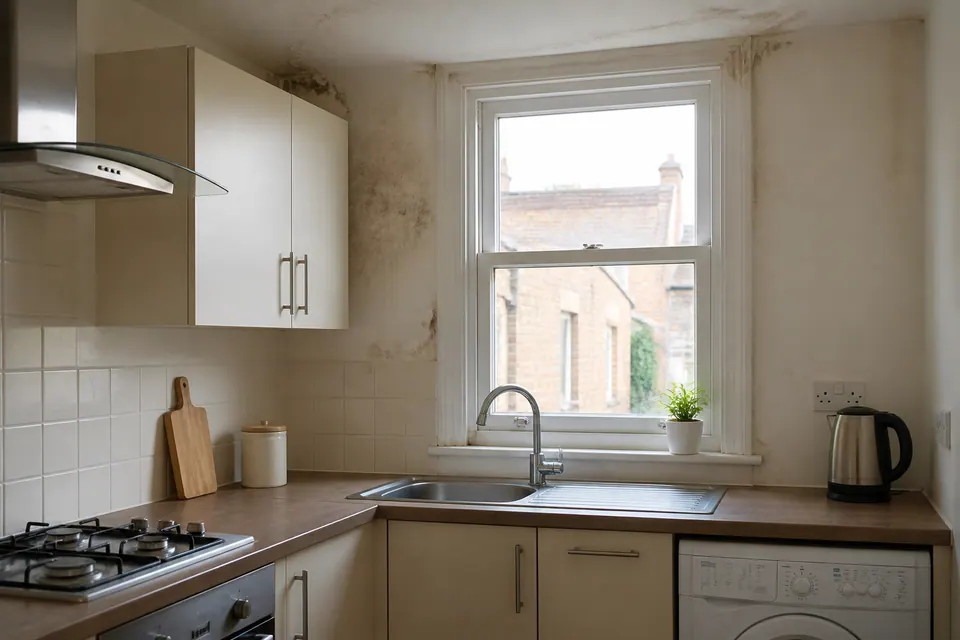
Keep fixed surfaces and stored belongings distinct. Ask about appropriate preparation before movement.
Show the visible wall and furniture arrangement. Proximity alone does not establish the condition of every item.
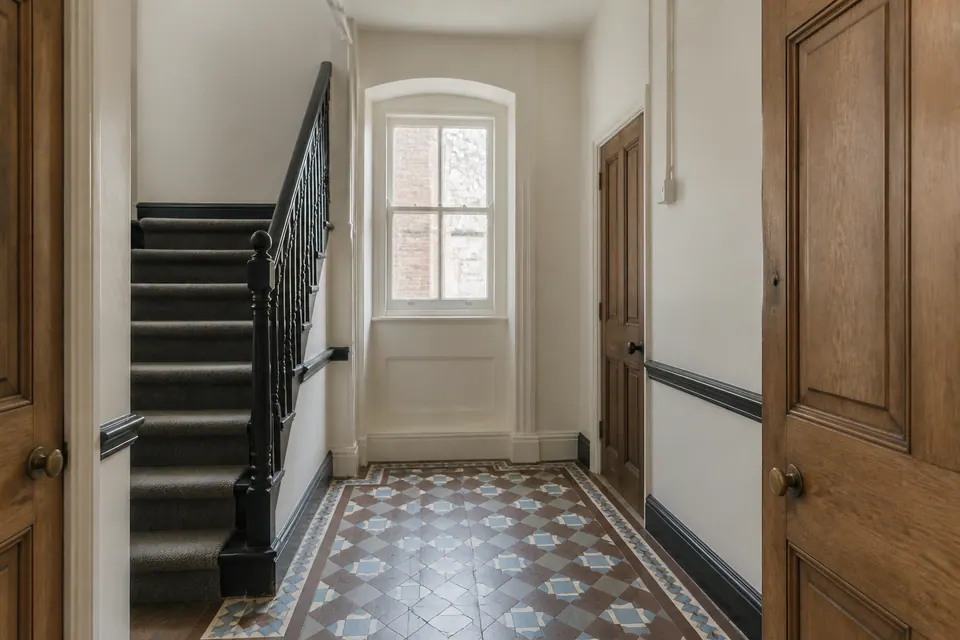
Confirm access and authorisation while keeping private belongings separate from common-area treatment.
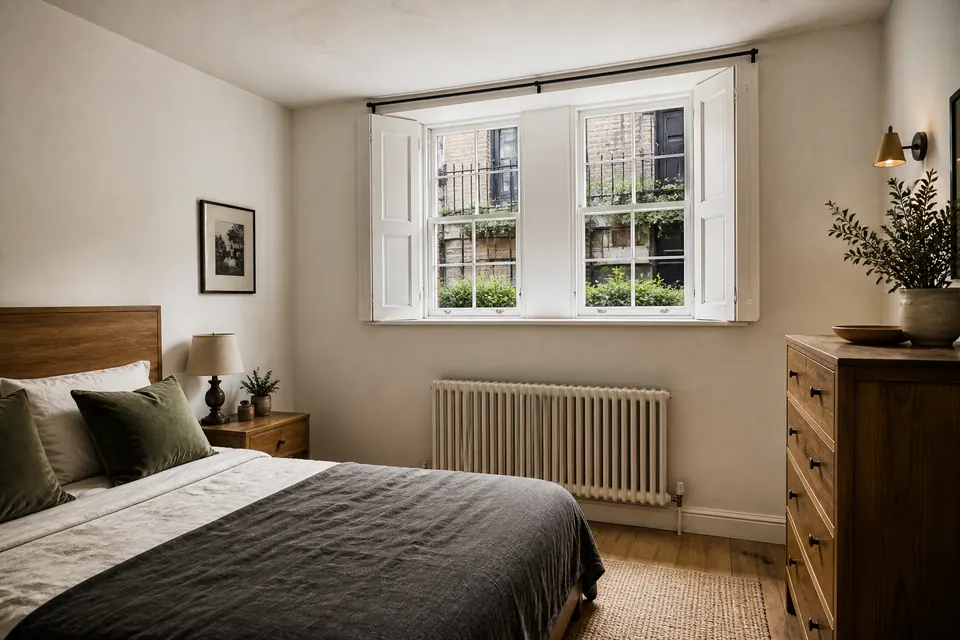
Provide known water history and visible evidence without assuming all stored material or concealed wall is affected.
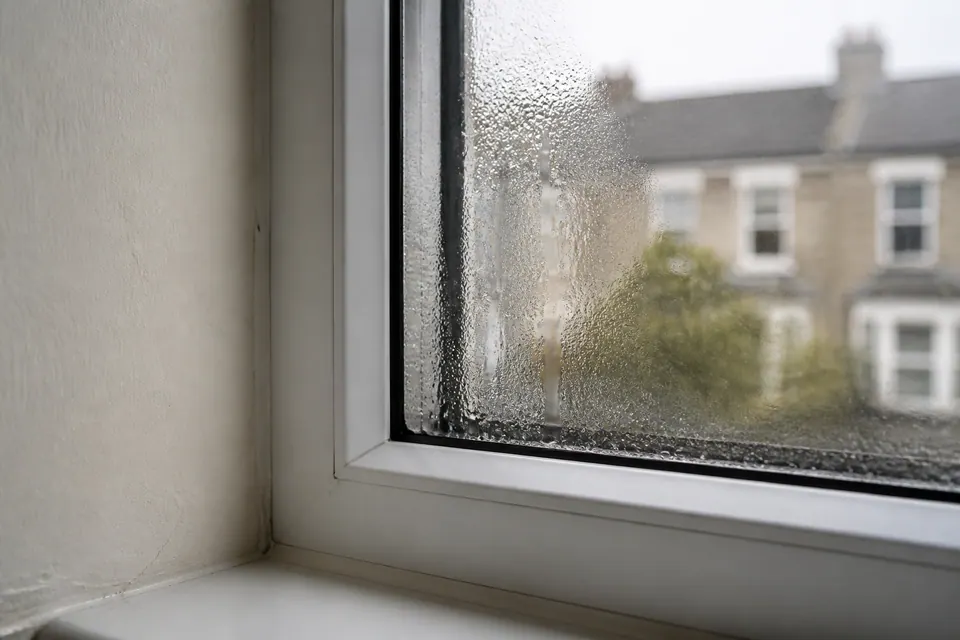
07 / WHEN IT COMES BACK
If the wall changes again, identify the treated finish and current extent. If a belongings concern appears separately, describe it as its own observation rather than folding it into the wall history.
A changed storage arrangement can also expose previously unseen material. Explain the sequence without assuming all new observations are recurrence after the earlier work.
It helps distinguish what was treated from items or concealed areas that were not included.
08 / SEPARATE THE QUESTIONS
The wall and its contents can involve different evidence, handling and service limits even in one small area.
| Observation | Information to add | Scope to clarify |
|---|---|---|
| Visible wall patch | Material and affected extent | Suitable building-surface treatment |
| An item also appears changed | Separate description of the item | Whether another handling or service task is needed |
| Belongings block the wall | Current arrangement and access limit | Preparation before the surface can be reached |
| Concern behind stored contents | What remains unseen | Further assessment rather than assumed extent |
Handling, cleaning, disposal or replacement of possessions requires separate discussion. Do not interpret a surface quote as a promise that every nearby item can be treated or retained.
The condition of a wall does not establish the condition or appropriate handling of all contents beside it.
| Question | Mould | Damp |
|---|---|---|
| What is observed? | Marks on the accepted building finish | Actual water or a separate item concern |
| What cannot be assumed? | The same method for every material | That proximity proves damage or its source |
| Why clarify handling? | Movement can change access and the enquiry | Contents work may be outside the service |
| What should be agreed? | Suitable wall scope and preparation | Any separate item or moisture task |
09 / LOCATE THE ISSUE
Select the setting and identify the actual material carrying marks. Nearby belongings should not be silently included in a building-surface description.
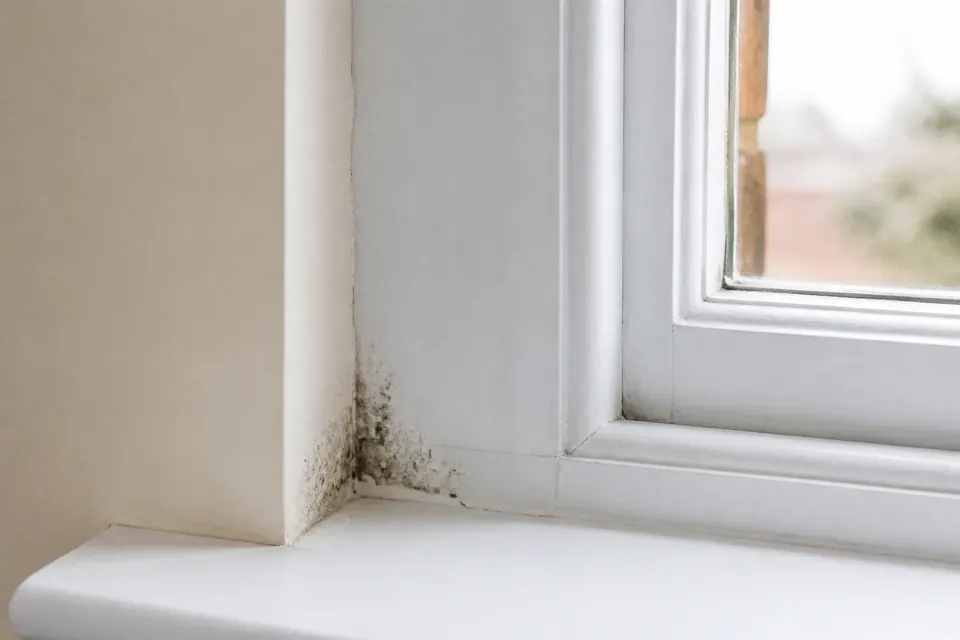
Show the accessible surround and identify any separate fabric or item concern. Do not move potentially affected belongings merely to improve the wall view.
Distinguish the room finish from cabinet contents. Ask about preparation rather than assuming everything can be relocated normally.
Describe the surface and any item concern separately. Wall removal does not automatically establish that belongings can be cleaned, restored or retained.
Identify the finish and relevant contents without assuming a single treatment method. Preparation should follow the accepted scope.
Show the visible boundary and explain whether concern relates to the wall, an item or both. Do not equate proximity with confirmed damage to every object.
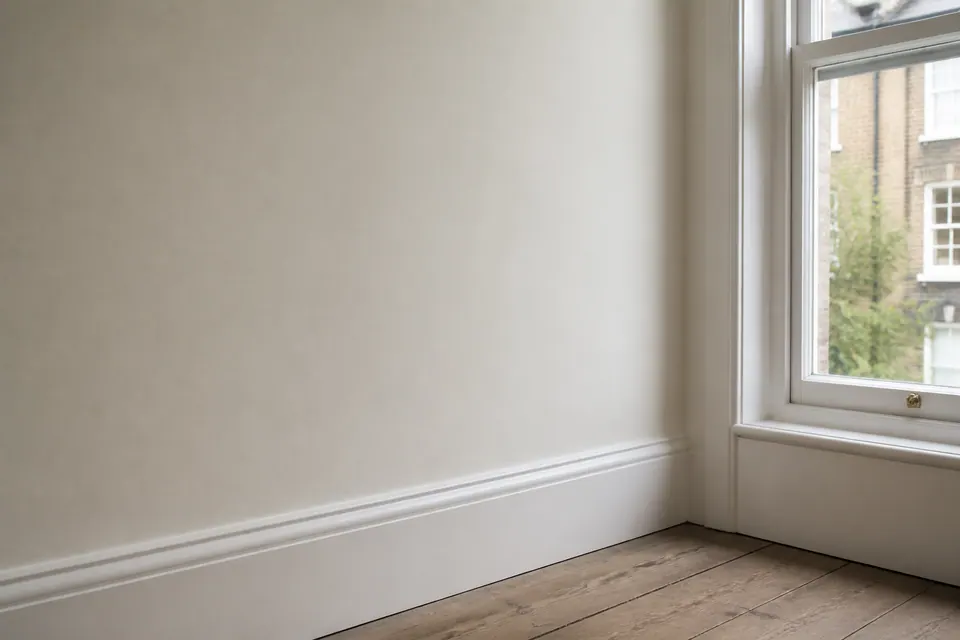
Provide a floor-level view and describe what lies below. Handling or protection arrangements need discussion before the work.
State what is visible without clearing the space. Hidden wall condition and contents condition are separate uncertainties.
Proximity does not establish that every item is affected or that all materials can receive one treatment. Keep observations and scope questions separate.
Walton-on-Thames / PLAN THE APPOINTMENT
Confirm availability for the complete Walton-on-Thames postcode before arranging a visit or relocating belongings. Send the separate surface and item observations together.
Use the map to locate the property and discuss access if useful.
Load the Walton-on-Thames area map.
Walton-on-Thames / BEFORE BOOKING
Clarify item concerns before movement or a combined treatment assumption.
No. Describe actual observations separately rather than extending the wall evidence to every item.
No. Check the complete postcode before arranging a visit or preparation.
Ask for appropriate handling guidance before relocation. Do not move them merely to provide a clearer photograph.
Not automatically. Identify the separate material concern and confirm any additional scope explicitly.
Do not infer that decision from the wall service. Ask what separate assessment or arrangement is appropriate for the item.
Show the accessible area and describe the obstruction. Do not count hidden wall material as confirmed growth.
Do not assume it. Agree preparation responsibilities and any separate task before the visit.
No. Water repair, wall treatment and the condition of belongings are different matters.
Keep the accepted wall scope and any separately agreed handling tasks clear so the outcome is not overstated.
KEEP THE WALL AND BELONGINGS DISTINCT
Send the postcode, accessible wall view and any actual belongings observations. Confirm availability and handling guidance before movement or assuming one combined service.
The images illustrate property contexts and are not records of customer possessions being treated or restored.
