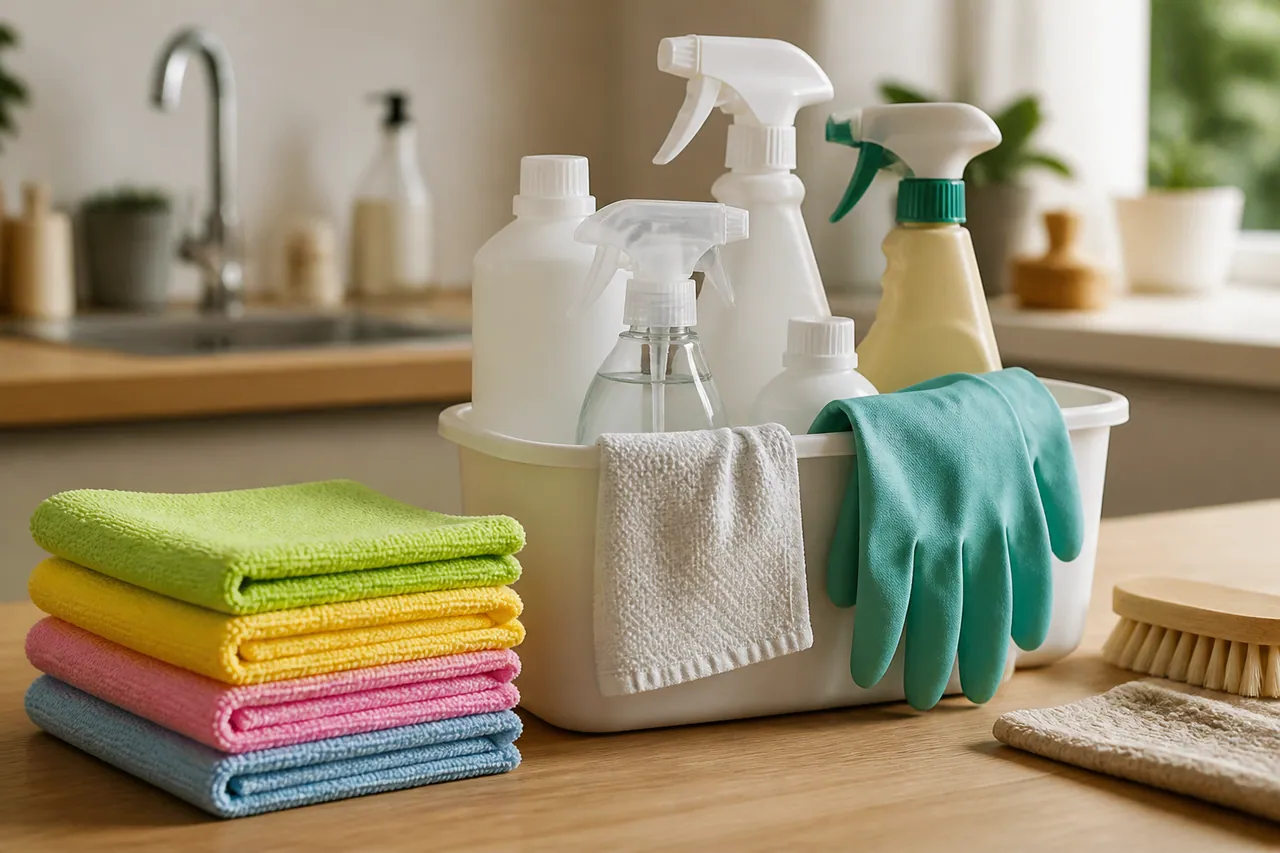
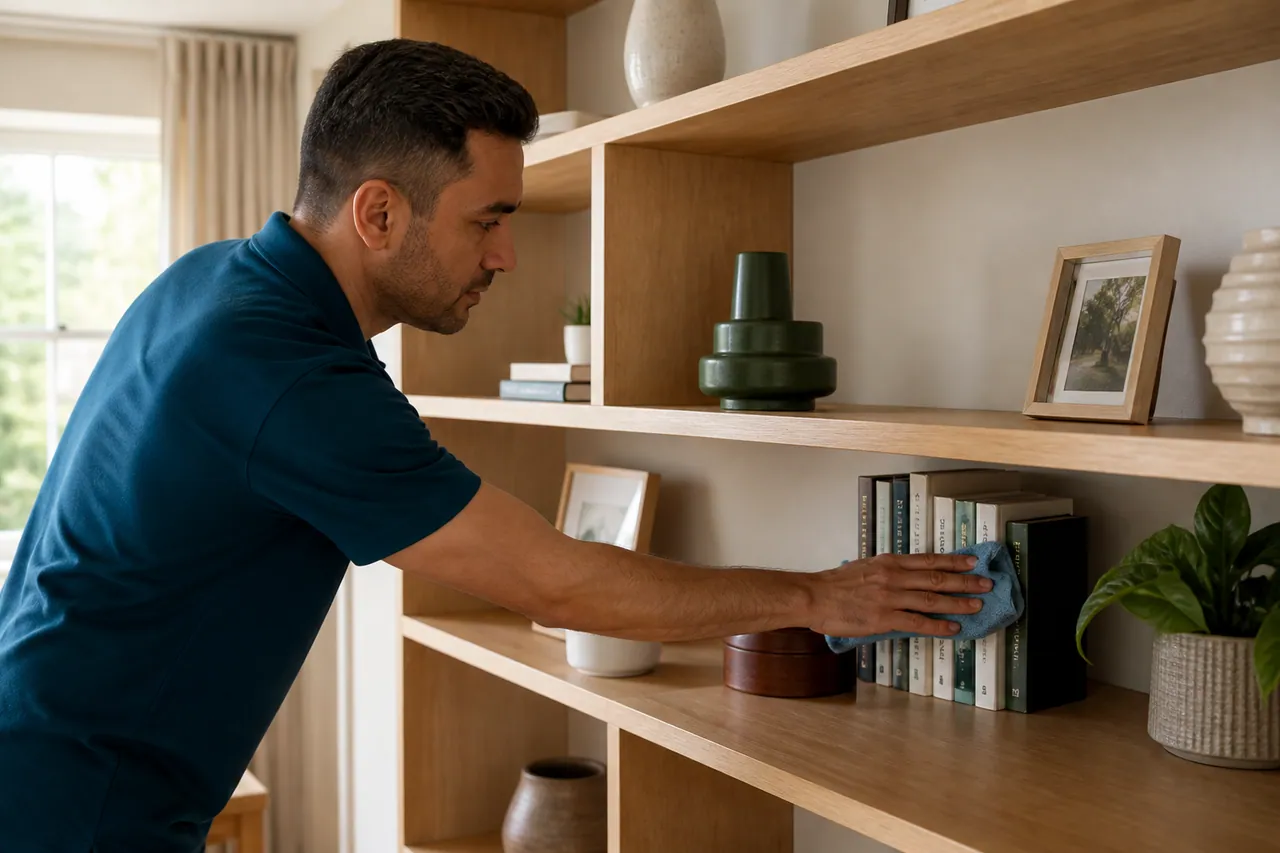
Dust around displays
Once ornaments are safely put away, reachable shelves and surrounding furniture can be assessed for cleaning.
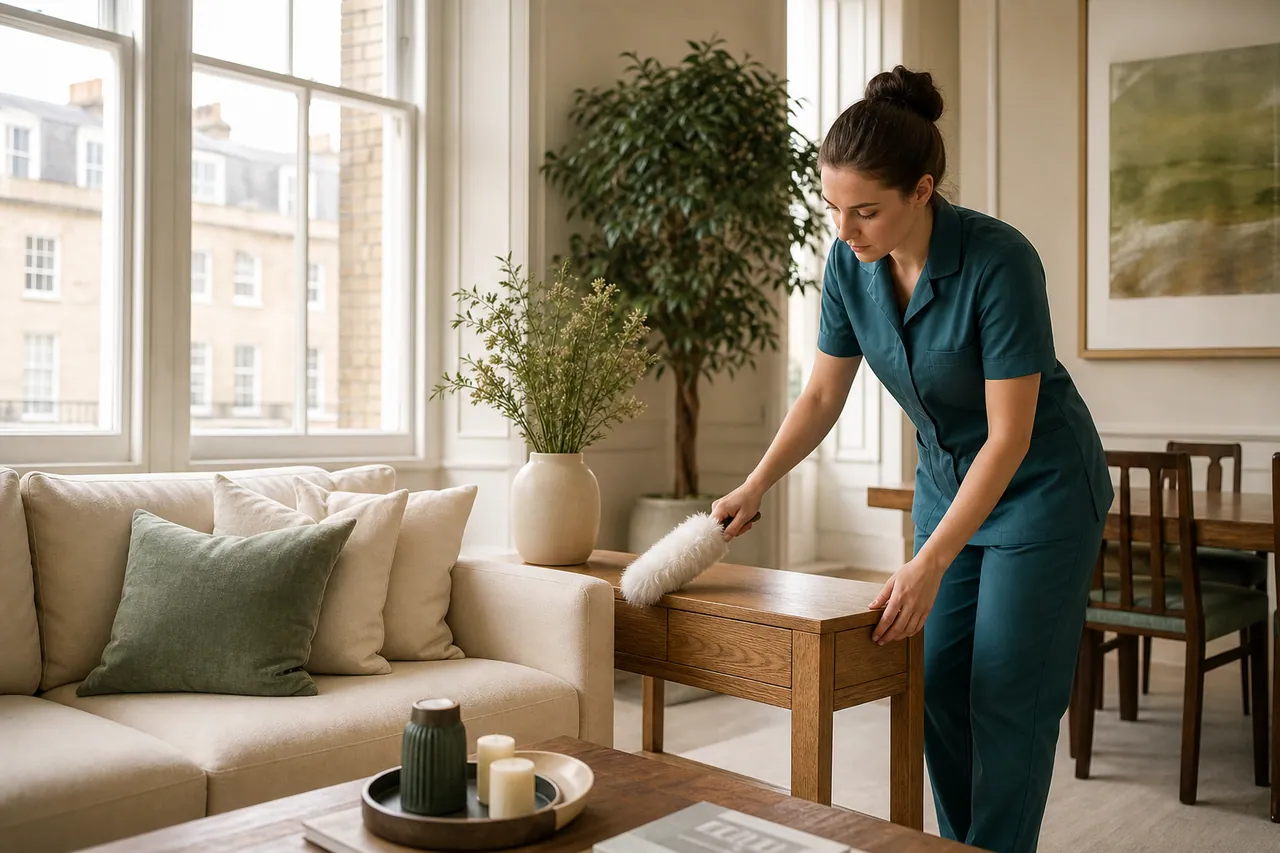
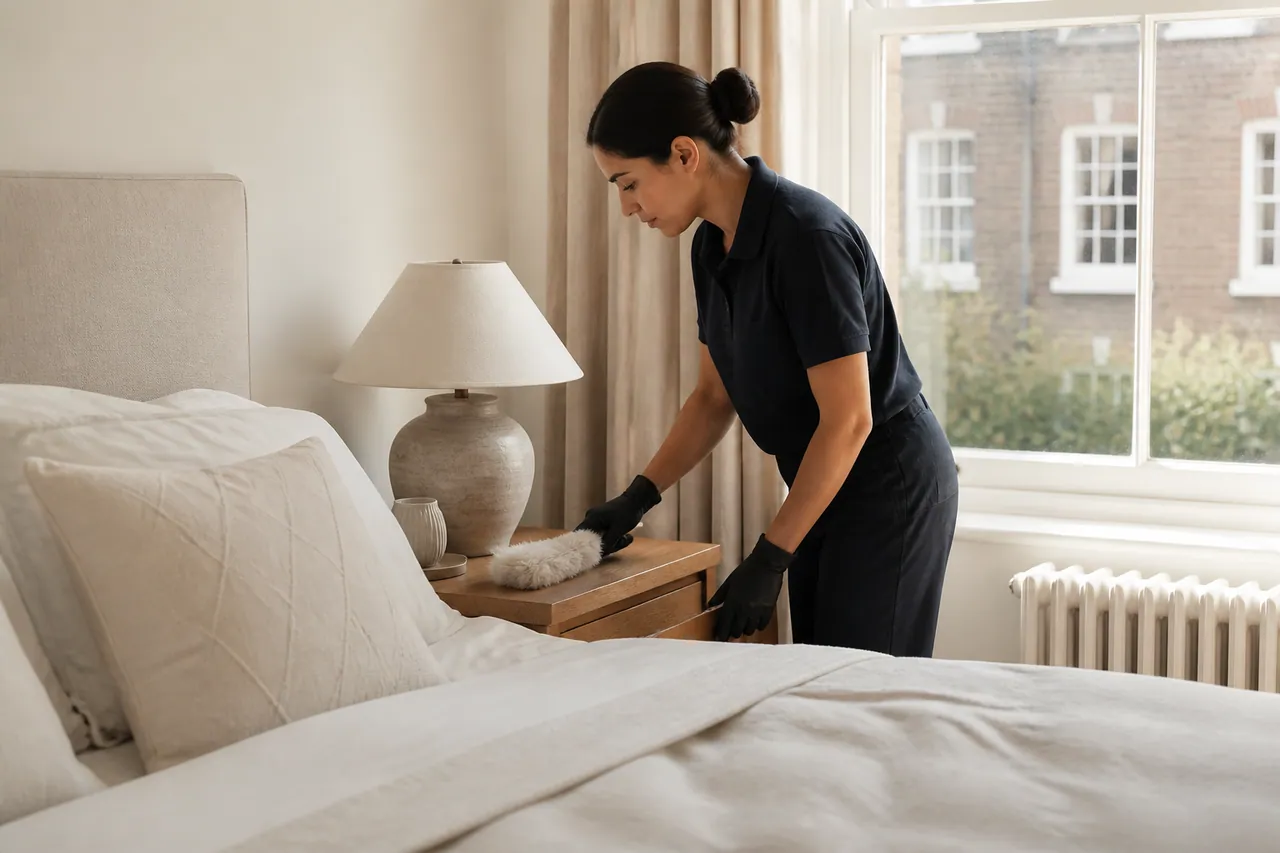
These photographs illustrate domestic settings; they are not records of customer work.
WHEN DETAILS NEED ATTENTION
Once ornaments are safely put away, reachable shelves and surrounding furniture can be assessed for cleaning.
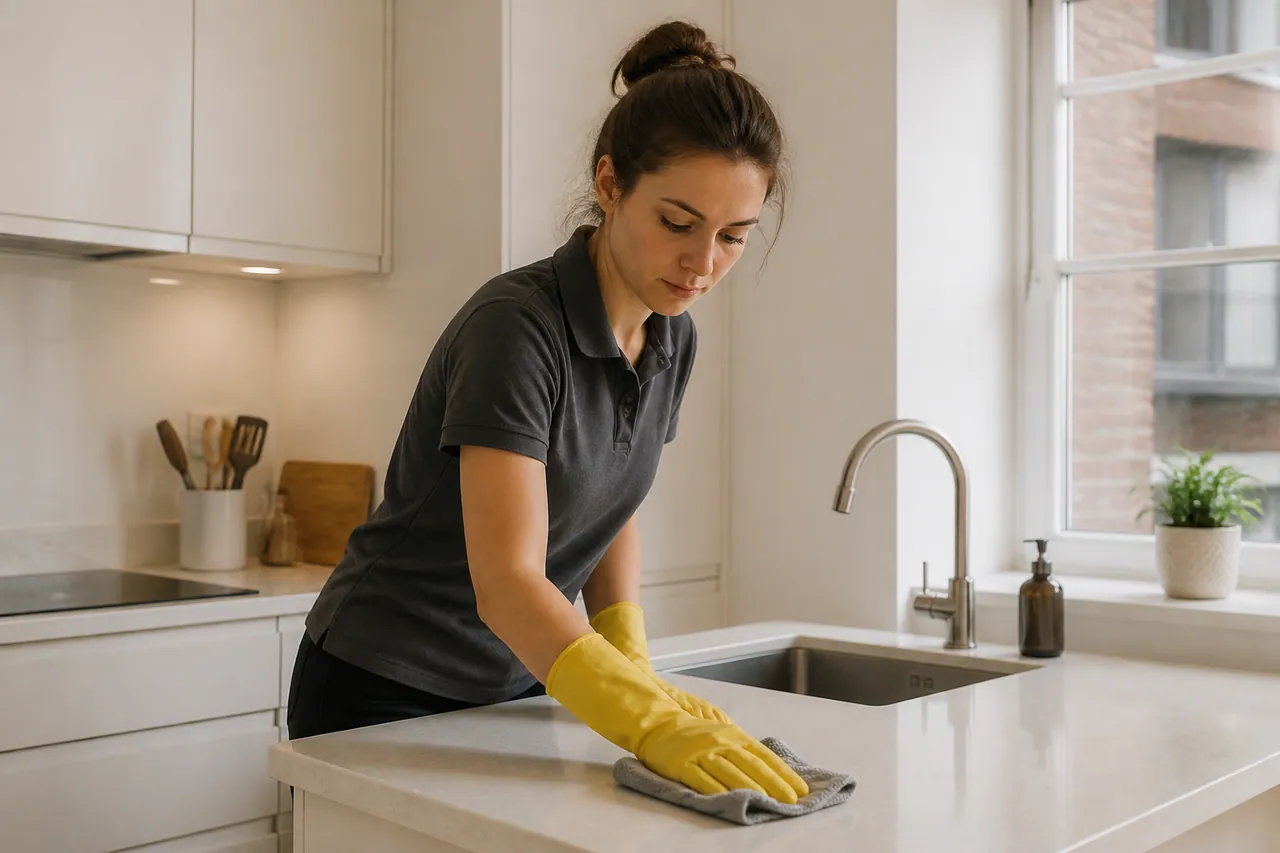
Show the worktop finish and accumulated residue instead of relying on the description kitchen clean.
Photographs can distinguish surface deposits from damaged grout or a coating that has already worn away.
Concentrate on the surfaces and floors you will use; fabric treatment needs a different discussion.
Explain what has been left in place and which rooms you want brought back into use first.
A single refresh can address neglected detail without creating an ongoing maintenance commitment.
KENSINGTON / YOUR PARTICULAR HOME
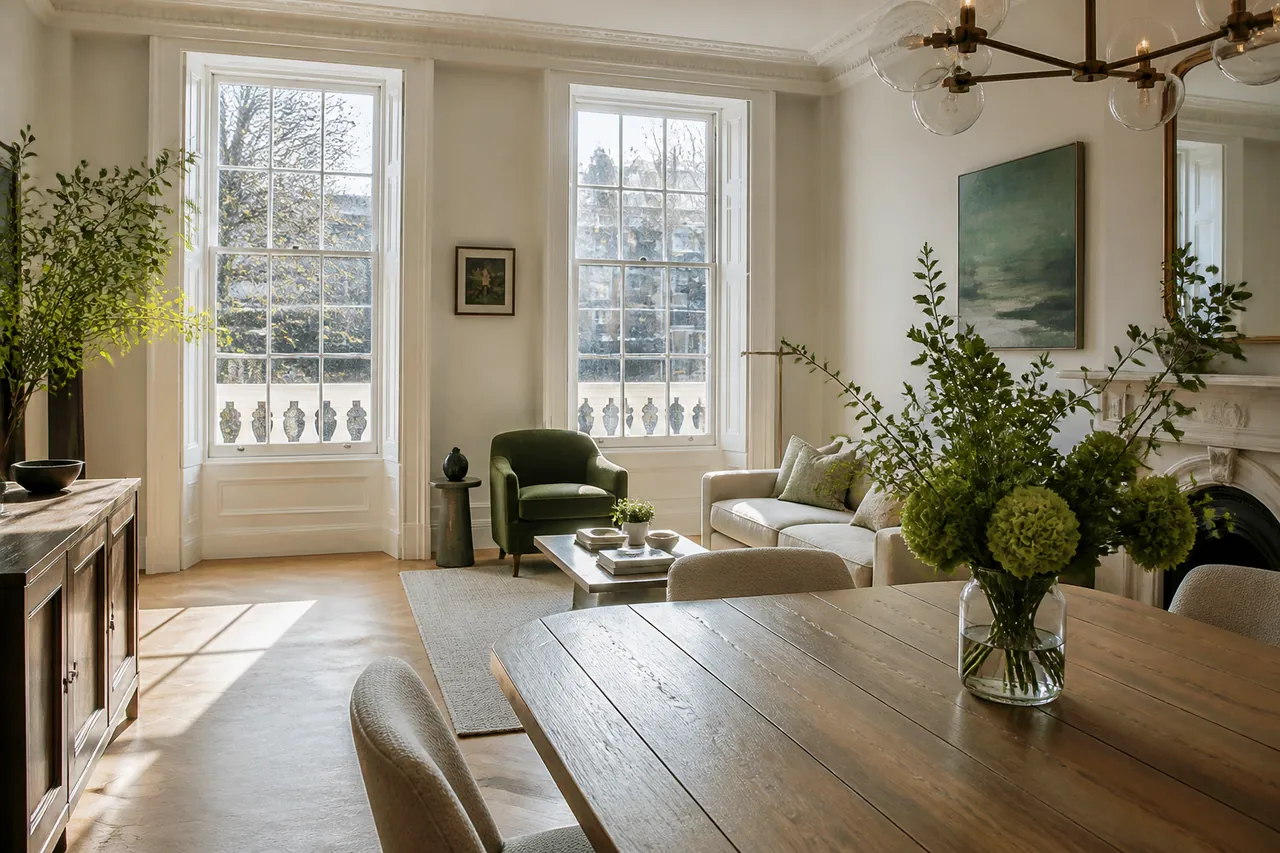
A Kensington flat with painted cabinets, a stone basin and timber flooring needs more explanation than three room labels. Describe your own property; no single mix of materials can be assumed from the address. Share any care instructions and point out wear before the appointment is assessed.
Protect the things you valueJewellery, small ornaments and personal papers are best secured by the household. Where a display must remain, explain the available reach rather than expecting pieces to be rearranged.
Include the building as well as the interiorSupply the entrance and floor, and discuss lawful parking or unloading for that street. Kensington and Chelsea visitor-parking information should be checked for current arrangements; an empty bay is not itself confirmation of permission.
INTERIORS IN DIFFERENT LAYOUTS
Use the description that matches your property. These are considerations to discuss, not claims about every Kensington home.
Keep the sleeping and cooking belongings clear of the surfaces being considered; their functions overlap even without separate rooms.
Identify pieces that should remain untouched and the shelving that will be accessible around them.
Explain where delicate fittings are situated so equipment movement and room order can be considered together.
A kitchen renovation and an older staircase may have different care requirements; mention both rather than assuming a uniform interior.
Flag fragile paint, loose fittings or known deterioration. These are restrictions to recognise, not defects a clean can repair.
Distinguish the frequently used sitting room from an occasional room so detail is directed where you want it.
CHOOSE THE DETAIL
Select a focus to see what information helps. This is a preparation guide, not an automatic treatment recommendation.
Photograph the furniture and surrounding space. Identify what can be approached without shifting heavy or fragile items.
A manufacturer’s care sheet is useful when you have one. Send restrictions before products and methods are confirmed.
Talk through surface careMATERIALS MATTER
The room name is only a starting point. Confirm the finish, condition and safe reach before work is agreed.
COOKING SPACE
Internal appliances are not implied by this list. Specify any requested interior and ask how it will be assessed.
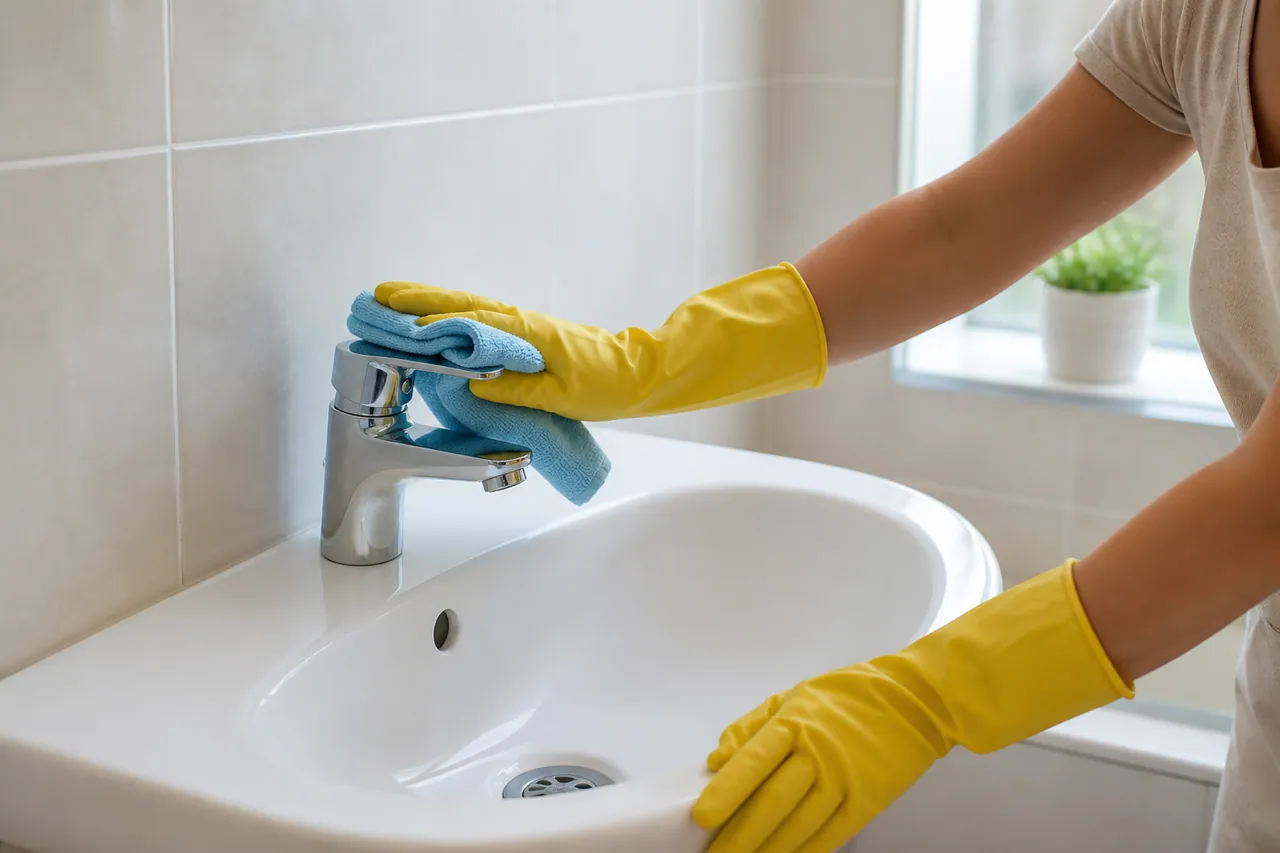
WASHING SPACE
Persistent staining, failing sealant and damaged coatings may remain; ordinary cleaning is not restoration.
SITTING SPACE
Precious objects should be secured beforehand. Do not expect the team to curate displays or move heavy pieces.
SLEEPING SPACE
Cleaning furniture exteriors does not include sorting drawers, handling jewellery or laundering bedding.
A PRICE FOR THE AGREED DETAIL
A room photograph and a note about materials are more useful than guessing which package might cover them.
| Requested attention | What needs explaining | Price basis |
|---|---|---|
| Selected interior detail | Materials, condition and the reachable working area | Confirmed with the brief |
| A furnished-home refresh | Included spaces, delicate items and access limitations | Quoted for the work |
| Different specialist treatment | Identify the item and intended result separately | Separate quotation |
A suitable method cannot be inferred from colour or appearance. Explain care restrictions and existing damage so the quote does not promise unsuitable work.
FINISHES BEFORE METHODS
DEFINE THE BOUNDARY
DOMESTIC SURFACES
Give the material and condition alongside each item rather than listing a room alone.
ITEMS NEEDING DISCUSSION
A separate request may need another service or may not be suitable for cleaning at all.
OBSERVE / AGREE / REVIEW
A considered visit starts by distinguishing everyday soil from the character, age and condition of the material underneath.

Show existing marks and explain any previous product reaction or care restriction that you know about.
The working brief should identify which items can be approached and which remain untouched.
Look at the requested details with realistic expectations: wear or permanent staining may still be visible after appropriate cleaning.
KENSINGTON ADDRESS
Include the flat number, floor and building procedure; the neighbourhood name alone does not explain how equipment reaches the home.
Use the map alongside your full address.
The embedded Google map loads only when requested.A CAREFUL ENQUIRY
Include both the whole item and a closer photograph of the finish or deposit that concerns you.
Send relevant care guidance and identify possessions the team should not handle.
Check the described tasks, exclusions and price rather than assuming a room label covers everything.
Secure valuables and expose the surfaces agreed for attention before arrival.
Discuss the finished work and any remaining limitation while the brief is still clear.
SURFACE-CARE QUESTIONS
Yes. Tell us what you know about the material and any care guidance. Appearance alone does not establish which products or methods are appropriate.
They can remain outside the handling brief, but that reduces the accessible surface. Secure them yourself if you want the space underneath considered.
Cleaning does not replace missing paint or repair a damaged coating. Point out the worn area so the expected result remains realistic.
Please share it before arrangements are confirmed. It may help explain a restriction that is not apparent in a photograph.
No polishing or restoration treatment should be inferred from ordinary furniture-exterior cleaning. Explain the item and ask what, if anything, is appropriate.
Say that it is uncertain and supply clear images. Do not guess a material to obtain a promise of treatment.
Only prepare interiors that have actually been agreed. Sorting private drawers is not part of a general exterior-surface request.
Discuss authorised entry and a reachable contact in advance. Questions about a delicate item still need a way to be resolved.
Standard materials and tools are normally brought for the agreed work. Any particular restriction must be raised early so suitability can be checked.
A CONSIDERED KENSINGTON REFRESH
Bring the photographs and the restrictions, not a promise that every mark must disappear. We can then discuss an appropriate household-cleaning brief.
Call about your interiorSend photographs with an enquiry ↗