
The usual wipe misses detail
Exterior panels and reachable ledges may need attention beyond the part used most often.
The domestic imagery is illustrative and does not document a particular resident’s home.
WHEN EVERYDAY UPKEEP NEEDS SUPPORT
Exterior panels and reachable ledges may need attention beyond the part used most often.
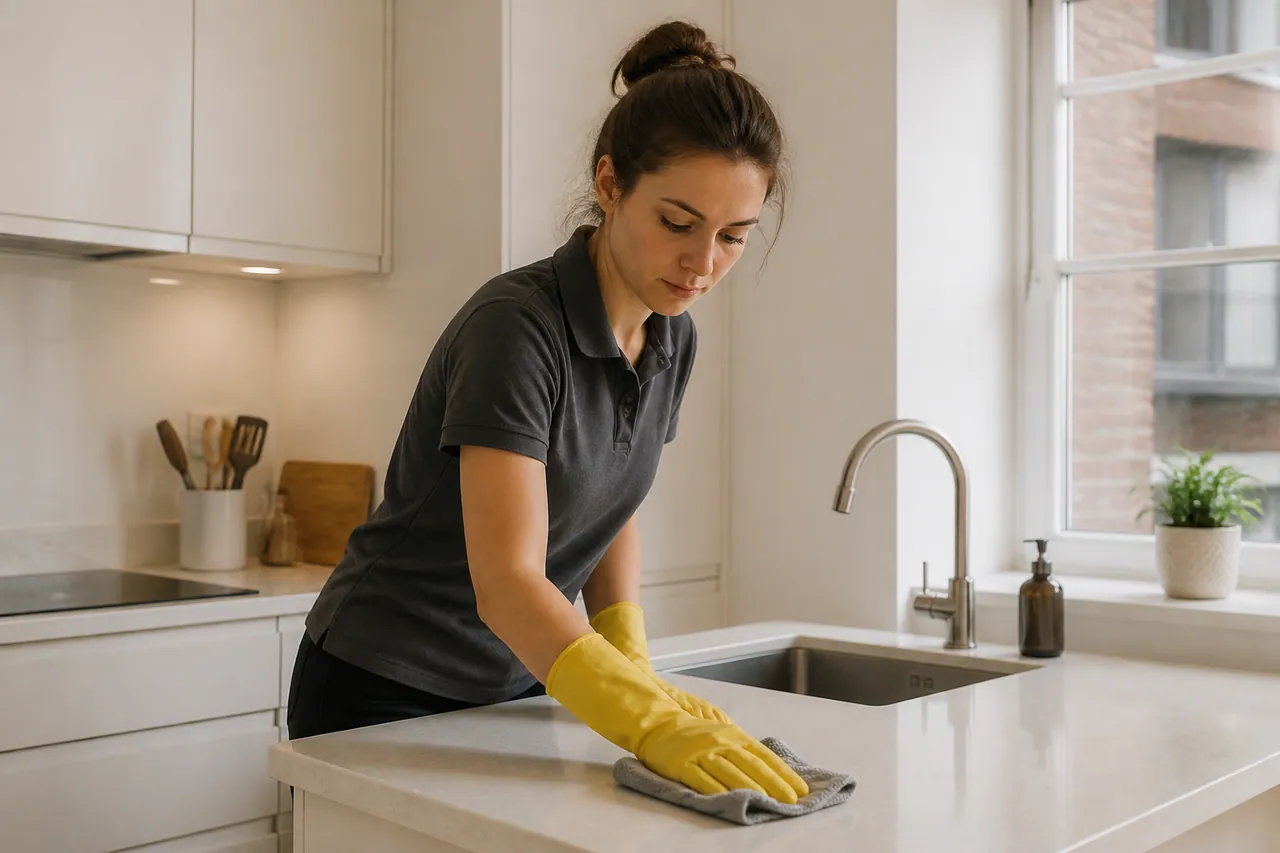
A prepared cooking area allows the sink surrounds and counters to be considered without food in the way.
Look at the actual deposits and fixtures instead of judging the work from the number of occupants.
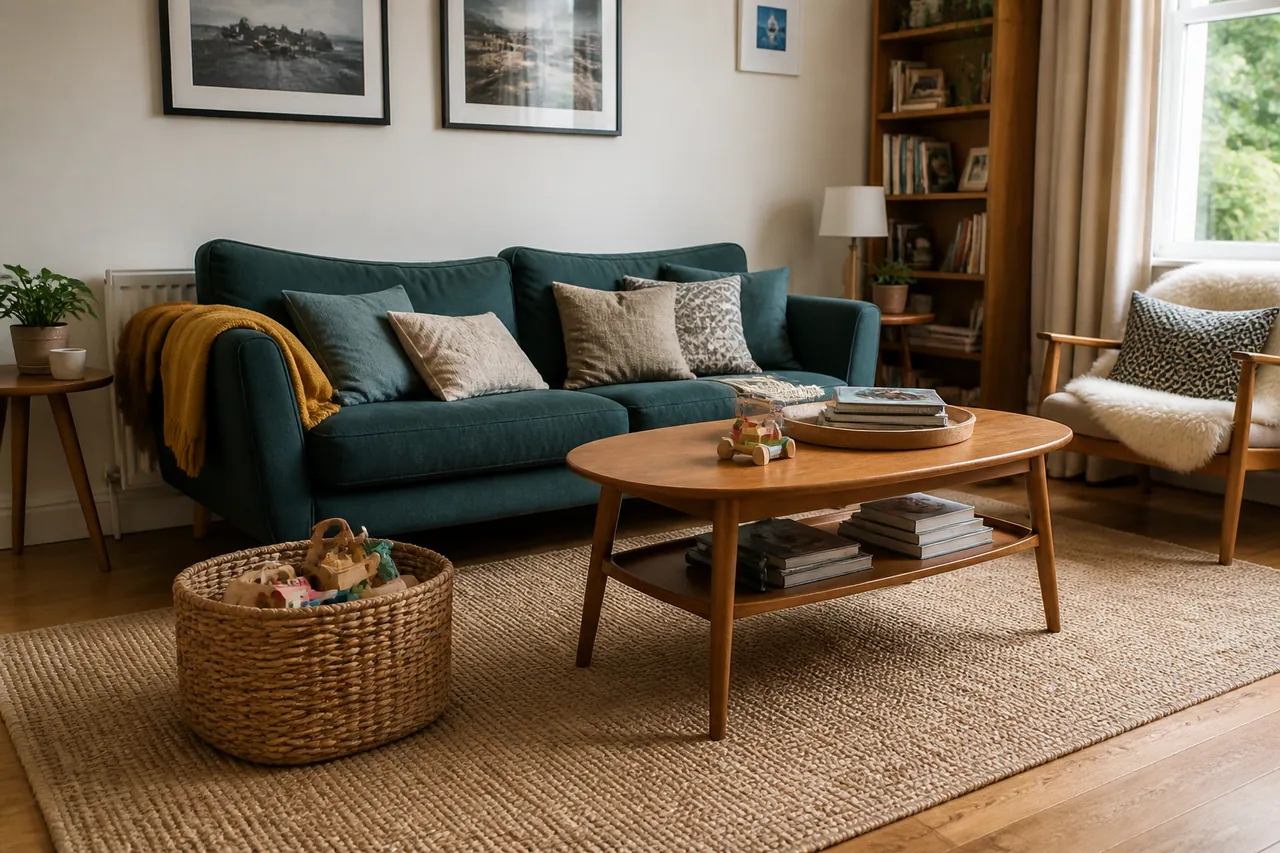
Cleared side tables and accessible furniture faces can be part of the household catch-up.
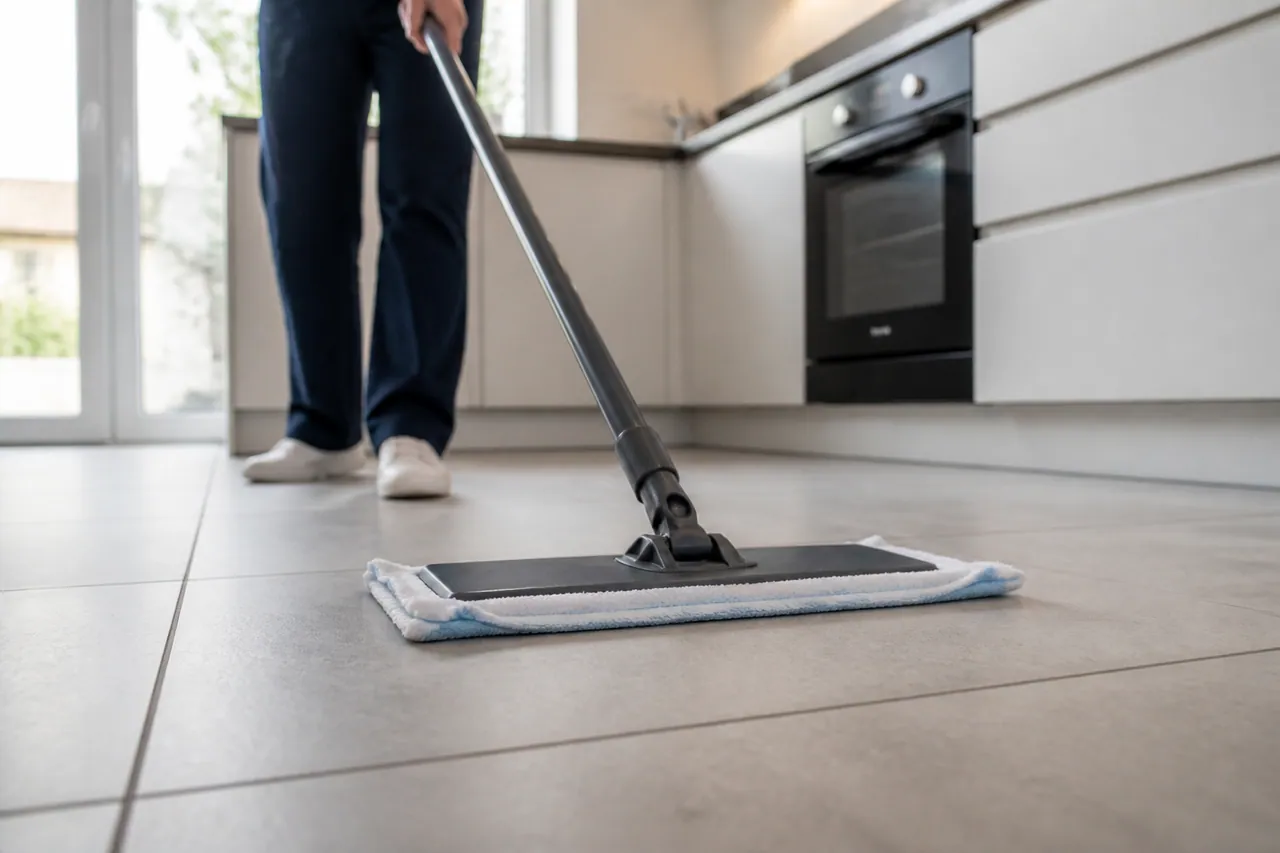
Put shoes away from the section intended for vacuuming or suitable mopping.
A single visit can remain independent of any future maintenance arrangement.
A CATCH-UP BEYOND ROUTINE UPKEEP
The following are possible tasks to assess; their condition and suitable method determine the proposed work.
BEYOND THE DAILY WIPE
Any storage interior or internal appliance needs its own explicit assessment.
FIXTURES USED REPEATEDLY
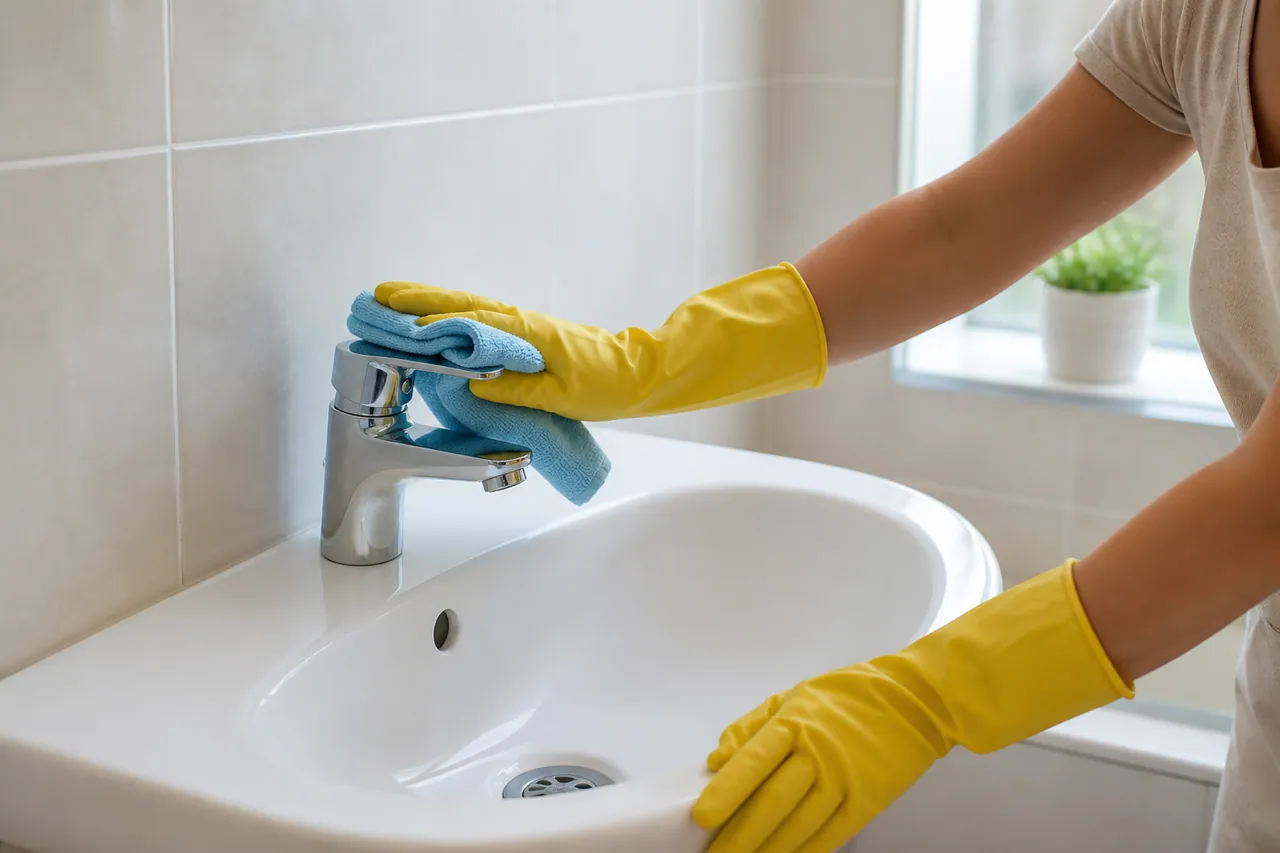
Cleaning can address suitable deposits but does not renew deteriorated coatings or seals.
BETWEEN DAILY USES
A textile treatment differs from dusting exteriors or ordinary vacuuming.
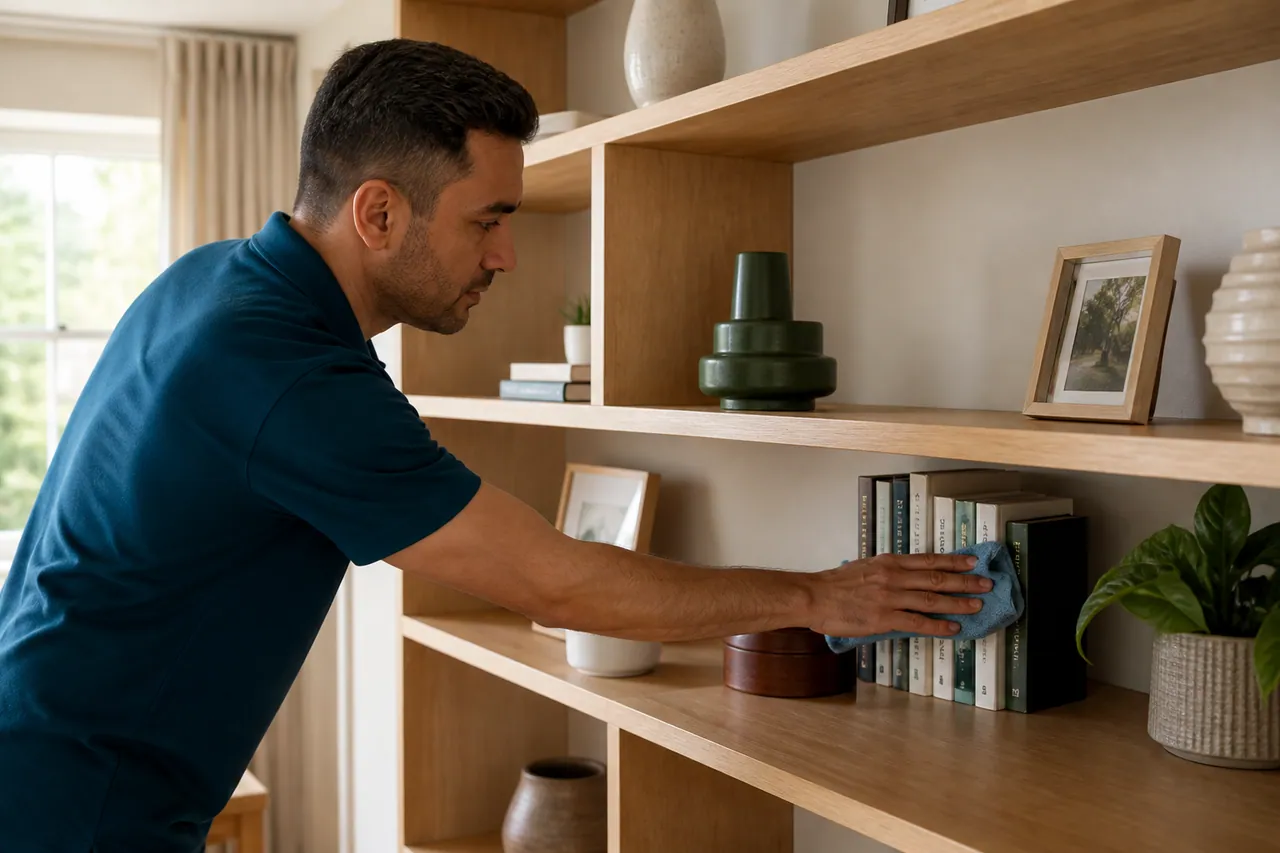
A SEPARATE PERSONAL CHOICE
This is an explicit addition; attention to common facilities does not itself include personal bedrooms.
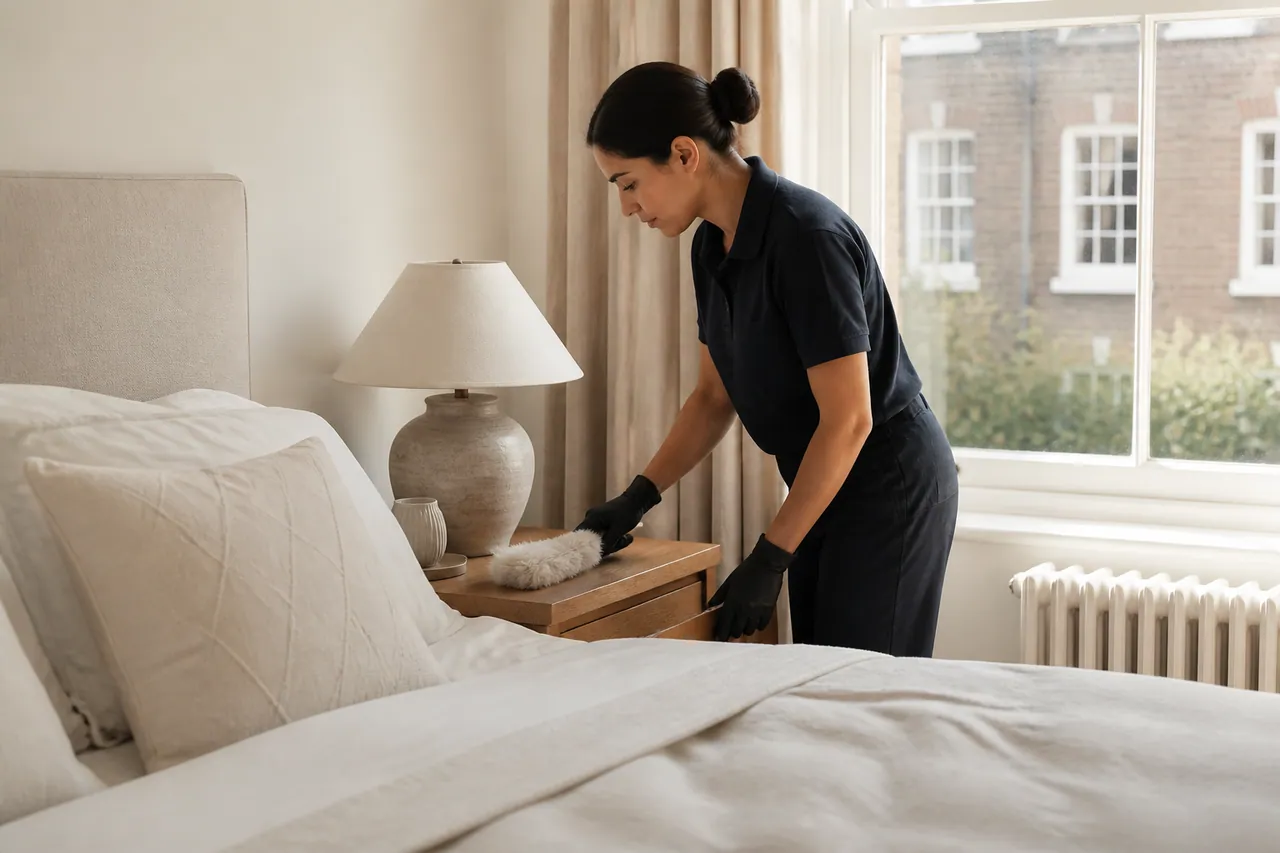
SHARED-SPACE PLANNING
Select a prompt to collect practical details from the household.
Identify the counters and exterior fronts that everyone uses, after residents put their own items away.
One resident can send the combined selection once the household has discussed it.
Discuss the common areasTHE SURFACES BETWEEN SHARED USES
THE COMMON WORK
The proposal should reflect the domestic areas requested rather than simply the number of residents.
| Space | Useful description | Pricing |
|---|---|---|
| Common facilities | Fixtures and current residue | Reviewed request |
| Shared routes | Floor covering and preparation | Individual assessment |
| Specialist item | Specific treatment required | Separate review |
Residents may have different priorities. Combine them before accepting the proposal so additions are not left to competing arrival instructions.
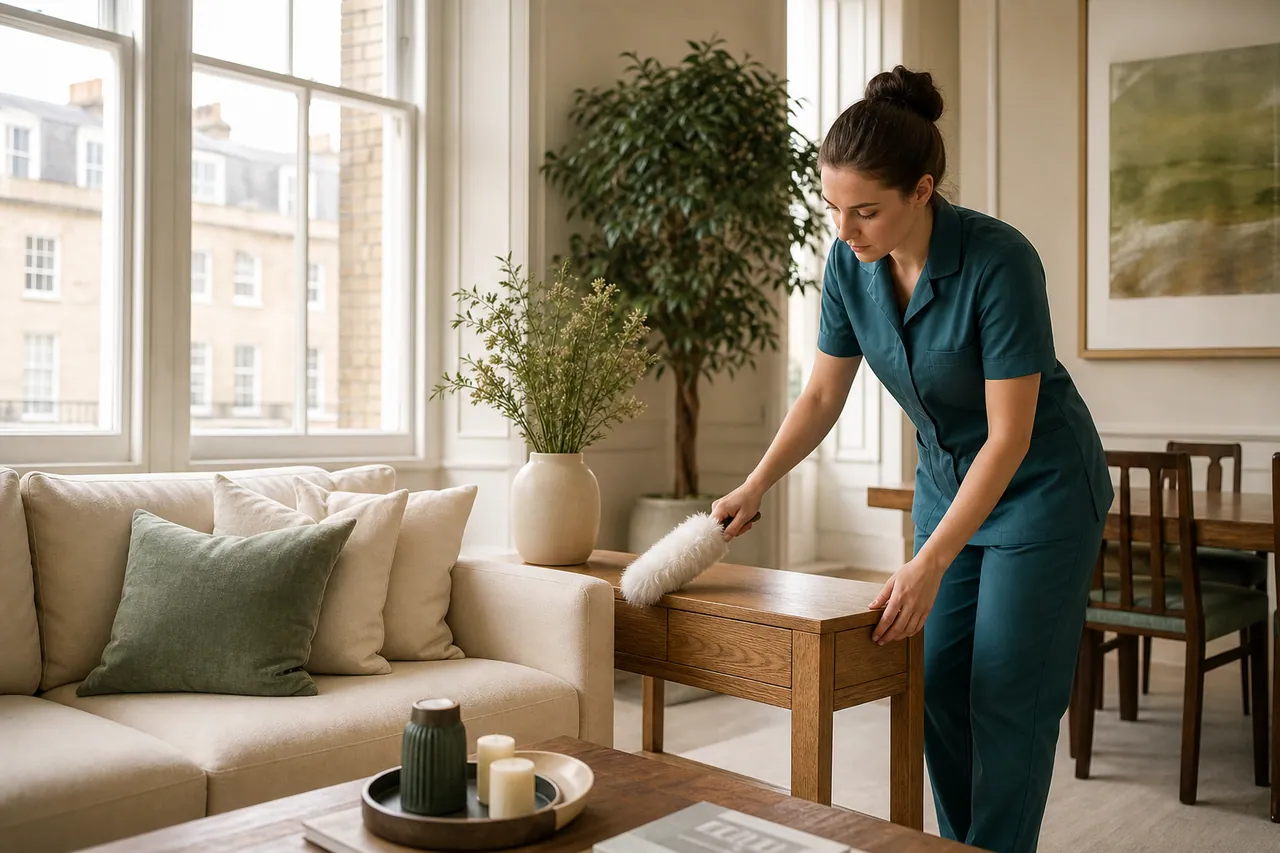
WEMBLEY / A SINGLE SHARED-HOME CATCH-UP
For a Wembley home, start with the domestic jobs that have slipped between everyday uses: a cupboard exterior, a prepared ledge or the floor beside stationary furniture. Describe their present condition rather than presuming that a frequently used space needs every possible treatment.
Choose a one-time visit on its own termsThe household can request this catch-up without automatically setting up repeating attendance. Think of any later maintenance as another decision, based on what the household needs.
Prepare for the actual tasksPut away loose food, toiletries and personal items from the specific areas to be approached. That makes the selected detail available without asking the team to decide where everyone’s possessions belong.
SHARING DIFFERENT LAYOUTS
Use the arrangement in your own home rather than assumptions about the address.
Identify the surfaces residents can prepare within the combined space.
Keep common facilities distinct from private-room choices.
Locate shared washrooms and the route between them.
Combine the domestic priorities into one confirmed selection.
Share known care restrictions for each common facility.
Rank the spaces receiving the most use rather than including everything equally.
NOTICE / CATCH UP / CONTINUE
The point is the domestic attention selected for this occasion, not an automatic ongoing commitment.
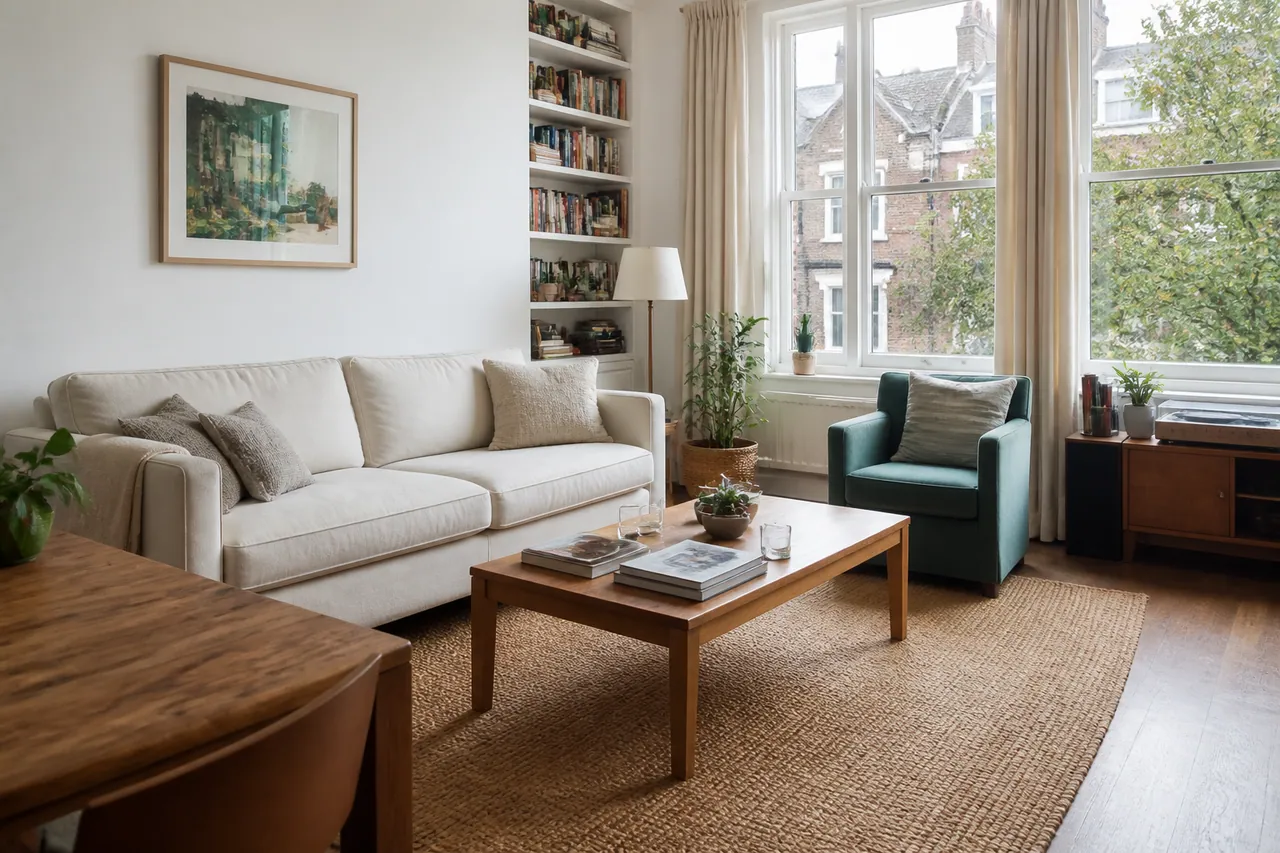
Look beyond the middle of a counter to the exterior fixtures and accessible edges needing attention.
Prepared areas and known finish restrictions guide the proposed domestic work.
Review the requested details; any future visit or routine is a separate arrangement.
COLLECT THE COMMON TASKS
EVERYDAY DOMESTIC ATTENTION
Have personal belongings prepared before attention to the surface underneath.
OTHER REQUIREMENTS
These should be clarified separately from the ordinary common-area work.
ARRANGE THE SINGLE CATCH-UP
Identify the domestic tasks beyond the household’s usual attention.
Include close details and a wider view of the relevant area.
Check the proposed tasks, exclusions and quotation.
Residents put personal items away from the requested surfaces.
Discuss the work provided and consider any further requirement separately.
WEMBLEY PROPERTY DETAILS
Include the full address and the resident authorised to provide access.
Find your street and supply the complete property details.
The Google map loads after selection.ONE-TIME CATCH-UP QUESTIONS
No repeating schedule is implied. Any ongoing domestic arrangement would be a later, separate decision.
Identify them and show their finish and condition rather than assuming a kitchen label covers every detail.
Concentrate the enquiry on the accumulated work that would be useful now; maintained spaces need not receive equal attention.
The assessment considers actual domestic tasks and condition, not occupant count alone.
It needs an explicit authorised request; common-facility attention does not imply personal-room access.
Prepare the particular surfaces requested so the team can approach them without sorting personal belongings.
Cleaning does not replace a damaged finish. Identify existing wear separately from deposits.
Describe specialist textile attention as a separate requirement; routine vacuuming is a different task.
You may enquire again without this visit automatically creating future appointments.
WEMBLEY / A SINGLE USEFUL CATCH-UP
Describe the domestic attention wanted for this occasion and send the current condition for assessment.
Call about a one-time refreshSend the catch-up priorities ↗