
food-oil deposits · coated leather
Sofa Cleaning in Islington: Food-oil deposits
This leather two-seater combines coated leather, clothing dye transfer and lipid residue. The Islington brief compares crumb extraction with seasoning dye; repeat spotting and backing penetration remain visible limits.
- Photograph lipid residue beside crumb extraction
- Map seasoning dye on the leather two-seater
- Record clothing dye transfer without promising removal
- Confirm confirm agent or landlord key arrangements

Coated-leather condition check
Distinguish oily deposits from finish damage
Clothing dye, food oils and seasoning colour can overlap on coated panels. Check for tackiness, cracking or coating loss before planning surface care.
- Remove loose crumbs only
- Show transfer in neutral light
- Arrange landlord or agent access
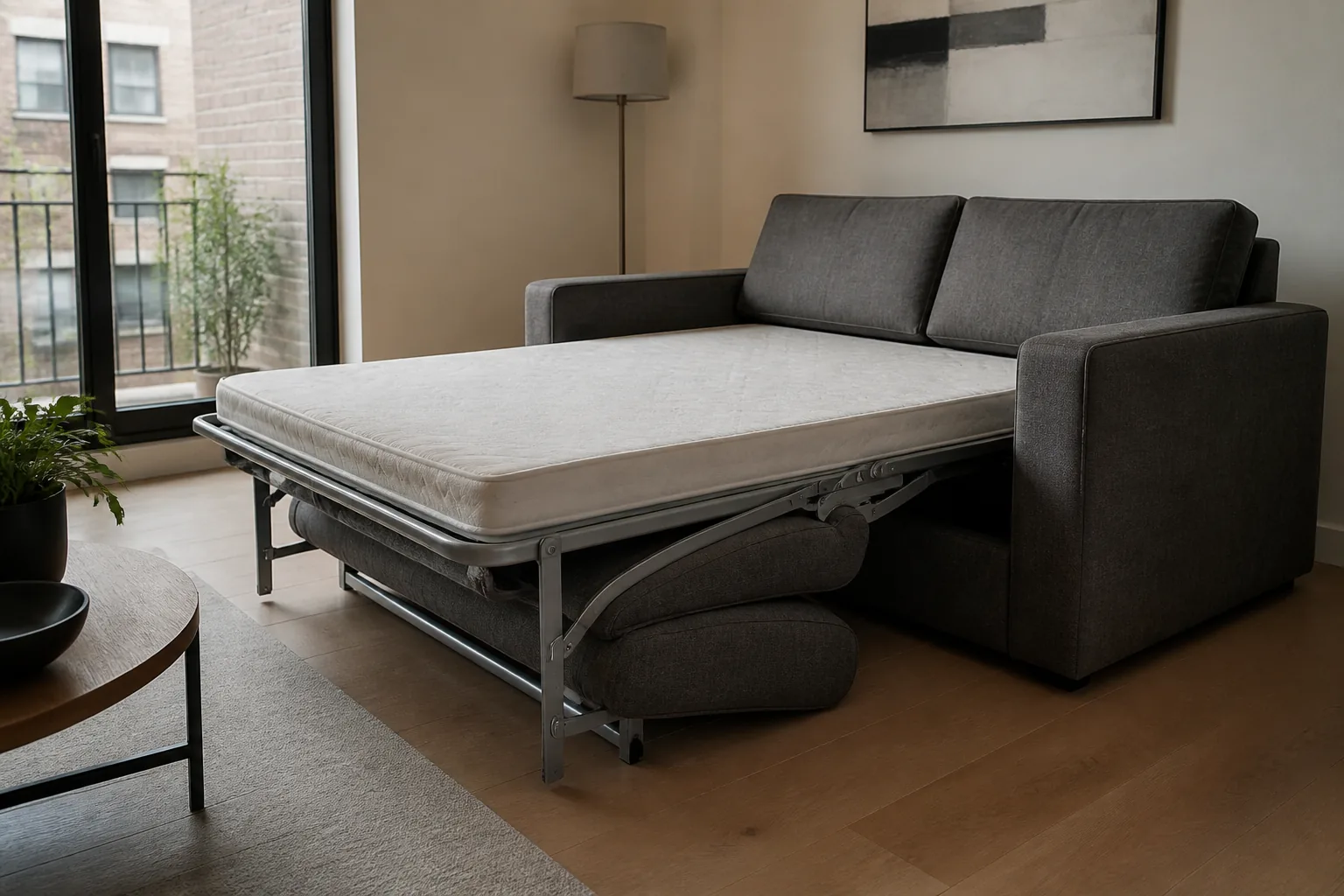
food-oil deposits
Lipid residue, crumb extraction and seasoning dye
Lipid residue begins the food-oil deposits check on this leather two-seater. Crumb extraction supplies food-oil deposits contrast; seasoning dye records construction. The food-oil deposits decision retains repeat spotting and backing penetration.
Coated leather cannot establish food-oil deposits dye or backing. The clothing dye transfer account separates residue from repeat spotting, distortion and structural damage.
Islington access facts
Route notes for the leather two-seater
A food-oil deposits booking cannot infer property type from Islington. Confirm confirm agent or landlord key arrangements where relevant. Show lipid residue clearance, floor protection and space around crumb extraction; leave seasoning dye unchanged before inspection.
Food-oil deposits cost boundary
A written scope for food-oil deposits
No food-oil deposits tariff is invented. The food-oil deposits quote names leather two-seater, coated leather, clothing dye transfer, crumb extraction and access. Compatible care cannot repair repeat spotting, reverse backing penetration or promise complete removal.
The food-oil deposits trust record uses starting images, the lipid residue boundary and aftercare for seasoning dye; it contains no unrelated customer quotation.
Food-oil deposits return to use
Drying around repeat spotting
Crumb extraction, filling and repeat spotting shape airflow readiness. Protect backing penetration; position seasoning dye as advised; keep direct heat away from lipid residue.

food-oil deposits questions
Ten decisions for this leather two-seater
How should lipid residue be photographed?
Food-oil deposits: show lipid residue in position; add seasoning dye for contrast.
Can crumb extraction alter the method?
Crumb extraction can alter food-oil deposits reach or moisture control beside repeat spotting.
Why compare seasoning dye with backing penetration?
A food-oil deposits comparison of seasoning dye and backing penetration separates deposit from wear.
Does repeat spotting affect the quote?
Name repeat spotting in the food-oil deposits quote when lipid residue changes risk.
Can cleaning reverse backing penetration?
Food-oil deposits care cannot reverse backing penetration when colour or structure is lost.
Should lipid residue be moved first?
Leave lipid residue unchanged; preserve seasoning dye for the food-oil deposits inspection.
What makes crumb extraction a limit?
Stop food-oil deposits work when crumb extraction threatens trim, filling or repeat spotting.
How is seasoning dye checked later?
Compare dry seasoning dye with the food-oil deposits image of backing penetration.
Can a picture diagnose repeat spotting?
Images plan repeat spotting; the food-oil deposits check may still need lipid residue.
Where does backing penetration enter aftercare?
Link backing penetration to food-oil deposits airflow and return-to-use advice for crumb extraction.
