
Tree
Review size, overall form and observable defects.
SUTTON · TREE · PROPERTY · ACCESS
A request to “cut it back” leaves too much unanswered. In Sutton, a clearer brief links the reason for work with the tree’s form, nearby targets, access and the finish expected at ground level.
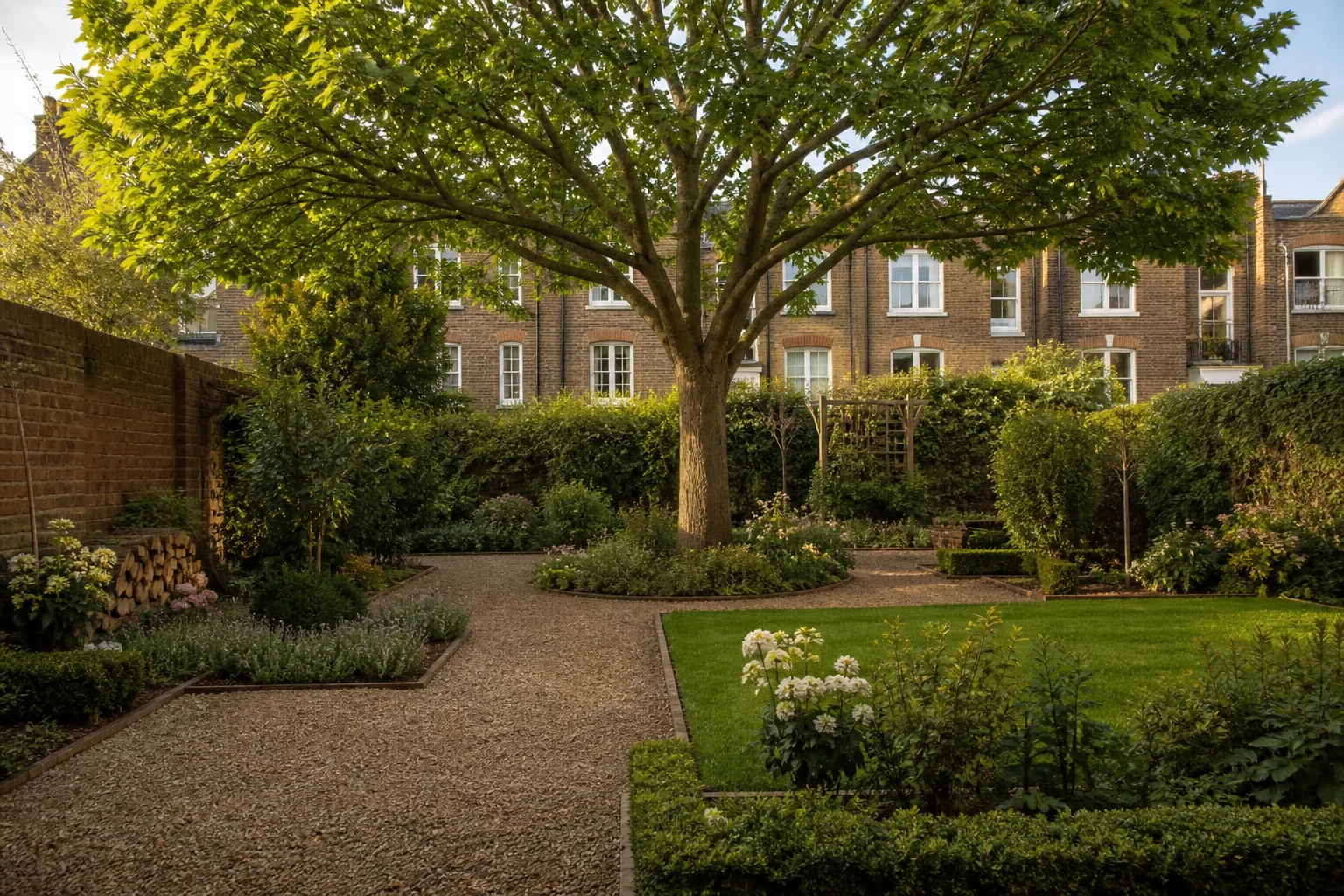
START WITH THE REASON
Condition-led does not mean alarmist. A lean, cavity or dead branch may require closer assessment, but it does not justify an automatic online verdict. The aim is to connect observed evidence at the Sutton property with a proportionate operation.
This selector records useful evidence; it does not diagnose the tree or prescribe work.
SUTTON TREE AND SITE
Sutton includes more than one kind of property, so no single access story should be treated as typical. Larger plots, mature planting and quieter residential lanes are relevant examples rather than claims about every street. The actual address decides the working space, protection needs and route for arisings.
Review size, overall form and observable defects.
Nearby buildings, routes, boundaries and garden features.
Long approaches and soft ground.
| Possible situation | Point to confirm | Why it belongs in the plan |
|---|---|---|
| larger garden property | Where the tree meets the built setting | Required clearance can influence the pruning brief |
| larger plots, mature planting and quieter residential lanes | The normal use of the ground below | Access periods and the work zone require planning |
| long approaches and soft ground | The full route, including levels and turns | Arisings need a practical route from the garden |
| Protected or shared setting | Ownership, relevant restrictions and consent | Requirements may affect when work is booked |
PLAIN-ENGLISH TREE WORK
Tree size can alter time, crew planning, access and waste volume, yet size alone does not dictate the recommendation. The relationship between the tree, larger garden property and intended outcome remains central.
| Tree work | What it means | Typical objective |
|---|---|---|
| Pruning | A measured selection of branches | Resolve an agreed branch or crown concern |
| Crown reduction | Selectively reduce the outer crown dimensions | Achieve a smaller spread or height when suitable |
| Crown thinning | Make a measured selection inside the crown | Reduce congestion but preserve the broad outline |
| Crown lifting | Lift the canopy through suitable lower-branch removal | Manage lower branches for an agreed clearance |
| Tree removal | Remove the whole tree | When the wider condition and context support removal |
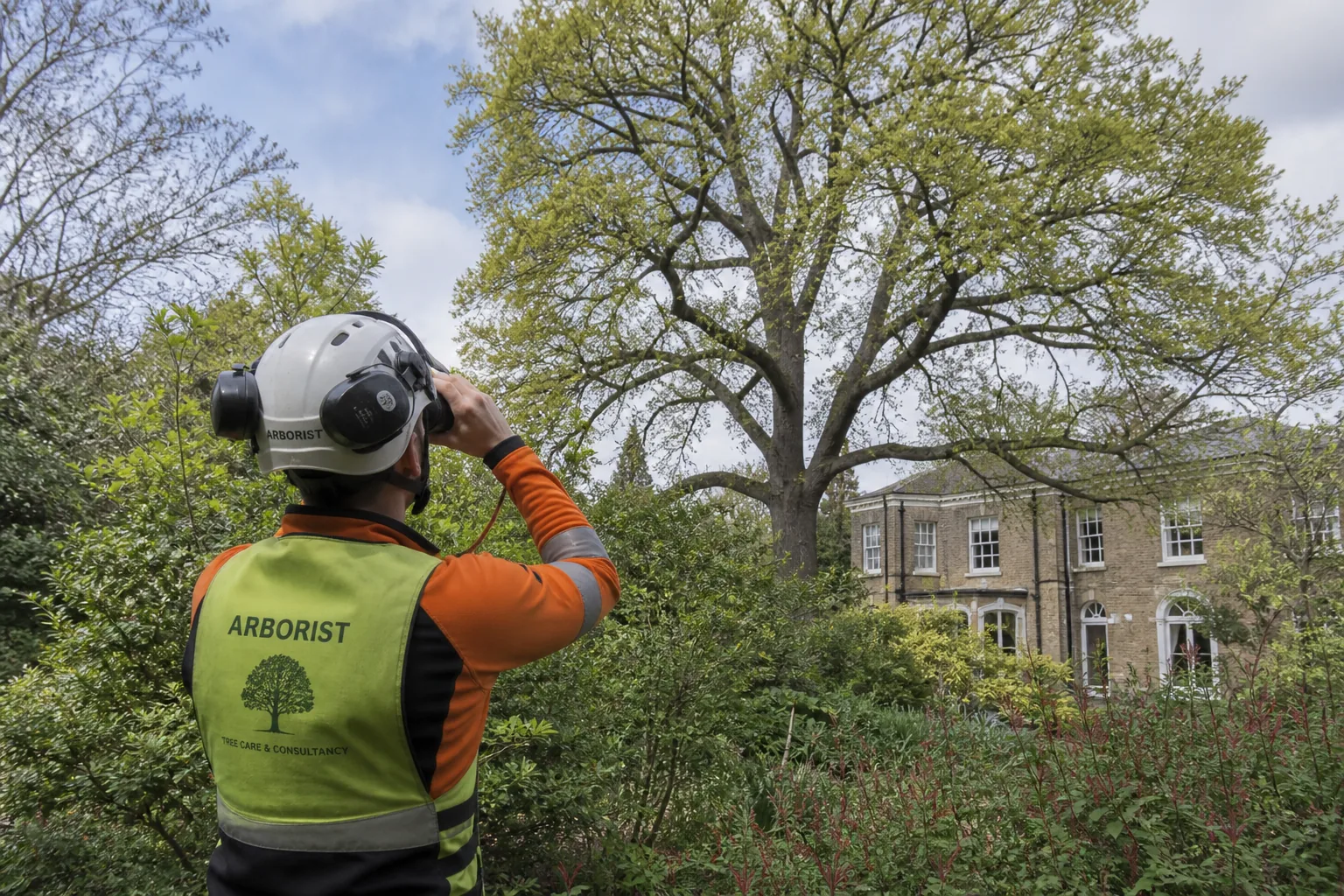
ACCESS CHANGES THE PLAN
Open gardens and restricted frontages require different planning. For Sutton, photographs of long approaches and soft ground help prevent the tree specification from being separated from the practical site.
Lawns and borders remain relevant even with generous room.
Note gates, bends, steps and surfaces needing protection.
A shared route can require communication before work.
Parking conditions can affect arrival and material handling.
FROM CONCERN TO RESULT
Share the concern and the result you hope to achieve
Look at the tree, site and things potentially affected
Review the approach, responsibility and relevant controls
Set out what will be done, how much and at what cost
Coordinate the working area with normal site use
Work to the documented arboricultural scope
Check the work area and agreed disposal outcome
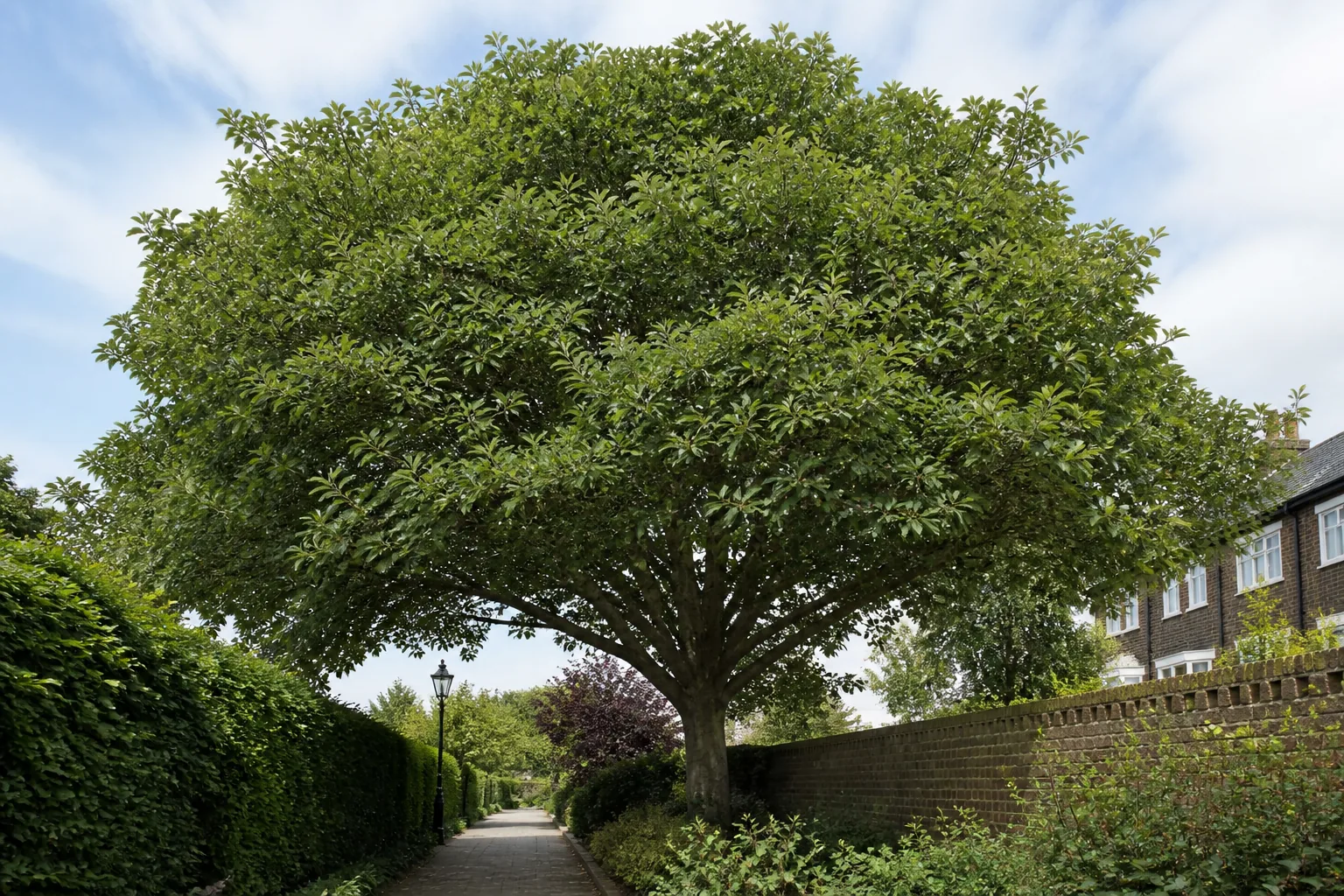
PRUNING OR REMOVAL?
Condition-led does not mean alarmist. A lean, cavity or dead branch may require closer assessment, but it does not justify an automatic online verdict. The aim is to connect observed evidence at the Sutton property with a proportionate operation.
| Situation noticed | Pruning may be considered | Removal discussion |
|---|---|---|
| Excessive spread | Often, where suitable for the tree | Not automatically |
| Low branches | Targeted lifting may be suitable | Usually unnecessary for that reason alone |
| Dead branches | Selected deadwood removal | Depends on whole-tree assessment |
| Property conflict | Depends on the extent and objective | May require broader assessment |
| Serious visible damage | No online conclusion | Assessment required |
BRANCHES, CHIP AND TIMBER
Material handling is part of the work plan. The volume produced, nearby surfaces and long approaches and soft ground should be considered together when the Sutton quotation is prepared.
Confirm chipping and removal.
Agree removal or retained log sizes.
Separate unless expressly included.
QUOTE THE ACTUAL WORK
A fixed online price would hide the variables that matter. The quote should distinguish crown work from removal, confirm the material to be taken away and state whether stump work forms part of the request.
| Factor | Why it matters |
|---|---|
| Tree size and condition | Shapes the assessment and amount of work involved |
| Type and extent of work | Measured pruning does not carry the same scope as removal |
| Access and surroundings | long approaches and soft ground can change site planning |
| Arisings | The amount of chip and timber affects site logistics |
| Number of trees | Changes the combined specification |
| Stump work | Is not assumed within the main tree operation |
| Permissions | Can shape preparation and the eventual timing |
PERMISSION AND RESPONSIBILITY
Tree work may be affected by a Tree Preservation Order, conservation-area requirements, ownership or rules for a managed site. This page cannot determine the legal position of a particular tree. Check the relevant requirements before work is scheduled where applicable.
| Situation | Point to consider |
|---|---|
| Tree with a TPO | Specified work may require permission |
| Conservation area | Notification or permission requirements may apply |
| Boundary tree | Ownership and responsibility should be established |
| Rented property | Landlord or manager approval may be relevant |
| Managed development | Access and site rules may affect the plan |
TIMING AND WILDLIFE
Season can matter, but a universal pruning calendar would be misleading. The right timing for a Sutton enquiry depends on the tree and purpose of the work.
Confirm the objective, boundary and route through the property.
Coordinate authority and access with the occupier where needed.
Record shared-area rules, communication and site constraints.
SUTTON SERVICE CONTEXT
The local part of the brief is practical: who uses the garden, where the boundary lies, how the team reaches the tree and whether the property is managed. In Sutton, long approaches and soft ground may need coordination before the work date rather than improvisation on arrival.
USEFUL ANSWERS FOR SUTTON
It can influence time, crew, access, material volume and the way nearby property must be protected. The written scope should make this explicit.
Thinning removes selected growth within the crown to reduce density while broadly retaining its overall dimensions.
Potentially, but the route, working space, nearby structures and handling of arisings need to be assessed first.
No. Suitable pruning may address some growth or clearance concerns; the appropriate response depends on assessment. Assessment comes before a firm recommendation.
The tree, requested result, access, nearby property, permissions and waste arrangements are considered before a written price is issued.
No. Stump and root work are separate unless they are expressly included in the quotation.
No. Tree surgery covers arboricultural assessment and tree operations; routine ground-level garden maintenance is a different service. The written scope should make this explicit.
Possibly, but the structure, available working space and controlled handling requirements need assessment.
Selected lower branches are removed to create appropriate clearance beneath the crown.
Ownership, responsibility, access and the intended work should be clarified before cutting is arranged. The written scope should make this explicit.
REQUEST AN ASSESSED SUTTON SCOPE
Tell us what has changed, what outcome you want and who controls the property. Photographs can begin the review without pretending to diagnose the tree online.
