Minimum visit applies
 020 3608 3976
PLAN AROUND THE REST PERIOD
If your rest period falls during the day, a conventional daytime appointment may not fit the way the bedroom is used.
Explain the sleep arrangements at your Surbiton property before choosing a bedroom-cleaning appointment.
Rest-time boundaries·Available access·Plan sleeping arrangements
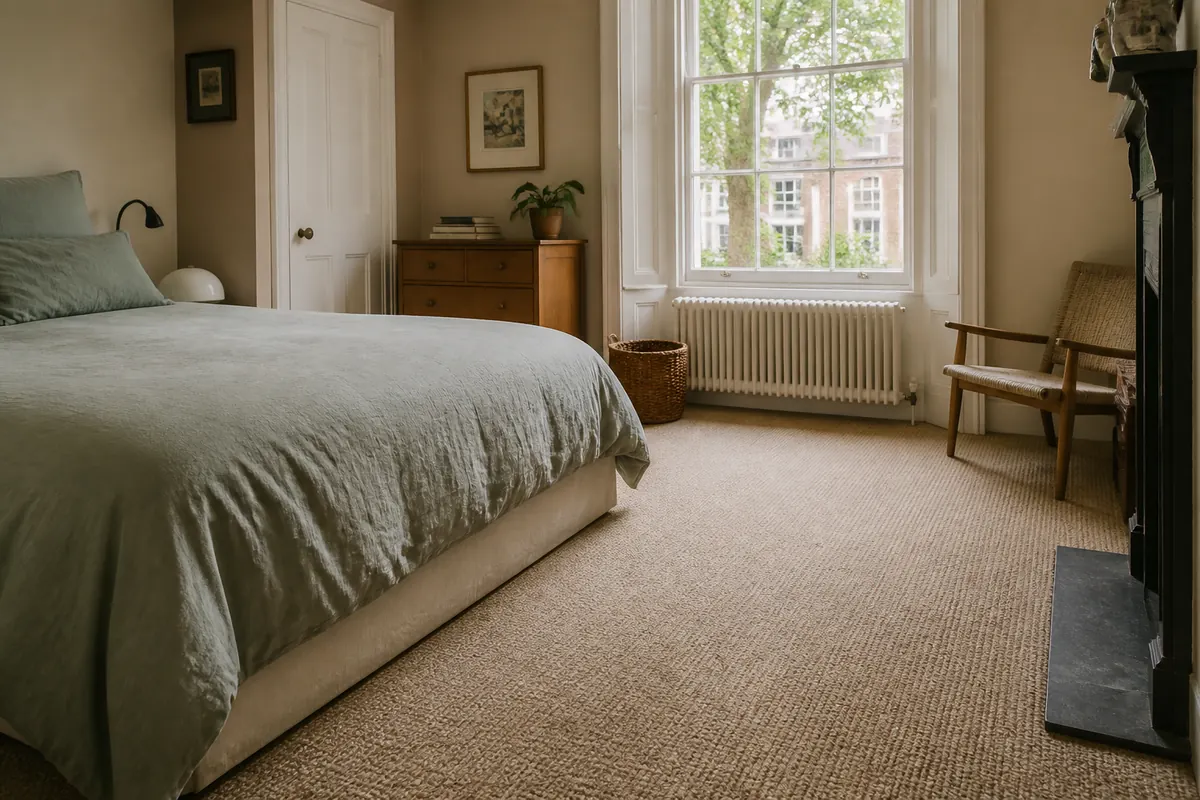

EXPLAIN WHEN THE ROOM IS OCCUPIED
If you work nights, describe the period when the sleeping space cannot be disturbed and any alternative room you can use.
An attendance estimate is not a guarantee that the bedroom will be ready for the next rest period.
Name the period when the sleeping room cannot be entered rather than assuming conventional daytime access.
Discuss whether another space is available while the carpet is treated and dries.
MATERIAL CHECKS

Synthetic
Identify worn bedside stepping points
State the hours reserved for uninterrupted rest
Wool
Pass on the bedroom covering's care label
Identify an alternative sleeping space if available
Low pile
Distinguish bed-leg dents from soil
Keep bedside cables clear of the working route
Deep pile
Allow for its particular moisture recovery needs
Discuss bedroom readiness before choosing a slot
HOW THE CARPET IS CLEANED
The bedroom's exposed flooring and later sleeping requirements are reviewed together, without a promised bedtime deadline.
Checks include the fibre, backing and colour stability rather than choosing a method from softness alone.
With loose cables and belongings cleared, appropriate dry vacuuming and compatible pre-treatment prepare the reachable pile.
Controlled extraction may suit the installation; otherwise a justified low-moisture approach and its limitations are discussed.
Recovery removes practical residual moisture, with pile setting where suitable; inaccessible patches remain outside the agreed scope.
Guidance covers ventilation and room use before bedding, storage boxes or floor coverings return.
ROOM SCOPE AND REST-TIME CONSTRAINTS
For a Surbiton enquiry, give the room dimensions and the period reserved for daytime sleep. A room price does not establish an available out-of-hours slot or guarantee the bedroom is ready before the next rest period.
Minimum visit applies
State the hours reserved for uninterrupted rest
| Included request | Room area and occupied hours | Starting guide |
|---|---|---|
| Small carpeted room | Bedroom dimensions and access window | From £30 |
| Two to three rooms | Named rooms with separate sleeping constraints | From £75 |
| Stairs or additional sections | Any approach needed while another room is occupied | Request a quotation |
| Separate or unusual textile | A loose bedside textile remains a separate item. | Assessment required |
Check that attendance and aftercare fit the actual rest arrangements. Confirm the minimum visit conditions without treating an appointment end estimate as a guaranteed room-readiness time.
Published service prices ↗ILLUSTRATING CARE AROUND DAYTIME SLEEP
The AI room sequence is illustrative, not a Surbiton customer booking or proof that a bedroom can be returned to use by a fixed sleep deadline.
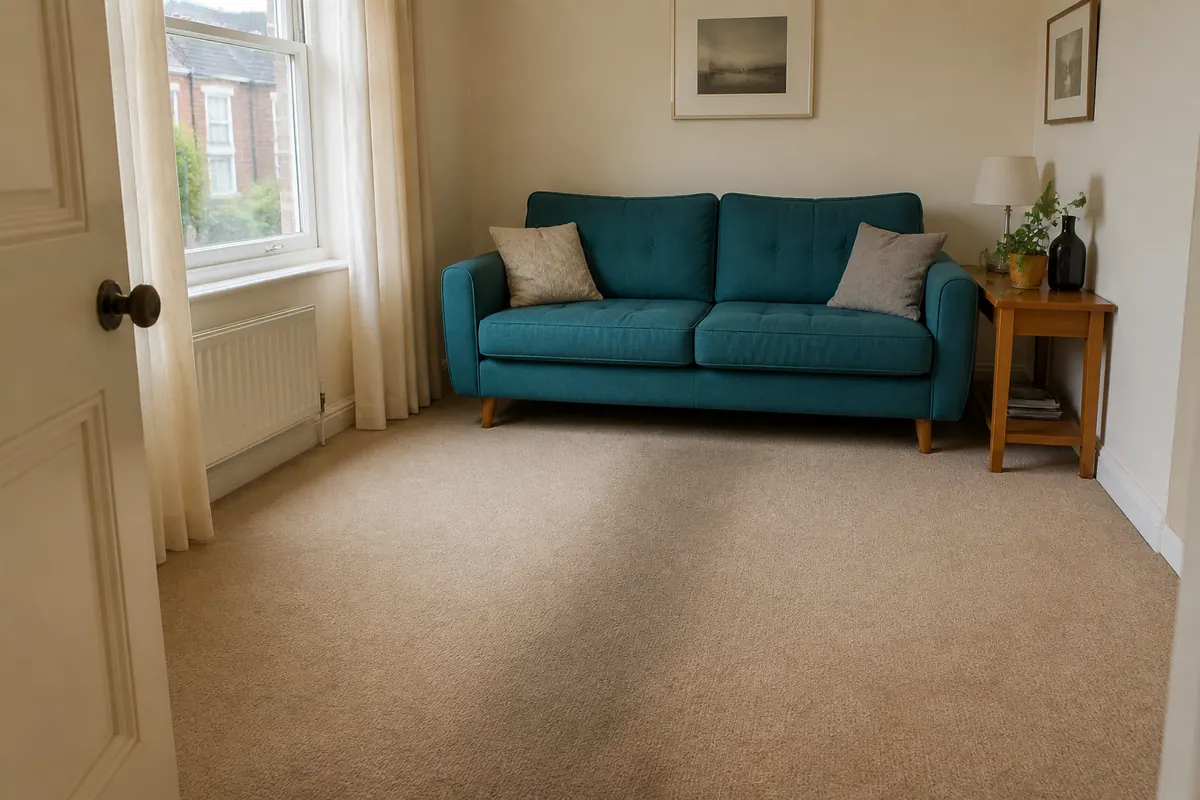 Before
The rest period and an authorised arrival contact are established alongside the room scope.
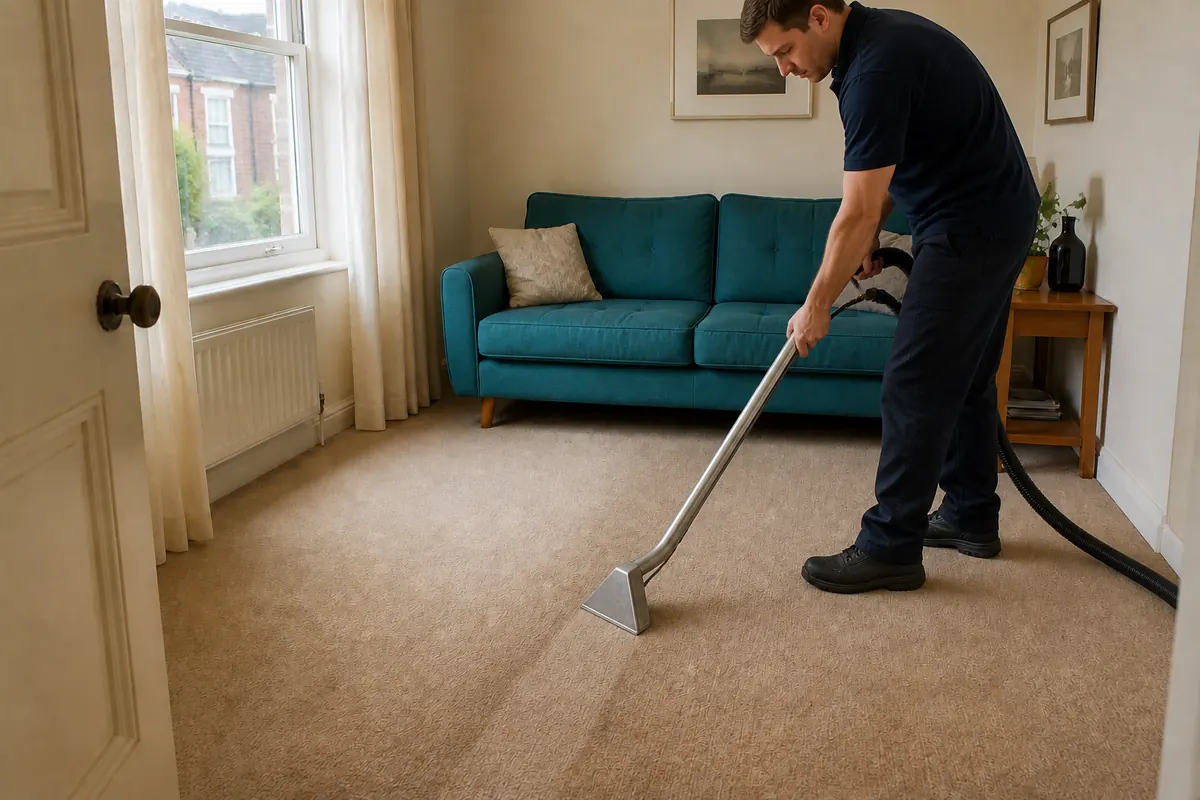 During
Material-led treatment proceeds within the accepted work; time pressure does not remove preparation or recovery needs.
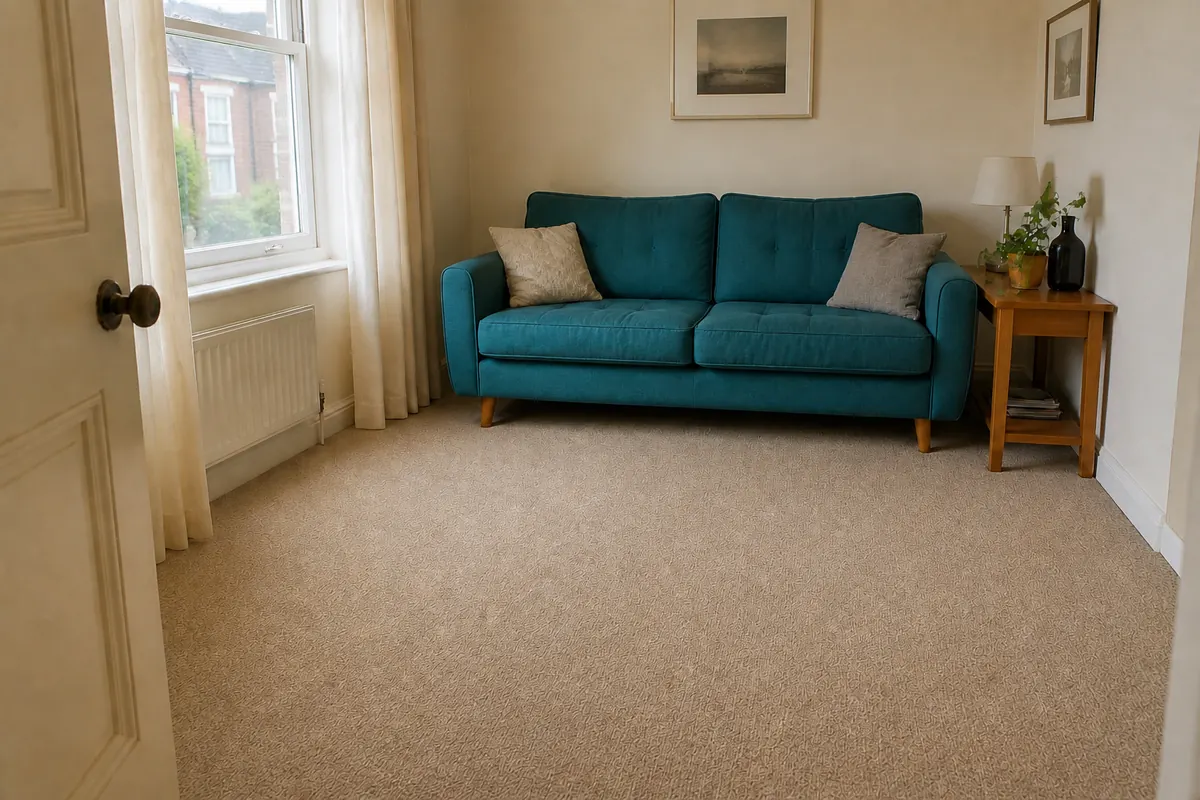 After
AfterKeep a workable sleeping alternative until drying and aftercare allow the usual room use.
A NON-STANDARD HOUSEHOLD TIMETABLE
The important constraint is when someone needs the space undisturbed, not the label daytime appointment.
Agree an arrival contact who can respond without relying on the sleeping occupant.
Tell us if the proposed access period has changed before the visit is confirmed.
Raise that constraint early rather than assuming the bedroom will be immediately usable.
Explain any practical limits that affect the ventilation plan after cleaning.
A closed bedroom door does not establish a quiet environment beside active equipment.
A finishing estimate is not a guarantee that the carpet and floor-level bedding are ready.
Drying and stain outcomes remain material-dependent, regardless of the planned sleep time.
REST-TIME PLANNING
Use £30 and £75 as starting guides, subject to minimum visit terms; state the reachable bedroom floor and whether the bed remains fixed.
Bedroom use varies. A daytime sleeper's room should be assessed by condition and care guidance, not an assumed night-time routine.
Explain sleeping hours before asking about visit length; the appointment must be coordinated with the actual occupied bedroom.
Bedroom readiness depends on fibre density, the moisture used and recovered, and safe airflow. Explain daytime sleep or blackout requirements; keep an alternative sleeping arrangement until the actual aftercare permits normal use.
Name bedside drinks or cosmetics when known, including earlier attempts; permanent colour change may remain.
ROOMS AND OCCUPIED PERIODS
Name the room being cleaned and any neighbouring space occupied during the proposed visit. Explain whether access crosses the sleeping area before selecting a slot.
LOCATION CHECK
Give an arrival contact who can answer without disturbing somebody asleep. If access depends on entering the sleeping room, explain that constraint before selecting an appointment.
Check attendance against the stated rest period, not a conventional household timetable.
Discuss the practical appointment windowUse the local map when supplying the complete bedroom-cleaning address.
Loading connects to Google Maps.Open Surbiton in MapsREST TIME IS A REAL BOOKING CONSTRAINT
You can state practical rest hours without explaining why the household follows that routine.
A time when the door can be opened is not necessarily a time when the sleeping room can be treated.
Blackout or other room-use arrangements may need discussion when ventilation advice is given.
A changed shift or rest period can affect feasibility; do not assume an accepted slot automatically adapts.
BEFORE YOU BOOK
A useful booking brief explains practical hours and access without requiring private details about your employment or household routine.
Discuss your circumstancesNo. State the relevant occupied hours, access restrictions and room-use needs; personal reasons are not necessary for the practical plan.
Identify an authorised contact who can answer and provide access without depending on the person asleep.
Do not assume that. Equipment operation and access nearby may still affect rest, so describe the occupied room and adjoining route.
Ask about actual options for the address. The page does not confirm out-of-hours attendance or a particular appointment slot.
Raise that before agreeing the visit so room use and drying constraints can be discussed honestly rather than relying on immediate readiness.
Explain the setup when receiving ventilation guidance. Follow the advice for the completed treatment rather than assuming the usual rest arrangement also provides suitable drying conditions.
Update the occupied hours before confirming attendance. The previous access window should not be assumed unchanged.
Name that room and its own occupied periods. A combined request still needs an agreed scope and feasible access.
EXPLAIN THE REST WINDOW
Send the Surbiton carpet dimensions, occupied hours and practical sleeping arrangements before choosing an appointment.
Availability and room-use advice require confirmation
