Minimum visit applies
 020 3608 3976
FOOD SPILLS WITH MORE THAN COLOUR
A sauce mark may involve oil as well as colour, and its visible outline may not tell the whole story.
For your Uxbridge enquiry, describe the food and known ingredients without guessing what the mark contains. Explain whether crumbs or solid pieces were removed and which products have already touched the carpet.
Ingredient context·Residue assessment·Material-led care

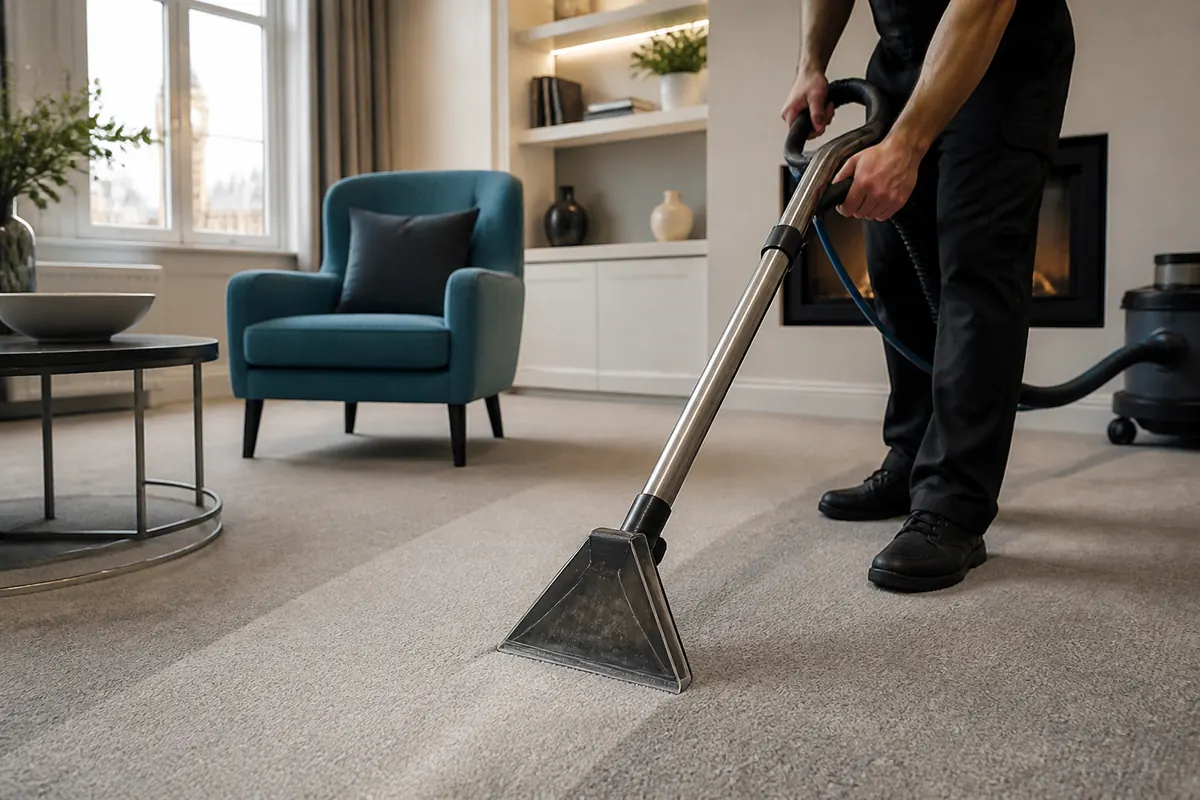
DESCRIBE WHAT CONTACTED THE PILE
A dropped takeaway container and an oily handprint need different descriptions. Identify the original event and distinguish it from an old dark patch whose cause you cannot establish.
Do not label an unknown mark grease simply because it attracts attention under the light. Explain texture or visible residue as observations, and tell us if repeated detergent use left a wider area affected.
Mention oil, coloured sauce or dairy content only when reliable.
Describe whether an earlier attempt spread the mark beyond the original spill.
THE COVERING STILL SETS LIMITS
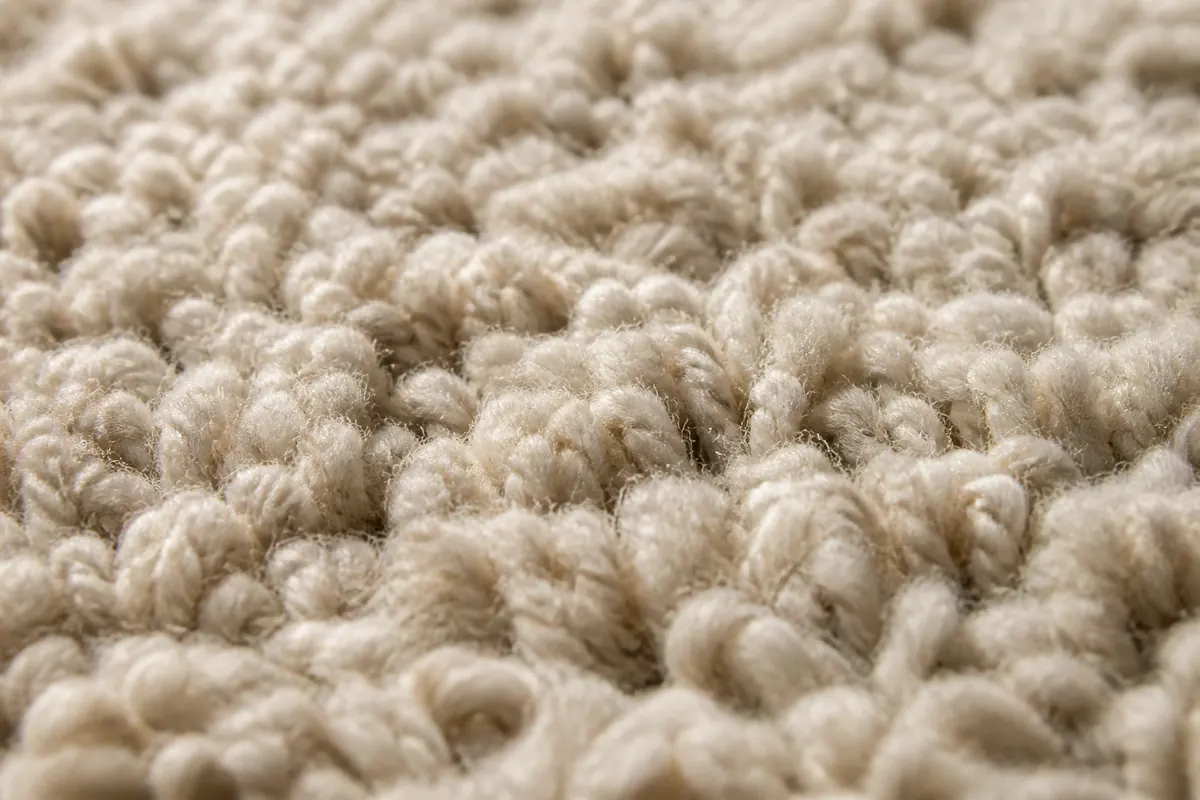
Synthetic
The carpet construction must be checked even when the food is known.
Do not select a product from appearance alone.
Wool
A product intended for greasy cookware is not automatically compatible with wool.
Provide the carpet care instructions if retained.
Low pile
Visible residue and physical pile change are different observations.
Show both the patch and surrounding surface.
Deep pile
Food pieces caught below the tips can make preparation different from a surface smear.
Do not grind debris deeper through rubbing.
Rugs
Food on a loose rug needs its own dye, fibre and backing review.
Separate rug enquiry ↗CLEANING AFTER A FOOD INCIDENT
Known ingredients, elapsed time and previous products are reviewed with the current carpet condition.
Fibre, backing, seams, colour response and damage are checked before a compatible method is chosen.
Loose material is dealt with appropriately, including dry vacuuming where required, before suitable spot pre-treatment.
Controlled extraction or a justified lower-moisture method addresses the carpet without indiscriminate degreaser use.
Practical recovery passes and appropriate pile finishing precede review of persistent discoloration or texture changes.
Ventilation, traffic and furniture-return advice accompany an honest account of any permanent marks.
FOOD SPILLS AND THE ROOM QUOTE
Describe the affected Uxbridge carpet and room size alongside the food incident. Published room amounts do not guarantee a special spot-only rate or complete removal of an oily mark; confirm the accepted treatment and minimum visit conditions.
Minimum visit applies
Include previous detergent or grease-remover attempts
| Carpet request | Food-incident detail | Published room guide |
|---|---|---|
| Small carpeted room | Room dimensions and the affected location | From £30 |
| Two to three rooms | Named rooms with separate spill histories | From £75 |
| Stairs or additional sections | Describe transfers onto steps or connecting carpet | Request a quotation |
| Separate or unusual textile | An affected rug is a separate textile enquiry. | Assessment required |
Removing general soil, assessing a food mark and treating another textile are not interchangeable scopes. Ask what is included before assuming one room figure covers every consequence of the incident.
Published service prices ↗AN ILLUSTRATIVE FOOD-SPILL SEQUENCE
AI-generated room images illustrate care stages; they are not proof of greasy-food removal at an Uxbridge address.
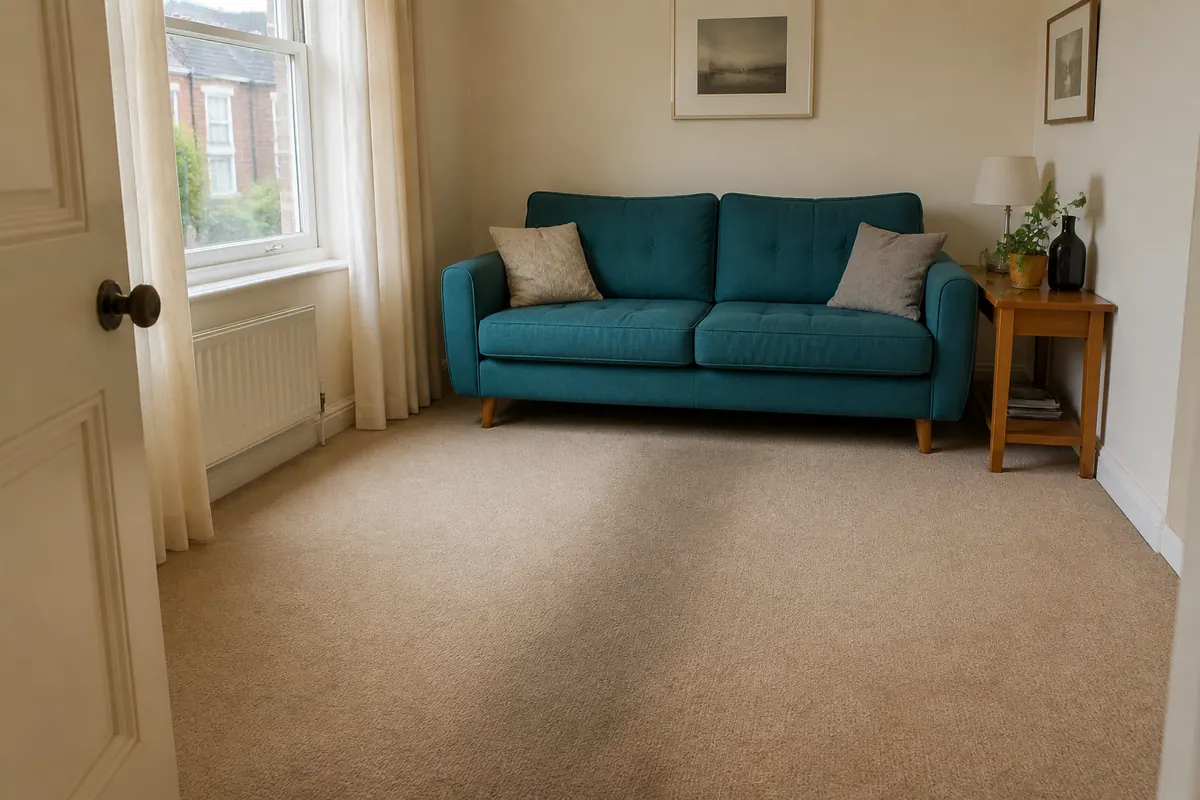 Before
The account distinguishes remaining fragments, visible colour and earlier household products.
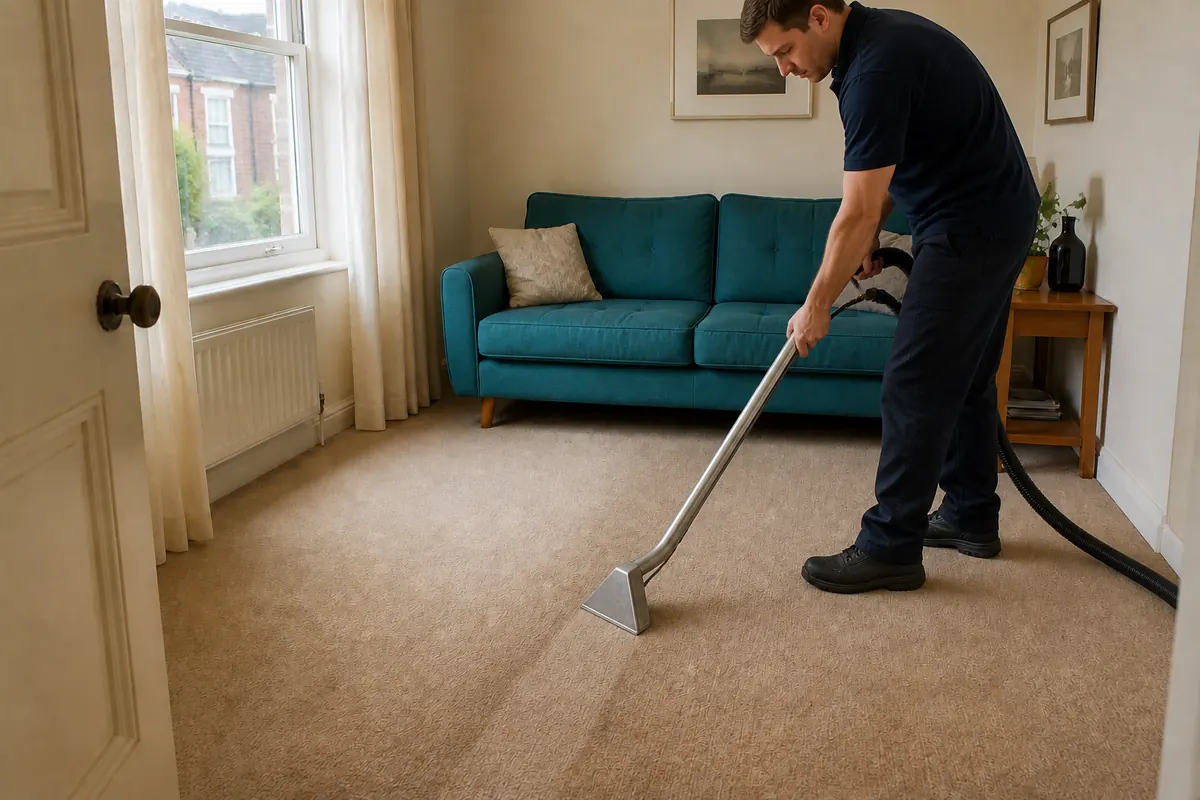 During
Treatment follows the installed material rather than the strength of a kitchen cleaning product.
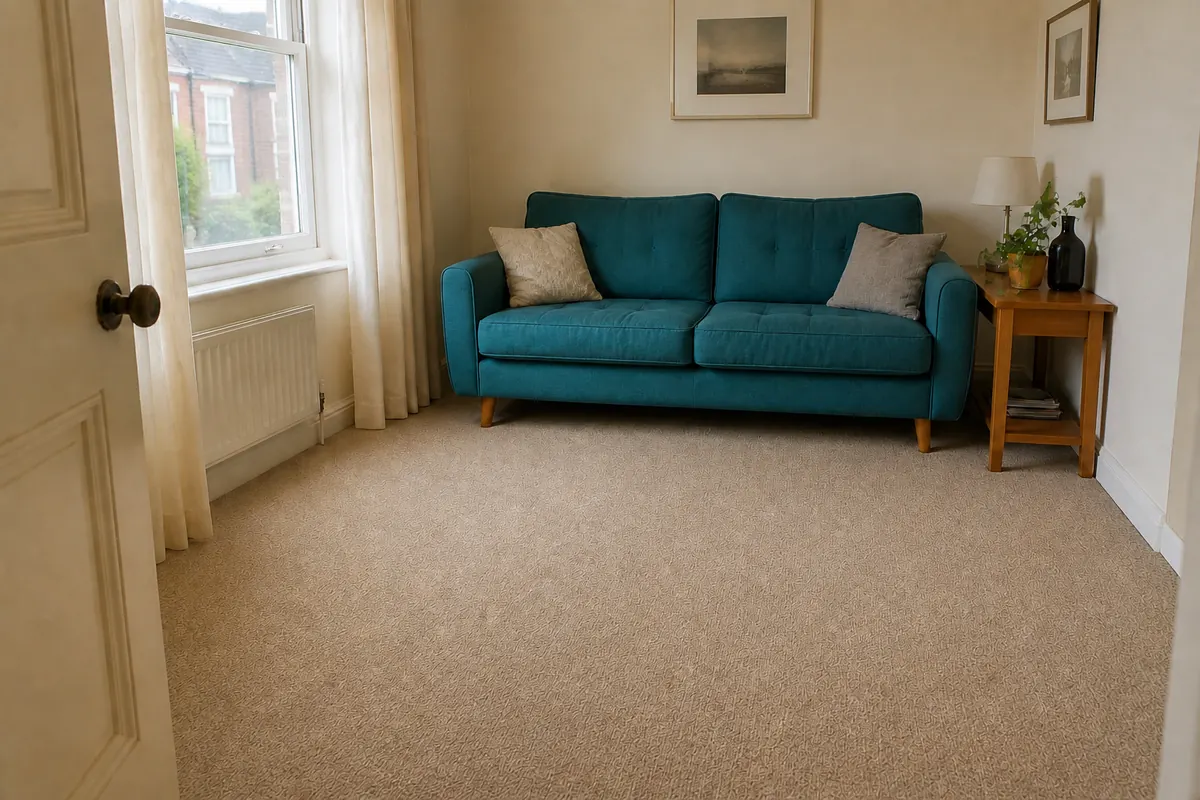 After
AfterPermanent discoloration or prior chemical damage may remain after appropriate cleaning.
A MORE COMPLETE FOOD HISTORY
The ingredient description, physical debris and previous attempts each contribute different information to the enquiry.
Name it if known without inventing a precise recipe.
Explain whether crumbs or food pieces remain in the pile.
Report the whole area treated, not only the original food spot.
Identify separate places touched by shoes or hands after the incident.
Do not assign a food cause that you did not observe.
A lighter area after aggressive treatment may be damage rather than remaining residue.
Neither every oily mark nor permanent colour change can be promised away.
BEFORE BOOKING FOOD-MARK CARE
Small rooms start at £30 and two-to-three rooms at £75, with minimum visit conditions. Describe the food history so the accepted work and final total can be confirmed.
The spill is an incident to assess. Routine frequency should reflect use, accumulated soil and manufacturer advice, not automatic repeat treatments of the same mark.
Debris, prior products, the affected area and suitable method influence duration. Describe these before asking how the job fits your day.
Appearance is not proof of dryness. Recovery, fibre, method and room airflow determine aftercare; follow guidance before replacing a rug or furniture.
No. Age, ingredients, earlier products and lasting dye or fibre changes can limit safe treatment even when removable residue is addressed.
LOCATE THE INCIDENT
Show the original food patch and distinguish later transfers. Name each carpeted location requested rather than presenting disconnected spots as one continuous area.
UXBRIDGE APPOINTMENT ENQUIRY
Give the property location, room size and known food history when checking attendance. Mention previous products and any additional affected textile separately.
Availability and the accepted treatment must be confirmed.
Ask about food-mark assessmentSend the property postcode with the affected room details.
Loading connects to Google Maps.Open Uxbridge in MapsCARPET CARE, NOT KITCHEN DEGREASING
An unknown patch should stay unidentified until assessed instead of receiving an invented food label.
A home spray may have contacted much more carpet than the food did; that wider history matters.
A persistent oily appearance does not establish that more concentrated chemistry is safe.
Cleaning cannot guarantee reversal of bleached colour, damaged fibre or every old food stain.
FOOD-INCIDENT DETAILS
The questions below help separate reliable ingredient information from assumptions and clarify what previous attempts changed.
Discuss the actual spillA product name or ingredient description can help if available. There is no need to invent a recipe when the packaging is missing.
No. Describe what you saw happen and any visible residue; darkness alone does not establish a cause.
Do not assume a product for cookware is safe for carpet fibre, backing or dye. Report prior use rather than adding another unassessed chemical.
Remaining solid material affects preparation and is different from absorbed colour or residue. Describe both instead of treating them as one surface mark.
Name it where known and explain where it was applied. Include any repeated applications or spreading beyond the initial spot.
Yes, locate each one and explain how it relates to the original incident. The final accepted area should be clear.
Not necessarily, particularly if later liquids spread farther. Describe the observed extent without assuming a price from the visible centre alone.
That cannot be promised. Permanent colour change, age and earlier treatment can limit what further compatible cleaning achieves.
EXPLAIN THE FOOD INCIDENT
For an Uxbridge carpet enquiry, send the room details, food description and locations of any later transfer marks.
Confirm the appointment and accepted scope directly
