Minimum visit applies
 020 3608 3976
INVENTORY OBSTACLES
The quoted room should match the floor that can actually be reached without unsafe furniture handling.
For your Hayes enquiry, list the pieces that stay in place and those you can safely remove beforehand.
Allocate preparation·Review hidden history·Replace belongings carefully
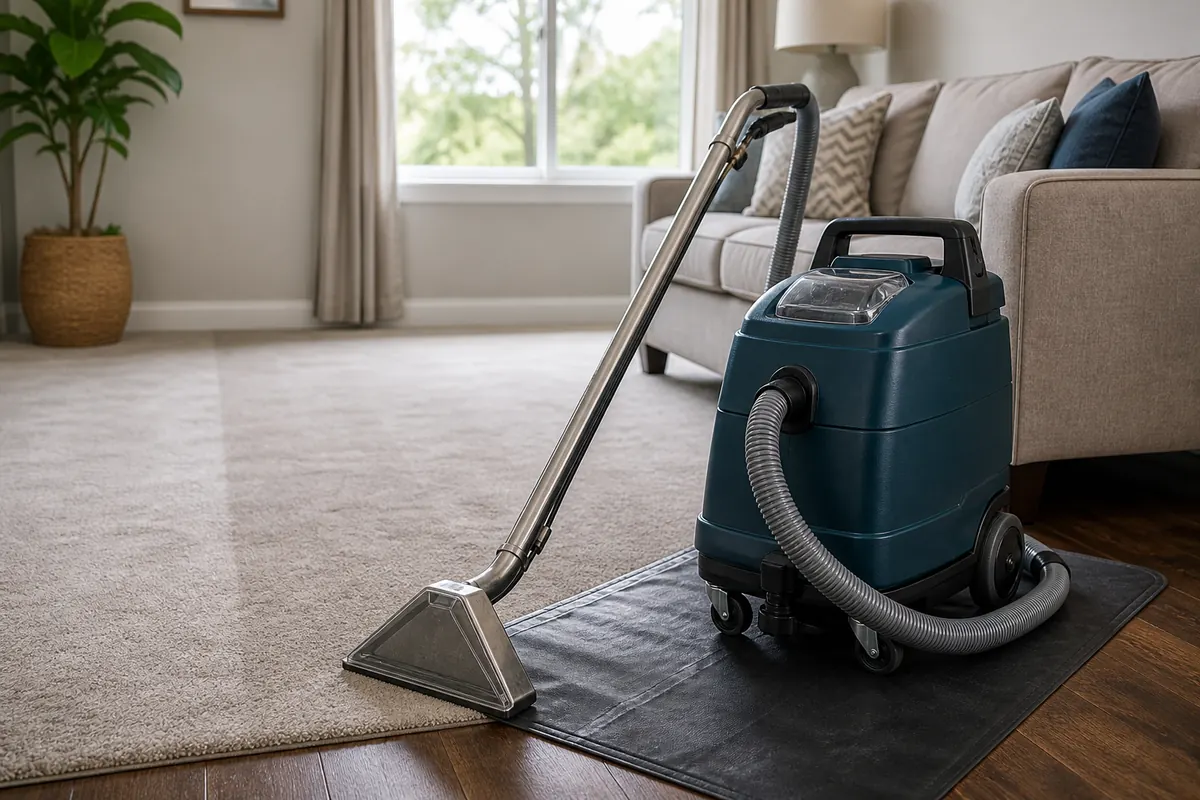
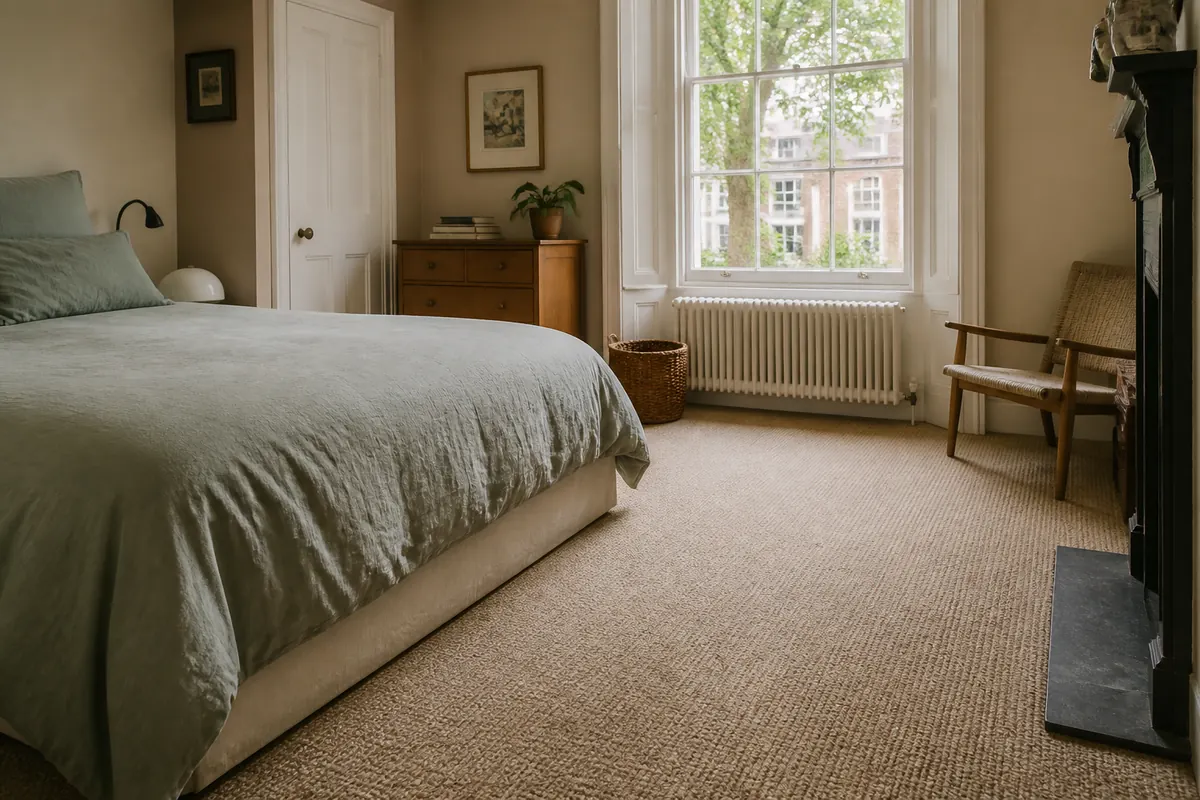
DESCRIBE THE CLEARANCE
Describe narrow openings, projecting plinths and low undersides separately. A photograph from above may show a strip of pile without showing whether equipment can approach it.
Do not lift or tilt a loaded piece to investigate. Explain the restriction as it stands and agree what can be reached without improvising heavy handling.
Give the visible gap beside the unit, including any projecting base that interrupts it.
A visible edge beneath a bed or cabinet does not establish workable access.
MATERIAL CHECKS
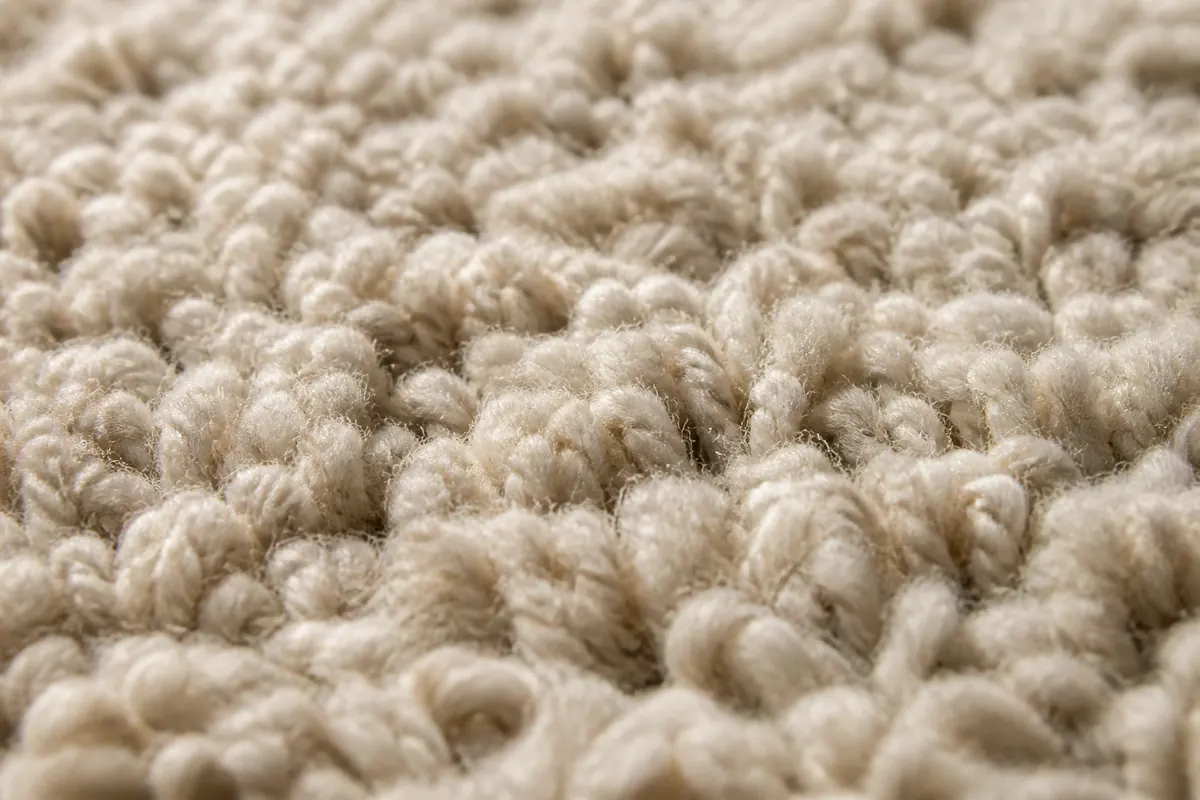
Synthetic
The accessible strip still needs fibre and colour checks; a restricted opening does not identify the material.
Describe what is visible without pulling up the installation.
Wool
Retain any reliable manufacturer guidance for the covering beside the stationary unit.
Preparation constraints do not remove wool-care limits.
Low pile
Point out catching or a loose seam near the base rather than assuming treatment will secure it.
A repair request is separate from ordinary soil removal.
Deep pile
Explain the reachable opening without assuming deeper pile can simply be compressed out of the way.
Method and recovery follow the actual construction.
HOW THE CARPET IS CLEANED
The inspection records what the equipment can reach without unagreed heavy furniture handling.
Fibre, backing and colour response matter alongside contrasts left by long-standing furniture positions.
Where required, dry vacuuming removes loose soil before compatible pre-treatment of accepted marks.
Controlled extraction or an assessed lower-moisture method follows material suitability, not the theoretical wall-to-wall footprint.
Accessible areas receive practical moisture recovery and suitable grooming; excluded patches are not represented as cleaned.
Aftercare explains when belongings may return and distinguishes compression marks from remaining contamination.
REACHABLE FLOOR AND EXCLUSIONS
A wardrobe footprint and the floor beside it are different parts of a Hayes room. Identify permanent obstacles and agreed movable pieces so the accepted area is explicit; do not assume a nominal room size includes hidden carpet.
Minimum visit applies
Name heavy pieces that remain in position
| Included request | Inventory obstacles | Starting guide |
|---|---|---|
| Small carpeted room | Room dimensions with stationary obstacles identified | From £30 |
| Two to three rooms | Reachable areas in each named room | From £75 |
| Stairs or additional sections | Additional accessible strips or stair sections | Request a quotation |
| Separate or unusual textile | A rug beneath a table remains a separate textile. | Assessment required |
Ask which concealed patches remain outside the work and who prepares the movable items. A clearer boundary prevents an unsafe last-minute moving request; minimum visit terms still apply.
Published service prices ↗ILLUSTRATING ACCESS BOUNDARIES
These AI views explain a cleaning sequence, not a Hayes customer result or evidence that every furniture-covered patch was reached.
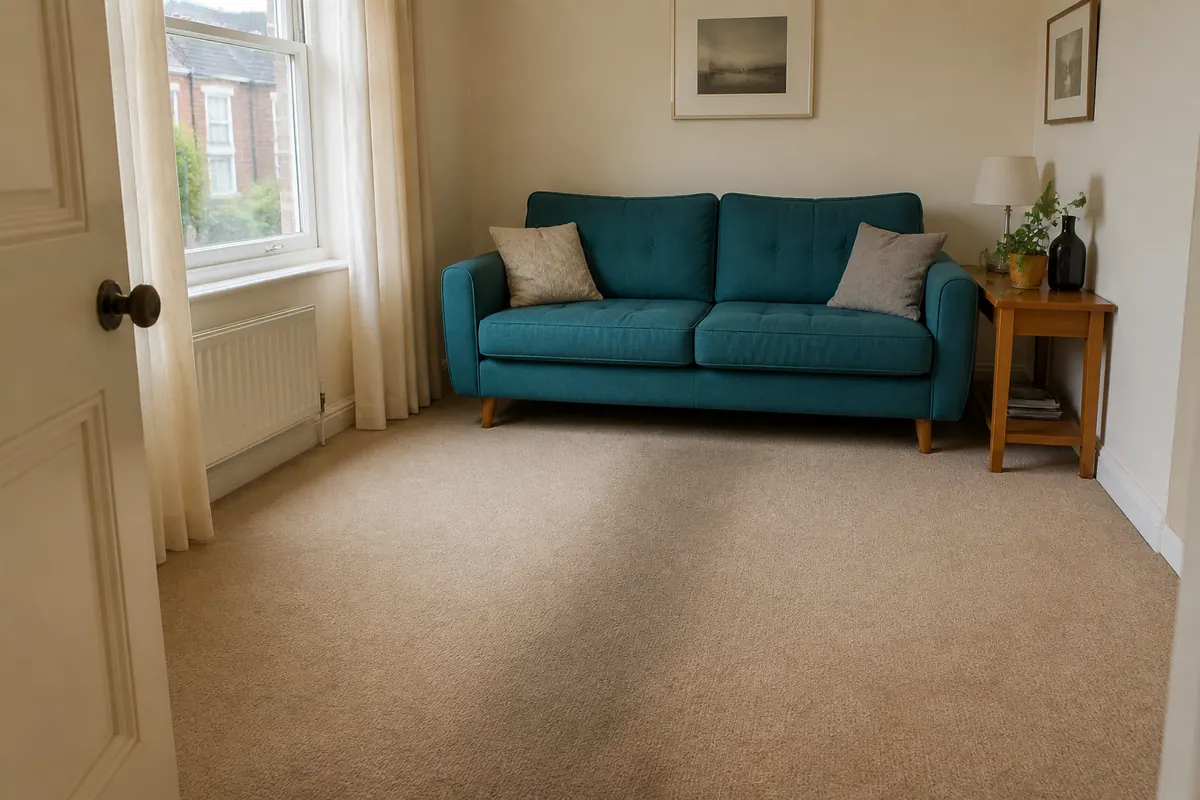 Before
The accessible perimeter is distinguished from carpet beneath pieces that will remain.
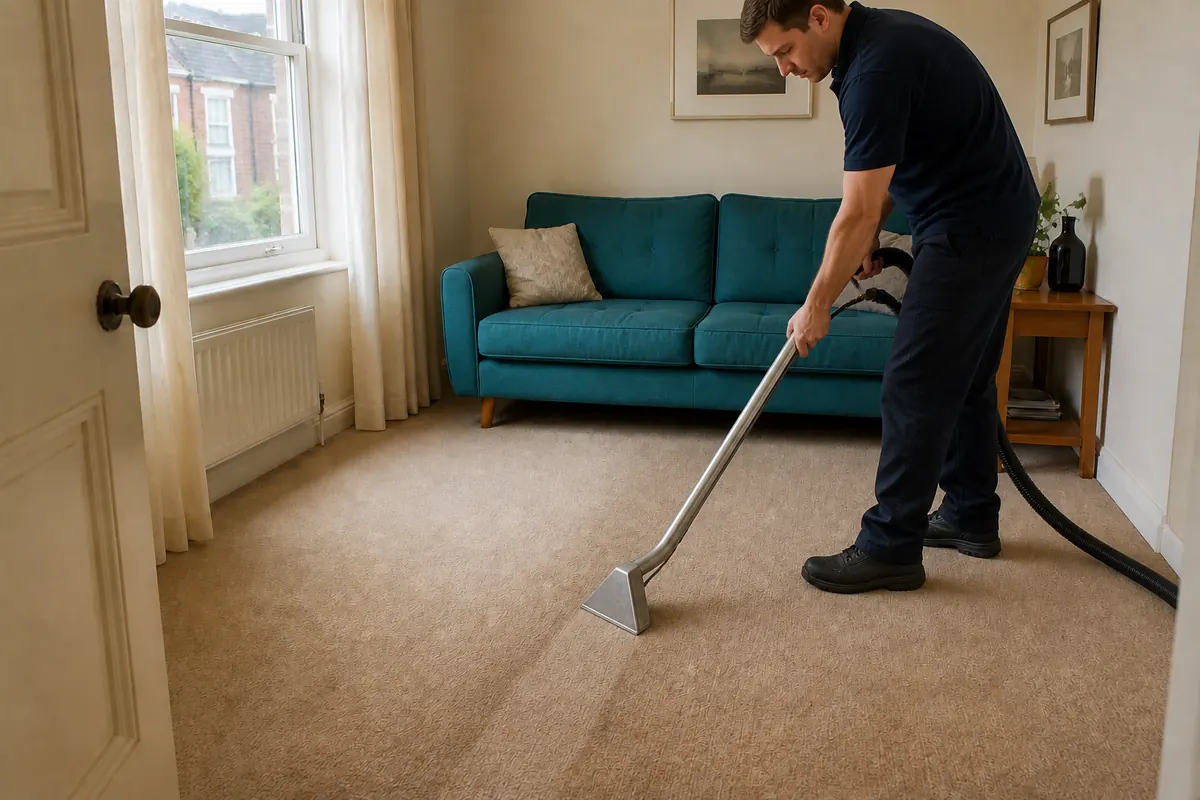 During
Compatible treatment respects the stated exclusions and does not imply unagreed heavy-item movement.
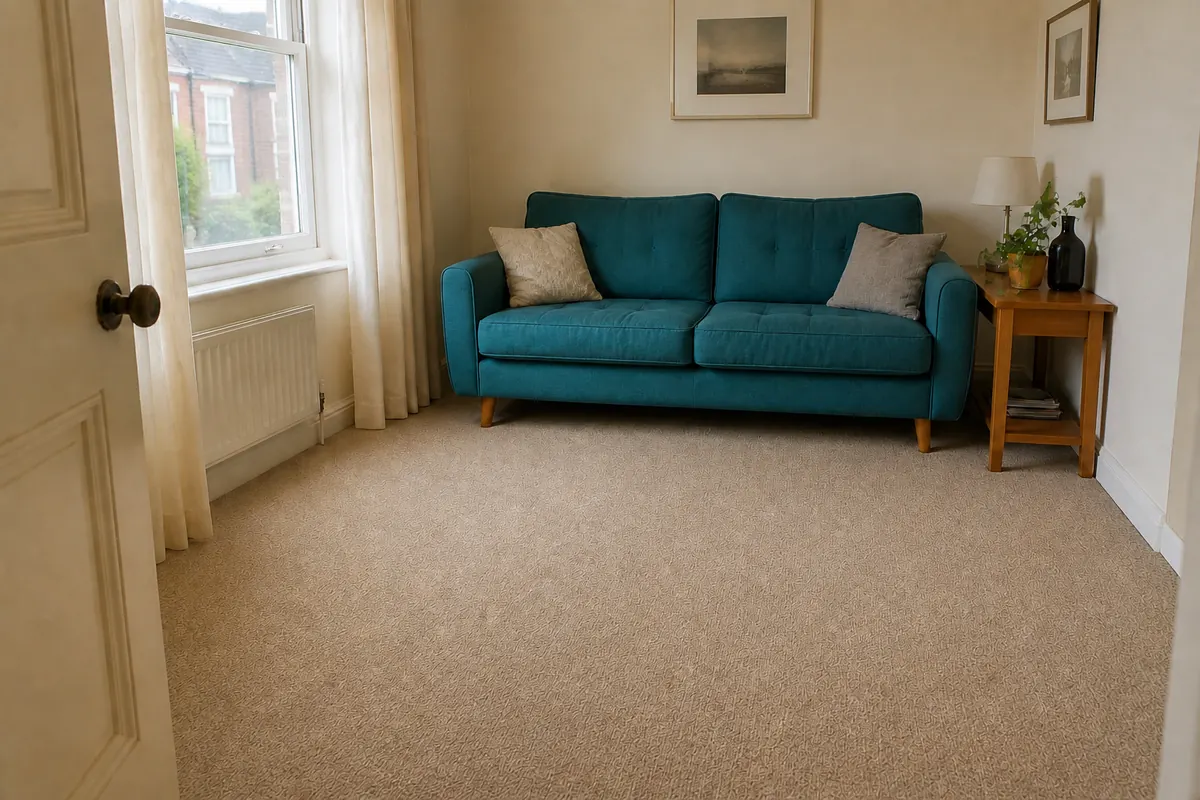 After
AfterDiscuss treated edges and aftercare before returning small belongings.
OLD FLOOR CONTRASTS
The quoted room should match the floor that can actually be reached without unsafe furniture handling.
Do not assume the appointment includes lifting loaded furniture.
Their footprint is not accessible floor simply because the room is measured wall to wall.
A small clearance can prevent access underneath.
Compression may remain after soil is removed.
Covered sections can differ through wear and exposure rather than dirt alone.
Changing the accessible area may require the scope to be reconsidered.
Stain removal and appearance restoration are not guaranteed.
ALLOCATE PREPARATION
From £30 for a small room or £75 for two-to-three rooms are guide rates, subject to minimum visit terms; agree reachable boundaries.
Observe exposed strips and heavily used edges, not merely the calendar. Hidden furniture footprints may have a different appearance history.
Furniture preparation and restricted gaps affect planning. Do not assume the whole wall-to-wall room is equally accessible.
Moisture retained by the covering and the chosen method must be considered with ventilation. Hidden gaps can differ from open flooring, so ask before returning objects that restrict airflow over the surface.
Dents and protected colour differences may persist. Identify actual spill marks separately from compression.
VISIBLE BUT NOT ALWAYS REACHABLE
A useful close view shows the obstruction and its base, with enough context to locate the opening. Avoid photos taken after temporarily shifting something that will be back in place for the visit.
LOCATION CHECK
Explain the narrowest gap between the entrance and requested floor. Fixed cabinets may restrict equipment access even when the room itself is large enough for the proposed work.
Verify the postcode and reachable boundaries in the same enquiry.
Describe the stationary furnitureThe map locates the area; your furniture notes define access.
Loading connects to Google Maps.Open Hayes in MapsKEEP CLEARANCE INFORMATION RELIABLE
A low view can explain a projecting base that is hidden in an overhead image.
Information gathering should not depend on tilting a loaded object or disturbing a fixed unit.
If a plinth, storage box or other obstruction will remain on the day, include it in the description.
An unreachable patch should be stated clearly rather than concealed behind a wall-to-wall measurement.
BEFORE YOU BOOK
These questions concern physical clearances and agreed boundaries, not a promise to relocate household contents.
Discuss your circumstancesNo. The approach, projecting base and underside clearance can affect access. Describe the actual opening instead of assuming visibility is enough.
No. Do not create an unsafe investigation. Describe the restriction and discuss an accessible scope without improvising heavy handling.
Show its base and the adjoining strip, with a wider view to locate it. An overhead photograph alone can hide the obstruction.
Yes, ask for clear boundaries in the accepted work. Do not assume a concealed area is included because the overall dimensions cover it.
Cleaning is not a fitting repair. Explain the snagging or loose edge separately before any preparation is agreed.
Explain the changed setup and ask whether the accepted work needs revision. Extra access does not silently change the agreement.
A photograph supports planning but does not replace the checks of actual reach and material condition.
Keep the agreed approach free of loose belongings without moving a heavy or fixed item outside the preparation plan.
INVENTORY OBSTACLES
Explain the furniture that stays put when requesting carpet care for your Hayes property.
Hayes: appointment availability must be confirmed
