
A small bathroom
Identify paint, sealant and fitted components separately. Their proximity does not make replacement part of a wall-treatment quote.
Waltham Cross / COMPACT ROOM, DISTINCT SURFACES
Small floor space does not mean one simple finish.
A compact bathroom or utility room can contain marked paint, joinery and sealant within a few steps. For Waltham Cross, confirm address availability and identify each affected surface so the proposal does not reduce different materials to one room-size estimate.
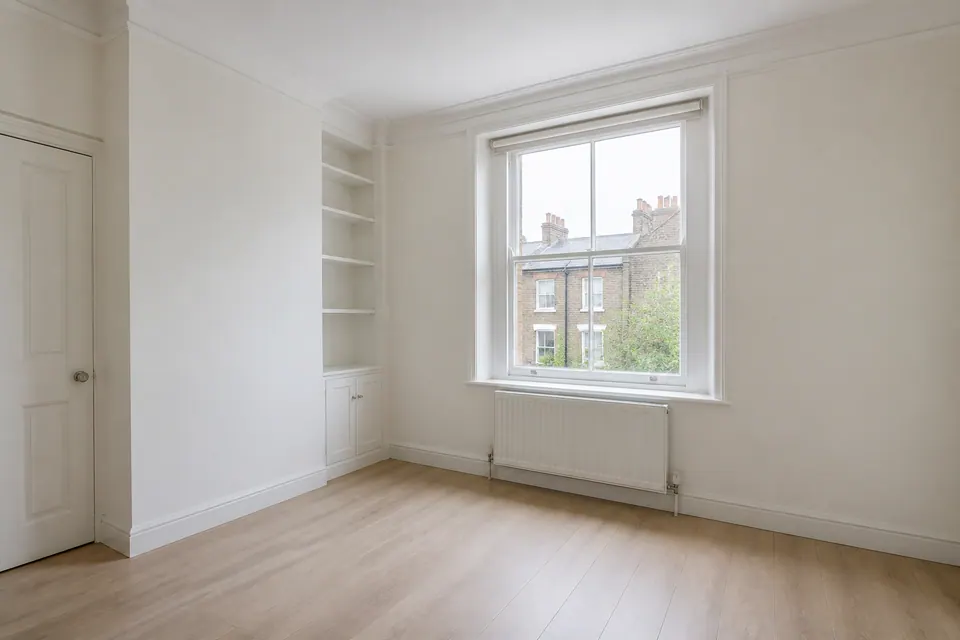
Paint · joinery · sealant · access
Waltham Cross / ACCESS & PEOPLE
Identify paint, sealant and fitted components separately. Their proximity does not make replacement part of a wall-treatment quote.
Describe panels, joinery and fixed equipment around the patch. Services or appliance work should remain separately agreed.
Show available clearance and material changes. A small visible area may still be difficult to reach appropriately.
Share the surface list with the authorised contact. Do not remove damaged components to establish an unassessed repair claim.
Provide known component replacements or decoration history for the relevant area. A general room refurbishment label may omit present material differences.
Ask which surfaces are suitable and which parts need another task. Keep replacement and decorative expectations distinct from removal.
02 / LOCATE THE ISSUE
Use the room setting to orient the enquiry, then name the affected finish. A compact layout can conceal important differences between neighbouring surfaces.
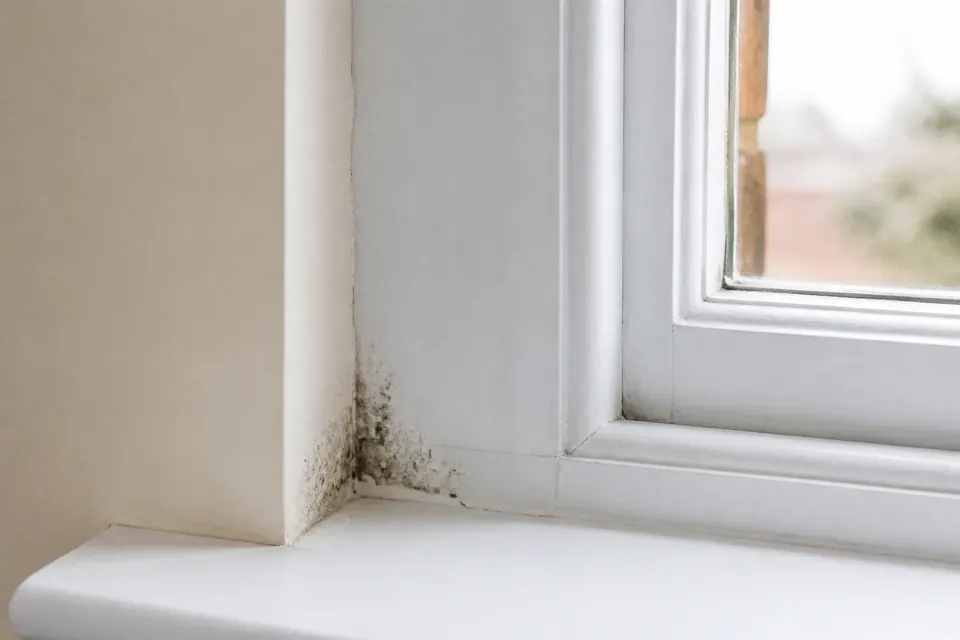
Separate painted reveal, frame and sill in the description. Their close proximity does not guarantee identical suitability or cosmetic results.
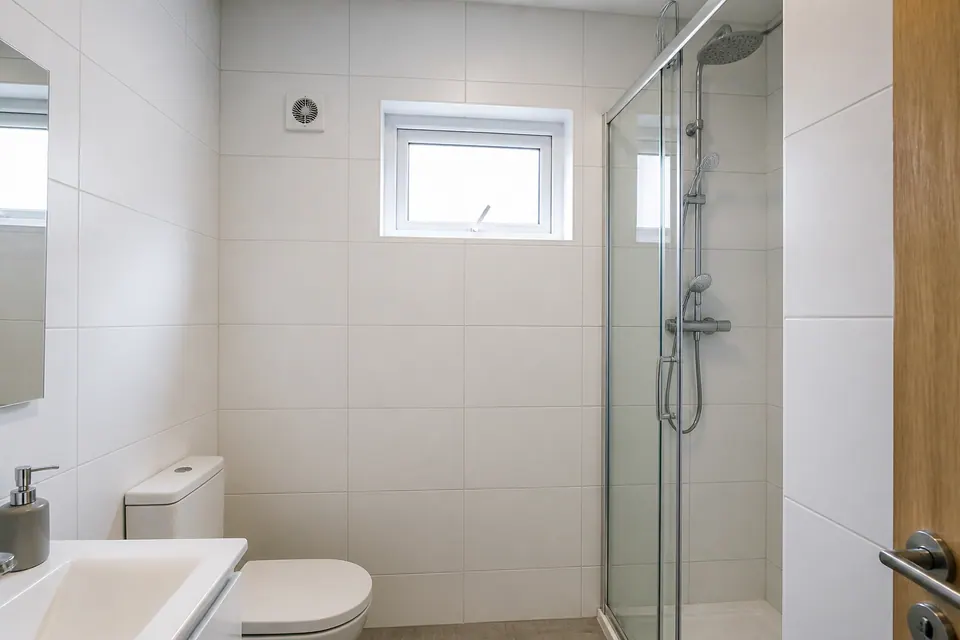
Show each area without treating deteriorated sealant as ordinary wall paint. Replacement or other material work may be a separate decision.
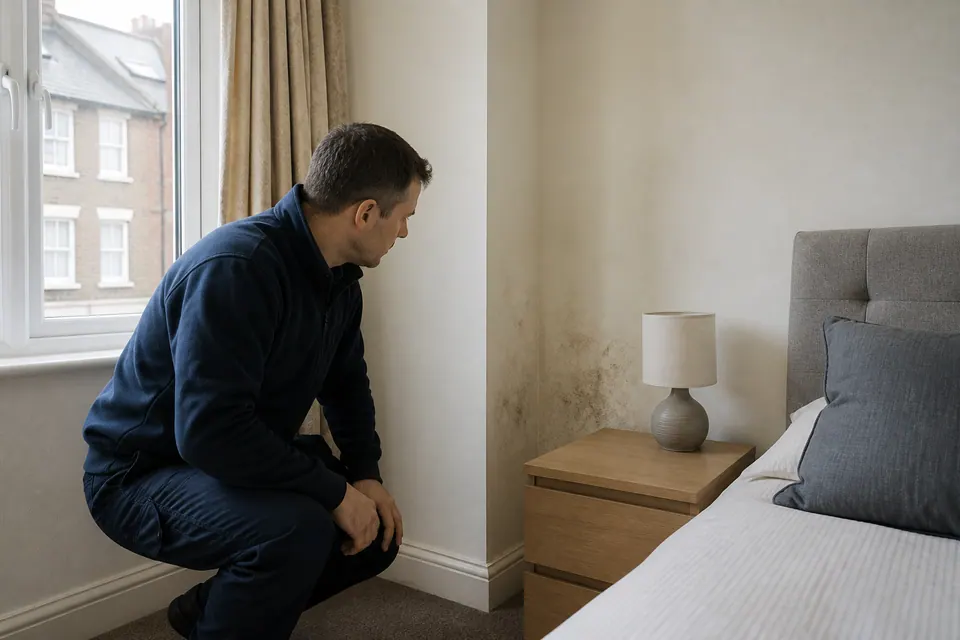
Identify the wall finish and any joinery beside it. Explain the available clearance rather than assuming a small room is easier to prepare.
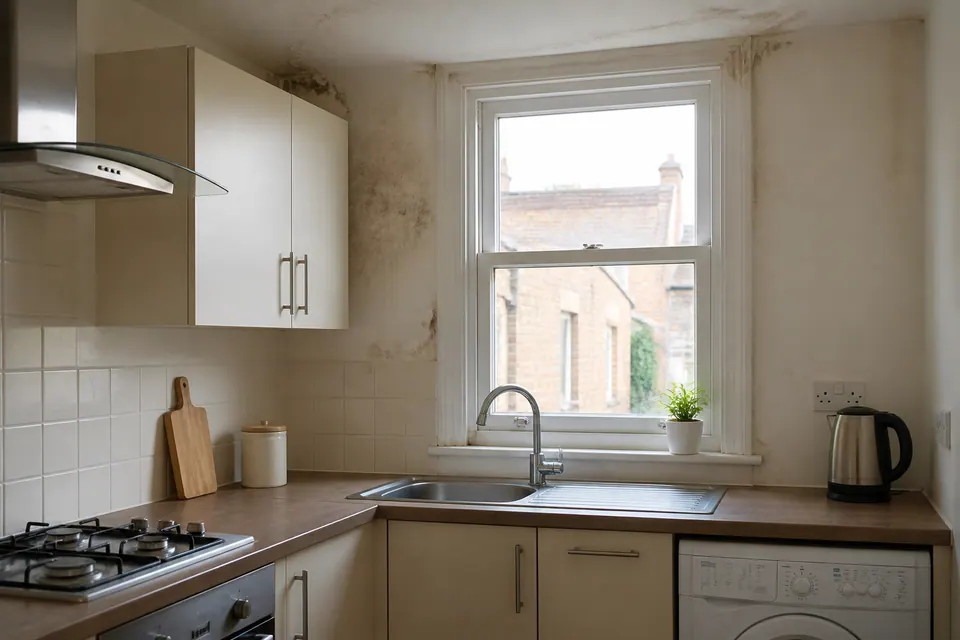
Distinguish panels, units and painted wall. Fixed fittings can limit reach even when the affected dimensions are modest.
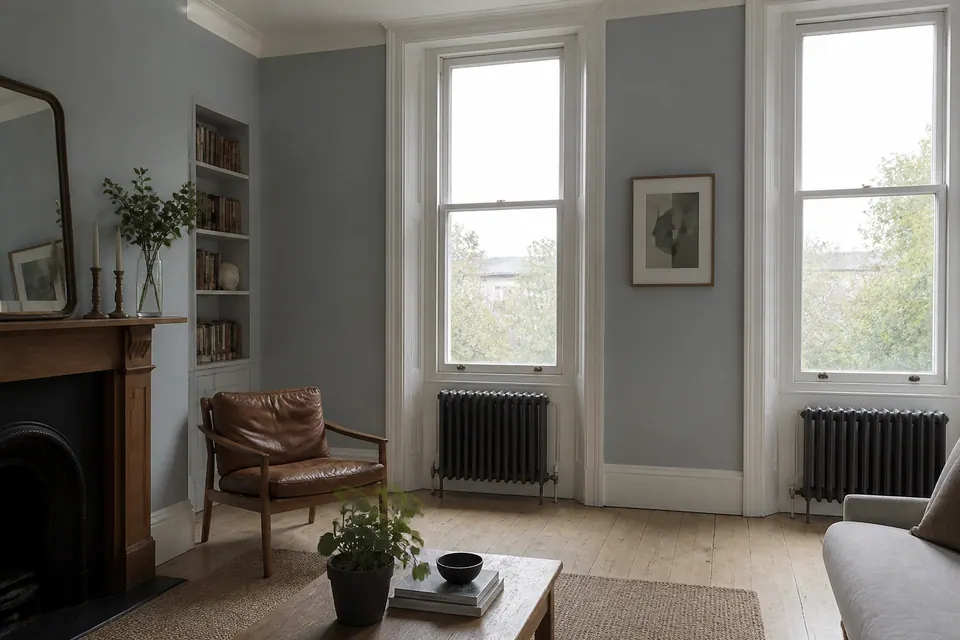
Describe trim, covering and the visible wall separately. A narrow corner may span more than one finish or access restriction.
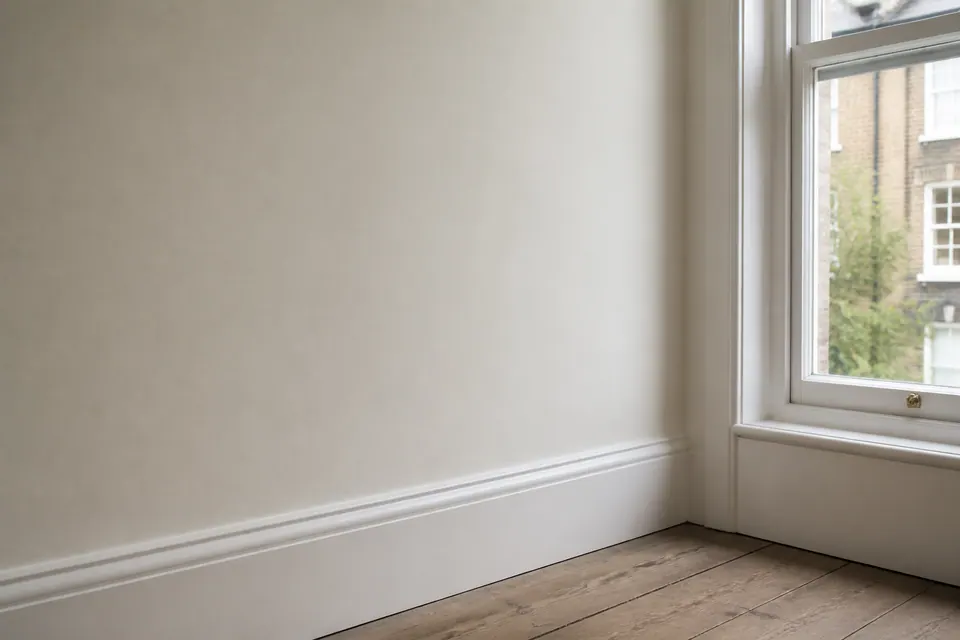
Use a safe floor-level view and identify the material. Height and fixed fittings remain relevant despite the room’s small floor area.
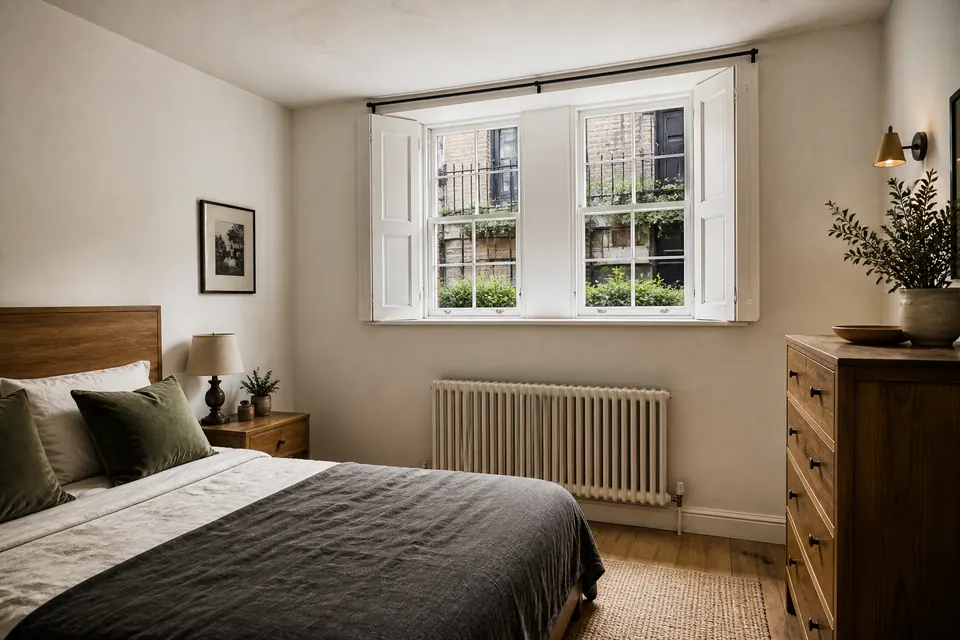
State which panel or wall is visible through the opening. Do not assume the hidden space is part of the measured treatment area.
The room can be compact while the work requires distinct material decisions. Describe the surfaces rather than assuming a standard small-room treatment.
03 / SEPARATE THE QUESTIONS
Visible growth can cross neighbouring finishes while suitability, damage and moisture questions differ between them.
| Affected finish | Useful detail | What needs assessment |
|---|---|---|
| Painted wall strip | Extent and coating condition | Suitability for the proposed surface work |
| Sealant beside a fitting | Visible deterioration or separation | Whether replacement is a different task |
| Joinery near a window | Coating and actual water observations | Growth removal versus repair or refinishing |
| Panel behind a fixed unit | Material uncertainty and access | What can be assessed without dismantling? |
Sealant replacement, joinery repair, panel replacement and decorative work require their own agreement. A small room should not hide those boundaries inside one general quotation.
Room floor area describes neither the affected surface quantity nor the source of moisture.
| Question | Mould | Damp |
|---|---|---|
| What should be measured or described? | The visible affected portion of each finish | Known moisture observations or events |
| What remains uncertain? | Suitability of damaged or unknown material | The explanation for continuing wetness |
| Why separate the records? | Each material can need a different response | Surface work may not correct the source |
| What should be agreed? | Suitable areas and material-specific limitations | Any separate repair or investigation |
Waltham Cross / THE PROPERTY BRIEF
A small plan can still need a detailed scope.
Confirm availability for the Waltham Cross postcode and send photographs of each affected material. In a compact bathroom or utility space, show where finishes meet and where fittings restrict access. Ask which areas are suitable for removal and which damaged components need separate replacement or repair rather than assuming everything is covered by a single room label.
05 / QUOTATION, NOT GUESSWORK
For Waltham Cross, confirm postcode coverage and describe each affected finish before asking for a quotation. The proposal should reflect material condition and access rather than a flat assumption based on the room’s floor area.
Read the main service quotation approach ↗| Surface condition | Quotation route | What to supply |
|---|---|---|
| Limited suitable reachable finish | Photographs may support pricing | Material and actual affected extent |
| Several or recurring small areas | Assessment informs the proposal | Separate finish references and histories |
| Damaged component or uncertain panel | Specialist quotation may be needed | Replacement or access questions |
Confirm the included materials and exclusions. A compact-room price should not be interpreted as replacing damaged sealant, repairing joinery or restoring every decorative surface.
06 / DIRECT ANSWERS
It is not enough to define affected work. Provide the marked dimensions and material for each surface, with the room context.
Painting does not replace assessment of growth, moisture or damaged components. Sealant and joinery also need their own decisions.
No. Record which material changes and its history. One returning strip should not automatically define the entire room’s scope.
No. Material, preparation, fixed fittings and the selected method matter alongside extent. Ask for timing after the proposal is clear.
Show how they affect reach and ask what preparation is appropriate. Dismantling should not be assumed as part of surface treatment.
Do not assume restoration. Identify its condition and ask whether replacement or another scope is needed.
Suitability may differ. Show the materials and coating condition separately before expecting one method or matching result.
No automatic repair is implied. Moisture investigation and repairs remain separate unless expressly agreed.
07 / A CONTROLLED APPROACH
Match photographs to material and extent. Note damage and uncertainty rather than grouping everything under the bathroom or utility label.
Clarify available working space and any separate access task. Do not dismantle units or remove sealant to simplify the room yourself.
Follow the agreed scope for each finish. A material change or damaged component may require another decision.
Explain remaining stain, deterioration and repair questions separately. Do not promise a uniformly restored room from surface removal.
The sequence records differences rather than hiding them behind a small-room description.
Keep dimensions with the material concerned.
Do not extend work across a join by assumption.
Separate treated growth from replacement needs.
These illustrations explain stages, not customer results or proof that all materials receive an identical cosmetic outcome.
08 / ROOM-BY-ROOM CONTEXT
Paint, panel and sealant can require different decisions. Describe each visible affected area and its current condition.
A narrow corner may contain wall covering and joinery. Include both rather than a single floor-area estimate.
Fixed units can constrain reach. Distinguish surface treatment from equipment or panel removal.
Describe trim, paint and decorative covering around the patch. A compact space does not guarantee one cosmetic outcome.
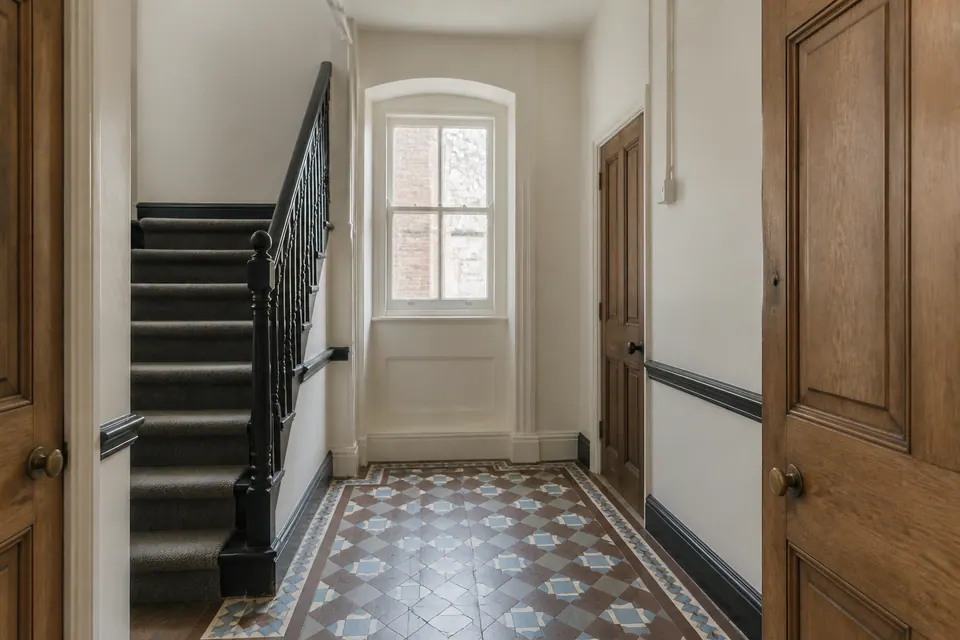
Identify both material and authorisation boundary. A small common area is not automatically included in a private visit.
Provide known water history and current finishes. Room size and level do not establish the cause or suitable method.
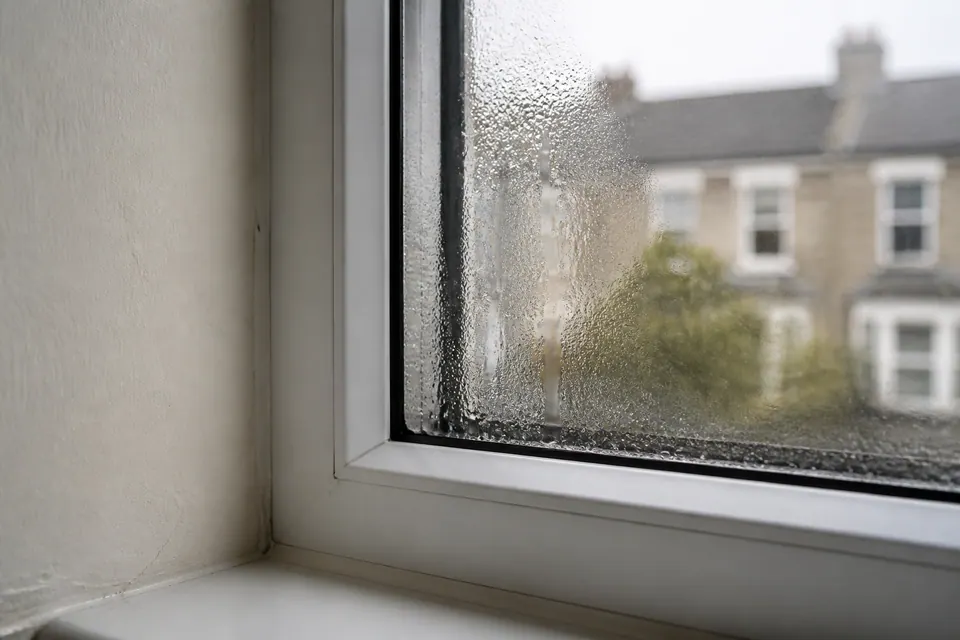
09 / WHEN IT COMES BACK
A returning strip of sealant and stable wall paint are different observations. Use the original material references when describing the new condition.
The compact layout does not establish a shared cause or one suitable repeat method. Current material condition and moisture history may require a revised assessment.
It helps identify whether the concern is within the accepted treatment area or belongs to a component that needed separate work.
Waltham Cross / PLAN THE APPOINTMENT
Confirm availability for the full Waltham Cross postcode before preparing the room. Send the material-specific evidence and access constraints with the request.
The map gives location context only and does not confirm service coverage or a local office.
Load the town map if it assists the address discussion.
Waltham Cross / BEFORE BOOKING
Describe the materials even when the room itself is small.
It gives context, but the affected dimensions and material are more directly relevant. Do not substitute floor area for the actual marked surfaces.
No. Ask for availability at the complete postcode before arranging preparation or an appointment.
Yes. Their condition and appropriate work may differ, so label the photographs and affected extent for each.
Do not make that assumption. Describe deterioration and ask whether replacement or another task is required.
Not necessarily. Material suitability, damage and access can differ within a compact space.
State the uncertainty and show the accessible surface. Do not remove it merely to identify it for the enquiry.
Only if an appropriate separate arrangement is agreed. A surface visit should not be assumed to include dismantling.
It can distinguish suitable work from a separate repair or replacement need. Ask for those boundaries to be explicit.
A matching cosmetic result is not guaranteed by removal. Staining, damage and redecoration require separate consideration.
DEFINE THE FINISHES FIRST
Send the postcode, material-labelled photographs and affected dimensions. Confirm availability and ask which finishes belong in the suitable treatment scope.
The room images are illustrative and do not document customer treatment or replacement outcomes.
