
A household rotation
Describe the groups likely to be requested at different times and ask how those requests would work.
Kew / Storage for Seasonal Household Belongings
Think about the next use before the carton closes.
For Kew household storage, the timing of return can be as important as the quantity leaving. Identify what may be needed during the term instead of assuming the whole load can remain untouched.

What changes at home?
Describe the groups likely to be requested at different times and ask how those requests would work.
Separate genuinely occasional belongings from items you still reach for every week.
Keep clothing and personal essentials for the transition with you rather than relying on immediate access.
A cabinet included with cartons needs its own measurements and preparation notes.
Collection is part of the storage plan
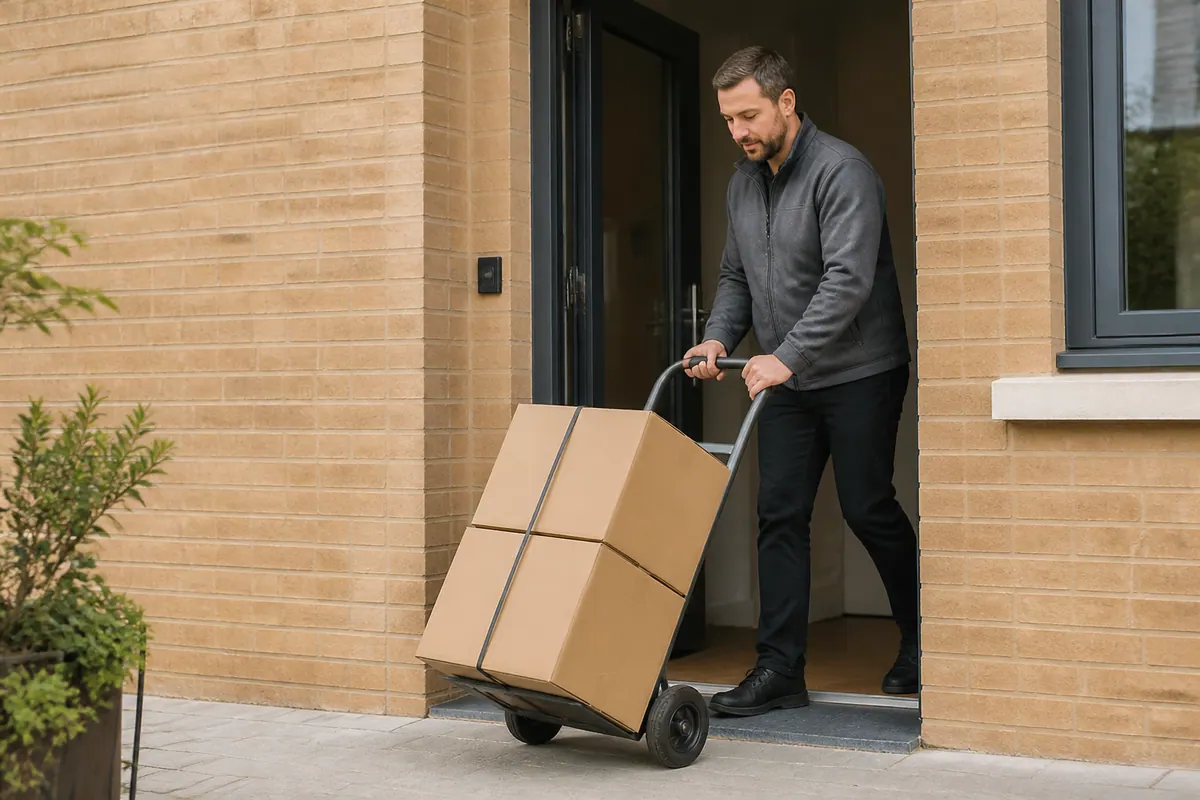
Explain stairs and narrow turns between the packed groups and the entrance.
Give known stopping constraints and the carry distance without assuming a reserved space.
Identify glazed doors, loose shelves and overall dimensions before handling is assessed.
Confirm any timed entry or lift arrangements with the responsible person.
Retrieval groups organise the request but do not themselves create a right to frequent or walk-in access.
Flats and apartments: State the route for cartons and the cabinet.Mansion blocks: Confirm shared entry for the proposed collection.Houses: Describe the carrying distance to loading.Rental or managed properties: Identify the contact for grouped contents.

Kew, before collection day
For Kew household belongings used at different times, begin with the likely return pattern. Explain which groups may be requested during the term and which can wait. That makes it possible to discuss retrieval procedures and charges before assuming occasional use means convenient access.
For this enquiry: Seasonal clothing and spare bedding should remain identifiable on the list, while a cabinet needs independent measurements and condition notes. Ask about suitability for the actual contents rather than relying on the category name.
Measure the cabinet and identify any delicate doors or shelves. Group suitable seasonal items by the month you expect to ask for them back.
Plan the route out of your property ↓Choose your starting point
Select the closest type of belongings, then add the expected month or occasion of next use where it helps planning.
Inventory focus
Group suitable household contents by likely return period. Keep essential documents and valuables out of the ordinary stored collection.
Add this to your inventory ↓
A useful first conversation
Count the cartons and furniture, then describe which references may be requested earlier. This is not a live access or availability tool.
Dimensions before estimates
The space discussion must account for dimensions, protection and the proposed retrieval process. A box count alone cannot establish the arrangement.
Give container sizes rather than only totals.
Record furniture separately from packed textiles.
Distinguish the groups you expect to request independently.
Ask for a fuller review where substantial furniture joins the seasonal boxes.
Check suitability and conditions for the actual contents. Seasonal use does not make every material or item acceptable.
Plan the return before the departure
List likely return periods without treating them as booked appointments. Ask how far ahead a request must be made and what handling it involves.
Need earlier
Need later
Frequent access can change the practical arrangement and cost. Keep valuables and essential records separately, and confirm all retrieval terms.
Use a recognisable group name and record its contents on the inventory.
Declare fragile panels and furniture preparation independently of the seasonal carton groups.
Avoid mixing next month’s belongings with items intended to remain for much longer.
One connected arrangement
Identify the accepted contents and their next likely use.
Review the route for furniture as well as cartons.
Agree preparation and group references.
Confirm the complete collection inventory.
Check how separate retrieval requests would operate.
Give the required notice for the named return group.


The timetable can change
| Planning point | A shorter gap | A longer arrangement |
|---|---|---|
| Typical purpose | A defined interval until the next use | Household groups rotating over more time |
| Preparation | Prepare contents for the agreed conditions | Review suitability over the expected period |
| Retrieval | One planned group comes back | Several requests may need separate handling |
| Duration | Record likely dates as estimates | Check notice and extension requirements |
| Quotation | Include the expected retrieval pattern | Clarify recurring and movement charges |
The word seasonal does not promise convenient drop-in access. Confirm the proposed location, conditions, insurance arrangements and request procedure.
Scope first. Quote second.
The Kew quote should reflect how often you expect belongings back, not just how many leave. Discuss separate returns before accepting a storage-only figure.
| Service scope | Price approach | Main factors |
|---|---|---|
| Volume & access assessment | Inventory and retrieval assessment | Sizes and anticipated return groups |
| Collection & placement | Defined collection proposal | Access, furniture and preparation |
| Ongoing storage | Proposed seasonal period | Conditions and expected duration |
| Final retrieval / delivery | Selected-group return costs | Notice, handling and delivery scope |
Container dimensions, furniture, protection, duration and retrieval frequency can change the proposal. Ask which handling and transport charges apply to each requested group.
Direct answers before you book
Describe the actual household contents and likely return periods. Suitability and the retrieval process need confirmation before the arrangement is chosen.
No. Access depends on the selected terms. Ask about notice, identification, handling and charges rather than assuming walk-in access.
Use clear references linked to a contents list and expected use. Avoid putting early-use items inside otherwise long-term cartons.
They may involve additional handling or transport. State the expected pattern before quotation so those requirements can be assessed.
List it separately with dimensions, condition and any delicate doors or loose shelves. Furniture handling should not be inferred from a carton count.
Keep what you need during the interval available. A storage retrieval process is not a substitute for everyday access to personal essentials.
Do not assume so. Describe the contents and review the proposed conditions and preparation requirements before accepting the arrangement.
Contact the team through the agreed process. Availability, notice and any extra charge must be confirmed for the changed request.
No. It creates an enquiry draft from your quantities and notes. Dates and movements require separate confirmation.
Ask where the proposed solution is located and review its terms. The collection postcode does not establish where belongings will be kept.
Send quantities, furniture measurements, Kew access and expected return groups. Include any sensitive contents that need acceptance checked.
Keep the move connected
Coordinate seasonal belongings with a wider household move where needed.
Discuss transport for the defined load after access and handling review.
Agree preparation appropriate to the contents rather than a generic carton-only plan.
Arrange the cabinet or other furniture return separately if that is required.
Alesta customer feedback / Furniture removal & packing
“I used Alesta Services for furniture removal and packing when I moved houses. The team was incredibly careful with my belongings and made the whole process seamless.”
James W. · Existing Alesta review, not a storage testimonial for Kew.
Kew / Service area
Provide the Kew postcode and likely return pattern alongside access details. Review the household offering at Storage Services.
Ask which retrieval procedure and charges apply to the proposed storage solution before planning repeated requests.
A little space. A clear next step.
Tell us what leaves together, what may come back separately and the likely timing of those requests.
