
LOUGHTON · THE RUG IN EVERYDAY USE
Loughton Rug Cleaning That Fits a Busy Household
The rug between the sofa and garden doors collects a history of ordinary life: snack crumbs, damp paws, craft materials and a route everyone crosses. We build the enquiry around that pattern of use, separating routine soil from one-off incidents and wear.
- Photograph the main walking line from both ends of the room
- List children, pets and floor-level play only where they explain the condition
- Mark recent spills separately from recurring grey traffic lanes
- Reserve a ventilated space where the rug can remain undisturbed after work
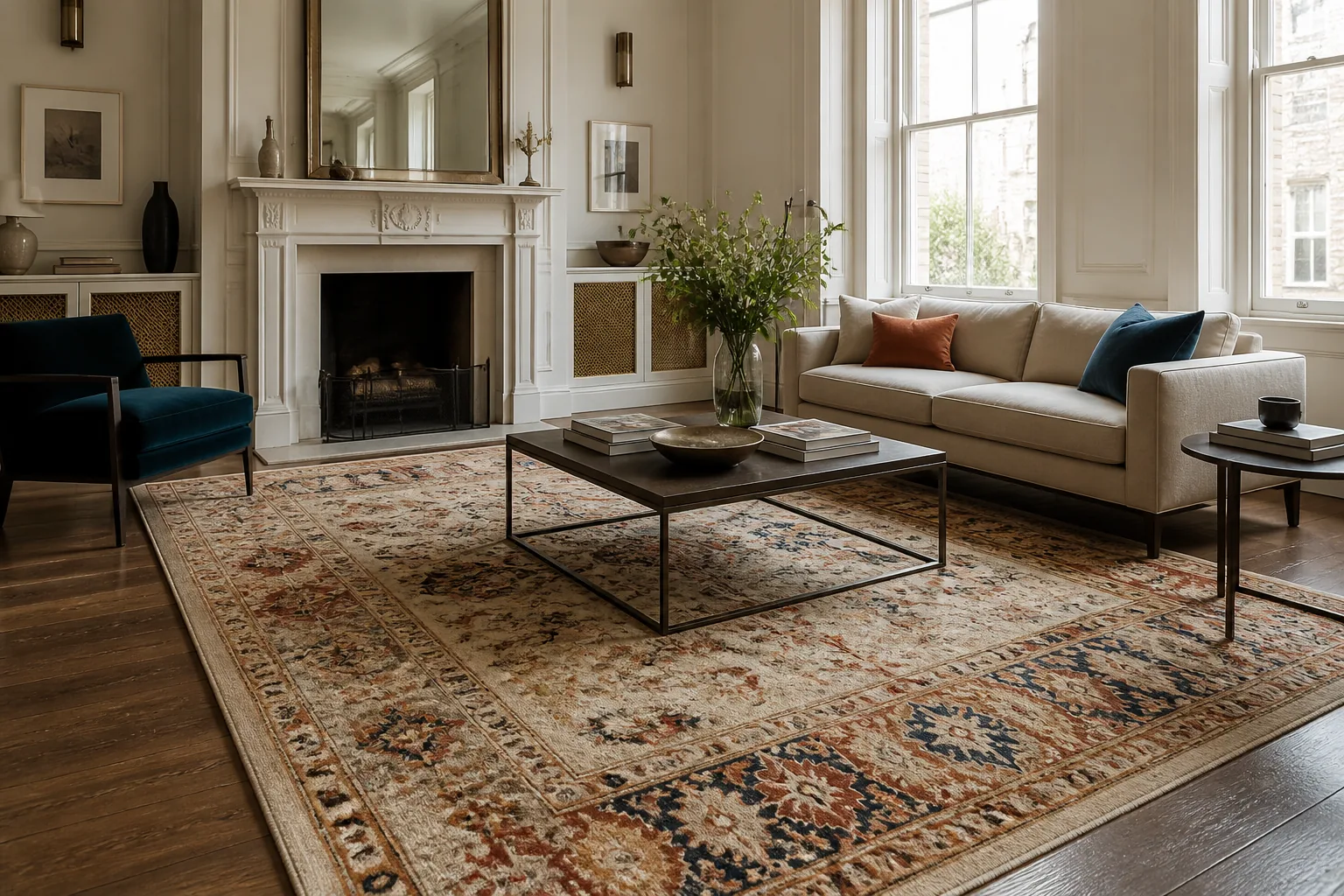
A LOUGHTON WEEKDAY BRIEF
Work around the room’s real timetable
A family room rarely becomes empty just because a visit is booked. The useful plan identifies when children are out, where the dog can stay, which chairs can move and where the rug can finish drying without becoming a shortcut.
Example household. A low-pile rug links the kitchen door to the sofa. The central lane looks grey, a juice spill is two days old and one edge sits beneath a media unit. The family wants a practical refresh before relatives arrive, without pretending flattened pile is dirt.
What changes the plan. Photographs show a laminate floor, folding doors to the garden and a narrow side passage. The owner can clear toys and light tables, but the media unit stays. A spare room is available as a no-entry drying zone.
Loughton family-use worksheet
Room role. Say whether the rug anchors play, meals, television seating or a passage between rooms.
Traffic. Draw or describe the route from door to sofa rather than calling the whole surface “dirty”.
Incident. Give the date, substance and first response for the most recent spill.
Pets. Note regular sleeping places, shedding and any repeat accident zone.
Children. Mention floor play or crawling where it affects preparation and product questions.
Debris. Photograph crumbs, garden grit or craft material before trying to scrub it away.
Pile. View flattened areas from several directions to separate compression from colour change.
Furniture. List movable stools, toy boxes and tables; identify what must remain.
Floor. Record laminate, boards or tile beneath the rug as its own protected surface.
Edges. Check corners near doors for curling, fraying and catching.
Products. Include wipes, sprays, powders and hired-machine solutions already used.
Access. Explain parking, side gates and whether equipment crosses the family route.
Timing. State the genuine deadline and what flexibility exists around it.
Ventilation. Identify windows, heating conditions and an undisturbed finishing space.
Outcome. Rank freshening, soil reduction, spill improvement and odour separately.
Handover. Decide who will receive aftercare information and control room access.
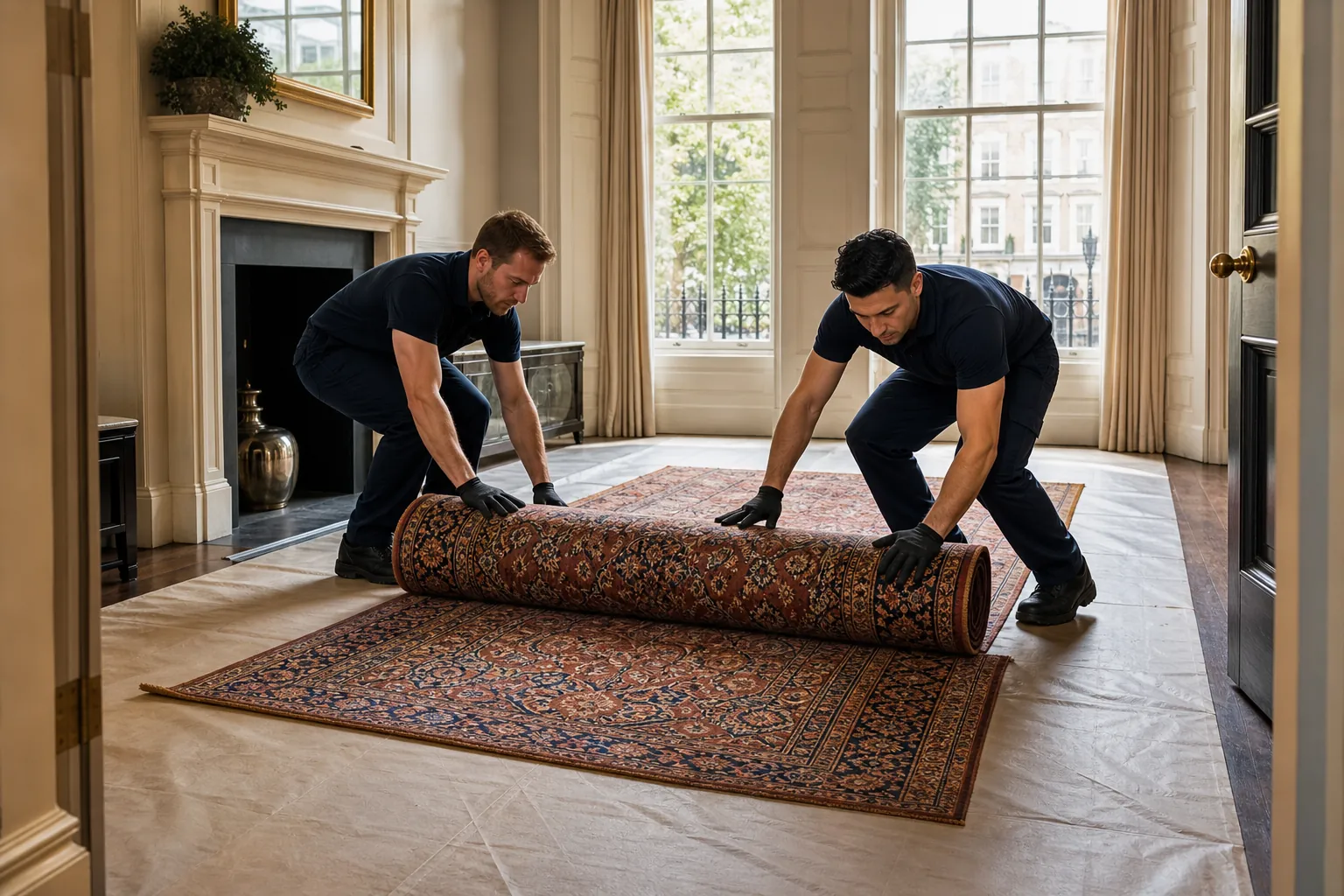
THE GREY PATH THROUGH THE ROOM
Traffic soil and pile wear need different expectations
Garden grit may release while crushed yarn, abrasion and sun change remain. A Loughton comparison should use the low-use border as a reference without promising that the busiest lane will match it perfectly.
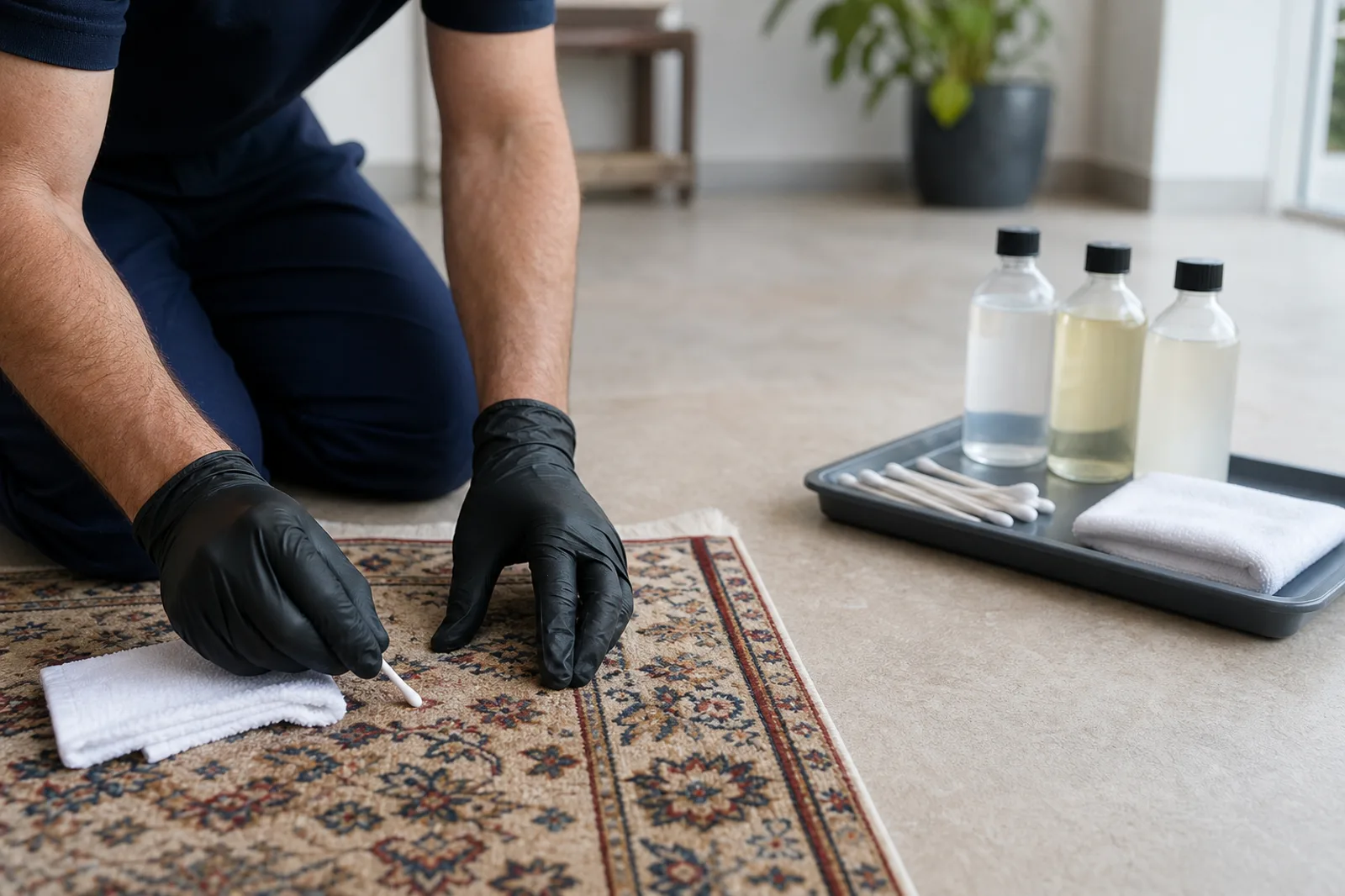
RECENT SPILLS AND REPEAT INCIDENTS
Tell the timeline, not just the smell
A fresh drink spill, an old pet accident and general room odour call for different questions. Give dates, first-aid steps and whether liquid reached the reverse or laminate beneath.
- Blot safely rather than adding an unrecorded product
- Photograph face, reverse and supporting floor separately
- Count repeat incidents instead of combining them as “a mark”
- Keep the area out of use until the next step is agreed
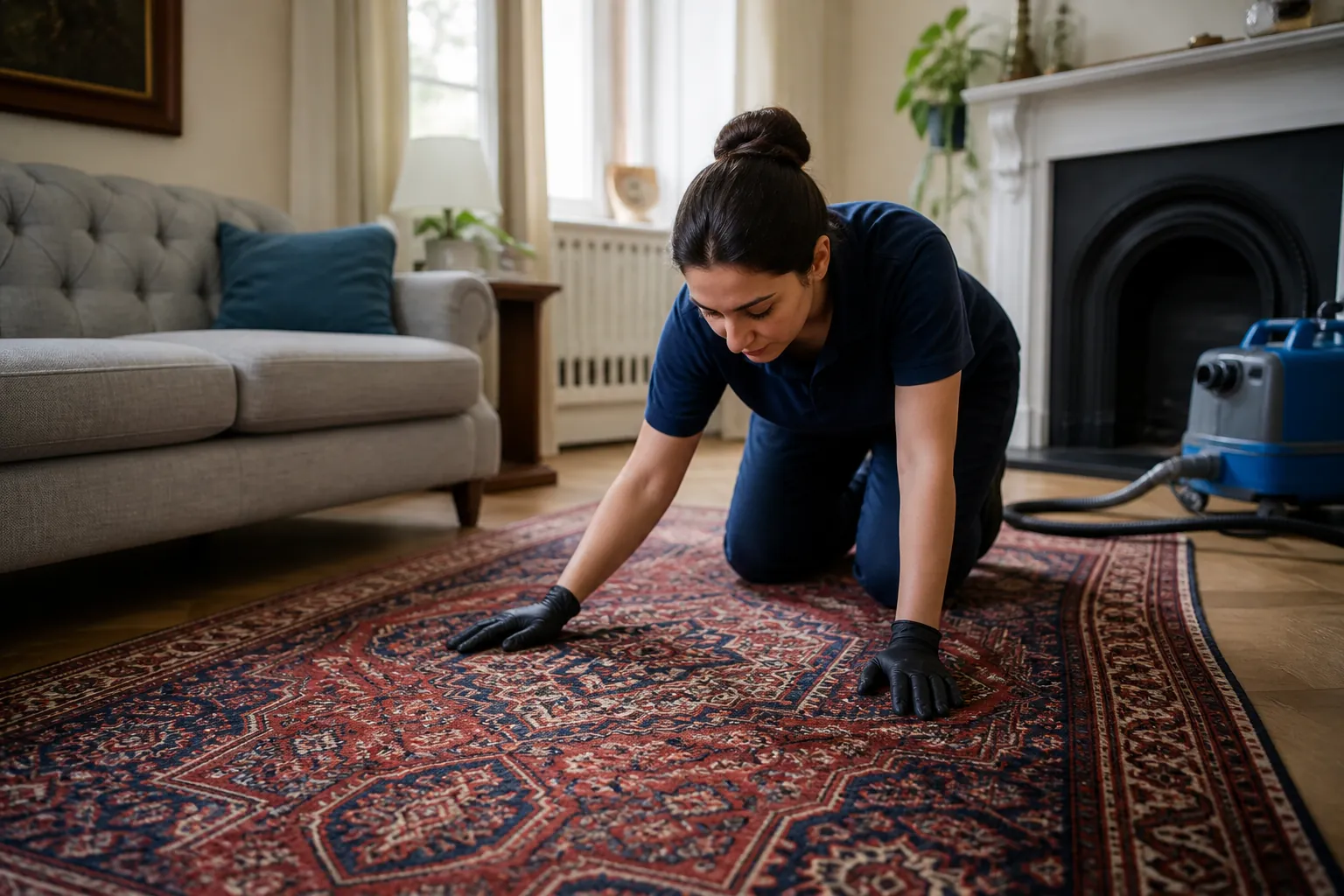
READ THE ROUTES THROUGH THE ROOM
Usage patterns explain where attention belongs
A doorway lane, sofa edge and pet bed leave different evidence. Mapping them prevents one dark patch from standing in for the whole rug.
Outdoor soil and moisture
The route from garden or hall can carry grit deeper than the quiet edges.
Crumbs and compressed pile
Sofa feet and repeated sitting create a distinct condition profile.
Close-contact priorities
Products and expectations are discussed with floor-level use in mind.
Hair, oils and incidents
Recurring contact is recorded separately from a single accident.
A ROOM-READY SEQUENCE
Seven practical handoffs for a busy home
The work moves from household preparation to a controlled return, with responsibilities clear at each point.
- 01
Clear
Gather toys and loose objects without shifting fixed furniture.
- 02
Walk
Confirm entry, equipment and family circulation routes.
- 03
Check
Review fibre clues, spill history and vulnerable edges.
- 04
Separate
Keep dry soil, staining, odour and wear as distinct aims.
- 05
Work
Apply the agreed scope within the rug’s tested limits.
- 06
Inspect
Compare traffic lane, spill zone and quiet perimeter.
- 07
Protect
Keep children, pets and furniture away until advised.
PREPARE A LOUGHTON ROOM PACK
Show the rug as part of household life
A useful request combines measurements with use, timing and preparation. That allows the quote to fit the real room rather than an empty-floor ideal.
- Loughton postcode and genuine timing preference
- Length and width of the woven rug
- Full-room image showing doors and furniture
- Close views of the traffic lane and recent spill
- Reverse and edge photographs where safe
- Known fibre label or a clear “not known”
- List of cleaners already tried
- Children, pet and floor-level use notes
- Moveable items, fixed pieces and chosen drying zone
Four household decisions
Must the room be completely empty?
No. Agree what can move safely and what remains; the scope can be planned around fixed pieces.
Can children use the rug that evening?
Do not assume so. Access depends on the actual method, construction and handover condition.
Should the dog be present?
A separate secure space is more practical during work and until the rug is ready for use.
Will traffic wear vanish?
Removable soil may improve, but flattened, abraded or faded fibre is a material change.
LOUGHTON AREA REFERENCE
Measured size meets household complexity
The figures below offer a current starting guide. Confirmed cost can reflect construction, embedded grit, spill work, pet-related depth, furniture boundaries and the time needed to maintain a safe family route.
BUILD A HOUSEHOLD SNAPSHOT
Sort everyday use from the immediate concern
These choices turn a Loughton family’s observations into a practical starting note. They do not identify fibre or guarantee a result.
LOUGHTON FAMILY-RUG QUESTIONS
Clear answers for a room that stays busy
What photograph best explains the grey central lane?
Stand at each doorway and include the low-use perimeter, so direction and contrast can be read together.
Should toys be removed before the visit?
Yes, where the household can do so safely. Small items create trip hazards and obscure the working boundary.
Can a recent juice spill be guaranteed to disappear?
No. Ingredients, dye response, previous wiping and time all affect what improvement is possible.
Why describe the garden door?
It explains moisture and grit entry and may also provide the most practical equipment route.
Do pet hairs change the price?
Condition and preparation can affect scope, but a quote considers the whole rug rather than one fact in isolation.
Can a fixed media unit stay on one edge?
Often the work can be bounded around it, provided the limitation is agreed before attendance.
How long must the room stay unused?
Follow the item-specific handover; fibre, backing, moisture level and ventilation prevent a universal time.
Is a hired-machine solution important to mention?
Yes. Residue and overwetting history may change assessment and expectations.
May compatible cleaning be combined in one visit?
Potentially, when every item and service is described and accepted in the confirmed booking.
What does the £68 minimum mean for Loughton?
It is the current minimum visit value, not a fixed promise for any particular rug.
MAKE THE ROOM PRACTICAL FIRST
Plan a Loughton rug visit around real family use
Share the walking routes, current incident and available drying space for a better-scoped conversation.
