
CHISWICK · A PRACTICAL PLAN FOR A MOVABLE TEXTILE
Rug Cleaning in Chiswick, Shaped Around the Individual Piece
A rug beside the garden doors may collect grit very differently from one kept in an upstairs bedroom. We begin with the actual piece: how it is woven, where colour sits, what has happened to it and how it can be moved through your Chiswick home.
- Photograph the whole rug in daylight, including every edge
- Show soil by the garden entrance separately from any discoloured patch
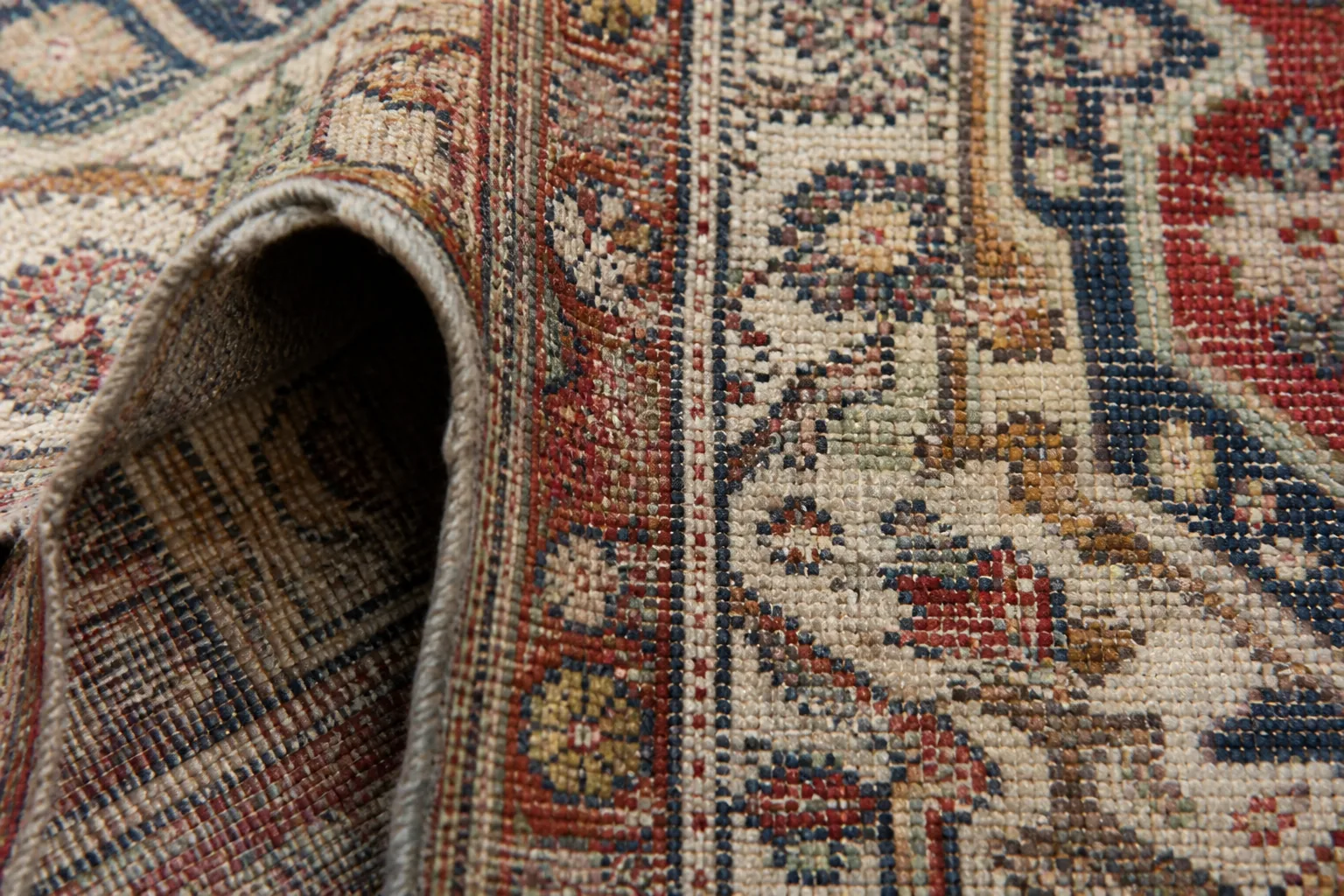
- Share a readable label and an image of the reverse when safe to do so
- Describe the hallway, steps and furniture that affect lifting or removal
A BETTER FIRST CONVERSATION
Give the quotation enough detail to be useful
- Your Chiswick address and suitable appointment window
- Length and width measured across the widest points
- A photograph with all four sides visible
- Close views of the area that prompted the enquiry
- Any maker’s label, backing or exposed foundation
- Loose stitching, fringe damage or earlier repairs
- What you know about the fibre and manufacturing style
- Spill products, machines or previous professional work
- Steps, tight turns, parking restrictions and items on top
Before you book in Chiswick
Will a picture identify the correct treatment?
It can reveal scale and visible features, but it cannot establish colourfastness, hidden weakness or the complete fibre composition.
Could a darker area be permanent?
Yes. Crushed pile, abrasion and faded surroundings can change how light is reflected even when removable matter is limited.
When is the room ready to use again?
Furniture return is based on the rug’s condition at handover and on protecting the surface underneath, rather than a universal clock time.
Can smell be added as a standard extra?
Odour needs its own diagnosis. We ask where it occurs, what may have caused it and whether it has reached the backing or floor.
LOOK BEYOND THE FACE YARN
Four observations narrow the sensible options
Two rugs described as wool can behave differently because their dyes, foundation and edge finishing are not the same. The inspection connects those features rather than allowing a single label to decide the work.
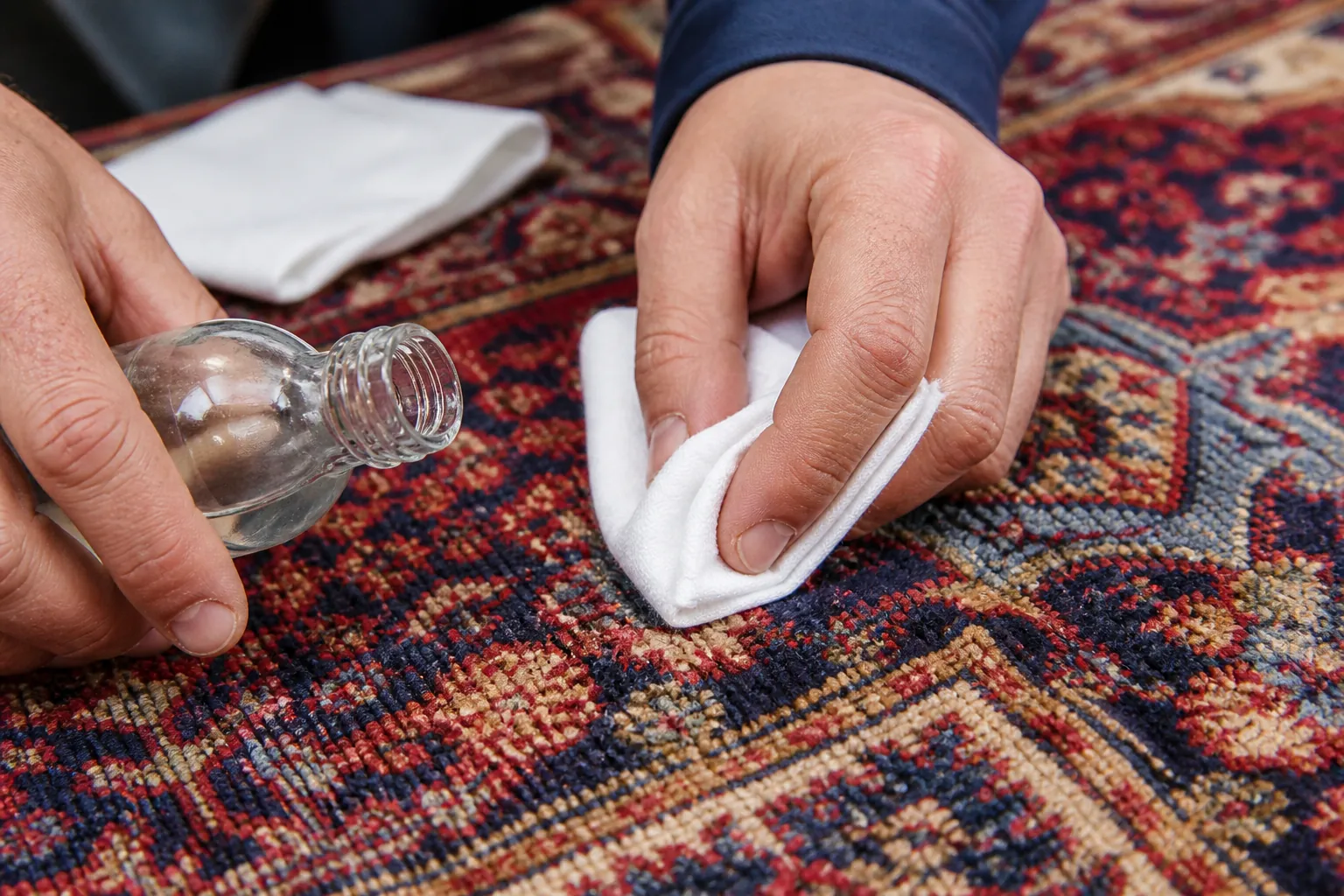
What forms the surface
Absorbency and resilience guide product choice, agitation and recovery.
How shades are likely to respond
Contrasting borders and saturated motifs may require testing and tighter moisture control.
What holds the rug together
A woven base, glued backing or tufted construction changes the handling limits.
Wear, repairs and edge security
Existing weakness is recorded first so the proposed scope respects the textile’s current state.
GARDEN GRIT, WEAR OR BOTH?
Describe what happened before deciding what can change
Particles tracked through patio doors may be removable, while a grey traffic lane can also contain flattened yarn and abrasion. We map the concern against furniture position, light and footfall, then set expectations around evidence rather than appearance alone.
WHEN A CORNER SMELLS DAMP
Follow the likely path instead of masking it
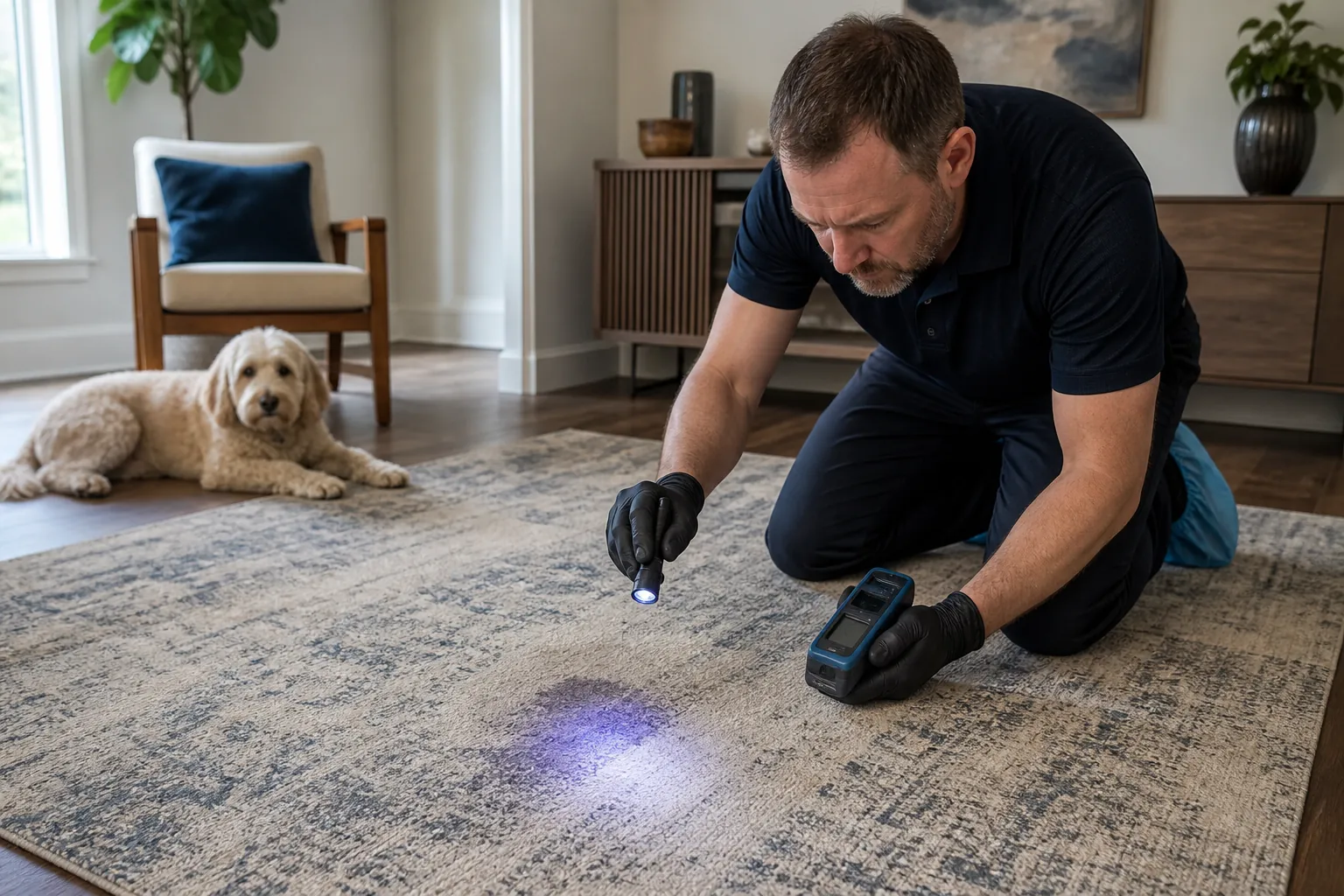
A musty note at one edge can relate to an old spill, contact with a damp floor, plant watering or material beneath the pile. Fragrance does not answer that question. The enquiry should locate the area and include the reverse and surrounding floor where possible.
- Mark the affected corner on a full-rug photograph
- Recall water, pet or product events in that position
- Check whether the odour changes when the rug is lifted
- Keep treatment and outcome open until the layers are reviewed
MAKE A SHORT RUG RECORD
Choose observations you can genuinely confirm
The selections organise the Chiswick enquiry for a human review. They are not a remote diagnosis and do not generate an automatic treatment.
A CHISWICK HOME IS PART OF THE PLAN
Room layout and carrying access deserve their own notes
Consider an Edwardian house where a looped rug lies on oak boards between the sitting area and doors to the garden. Soil is concentrated along one route, a plant once stood near the corner, and the front porch has steps. Those facts affect preparation and handling, but none substitutes for examining the rug.
Record the scene before clearing it. A wide photograph shows the relationship between rug, sofa, doors and traffic path. Detail images can then isolate leaf fragments, compressed pile and the questionable corner without implying they share one cause.
The owner measures the item, lists earlier spot products and confirms which furniture can be moved. They also note a narrow hallway turn. This makes the appointment more predictable while leaving technical decisions until the material evidence is available.
Notes for this Chiswick rug
Use of the room: The rug connects a seating area with garden doors, so tracked matter is plotted against the normal walking line.
Reason for contact: Loose outdoor debris and a stale-smelling corner are recorded as separate observations, not bundled into one stain claim.
Overall dimensions: Both axes are measured while the rug is flat; curled ends are shown rather than forced straight for a photograph.
Surface clues: Loop height, crushed areas and visible yarn variation are captured in angled daylight.
Reverse view: One safely lifted corner can reveal backing, foundation, dust escape and any sign of historic moisture.
Colour map: Pale field, darker border and individual motifs are identified for a considered stability review.
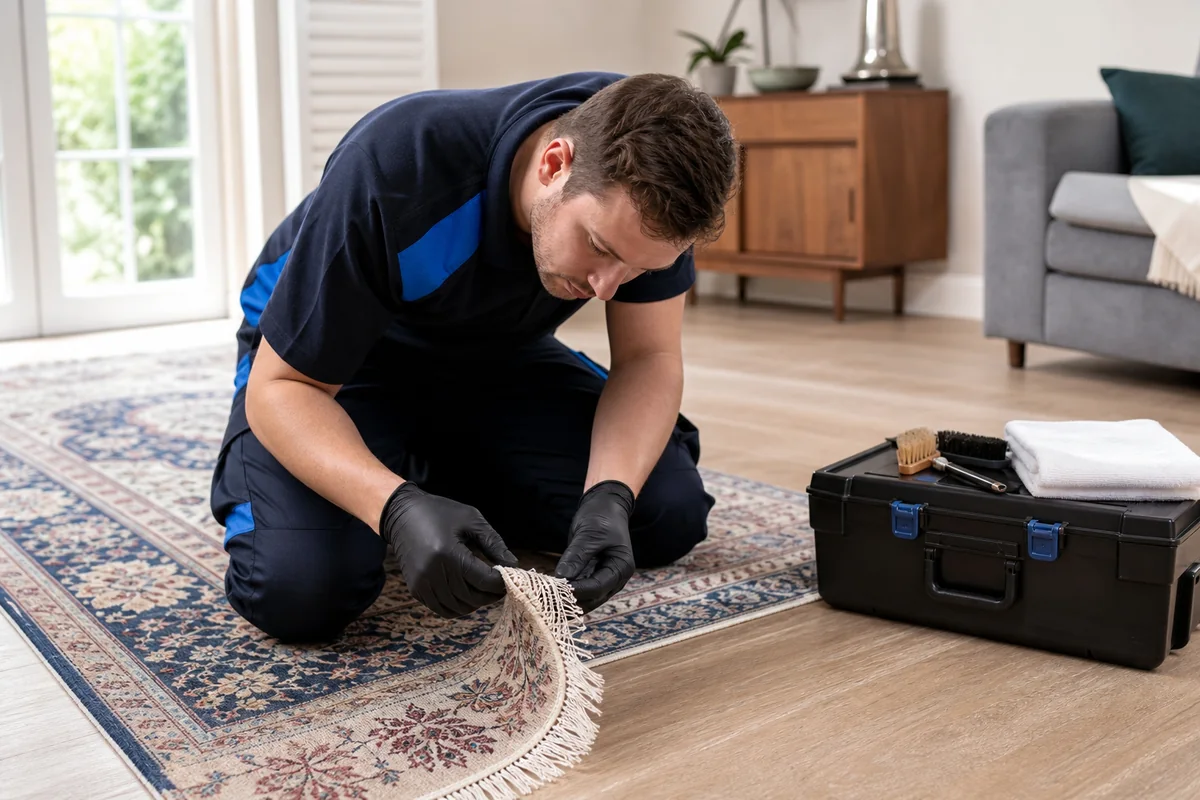
Perimeter: Binding, fringe attachment and damaged corners are photographed before the rug is rolled or shifted.
Repairs: Patches, reweaving and adhesive residues are disclosed because they may behave unlike the surrounding construction.
Earlier cleaning: The date, provider and known method are useful; uncertainty is better than an invented history.
Household products: Spot sprays, powders and odour products are named where possible, including the approximate quantity used.
Floor relationship: Marks on the oak boards and evidence of trapped damp are treated as contextual information, not proof of origin.
Items above: Sofa feet, tables and plant pots are listed so access and responsibility for moving them can be agreed.
Journey to the door: Porch steps, hall width and the sharpest turn indicate whether an extra handler may be appropriate.
Drying conditions: Heating, openable windows and safe space differ by season, so the handover remains specific to the visit.
Quotation boundary: Area supplies a starting band; fragile features, condition, handling and additional requests can alter the final scope.
Expectation: The review distinguishes improvement in soil load from permanent wear, colour loss or distortion.
FROM ENQUIRY TO HANDOVER
Seven checkpoints keep the work accountable
The order creates pauses for evidence. If colour, repairs or the damp-smelling edge raise a concern, the route can be narrowed before unnecessary work is carried out.
- 01
Survey
Confirm measurements, construction clues, existing wear and the customer’s priority area.
- 02
Assess
Review fibre evidence, colour behaviour and vulnerable components where appropriate.
- 03
Reduce dry load
Address accessible grit and debris while recognising that dullness may also be abrasion.
- 04
Set boundaries
Agree which areas and optional concerns are included before treatment proceeds.
- 05
Carry out the plan
Use the supported method with attention to moisture, pile, borders and foundation.
- 06
Review the result
Compare priority areas with the initial record and identify any permanent characteristics.
- 07
Handover
Explain ventilation, disturbance limits and the safe return of furniture over the oak floor.
CHISWICK SIZE GUIDES
Area starts the conversation; it does not finish the quotation
Measure the rug itself rather than the room. Once the size band is known, the confirmed price can reflect construction, unstable or fragile details, the condition presented, handling access and any separately agreed work.
CHISWICK QUESTIONS, ANSWERED CAREFULLY
Useful detail before anyone recommends a route
Which images should I send for a Chiswick rug quotation?
Begin with the complete item in natural light. Add the label, one safe view underneath, all damaged edges and separate close-ups of each concern.
Why ask about an oak floor if the service is for the rug?
The supporting surface affects how the item is lifted, isolated and returned. It does not dictate the treatment used on the textile.
Can tracked-in garden dirt be fully removed?
No outcome should be guaranteed from a description. Grit may sit alongside crushed yarn, faded colour and abrasion that cleaning cannot reverse.
What access information is helpful for a Chiswick house?
Mention exterior steps, doorway width, hall turns, stairs, parking limits and bulky furniture. These facts help establish safe handling requirements.
Is a wool label enough to choose the process?
No. It is a useful clue, but construction, dyes, backing, repairs and current condition remain material to the decision.
Should I treat the mark while waiting for an appointment?
Avoid adding an unfamiliar product. Blot fresh liquid where appropriate, retain packaging for anything already used and explain what changed afterward.
Do worn bindings or tassels prevent all cleaning?
Not automatically. Their security must be examined, and the agreed work may need gentler handling or an exclusion around a vulnerable section.
How do you approach a musty smell at one corner?
We ask about moisture and product history, compare face and reverse, and consider contact with the floor. Smell alone cannot show the source depth.
Can I be given a fixed drying time before the visit?
No responsible fixed time applies to every rug. Yarn, density, foundation, chosen method, room temperature and airflow all influence aftercare.
What determines the final amount above the price guide?
Measured area sets an initial bracket. Construction, condition, specialist features, access and optional requests are then defined in the accepted quotation.
START WITH WHAT YOU CAN SHOW
