
TWICKENHAM · PERIOD ROOMS, MATCH-DAY STREETS AND DECORATIVE RUGS
A Rug-Cleaning Brief Made for Twickenham
In Twickenham, a decorative rug may share a period room with original boards, a fireplace and a heavily used entrance. The textile cannot be considered in isolation: border detail, previous repairs, street access and the surface underneath all shape the plan.
- Frame the full rug, including every corner and decorative border
- Record threadbare areas before discussing stain improvement
- Flag event-day restrictions, controlled parking and long carries
- Identify original timber or another sensitive floor below
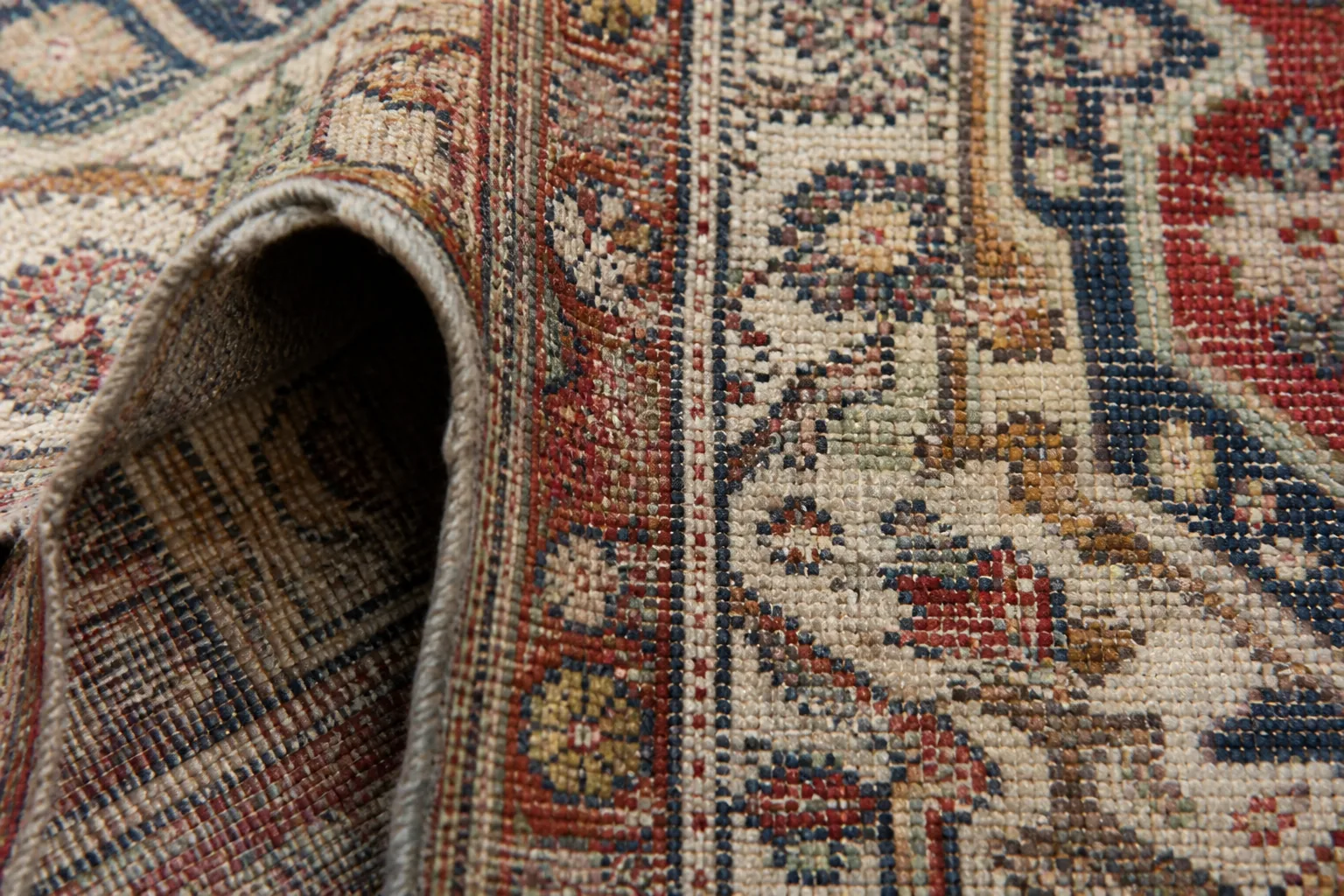
READ THE RUG AS AN OBJECT
Build the description from visible evidence
Choose observations you can support. Construction and treatment remain open until the rug has been properly considered.
TWICKENHAM QUESTIONS
Answers for planning this particular rug
Which images help with a Twickenham quotation?
Provide a straight full view, both ends, the underside, a readable label and close images that keep the surrounding pattern visible.
Does a hand-knotted appearance confirm construction?
No. Visual clues guide the assessment but do not replace examination of the foundation and reverse.
Can faded colour be cleaned back?
Fading is a colour change, not removable soil. Inspection distinguishes it from residues that may improve.
Why record an old edge repair?
A repaired area can impose different handling limits and should not be discovered during movement.
Do stadium events affect the quotation?
They may affect scheduling or access rather than textile treatment, so mention restrictions known for the intended date.
Is an original wood floor protected automatically?
The underlying surface must be identified so lifting, moisture control and return can be planned deliberately.
Should loose fringe be trimmed first?
No. Photograph it and leave alteration to an appropriately agreed repair scope.
How soon can the room be reset?
That depends on construction, moisture release, airflow and the final handover—not a borough-wide timetable.
Are the published prices fixed offers?
No. They are size guides qualified by the actual rug, condition, access and requested work.
Can several services count toward the £68 minimum?
Compatible eligible work may contribute after each item and its scope have been accepted.
TWICKENHAM PROPERTY AND STREET NOTES
The appointment has a building context and a clock
A narrow terrace hallway, upper-floor flat or controlled street can alter safe movement without changing the rug itself. On event days, predictable arrival and loading matter. The brief should therefore pair textile evidence with a realistic route from room to vehicle.
Photographing the setting. Photograph the decorative field square-on, then add separate images of the border, repaired edge and reverse. Keeping some unaffected pattern in each close view makes the location of a mark easier to understand.
Recording what came before. Mention former professional work, moth treatment, spot chemicals or storage. These details may explain stiffness, colour movement or rings that a new photograph cannot date.
Twickenham rug dossier
Field: Describe the main pattern and dominant shades.
Border: Show contrast, distortion and worn sections.
Ends: Photograph fringe or finished hems separately.
Reverse: Reveal knots, backing, labels and repairs.
Scale: Give maximum dimensions including fringe.
Wear: Map thin pile along habitual walking lines.
Colour: Compare faded and protected areas in one frame.
Stain: State its position within the pattern.
Repair: Explain what is known and what remains uncertain.
Storage: Mention folding, rolling or damp conditions.
Products: Name spotters, powders and moth treatments.
Room: Record fireplaces, furniture and direct sun.
Floor: Protect the original surface beneath.
Route: Count levels, corners and doorway widths.
Timing: Avoid known loading or event conflicts.
Handover: Reset only after specific guidance.

DIMENSION BANDS, THEN THE REAL SCOPE
Size opens the estimate; detail completes it
Decorative construction, compromised edges, earlier treatment, required handling and the carrying route can all qualify the guide.
CENTRE FIELD · BORDER · FOUNDATION
Pattern complexity is not merely decorative
Different colours and structural zones can respond differently. Assessment looks beyond the most obvious stain to the way the whole textile is assembled.

Main pile
Compare traffic lanes with protected colour.
Edge geometry
Distortion and wear may set handling limits.
Structural evidence
The reverse clarifies build and former repair.
Room influence
Sun, hearth and flooring explain local change.
ASSEMBLE A TWICKENHAM EVIDENCE PACK
Let every image answer a different question
The most useful request combines textile detail with a clear arrival plan and leaves uncertain claims unresolved.
- Twickenham postcode and preferred dates
- Maximum dimensions with fringe noted
- Square full view of field and border
- Close image of the main concern
- Both ends and all weak edge sections
- Reverse, label and former repairs
- Known storage or treatment history
- Floor surface and furniture position
- Parking, event and stair information
Four useful distinctions
Does an ornate rug always need specialist work?
Appearance alone does not decide; fibre, dye, construction and condition need evidence.
Can an edge be cleaned and repaired together?
Only when both scopes are explicitly assessed and agreed.
Will direct sun marks even out?
Cleaning cannot restore colour already altered by light exposure.
May the rug be placed on original boards while damp?
Return follows specific moisture and floor-protection advice.
A SEQUENCE FOR DECORATIVE TEXTILES
Move from broad pattern to vulnerable detail
Each stage keeps field, border, foundation and property conditions connected.
- 01
Orient
Mark top, bottom, field and border
- 02
Document
Capture wear, repair and previous intervention
- 03
Evaluate
Consider fibres, dyes and structural stability
- 04
Prepare
Remove suitable dry matter without stressing edges
- 05
Address
Work the agreed concern within safe limits
- 06
Stabilise
Control moisture and support the textile evenly
- 07
Handover
Set out return, floor and remaining-mark advice
COLOUR CHANGE IN A PATTERNED FIELD
Contrast can make permanent change look like residue
Sunlight, abrasion and earlier chemistry may alter one shade more than its neighbour. A close view with adjacent unaffected pattern helps establish what the eye is comparing.

WEAK EDGES AND FORMER REPAIRS
Structural history belongs in the quotation
A repaired border or loose end changes how the rug may be lifted and worked. Photograph both face and reverse instead of hiding the area beneath furniture.
- Location and approximate extent of repair
- Loose yarns, opening seams or brittle backing
- Any known date or repair material
- Furniture normally covering the weak section
START WITH FIELD, BORDER AND ROUTE
Prepare the Twickenham rug before choosing a method
A precise visual record supports a more useful quotation.
