
TEDDINGTON · FAMILY ROOMS, GARDEN DOORS AND PATIENT DRYING
Rug Cleaning Planned Around a Teddington Home
Rugs in busy Teddington homes often sit between the garden door, the sofa and the places where children play. We begin with how the rug is actually used, then record its weave, underside and recent accidents before suggesting a workable treatment route.
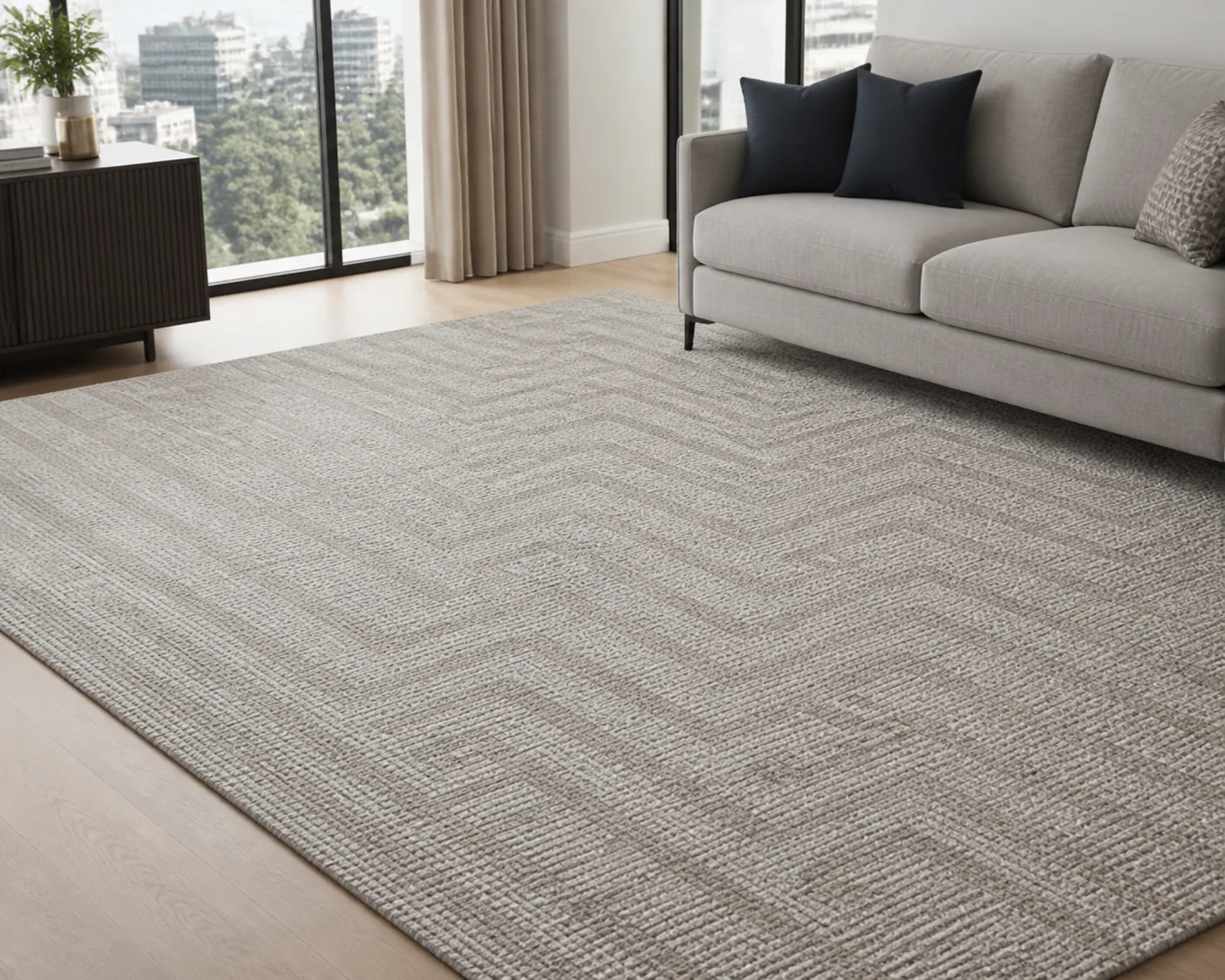
- Photograph the rug in its normal room, before furniture is shifted
- Add the longest and widest measurements, including any border
- Mention juice, muddy footwear, pet visits or products used at home
- Reserve a ventilated place where the rug can remain undisturbed
BUILD A USEFUL HOUSEHOLD NOTE
Tell us what happens around the rug
These observations make the first conversation specific without pretending to identify a fibre from a screen.
TEDDINGTON QUESTIONS
Answers for planning this particular rug
What should a Teddington enquiry include?
Send the postcode, two measurements, full-room and close photographs, plus a short account of how the rug is used.
Do I need to know the exact fibre?
No. Share a readable label when one exists and leave the material unconfirmed when it does not.
Can you promise that a drink mark will vanish?
Not before inspection. A visible patch may include residue, changed dye, worn pile or several of these together.
Why photograph the rug under furniture?
The image records pressure marks, protected colour and the amount of handling needed before work begins.
Should I scrub mud from the pile first?
Let dry loose matter remain undisturbed where possible and avoid adding a household cleaner before review.
Does a riverside location change the service?
The address alone does not; ventilation, indoor humidity and the available drying position are the useful facts.
Can the rug go straight back beneath a table?
Only after the handover advice for that construction and room conditions has been followed.
Are fringes included automatically?
Fringe condition should be shown separately so its scope and limitations can be agreed.
How is the quotation calculated?
Area provides a starting band; build, condition, handling, access and requested extras complete the scope.
What does the £68 visit minimum mean?
Eligible compatible work can count toward that minimum once every item and service has been confirmed.
A TEDDINGTON ROOM IN REAL USE
The carrying route begins before the front door
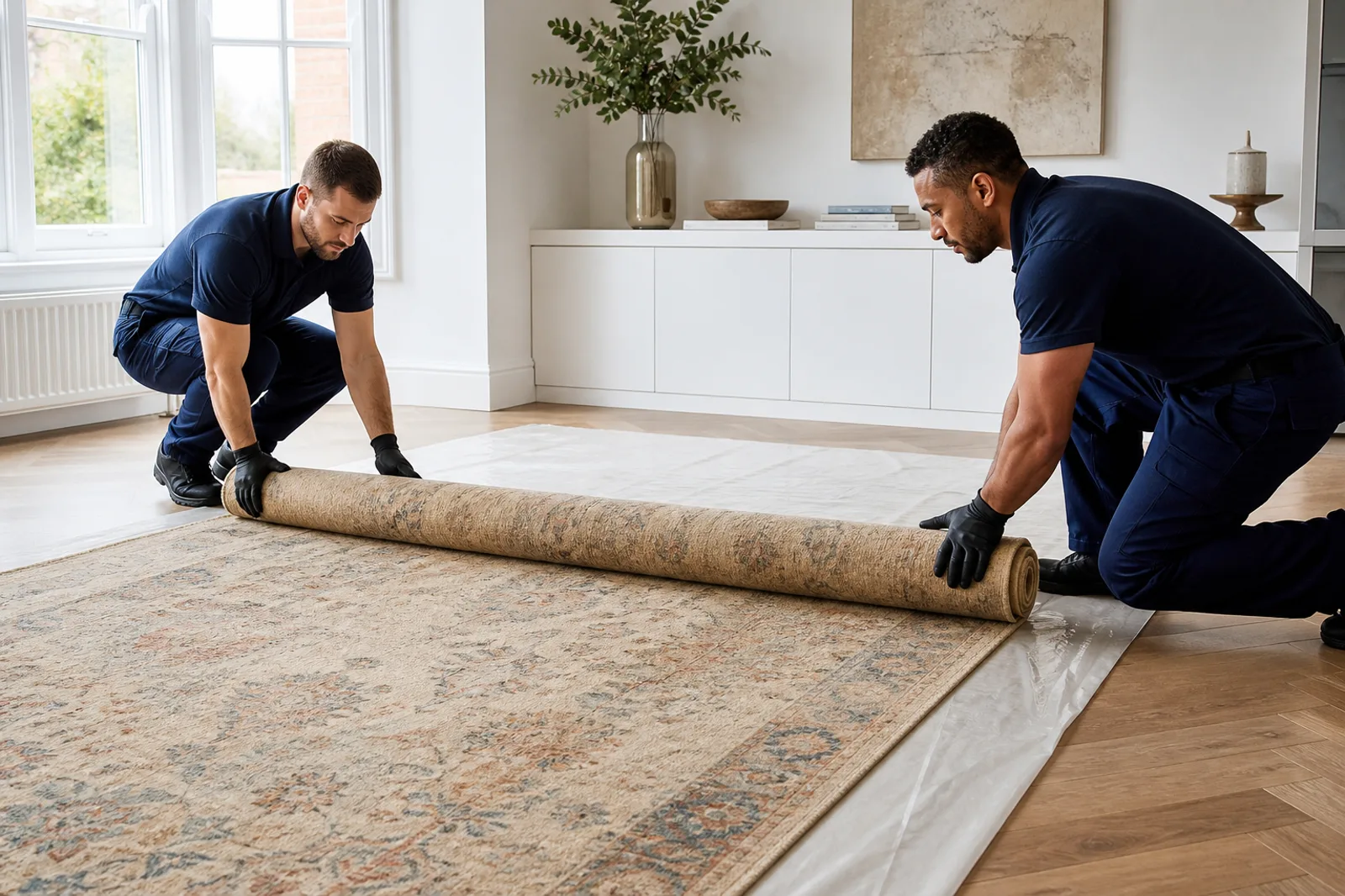
A rug may be easy to see yet awkward to move from a rear family room. Side gates, parked cars, glazed doors and furniture all belong in the plan. Recording them early protects the textile and prevents the appointment from beginning with avoidable lifting decisions.
Photographing the setting. A wide room photograph shows the relation between rug, sofa, table and garden entrance. Detail photographs then locate the spill, worn walkway and any curling edge.
Recording what came before. If a powder, spray or rented extractor has already touched the rug, name it. That history is more useful than a confident guess about what the remaining patch contains.
Teddington rug dossier
Daily pattern: Mark the route between the garden and seating.
Dimensions: Measure the textile, not the room.
Photographs: Combine one overview with several close views.
Label: Capture both sides in readable light.
Underside: Show backing, staining and loose areas.
Edges: Record binding, fringe and curled corners.
Furniture: Identify pieces that require separate handling.
Spills: State what happened and roughly when.
Products: List every cleaner or powder already applied.
Pets: Describe the incident without masking odour.
Floor: Name the surface beneath the rug.
Access: Include gates, steps and parking controls.
Air: Describe ventilation in the proposed drying area.
Expectations: Separate improvement from repair.
Return: Wait for the item-specific placement advice.
Unknowns: Leave uncertain facts clearly labelled.
SIZE GUIDE FOR A FIRST CONVERSATION
Measure the whole rug at its widest points
The band is only the starting reference. Construction, contamination, lifting, access and separately agreed detail work may change the quotation.
WHAT THE PHOTOGRAPHS CANNOT SETTLE
A household story still needs a textile check
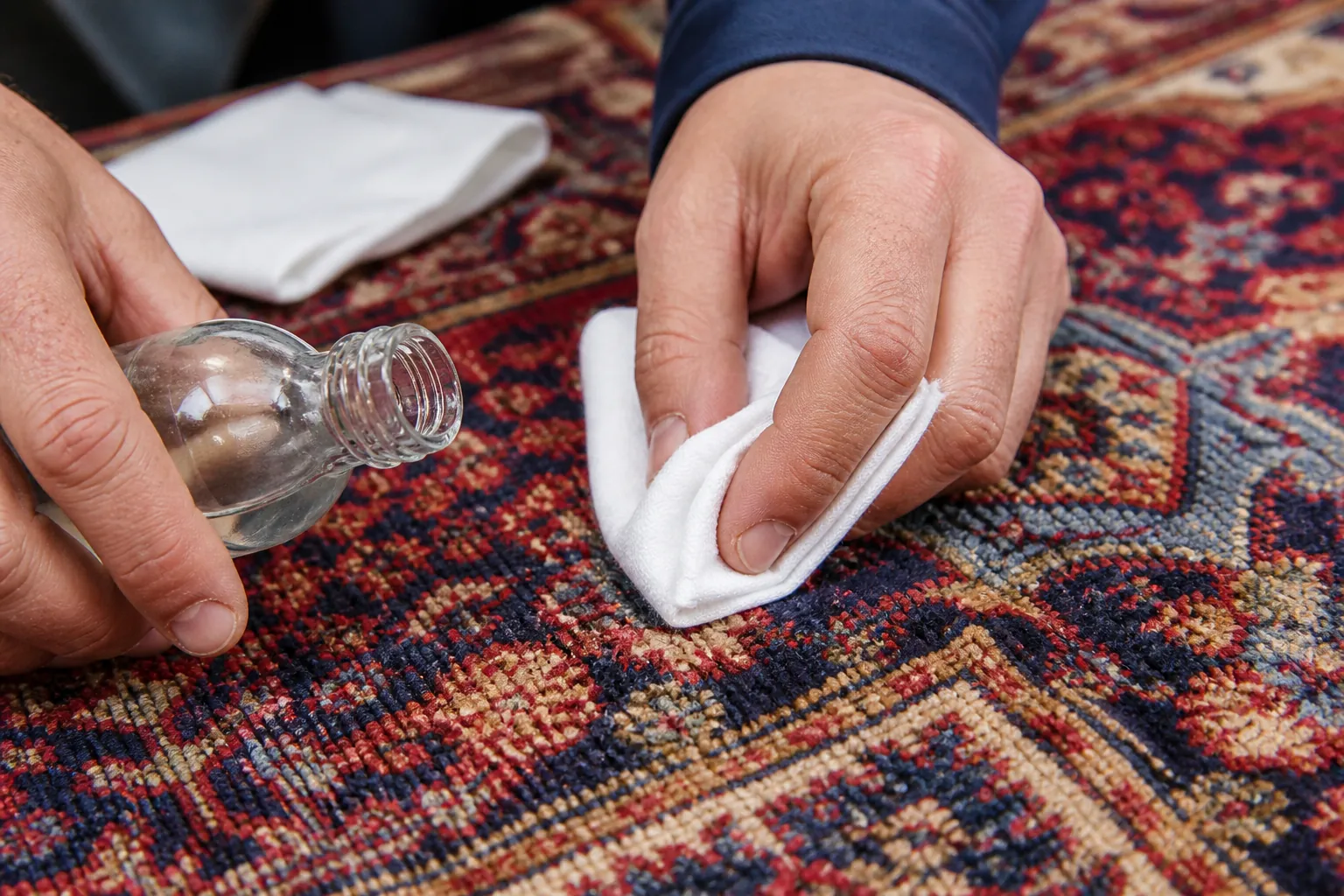
Similar-looking rugs can release colour, retain moisture and respond to agitation differently. The weave and present condition decide which options remain sensible.
Pile direction
Shows where wear can resemble a stain.
Foundation clues
Reveals backing and earlier repair work.
Transfer risk
Strong contrasts may call for testing.
Use pattern
Connects marks with real room activity.
YOUR TEDDINGTON RUG CHECKLIST
Send one coherent account, not a string of guesses
A concise set of evidence lets the quotation distinguish cleaning, handling and any issue that needs further inspection.
- Full Teddington address and postcode
- Length and width at the widest points
- Photograph showing the entire rug
- Close views of spills and worn paths
- Label and clear underside image
- Fringe, binding and corner condition
- Dates and names of earlier products
- Furniture resting on the textile
- Steps, gates and parking notes
Four useful distinctions
May I fold the rug for collection?
Do not fold or roll it until the appropriate handling has been discussed.
Is garden soil treated like a drink spill?
No. Dry particles, oily tracks and liquid marks require different observations.
Can drying finish outdoors?
Outdoor placement is not assumed; weather, surface, security and textile response all matter.
Will cleaning repair a curled corner?
Cleaning and structural repair are separate scopes.
FROM FAMILY BRIEF TO ROOM RETURN
Seven decisions keep the work connected
The sequence follows evidence from the home rather than a generic recipe.
- 01
Listen
Capture use, incident history and priorities
- 02
Survey
Review face, edge, underside and label
- 03
Test
Check relevant colour and material behaviour
- 04
Prepare
Reduce suitable dry particles carefully
- 05
Treat
Use only the route supported by findings
- 06
Recover
Manage moisture, airflow and undisturbed space
- 07
Return
Explain placement and realistic remaining change
WHEN A PATCH STAYS VISIBLE
Not every family-room mark is removable soil
Abrasion beside the sofa, faded colour near glass and pile pressed by furniture can remain after removable matter has changed. The initial record keeps those possibilities visible.
AFTER A HOUSEHOLD ACCIDENT
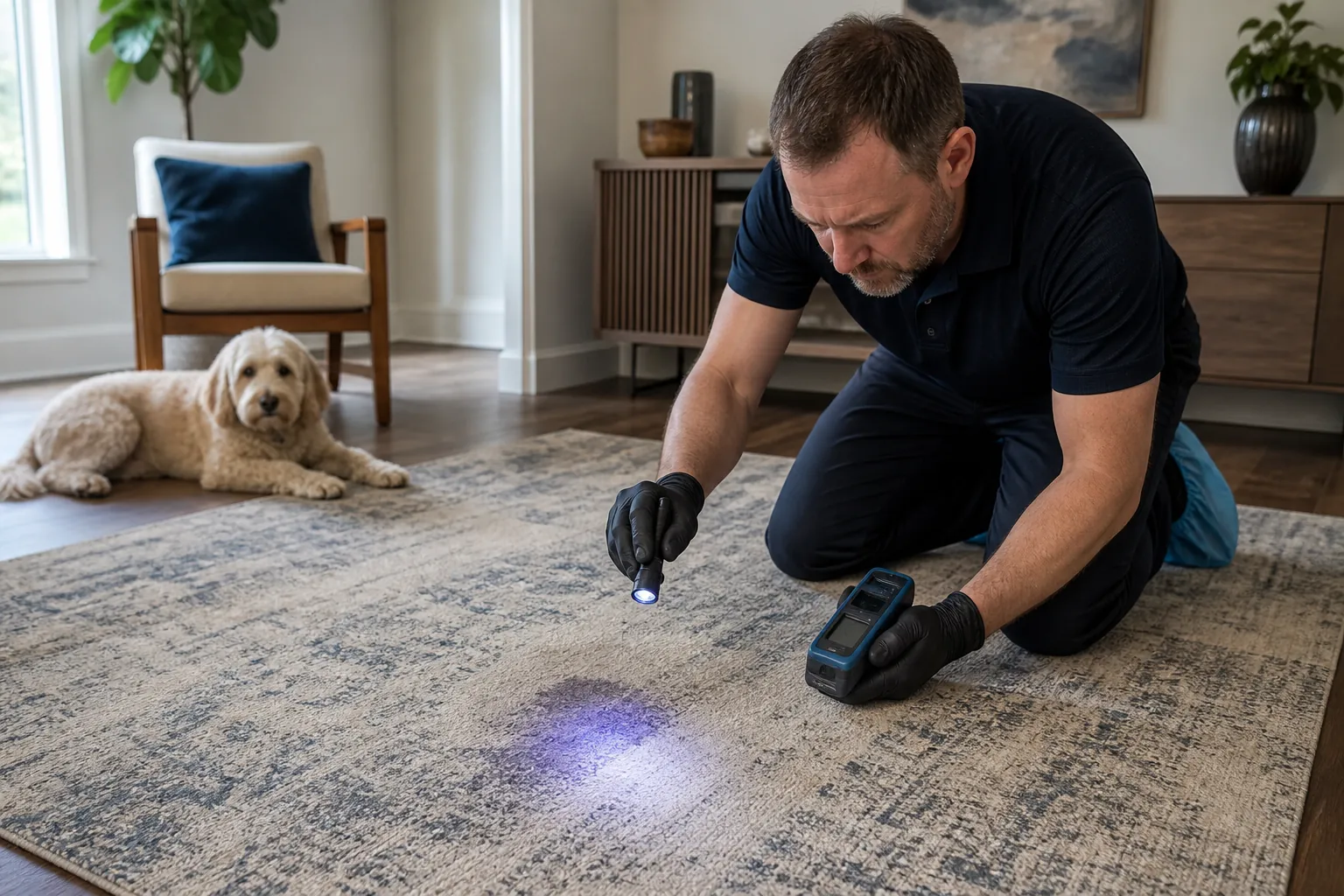
Tell the sequence before adding another product
For a drink, pet incident or garden track, explain what reached the rug, when it happened and what was done next. This protects the assessment from hidden chemistry.
- Approximate time and affected area
- Blotting, rinsing or product already used
- Whether liquid reached the underside
- Any odour noticed when the room is closed
BEGIN WITH THE TEDDINGTON ROOM
Show us where the rug lives and what changed
Measurements, honest history and useful photographs are enough to start.
