
One complete clearance
Clearing everything selected in one visit can simplify the inventory, but the collection window still needs to fit the preparation and access arrangements.
Fulham / Storage While Floors Are Replaced
Plan the furniture around the rooms being worked on.
Floor replacement can put ordinary household furniture in the way of the next stage. For a Fulham storage enquiry, explain which pieces need to leave and whether the work covers one room or several, then agree how collection and return fit that sequence.
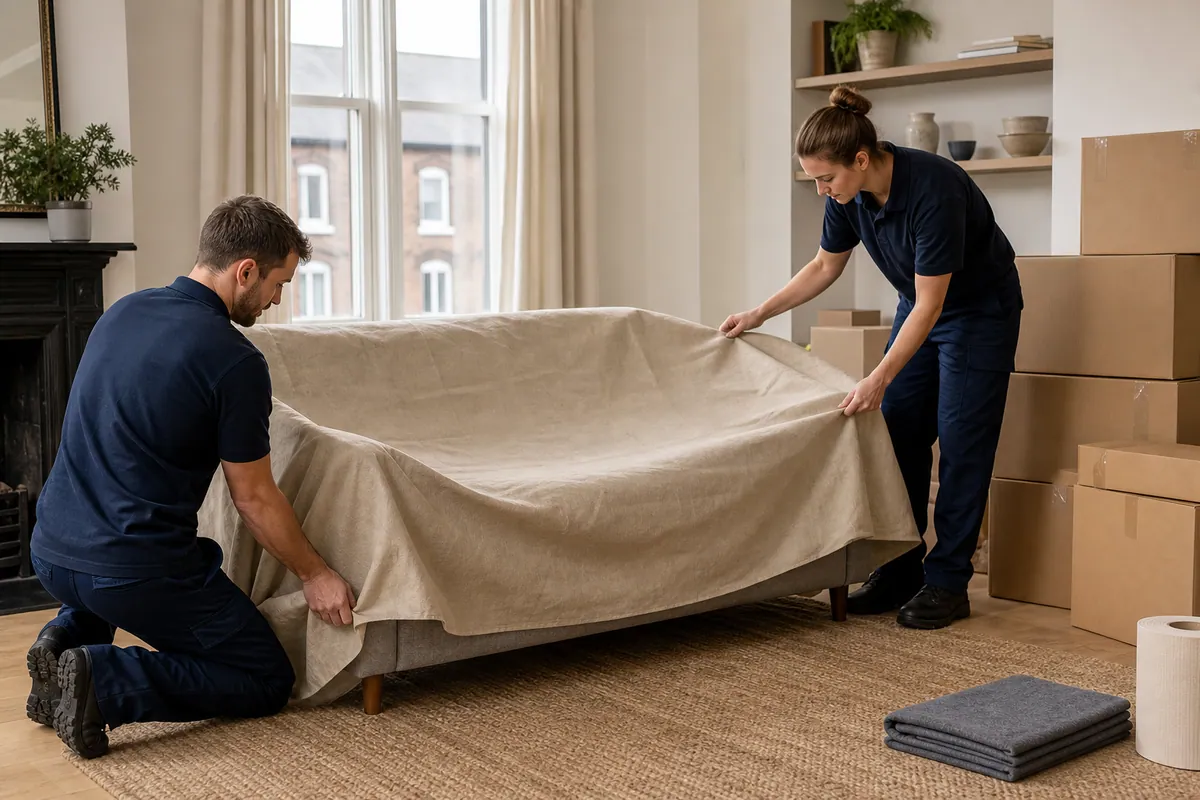
Direct answers before you book
Describe the selected pieces and expected work period. Suitability, preparation and the collection arrangement are assessed from that brief.
Not automatically. Multiple visits must be discussed and priced as part of the intended scope.
Identify it as one table with its components and fittings listed. Give the dimensions relevant to its agreed transport condition.
If they are excluded from the initial load, make that clear. Adding them later may require a revised arrangement.
Confirm readiness with those responsible for the work, then agree delivery separately. This storage page does not give curing-time advice.
Ask about term changes before booking and notify the team when delays become apparent. Extensions depend on the agreement.
Describe loose shelves and ask about preparation. Do not assume they can remain unsecured during handling.
Provide current photographs and explain obstructions. The practical route needs review before the visit is confirmed.
Actual dimensions, dismantling status and protection requirements inform the assessment. A floor plan is useful context but not an exact storage calculation.
Discuss required materials and labour early. Availability and inclusions must be confirmed; storage does not imply an unlimited packing service.
State the proposed sequence before booking. Separate release and transport may involve additional notice and charges.
A useful first conversation
Use the list to distinguish the furniture leaving now from the pieces remaining in use. Add table measurements and preparation notes; the counters do not decide a storage size.

Fulham, before collection day
A Fulham flooring project may release one room at a time or require all selected furniture out together. These are different storage briefs. Write down the intended sequence and ask which collection arrangement is practical before the work starts.
List the table, chairs and low shelving individually, noting whether they remain assembled. A total furniture count will not reveal a long table top or a shelving unit with loose sections. Show the route those pieces must take.
Keep the return plan connected to actual room readiness. If several deliveries are wanted, discuss them explicitly; neither additional visits nor flexible arrival dates are automatically part of one quotation.
Plan the route out of your property ↓Choose your starting point
Select furniture or household cartons according to the actual load. A flooring project is the reason for the enquiry, not a guarantee that every object has the same storage requirements.
Inventory focus
List the Fulham cartons displaced by flooring work without adding the belongings still used in unaffected rooms. Their sizes and contents help explain packing needs alongside the furniture clearance.
Add this to your inventory ↓
The timetable can change
| Planning point | A shorter gap | A longer arrangement |
|---|---|---|
| Typical purpose | Furniture held through a defined floor replacement | A phased project extending across several rooms |
| Preparation | Prepare each piece for the agreed handling and stay | Review protection where the work timetable remains open |
| Retrieval | Return furniture after the particular floor is ready | Ask about release stages for rooms completed at different times |
| Duration | Do not confuse a contractor estimate with confirmed delivery | Discuss the extension process before a delay occurs |
| Quotation | Quote the stated clearance and return sequence | Separate extra visits and additional time in the proposal |
Confirm term commitments and notice even for a temporary project. The floor contractor’s schedule does not replace the storage agreement or coverage conditions.
One connected arrangement
List the furniture occupying the floors being worked on.
Check the table’s route in its proposed transport form.
Agree dismantling questions and protection before removal.
Confirm whether clearance is one visit or an agreed sequence.
Review the term against the expected flooring programme.
Arrange return after the receiving rooms and route are ready.


What changes at home?
Clearing everything selected in one visit can simplify the inventory, but the collection window still needs to fit the preparation and access arrangements.
A phased project may leave some rooms in use. Mark their furniture as excluded until a separate collection is genuinely required and agreed.
If the work changes scope, update the inventory before adding furniture. A larger waiting load can change protection, volume and transport.
When the new floor is ready, check the return route and who will receive the goods. Readiness is not itself a confirmed delivery appointment.
Dimensions before estimates
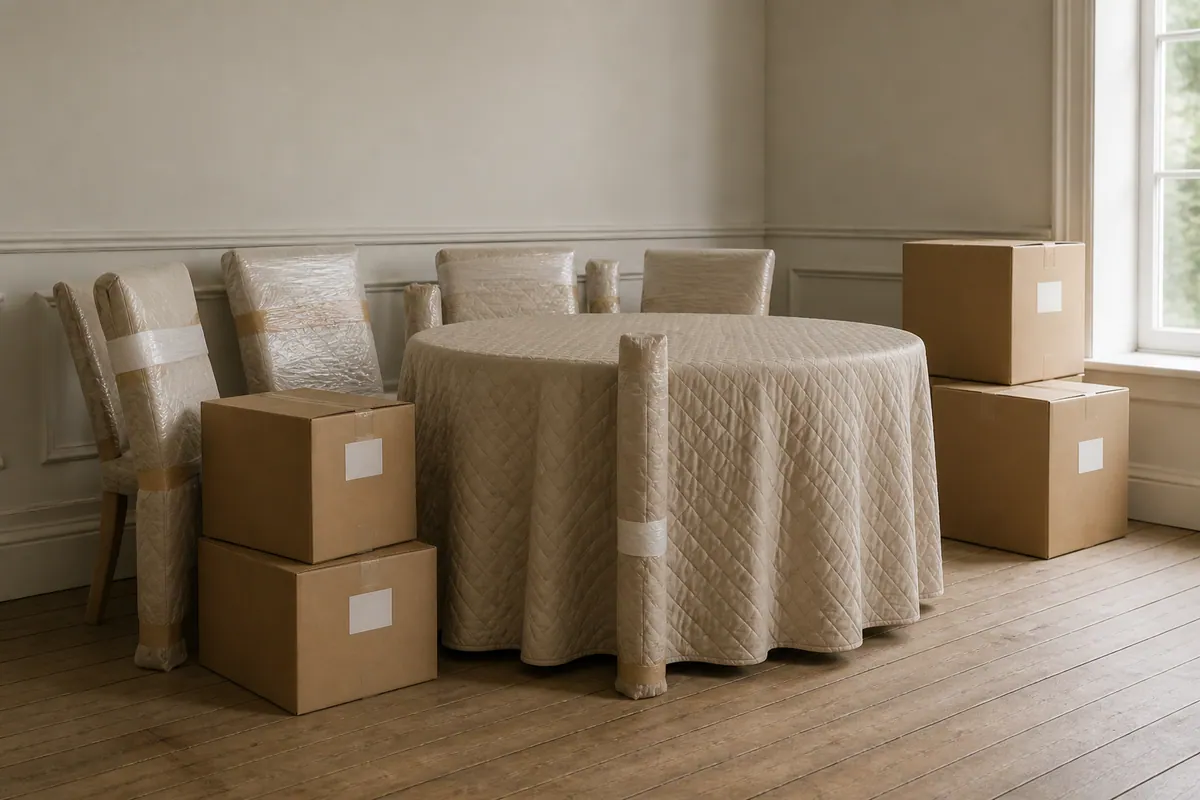
Furniture cleared for floors is often awkward rather than numerous. Its assembled shape, protection and ability to stack safely matter more than the number of rooms appearing on the work schedule.
A table and chairs require more than a furniture count.
Include the pieces cleared from that room’s floor.
Show the selected load across the work sequence.
Reconcile a full clearance before estimating the arrangement.
Unusual items should be reviewed separately. A flooring project does not establish acceptance of every object temporarily displaced from the room.
Plan the return before the departure
The order in which rooms become usable should guide the requested return. Tell the team if living-room furniture is needed before dining pieces, and confirm the implications of separate retrieval rather than promising the household several automatic trips.
Need earlier
Need later
Retain essential records and valuables separately. Early release and split returns require confirmed notice and pricing; the room becoming ready is not unrestricted access.
Keep the cartons for everyday use identifiable, especially if they must precede the main furniture delivery.
Record loose shelves and table parts under the parent item’s reference so the returned pieces can be matched correctly.
Items for rooms still being finished can remain in the later group only under the agreed term and access conditions.
Collection is part of the storage plan
Give the table’s length, width and height, including fixed projections. Say whether its construction allows separation, without assuming dismantling is booked.
Show the turn between the dining area and exit. Furniture must be assessed along the route, not only against a single doorway.
Describe any stairs between the selected rooms and collection point. Tell the team if ongoing work narrows the available path.
Resolve who can provide access while contractors are working. Keep the agreed movement route distinct from their equipment and materials.
Measure the table in its current form and say whether dismantling is required.
Flats and apartments: show which floor areas remain usable. Mansion blocks: coordinate furniture movement with shared access rules. Houses: describe the route around the works. Rental or managed properties: identify who can release pieces while contractors attend.
Scope first. Quote second.
Ask whether the quote assumes one collection and one return. A room-by-room sequence, dismantling or changed dates can alter the work, so make those requirements visible before comparing totals.
| Service scope | Price approach | Main factors |
|---|---|---|
| Volume & access assessment | Assess the floor-clearance furniture actually selected | Table size, shelving construction and protection |
| Collection & placement | Quote the planned collection sequence | Visit count, preparation, access and vehicle requirements |
| Ongoing storage | Price the anticipated work interval | Holding period and the process for project delays |
| Final retrieval / delivery | Scope the return arrangement explicitly | One delivery or agreed stages, receiving route and readiness |
Check whether the total assumes a single trip each way. Extra stages, dismantling, longer duration and insurance choices need explicit treatment rather than a presumed allowance.
Keep the move connected
Combine the furniture clearance with a wider move only when that scope is requested.
Discuss a defined small transport stage for selected room furniture.
Arrange protection and preparation before flooring work occupies the route.
Plan furniture transport back into the ready rooms under an agreed sequence.
Alesta customer feedback / Furniture removal & packing
“I used Alesta Services for furniture removal and packing when I moved houses. The team was incredibly careful with my belongings and made the whole process seamless.”
James W. · Existing Alesta review, not a storage testimonial for Fulham.
Fulham / Service area
Provide the Fulham postcode and work-area access when discussing the clearance. The complete household service scope is available under Storage Services.
Confirm whether all furniture returns to this address or another location, and discuss where it will be held in between.
A little space. A clear next step.
Send the Fulham furniture list and the work sequence. Highlight any dismantling question or request for more than one transport stage.
