
Ground floor
Show steps, gates and the distance from door to vehicle.
Collection planning · Fulham
Describe the material, show the full load and explain the route from item to vehicle. Those facts are checked before collection scope or timing is agreed.
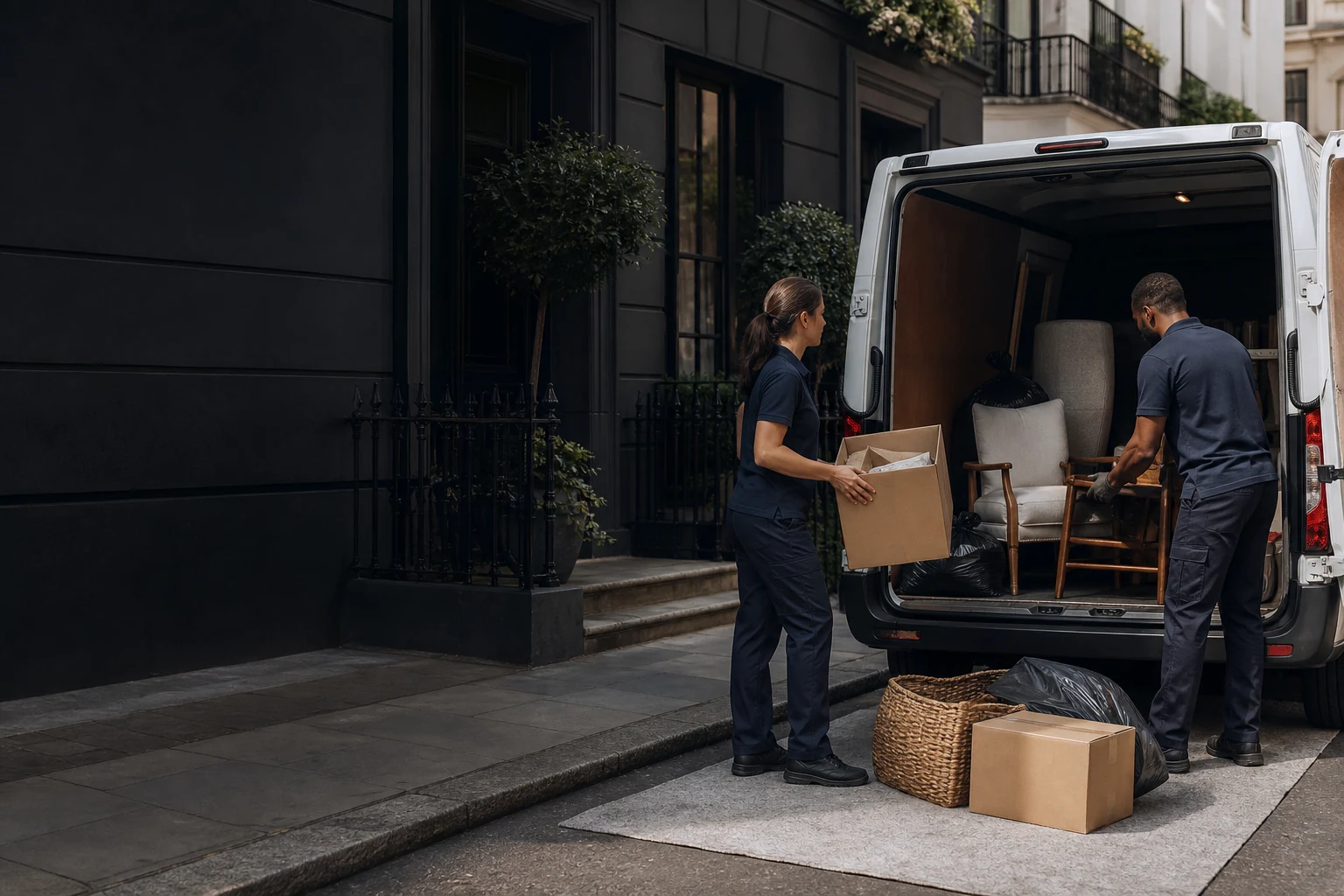
Access changes the work For the wider booking boundaries, review Alesta's waste removal service.
Show steps, gates and the distance from door to vehicle.
State the floor, stair turns and shared areas.
Confirm the working size and any booking rule.
Photograph gates, alleys and surface changes.
Use current signs or authority information.
Supply dimensions before dismantling is considered.
Property context in Fulham If several rooms or stored areas are involved, the house clearance service may be the more useful scope.
Stand at the most distant item when describing a Fulham job. A basement store, upper room or rear space sets the longest carry, so record every stair flight, tight turn and doorway before following the route to the street. Photograph the object in place as well as the passage it must use. Where furniture may not fit assembled, provide measurements and discuss dismantling in advance; it is only undertaken when agreed and safe.
Now work back through the material itself. Count bags honestly, distinguish household contents from green waste, and identify renovation debris rather than using a broad label. Show the complete quantity and then isolate dense, sharp or unusual pieces. At the outside end, explain parking and the likely distance to the vehicle instead of assuming kerbside loading. Restricted substances, clinical waste, gas cylinders and unidentified liquids require declaration. Together these observations describe labour, capacity and disposal needs without relying on a guessed van size.
Identify the material Declared renovation material should follow the separate building waste disposal service rather than an ordinary mixed load.
Describe every group that is present. Do not place uncertain liquids or unlabelled containers inside an ordinary mixed load.
Freestanding sofas, tables, wardrobes and other bulky household pieces.
Closed bags with their general contents described and unusual weight highlighted.
Cuttings and garden material kept visible and separate where accepted.
Compatible non-hazardous project debris, declared before the quotation.
Quotation basis
Crew time begins where the first object is stored, not at the front door. Basement steps, upper-floor turns and the distance from entrance to vehicle can therefore matter alongside volume. The quotation also considers weight, material, parking, safe agreed dismantling and applicable disposal charges. It is an assessment of this declared job, not a Fulham tariff. Adding a room, understating debris or losing expected access changes the work; report such differences before arrival so capacity and price can be reviewed transparently.
Make the load visible
A basement pile and an upstairs wardrobe should remain distinct in the brief even when they form one collection. Give each location a short inventory, supported by wide images and close detail. Bag numbers describe count, furniture measurements describe shape, and named materials help explain weight. Avoid concealing dense debris beneath lighter household contents. If bags are split, overloaded or contain sharp fragments, mention the need for safer repacking. The combined picture can then guide loading order and capacity while retaining the handling differences between floors. Identify the furthest group without moving it unsafely.
Before the team arrives
Make keys available for the basement, upper floor or rear area included in the photographs. Keep objects that are staying clearly apart and remove straightforward trip hazards from the carrying path. Do not move dense material into unsafe sacks or attempt unagreed dismantling. Recheck external access and notify the collector if the vehicle must stand farther away. Any new group needs updated evidence, while chemicals, asbestos, fuel and other restricted contents remain isolated and declared.
Collection sequence
Send photographs and identify material.
Explain basement or upper-floor routes, floors and vehicle position.
Confirm the expected work and quotation basis.
The presented load is checked before loading.
Suitable material follows the appropriate disposal route.
Material route and limits
Reusable and recyclable material is separated where practical. The actual route depends on what is presented, so no fixed recycling percentage is promised.
Batteries, specialist electrical items and hazardous substances need to be identified rather than hidden inside bags or boxes. If the contents or material are uncertain, keep them separate and send a close photograph or label information before booking.
Questions for this collection
The full carrying distance reveals stairs, turns and gathering time that a front-door description misses. It helps relate labour to the actual storage point and available vehicle position.
Show the complete basement group, its stairway and the exit route. Add close images of dense or unusual contents, plus a count of bags and measurements for bulky furniture.
They can form one assessed scope, but each area should be identified separately. Different routes and carrying demands remain relevant even when the combined material fits one planned collection.
Do not assume it is safe to lift. Explain the contents and condition; torn, excessively dense or sharp bags may need controlled repacking before they can be carried and loaded.
No. Measurements and photographs must be reviewed first. Dismantling is considered only when agreed and safe, while fixed fittings or structural work fall outside ordinary furniture removal.
A farther vehicle position lengthens the outside carry and may increase crew time. Describe the current restriction and realistic loading place rather than promising that nearby space will become available.
Treat it as a scope change and send an overview of the additional material. Green waste should be identified separately, and extra volume may alter capacity or require another journey.
No. Gas cylinders and other hazardous or restricted substances must be declared, not hidden among ordinary bags. Their presence needs clarification before an appropriate specialist route can be considered.
Collection area
Use the map to identify the collection address and describe the actual vehicle approach. Current access restrictions still need to be checked for the proposed date.
Return to the Waste Removal Services hub for the service scope.
