
A few items
A bench and bookcase need their widest measurements.
Marylebone / Storage from a Compact Apartment
A few bulky pieces deserve a detailed list.
Plan Marylebone storage from a compact apartment with individual furniture measurements, carton details and a workable preparation route.
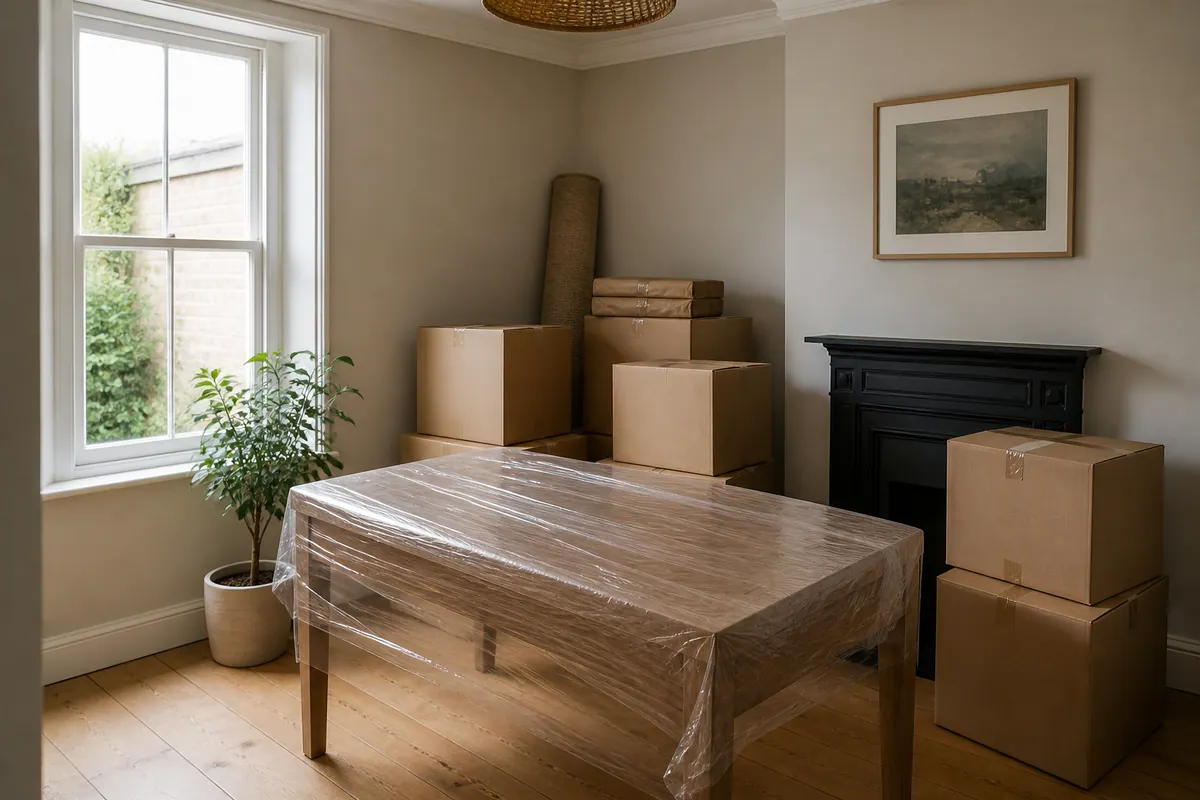
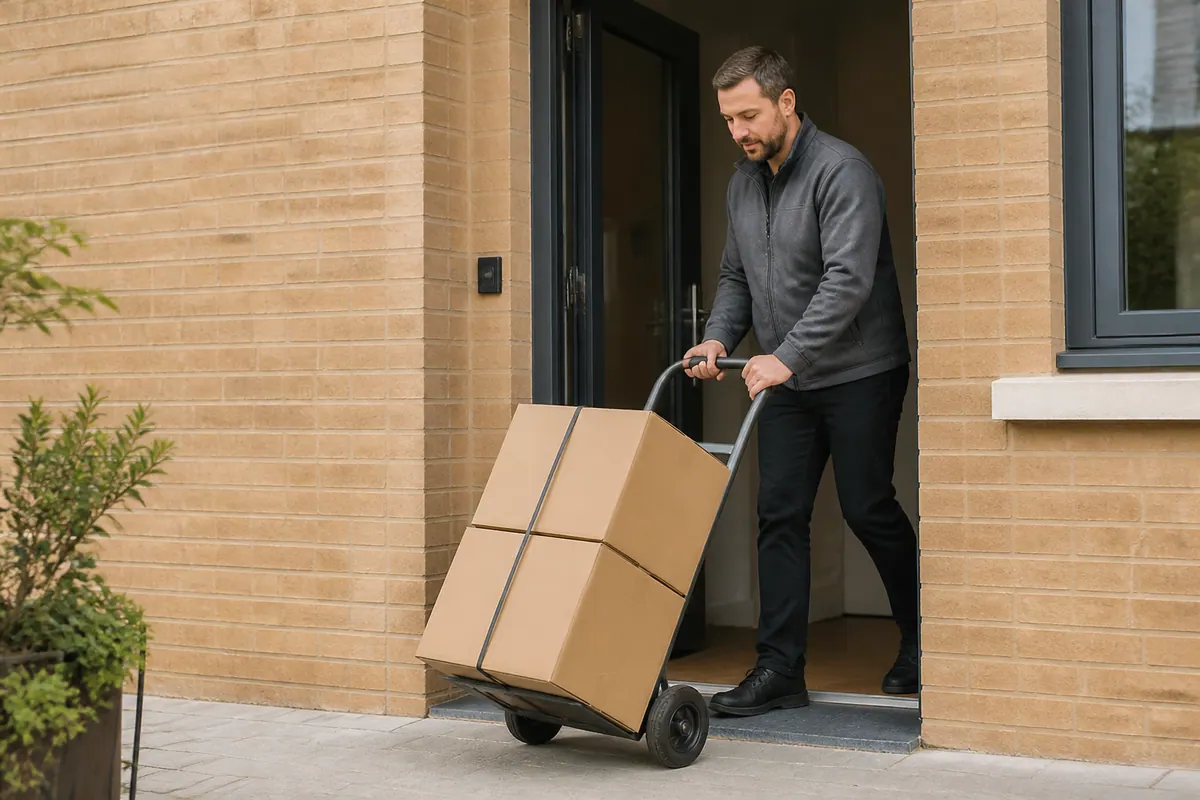
Marylebone, before collection day
In a compact Marylebone apartment, removing a bookcase and bench may release useful living space without creating a whole-home move. Name those pieces rather than describing the load as part of a room.
Check the bookcase’s top and base: projections can determine the widest dimension. Crockery cartons need a different note about contents and preparation, not the same shorthand as furniture.
Allow the remaining household to function while goods are prepared. A shared corridor or landing should not become a temporary store simply because space inside the apartment is limited.
Plan the route out of your property ↓Dimensions before estimates
Compact living space does not imply negligible storage volume. Fixed furniture shapes and protection needs still determine how the load can be arranged.
A bench and bookcase need their widest measurements.
Count only the objects selected from the apartment.
Combine room lists without adding retained daily-use goods.
A small home can still produce bulky retained furniture.
Sensitivity and acceptance depend on contents, not apartment size. Explain fragile or unusual goods before booking.
Collection is part of the storage plan
Give the widest bookcase dimension and its height, not only shelf measurements.
Describe the bench’s route through doors and any narrow turning space.
Check building entry and lift procedures without assuming shared space is available for holding goods.
Record where the collection vehicle can reasonably load and any restrictions to review.
Measure the bookcase at its widest point, including any projecting top or base.
Flats and apartments: leave enough space for normal household use during packing. Mansion blocks: do not assume the landing is a holding area. Houses: show the route of the bulky selected pieces. Rental or managed properties: identify access authority before collection.
Plan the return before the departure
The first useful kitchen at the return address may need selected crockery before the larger furniture. Explain that preference while agreeing the arrangement.
Need earlier
Need later
Keep essential records and valuables outside the stored load. Priority carton release must be agreed with its notice and charges.
Keep crockery cartons numbered so a request identifies the correct group.
Associate removable bookcase shelves with the furniture inventory entry.
A bench needed later should remain identifiable rather than disappearing into a general furniture count.
Choose your starting point
Use the furniture prompt for the bench and bookcase and the box prompt for packed household goods; both can belong to one enquiry.
Inventory focus
Give Marylebone crockery cartons a clear count and fragile-content note. Their preparation differs from the bookcase or bench, even when all the selected goods leave the apartment together.
Add this to your inventory ↓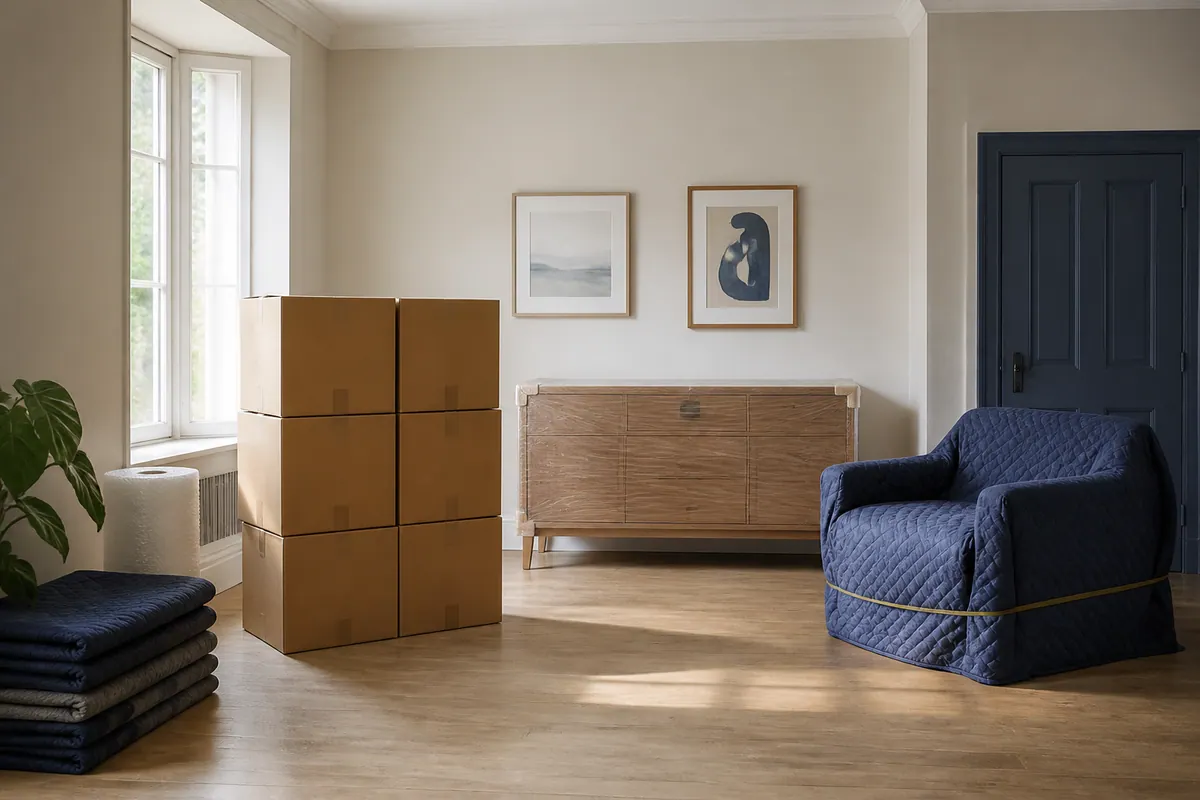
A useful first conversation
List the selected bulky pieces with dimensions, then count the prepared cartons. This is more informative than estimating a fraction of the apartment.
What changes at home?
A small-space reorganisation can focus on selected furniture while the household remains in place.
If the next apartment is not ready, identify the belongings that accompany you rather than entering storage.
A cabinet awaiting a final room layout still needs a defined term and return discussion.
Where packing consumes the available floor, agree practical preparation before collection day.
One connected arrangement
Select the bulky Marylebone pieces actually leaving.
Measure projections along the apartment route.
Prepare crockery and furniture according to their different needs.
Confirm collection without using shared space as assumed storage.
Check conditions for the accepted compact-home inventory.
Request the first useful items at the next address.
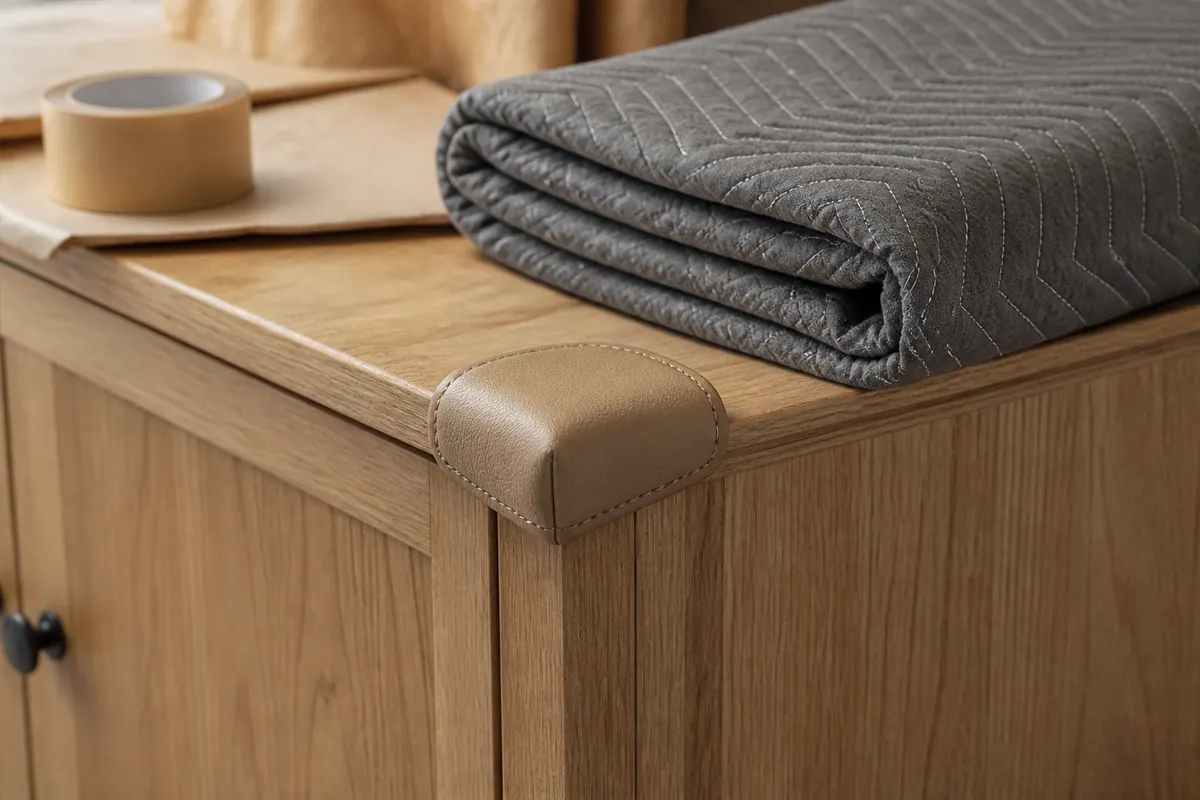
The timetable can change
| Planning point | A shorter gap | A longer arrangement |
|---|---|---|
| Typical purpose | A short clearance to make the apartment workable | Selected furniture waiting for a later layout |
| Preparation | Prepare fragile cartons for the agreed journey | Consider material needs over the proposed extended stay |
| Retrieval | Return the first usable kitchen items if agreed | Identify whether furniture or cartons need separate releases |
| Duration | Agree a booking period rather than a presumed small-load term | Check notice if the layout decision takes longer |
| Quotation | Assess the selected pieces and limited-space preparation | Clarify extra access and return transport costs |
A compact load still has duration and notice conditions. Review extensions and insurance provisions with the proposal.
Scope first. Quote second.
Compare the work required for the actual pieces, including preparation and access. A small inventory does not establish a standard vehicle, crew or fixed charge.
| Service scope | Price approach | Main factors |
|---|---|---|
| Volume & access assessment | Quote from the selected apartment objects | Bookcase projections, bench size and crockery cartons |
| Collection & placement | Assess collection through the actual route | Door turns, preparation space and loading access |
| Ongoing storage | Price the intended holding period | Accepted volume and suitable protection conditions |
| Final retrieval / delivery | Return according to the requested item list | Kitchen-carton priority and furniture access |
Small count does not settle crew or vehicle requirements. Compare access, packing, term and return inclusions, with coverage addressed separately.
Keep the move connected
Link the selected storage load to the wider apartment move if needed.
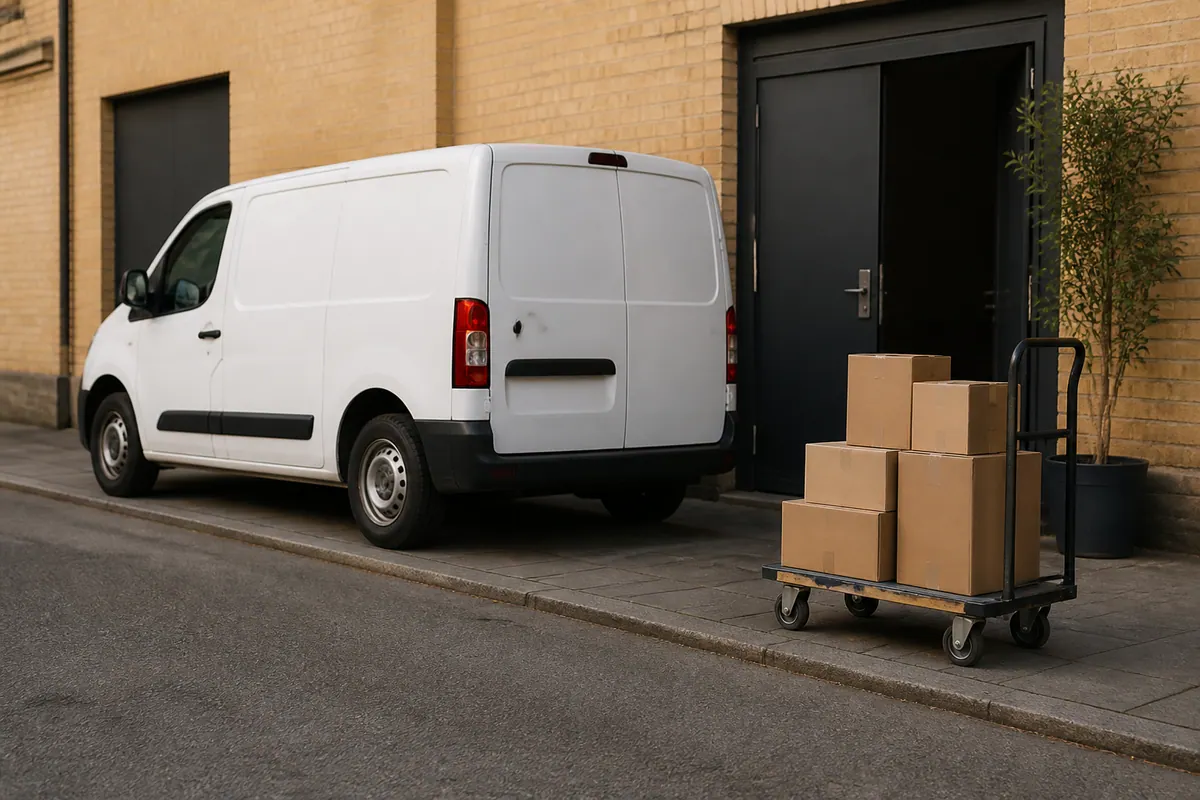
Discuss transport appropriate to bulky pieces despite the short list.
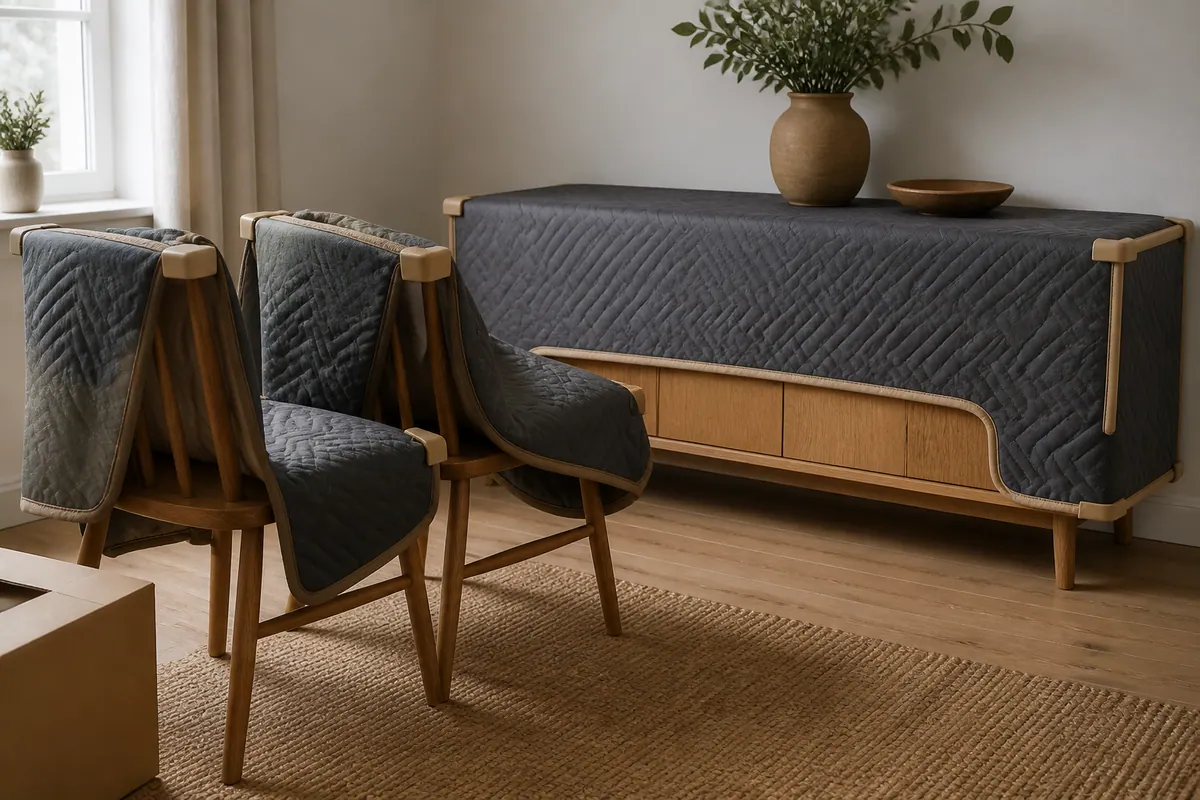
Arrange crockery preparation and furniture protection in the available space.
Plan the bench and bookcase return to a checked doorway route.
Alesta customer feedback / Furniture removal & packing
“I used Alesta Services for furniture removal and packing when I moved houses. The team was incredibly careful with my belongings and made the whole process seamless.”
James W. · Existing Alesta review, not a storage testimonial for Marylebone.
Direct answers before you book
Yes, describe them individually with dimensions and the collection route.
Either may project beyond the frame and affect the space or doorway assessment.
Do not assume permission; preparation should keep shared access clear.
Give their count and fragile contents, then agree suitable packing responsibilities.
No. Actual objects and handling requirements are more informative.
Describe both categories for assessment rather than assuming identical preparation.
Ask about selected retrieval and any notice or additional cost.
Explain the construction and agree preparation rather than improvising.
Crew requirements depend on the accepted items and route, not count alone.
Describe the available working area and requested tasks before collection.
Clarify the proposed insurance choices and exclusions in the agreement.
Marylebone / Service area
Include the Marylebone postcode and the practical exit route for the selected furniture in your enquiry about Storage Services.
Discuss the proposed holding location separately from the apartment address and confirm where the first kitchen cartons would return.
A little space. A clear next step.
Plan Marylebone storage from a compact apartment with individual furniture measurements, carton details and a workable preparation route.
