
How to Prepare Your Home for Professional Pest Control
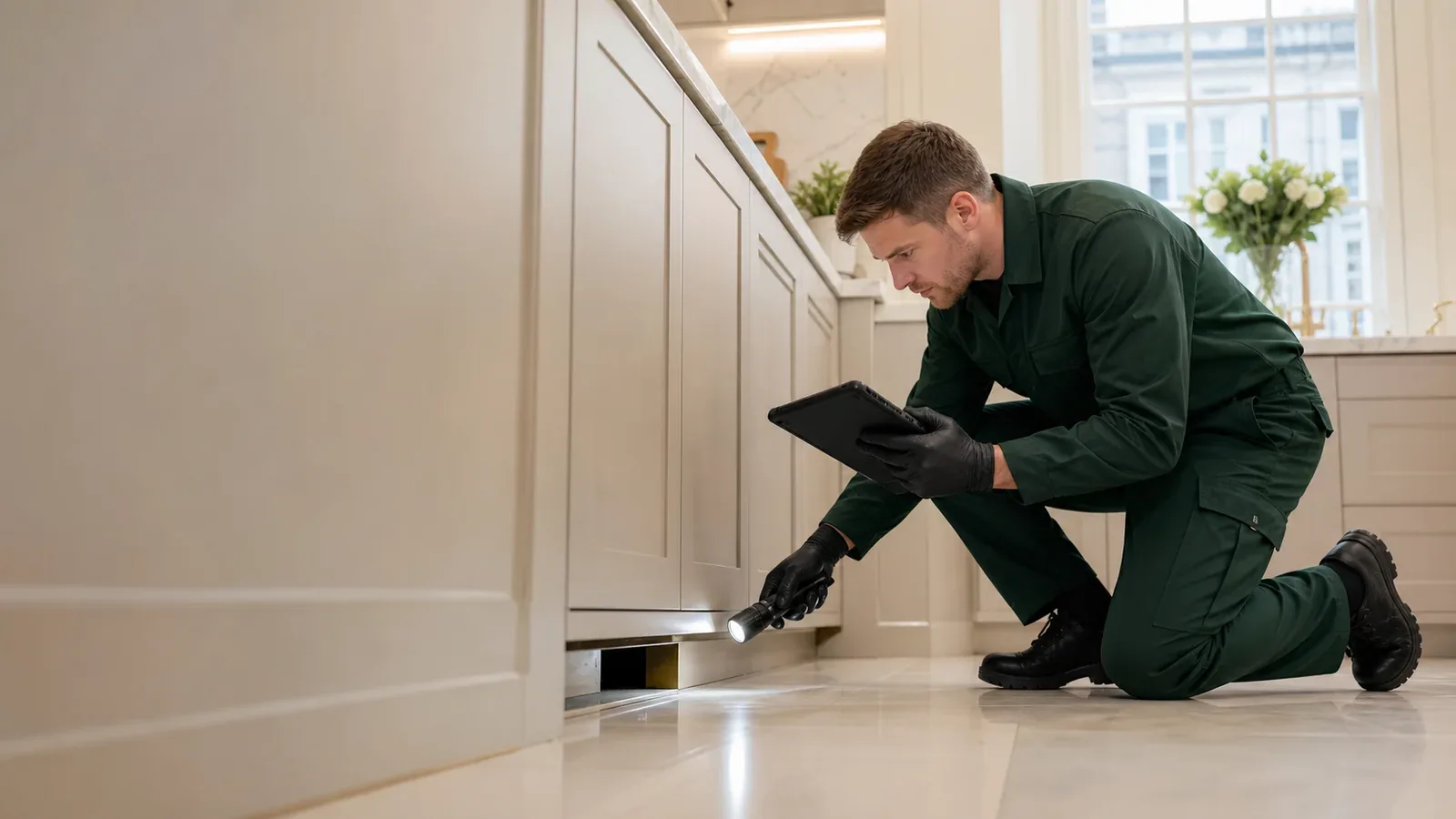
Prepare for pest control by following the instructions for the identified pest and the treatment being used. Do not empty every cupboard, move beds into another room or apply a final aerosol spray unless the technician specifically asks. Record sightings, preserve useful evidence, clear the requested access and tell the company about children, pets, allergies, pregnancy, aquariums and products already applied.
Ask for instructions before rearranging the home
Preparation for bed bugs is different from preparation for mice, cockroaches or wasps. Ask what the technician needs to inspect, what must be bagged, what can remain in place and which areas must not be cleaned. Request the instructions in writing so everybody in the household follows the same plan.
If the pest has not been identified, avoid a large clear-out. Moving possessions can scatter insects, destroy droppings or tracks and make the original harbourage harder to find. A professional pest-control inspection should start with species and activity, not a generic treatment.
Build a useful sighting record
Write down the room, exact location, date, time and what the animal or insect was doing. Add a clear photograph with scale where safe. For rodents, note sounds, droppings and gnawing; for insects, keep a specimen in a sealed clear container only if it can be collected without contact or spread.
Do not exaggerate the count. “Three small insects on the worktop between 23:00 and 23:20” is more useful than “hundreds everywhere”. Mark repeated locations on a simple floor plan.
Tell the technician what has already been used
List sprays, powders, baits, foggers, home remedies and professional visits, including approximate dates and rooms. Leave product labels available. Repellent residues can change insect movement or interfere with bait, while unsecured rodenticide creates risks beyond the target pest.
Never mix products or apply more because an appointment is approaching. If an accidental exposure has occurred, follow the label and appropriate medical or poison advice rather than waiting for the pest-control visit.
Food, utensils and worktops
Store open food in hard sealed containers or remove it as instructed. Put away utensils, chopping boards, toothbrushes and pet bowls where treatment might reach them. Empty waste and wipe accessible crumbs and grease, but do not scrub away every sign from the suspected harbourage before inspection.
In a commercial kitchen or shared flat, agree who clears which cupboards and who unlocks stores. Unlabelled bags moved into a corridor are not prepared possessions; they are a new route for contamination.
Children, pets and vulnerable occupants
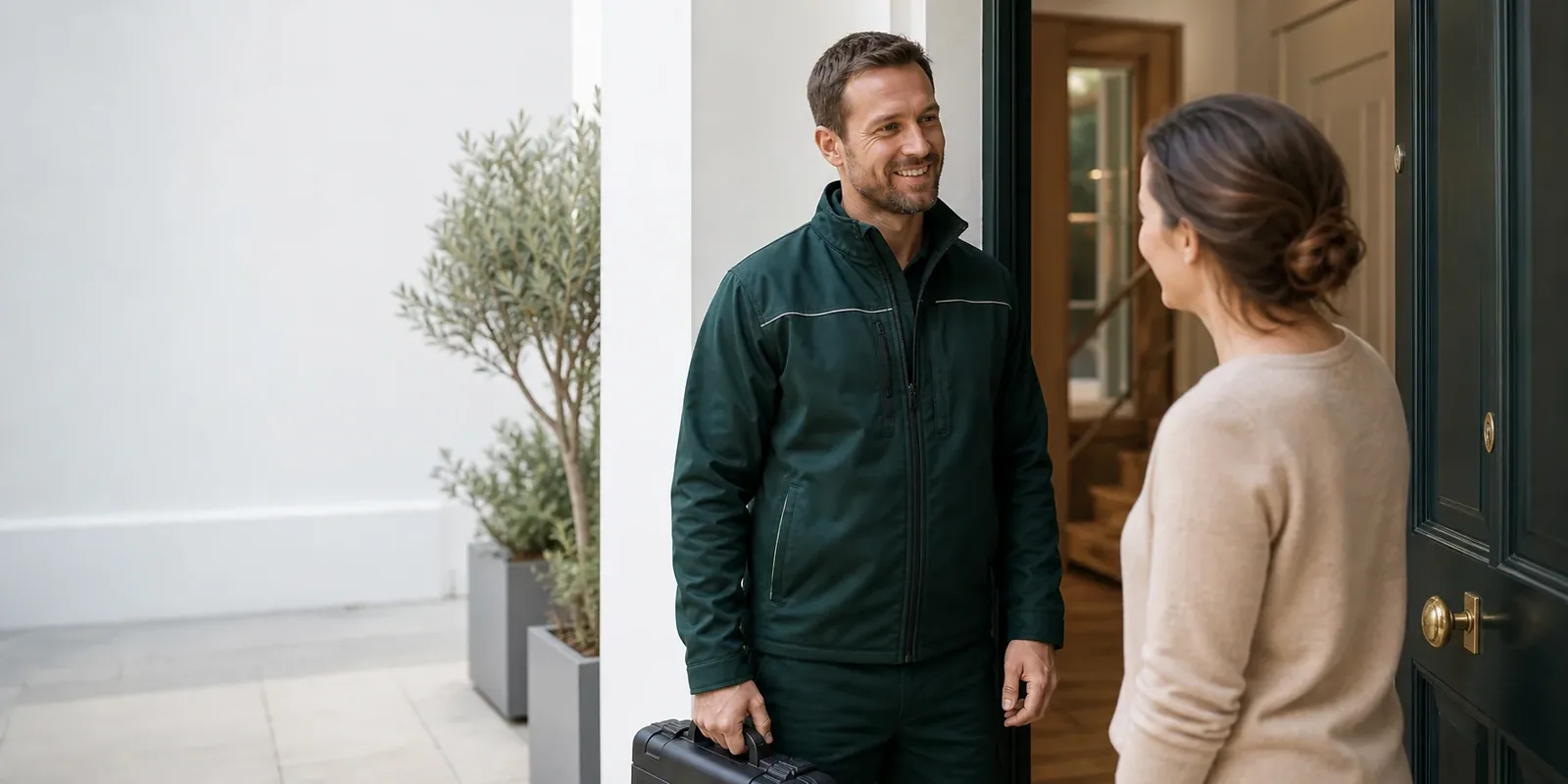
Give the company details when booking, not after treatment has started. Mention crawling children, respiratory conditions, allergies, pregnancy and anyone unable to leave easily. Ask how long people must be out, which rooms are affected and what re-entry conditions apply.
Arrange secure care for dogs, cats, birds and small mammals. Aquariums need specific advice about covering, aeration and filtration; do not simply switch equipment off. Keep pet bedding available for inspection if it may be part of the problem.
Bed-bug preparation without spreading belongings
Do not carry unbagged bedding to another bedroom or sleep elsewhere in the home; that can extend activity. Follow the provider’s instructions for laundering, sealed bags, furniture access and bed position. Label clean and untreated bags clearly.
Items that cannot be laundered need an agreed route rather than disposal by panic. For a confirmed infestation, use the specific bed-bug treatment guidance and ask what remains bagged after the visit.
Cockroach preparation centres on food, water and access
Clean grease and crumbs, store dry foods and report leaks. Clear safe access beneath sinks and around appliance edges without dragging an infested fridge through the flat. Remove loose cardboard after checking it and keep monitors in their numbered positions.
Do not spray near professional gel placements or wipe them away. Ask which surfaces can be cleaned immediately and which need to remain undisturbed for the treatment period.
Rodent visits need routes preserved
Secure food and pet feed, remove accessible rubbish and keep children away from droppings. Do not sweep or vacuum dry contamination. Photograph runs and entry gaps; avoid sealing them immediately if animals could be trapped inside or diverted into living space.
For recurring indoor mouse signs, mouse-control preparation should coordinate trapping or other control with durable proofing and follow-up. Foam alone is not a rodent-proof repair.
Give access without creating hazards
Move lightweight items away from requested skirting or cupboards, leaving a stable walking route. Do not stack heavy furniture, block exits or attempt to pull out integrated appliances. Tell the technician about loft hatches, fragile ceilings, locked meter cupboards and communal risers.
In rented or managed property, arrange authority for shared areas before the appointment. A technician cannot assess a suspected riser route if the plant-room key is with someone off site.
Vacuuming and cleaning: timing matters
Some treatments require pre-vacuuming; others rely on preserving evidence or residual deposits. Ask first. If instructed to vacuum, use the specified method, seal the contents and dispose of them as directed. Clean the machine afterwards without spreading debris.
Do not steam, shampoo carpets or repaint treated cracks until the provider confirms it will not interfere. A visually clean room can still contain activity, and an over-cleaned room can shorten residual performance.
Plan departure and re-entry
Know who leaves, where pets go, how windows will be handled and who receives the completion instructions. Take medication, work equipment and essential documents before treatment begins so nobody re-enters early to fetch them.
Return only at the stated time and after any ventilation condition is met. Smell is not a reliable measure of safety. Wipe or wash only the surfaces identified by the technician.
Follow-up is part of preparation
Put the next inspection or treatment date in the calendar before the first visit fades from memory. Keep monitors, record new signs and complete proofing or hygiene actions by their deadlines. Do not add another product between visits without approval.
A prepared home is not an empty home. It is one where evidence, access, occupants and belongings are managed so the selected treatment can be applied safely and judged properly.
Prepare the questions you want answered
Write three questions before the technician arrives: what pest is confirmed, what evidence shows the main harbourage, and what must change after treatment to prevent recurrence? Add practical concerns about food areas, pets, furniture, tenants and shared access. Keep the written answers with the treatment record.
If the recommendation includes several visits, ask what each visit is intended to achieve and how progress is measured. A clear programme might use inspection, control, monitoring and proofing at different stages. Knowing the sequence prevents a well-meaning cleaner or contractor from removing monitors, sealing an active route too soon or washing away a treatment that needs to remain.
