
Mice Keep Coming Back: Why Traps Alone Often Fail
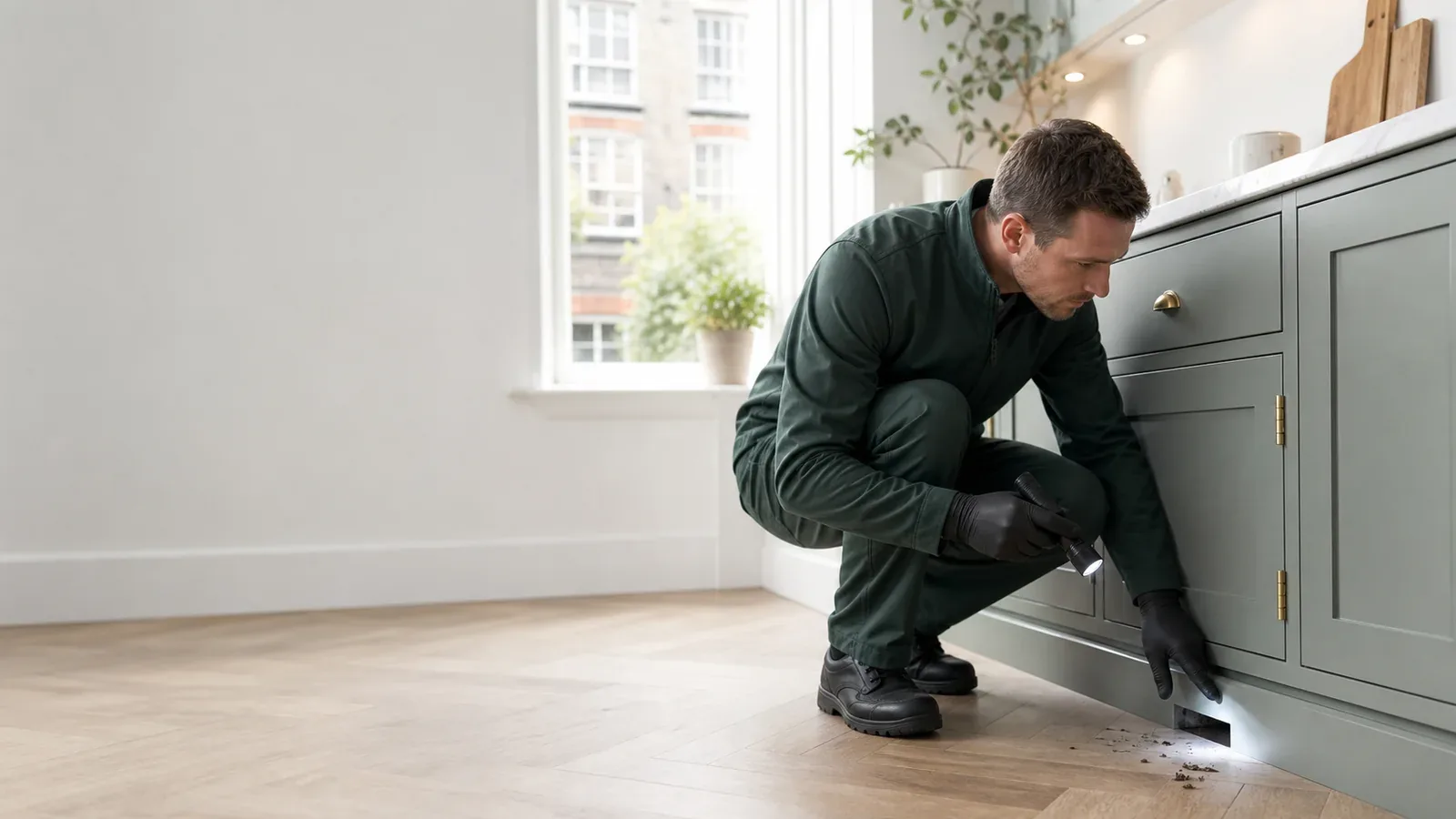
Mice keep coming back when traps remove individual animals but leave the route, food and harbourage untouched. A quiet week after catching one mouse does not prove the property is clear. Map fresh signs, remove accessible food, inspect gaps around services and coordinate proofing with control. If droppings reappear in several rooms, activity reaches food-preparation areas or you cannot protect traps from children and pets, arrange a professional survey.
First establish whether this is recurrence or continued activity
Clean old droppings safely, then date every new sign. Wear gloves, dampen contamination with an appropriate disinfectant and wipe it up; do not sweep or vacuum dry droppings. Mark locations on a simple floor plan. New droppings the next night mean the original activity never stopped. A gap of several weeks followed by signs at a new point may indicate reinvasion.
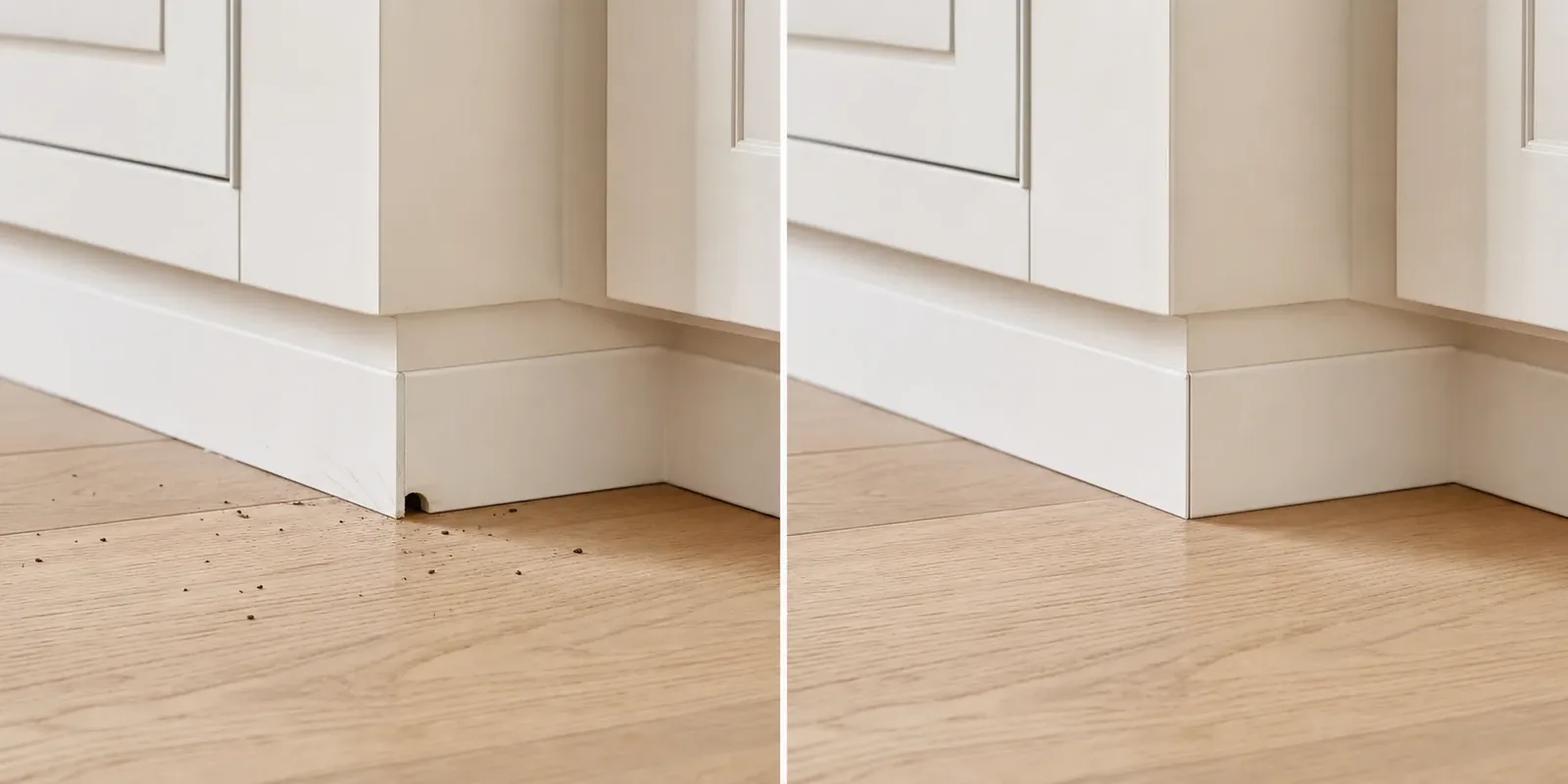
Note gnawing, shredded nesting material, ammonia-like odour and sounds after dark. Photograph droppings beside a ruler without touching them. Sound alone is weak evidence because pipes, birds and building movement can mimic scratching.
Traps fail when they sit where people see mice, not where mice travel
Mice usually move beside walls and covered edges. A trap in the middle of a kitchen may never intercept the route behind the plinth. Position and method must comply with the product instructions and protect non-target animals. Do not scatter devices through bedrooms without a map.
A mouse may investigate a new object, avoid it or approach from the wrong direction. More traps do not compensate for poor placement. A professional mouse-control survey should identify runs and harbourage before deciding where control devices belong.
The food source may be smaller than you expect
Check pet bowls, bird seed, toaster crumbs, food beneath appliances, open cereal packets and rubbish. Grease around a cooker and a leaking tap can support activity. Store dry goods and pet feed in robust sealed containers, clean hidden edges and remove food overnight.
Do not suddenly move contaminated food boxes through the home. Bag them in place, discard gnawed packages and clean the cupboard before restocking. A tidy worktop means little if the void beneath the dishwasher still contains spilled grain.
Follow the pipework through the building
Look around sink wastes, radiator pipes, boiler pipes, cable entries and the backs of fitted units. A small internal gap may connect directly to a riser or floor void. Check both sides of the wall where accessible. Do not remove electrical fittings, cut plasterboard or disturb a gas appliance to chase the route.
Flats often share service voids. Tell the landlord or managing agent in writing and include your activity map. Treating one flat without examining connected communal areas can lead to repeated introductions.
Why instant proofing can make matters worse
Closing the only obvious opening while mice remain inside may trap them in a wall or redirect them into another room. Control, monitoring and proofing need a planned order. A technician may leave selected routes active while monitoring confirms where animals move, then close them with durable material.
Expanding foam alone is easy to gnaw at exposed edges. Wire wool can rust and can create hazards around electrics. Proofing must suit the opening, resist gnawing and preserve ventilation, drainage and fire safety. Never block air bricks, boiler ventilation, weep holes or shared ducts indiscriminately.
Poison can exchange a live-mouse problem for a hidden-carcass problem
Rodenticides carry risks to pets, wildlife and predators. Casual bait placed in a wall can leave an inaccessible dead animal and strong odour. Products have label conditions for location, security, monitoring and carcass recovery. Do not mix professional and shop-bought treatments.
Ask a pest controller why a particular method fits the site and how success will be measured. Integrated control combines sanitation, targeted devices, monitoring and proofing; it is not simply a stronger poison.
Stored rooms prevent inspection
Boxes against walls provide cover and hide droppings. Create a narrow inspection route and move possessions in small sealed groups. Check papers, fabrics and cardboard for nesting material. If a loft or spare room is too densely stored to inspect safely, a careful house-clearance service may make access possible, but the pest controller should advise how items are contained and moved.
When a new tenant inherits an old route
Fresh decorating does not close gaps behind units. Before unpacking food, inspect cupboards, service penetrations and appliance voids. Report signs with dated photographs. Responsibility can depend on structural defects, communal areas and tenancy circumstances, so keep the discussion factual and in writing.
Use the night-time pattern to narrow the harbourage
Write down the first and last time you hear or see activity rather than describing it as “all night”. Movement that begins soon after the kitchen becomes quiet may point to cover close to food. Noise that is limited to a loft or ceiling void needs a different inspection route. Keep doors in their normal positions while observing: changing the layout can change the run and make yesterday’s map misleading.
A light dusting of non-toxic tracking material is sometimes suggested online, but loose powders can be inhaled, spread by pets or contaminate food areas. A safer domestic record is a strip of clean paper placed beside, not across, a suspected edge, then checked for droppings or disturbance. Do not use flour or food as a tracking medium; it provides another resource. If movement is inside a ceiling, do not drill an access hole on the strength of sound alone.
The cables and hygiene reasons not to wait
Mice can contaminate food areas and damage cable insulation. Flickering, tripping, a burning smell or a hot fitting requires electrical attention; do not touch gnawed wiring. Heavily contaminated insulation or inaccessible droppings may need specialist cleaning rather than domestic vacuuming.
A follow-up plan with a finish line
Agree device-check dates, proofing stages and the evidence required before the job is considered clear. Success means no fresh droppings, gnawing, sightings or monitored movement over the agreed period. One empty trap is not a result.
If the species remains uncertain or activity spans several pest types, use integrated pest-control support and provide specimens or photographs. Do not treat a rat route as a larger version of a mouse problem; behaviour and control differ.
What to change after control
Keep food sealed, repair leaks, inspect deliveries and maintain proofed service gaps. Check behind appliances during routine cleaning without dismantling them. In autumn, inspect door sweeps and external gaps before colder weather drives rodents towards shelter.
Traps can be part of the answer, but they cannot repair a pipe gap or remove a food source. Recurrence ends when the route, resources and surviving activity are addressed together.
