
Sensitive surfaces are identified, while opening decisions remain authorised.
Fabric-aware access note
Electrician Services in Greenwich
For a Greenwich appointment, Put the protected interior at the centre of the access brief. Identify the electrical point, then describe the way to it and the nearby materials that matter to the owner. Photographs can show proportions and obstacles, but they cannot reveal concealed condition. Permission for opening or reinstatement remains a separate decision after assessment.
- Label protected areas and offer an acceptable alternative position.
- Prepare both parts of the carrying route.
- Empty the relevant cupboard but leave fixed panels untouched.
- Book the shared space with its proper key holder.
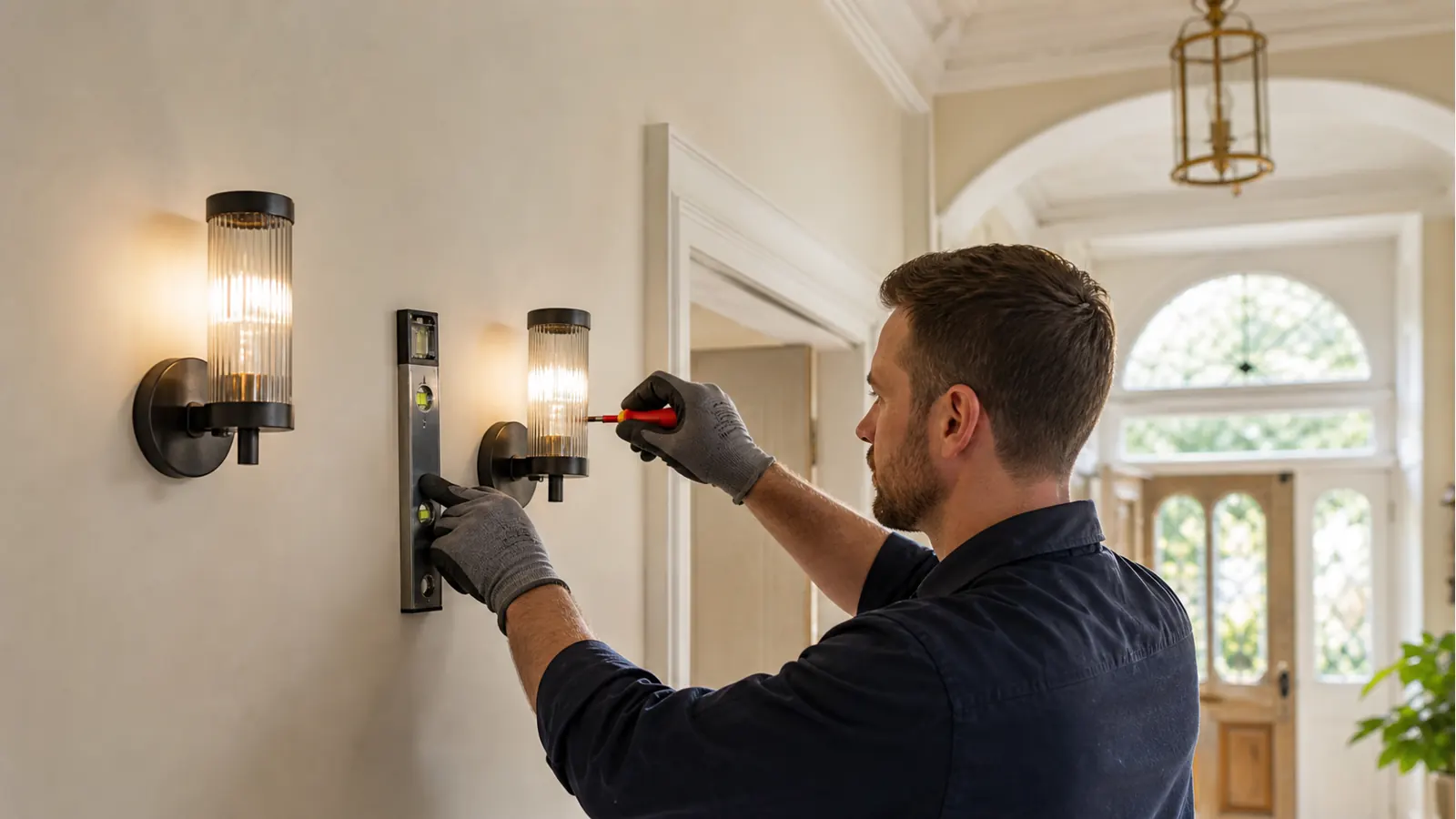
NeedFault · Repair · Installation · Upgrade
AreaLighting · Sockets · Circuit · Consumer unit
PropertyFlat · House · Managed property
Next stepAssessment · Planned work
Material recordSensitive surfaces are identified
Alternative pointA second position is genuinely usable
Shared transitionCommon routes are arranged
Consent ownerOpening decisions remain authorised
Choose by the work required
Electrical service routes for Greenwich
The useful service route may begin with investigation before moving to repair or planned improvement. Apply that distinction to the Greenwich address.
| Problem or requirement | Relevant service | Important boundary |
|---|---|---|
| Assessment of a light near panelling flickers | Electrical fault finding | Sensitive surfaces are identified; findings determine any repair. |
| Accessory work in upper flat using a shared staircase | Switches and sockets installation | Tools must pass through common and private finishes. Position and use remain part of assessment. |
| Lighting change for lower room behind fitted cupboards | Light fixture installation and repair | Empty the relevant cupboard but leave fixed panels untouched. Product, support and controls are reviewed there. |
| Consumer-unit advice linked to the fabric-aware access note | Fuse box replacement | The interior fabric note supplies context, not a replacement decision. |
| A task list spanning working entrance, room and concealed boundary | Electrician services | Opening decisions remain authorised; each agreed outcome remains separately stated. |
Greenwich property context
How to use the fabric-aware access note
Use material names rather than broad claims about the age or style of the building. Mark panelling, plaster, flooring and fitted units that must remain intact, plus any less sensitive alternative position. Where a shared service room is relevant, add its key holder without blending communal responsibility into the private task. The electrician can then explain workable options against the actual finish boundary.
| Property situation | Electrical consideration | Effect on the visit |
|---|---|---|
| Room with decorative wall treatment | The preferred point may sit on a surface reserved from opening. | Label protected areas and offer an acceptable alternative position. |
| Upper flat using a shared staircase | Tools must pass through common and private finishes. | Prepare both parts of the carrying route. |
| Lower room behind fitted cupboards | Storage hides the wall without showing the route behind it. | Empty the relevant cupboard but leave fixed panels untouched. |
| Apartment with a managed service space | The electrical area lies outside the resident’s direct control. | Book the shared space with its proper key holder. |
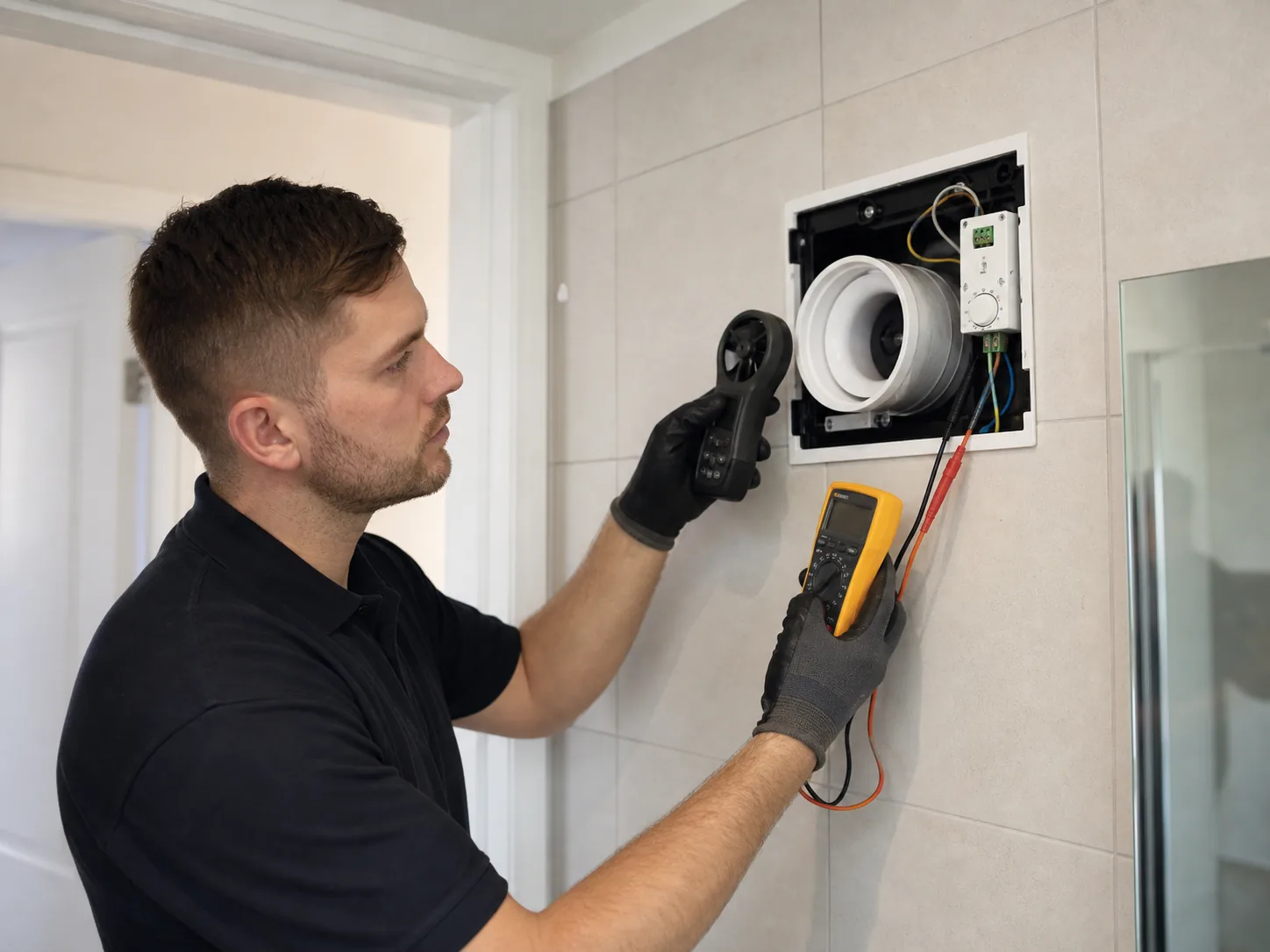
Concise answers about the visit
Before electrical work is booked in Greenwich
Resident and finish owner agree the usable period.
No; they show panelling, plaster and fitted joinery, not concealed condition.
No. Leave them assembled for the electrician.
Label protected areas and offer an acceptable alternative position. Rebook if the dependency remains unresolved.
Yes, through the owner named in the fabric-aware access note.
Common routes are arranged; the quote identifies reinstatement responsibility.
Beside that endpoint in the fabric-aware access note, with owner and status.
Fault notes before diagnosis
Describe what changes in Greenwich
State the observable change and its extent; conclusions should follow inspection rather than wording alone. For Greenwich, keep the account factual.
| Symptom | Appropriate next step | Why assessment matters |
|---|---|---|
| A light near panelling flickers | Label protected areas and offer an acceptable alternative position. Keep fixed parts closed. | The phrase ‘A light near panelling flickers’ describes an effect; The preferred point may sit on a surface reserved from opening. |
| Part of an upper flat loses power | Prepare both parts of the carrying route. Note unaffected points as well. | The fabric-aware access note keeps this report beside lower room or shared service area, where tools must pass through common and private finishes. |
| A socket behind a fitted unit is loose | Empty the relevant cupboard but leave fixed panels untouched. Do not attempt a repair. | What is visible beside panelling, plaster and fitted joinery cannot explain concealed condition; Storage hides the wall without showing the route behind it. |
| A private fault may need service-room access | Book the shared space with its proper key holder. Log only naturally observed changes. | Ordinary timing matters to the interior fabric note, particularly because the electrical area lies outside the resident’s direct control. |
A quotation needs a defined scope
What can change the price in Greenwich
Ask how new findings will be reported, priced and authorised if the original scope changes. The Greenwich property details provide the comparison point.
| Factor | Why it changes the work | Useful evidence |
|---|---|---|
| Material record | Label protected areas and offer an acceptable alternative position. The starting boundary is clear. | Sensitive surfaces are identified along working entrance, room and concealed boundary. |
| Alternative point | Prepare both parts of the carrying route. A missing hand-off becomes visible. | A second position is genuinely usable for resident and finish owner. |
| Shared transition | Empty the relevant cupboard but leave fixed panels untouched. Consent is not assumed. | Common routes are arranged around panelling, plaster and fitted joinery. |
| Consent owner | Book the shared space with its proper key holder. The relevant endpoint remains identifiable. | Opening decisions remain authorised in the interior fabric note. |
| Decision record | The fabric-aware access note routes any change to the correct person. | A named owner for which surfaces may be approached. |
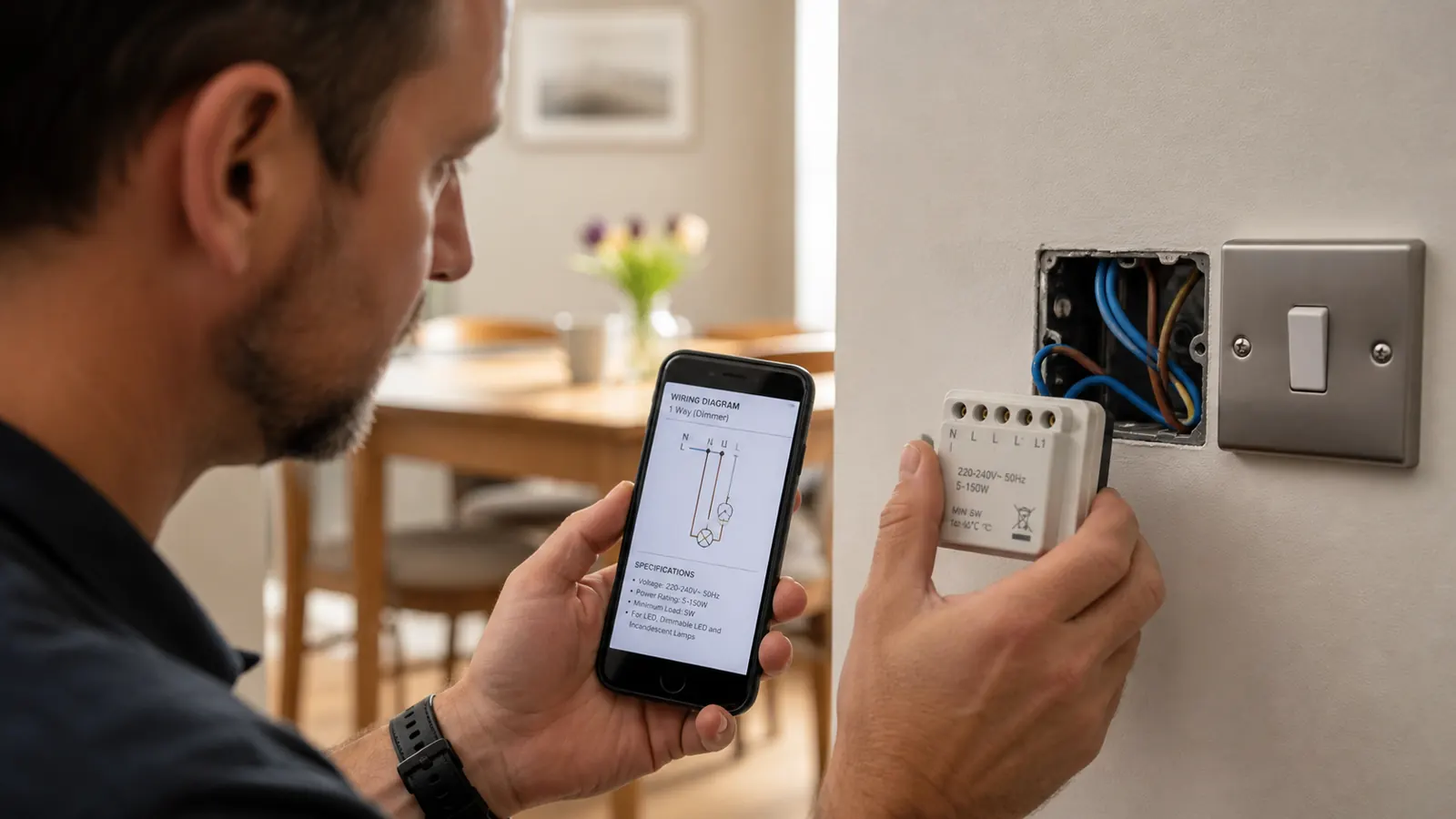
Before the visit
Give the electrician a clear starting point in Greenwich
- Send the fabric-aware access note, including ‘Sensitive surfaces are identified’.
- Ask when resident and finish owner can respond.
- Follow this preparation point: Label protected areas and offer an acceptable alternative position.
- Add Lower room behind fitted cupboards to the interior fabric note.
- Remove obsolete choices from notes about careful access period.
- Use ‘Common routes are arranged’ as the finish check.
- Name the person responsible for which surfaces may be approached.
Safety boundary
Stop using visibly damaged electrical items
For a Greenwich address: Burning smells, heat damage, sparking, exposed conductors or repeated protective-device operation need professional attention. Keep away from damaged parts, do not remove covers, and call the emergency services if there is smoke, fire or immediate danger.
Greenwich electrical FAQ
Questions for a properly bounded appointment in Greenwich
What belongs in the fabric-aware access note?
Include working entrance, room and concealed boundary, ‘Sensitive surfaces are identified’ and the owner of which surfaces may be approached. Avoid unsupported conclusions.
How should ‘A light near panelling flickers’ be described?
Add timing and ordinary use to the interior fabric note, then note unaffected points once.
Who verifies working entrance, room and concealed boundary?
Resident and finish owner check the sections they control; the preferred point may sit on a surface reserved from opening.
How is panelling, plaster and fitted joinery prepared?
Empty the relevant cupboard but leave fixed panels untouched. Wide photographs can show the agreed protection boundary.
What connects lower room or shared service area to the brief?
Opening decisions remain authorised beside a route note and description of normal use.
Which records support the interior fabric note?
Use dated observations and relevant documents; common routes are arranged.
How does careful access period shape attendance?
The electrical area lies outside the resident’s direct control. Choose a realistic starting period before discussing duration.
What if working entrance, room and concealed boundary proves unsuitable?
Book the shared space with its proper key holder. The owner of which surfaces may be approached can consider an alternative.
Who receives unfinished lower room or shared service area actions?
Resident and finish owner assign the next step through the fabric-aware access note.
How can Greenwich quotations be compared?
Match the interior fabric note, ‘A second position is genuinely usable’, finish responsibility and which surfaces may be approached.
Nearby electrical assessment information
Electrical coverage around Greenwich
Agree responsibilities before the electrical work
Prepare the Greenwich fabric-aware access note
Share working entrance, room and concealed boundary, careful access period, the observed issue and the owner of which surfaces may be approached before the electrician attends.
