
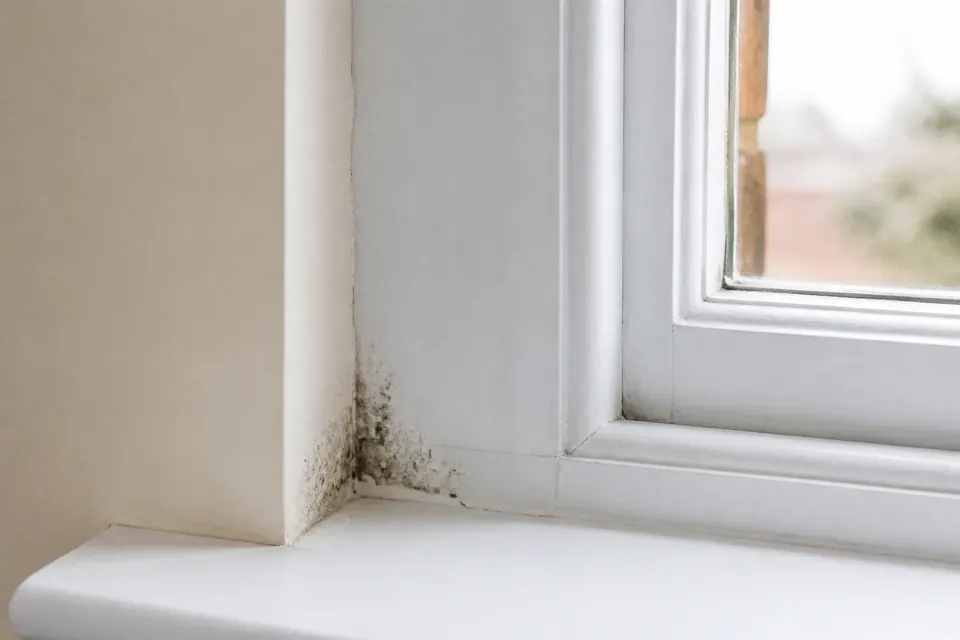
A window wall near a service pipe
Show the patch and the nearby feature without assigning a route for water. Include actual window observations separately if relevant.
Grays / WALLS BESIDE SERVICE ROUTES
Do not let the nearest pipe become the diagnosis.
A wall mark beside a service route can prompt a leak suspicion without confirming it. For Grays, check postcode availability and describe the accessible finish, actual water observations and known repairs separately before a treatment scope is discussed.
Wall extent · observed water · confirmed repair
01 / LOCATE THE ISSUE
Select the room and identify the finish. Nearby pipes or boxing should be described as context rather than treated as an established source.
Show the patch and the nearby feature without assigning a route for water. Include actual window observations separately if relevant.
State whether a leak is confirmed, repaired or only suspected. Describe paint, panel or sealant condition rather than treating the whole area as one plumbing task.
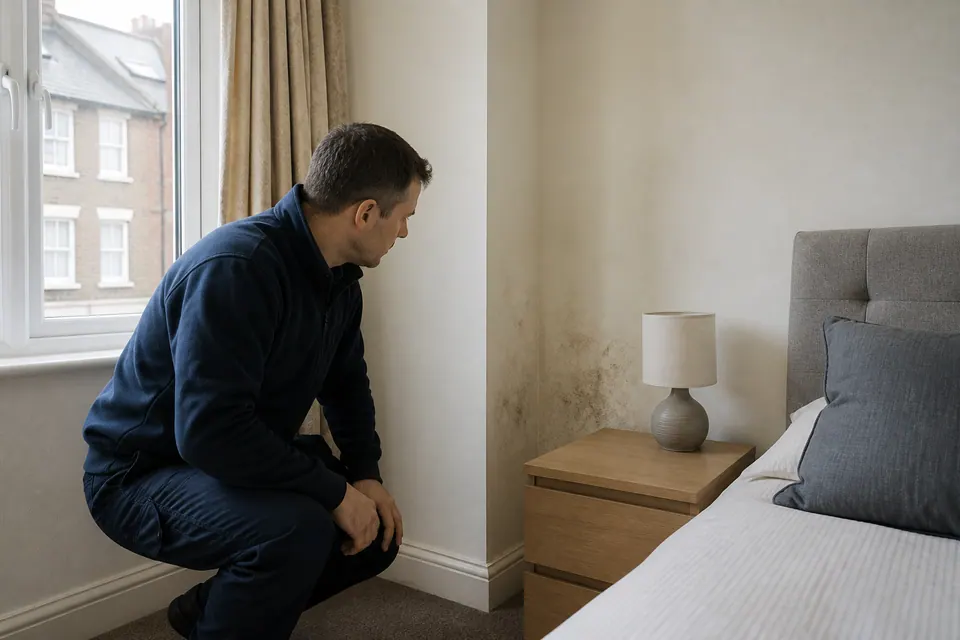
Show the accessible room finish and explain the boxing. Do not remove it to identify a concealed condition for the enquiry.
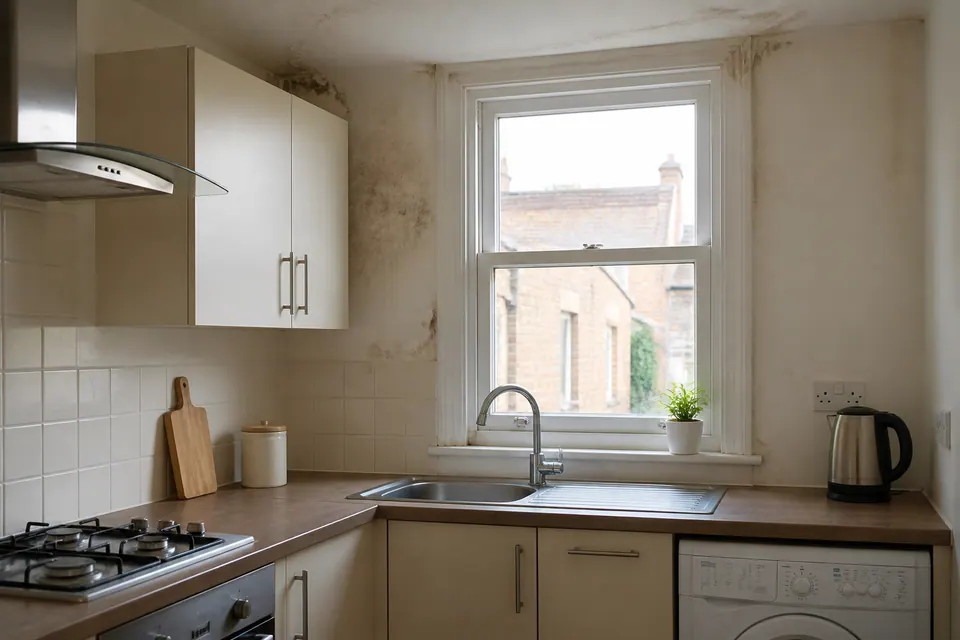
Provide known repair details and current observations. The presence of a pipe does not establish its condition or make repair part of surface removal.
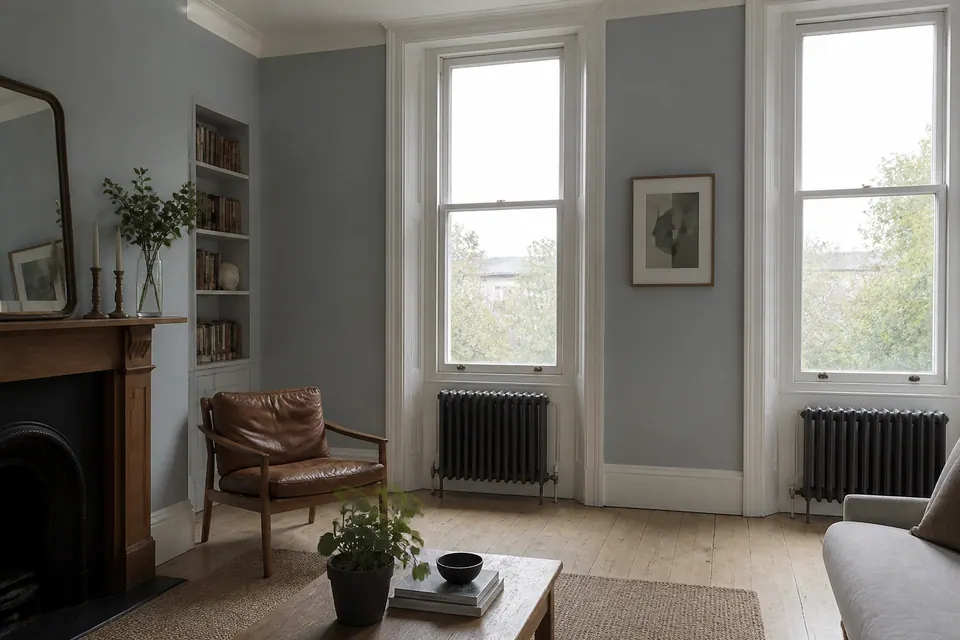
Identify what is known about the route and what is uncertain. Avoid drawing a concealed leak path from the shape of a mark.
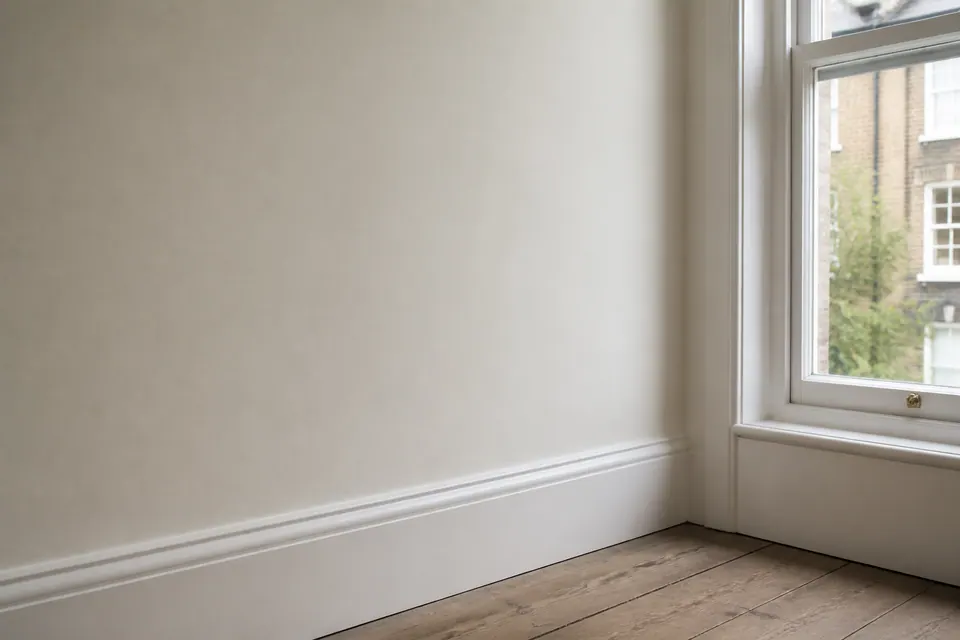
Use a safe room-wide image and separate observed damage from the suspected source. Opening the ceiling needs its own scope.
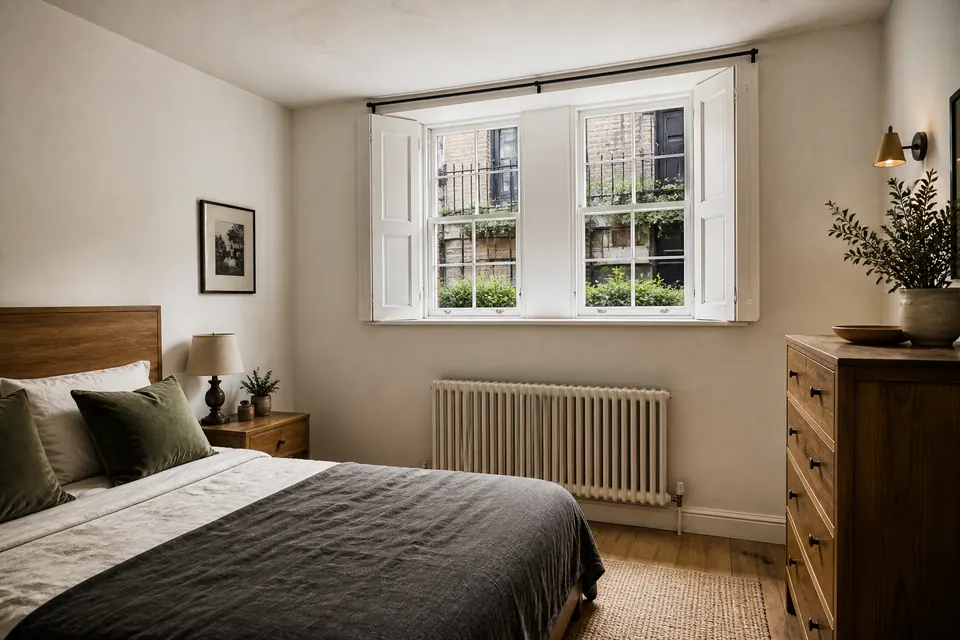
Describe the normal opening and accessible finish. Pipe inspection or panel removal should not be assumed because the cupboard can be entered.
These distinctions support assessment without converting proximity or suspicion into a confirmed plumbing diagnosis.
Grays / THE PROPERTY BRIEF
The visible finish is not the concealed pipework.
Confirm availability for the full Grays postcode and provide a wider room view with the affected surface. If a repair has taken place, state what is known about it; if a leak is merely suspected, say so. Ask which parts concern suitable removal and which need separate plumbing, access or building investigation before work is arranged.
03 / SEPARATE THE QUESTIONS
Assessment should distinguish the wall condition from evidence about pipework and any unresolved water question.
| Observation | Relevant evidence | What remains to clarify |
|---|---|---|
| Marks beside exposed pipework | Whether water has actually been seen | Is the pipe related to the concern? |
| A patch near boxed services | Known route and access limits | Does concealed investigation need another scope? |
| Wall change after a confirmed repair | Repair details and current material | Is the surface suitable for treatment now? |
| Recurring marks without observed water | Timeline and previous work | What moisture questions require assessment? |
Leak tracing, repair, opening boxing and reinstatement require separate agreement where needed. Do not infer them from a quotation for suitable visible growth on the room finish.
A wall image can show marks without establishing the condition of a nearby or concealed service.
| Question | Mould | Damp |
|---|---|---|
| What can be described? | Visible growth-like change on the finish | Actual water or confirmed repair information |
| What is not established by proximity? | The cause of the surface change | The condition of the nearest pipe |
| Why keep the distinction? | Treatment needs material and extent information | Plumbing may require another assessment |
| What should be agreed? | Suitable accessible surface work | Any separately required leak or access task |
04 / DIRECT ANSWERS
No. Report actual water observations and known repair history separately from the pipe’s position.
Do not cover current evidence to simplify the appearance. Clarify the surface and unresolved water questions before separate decoration.
The cause is not established from that observation alone. Provide the history and current finish for assessment rather than selecting an explanation.
Discuss the unresolved concern first. The appropriate sequence may depend on information or work outside the surface-removal scope.
Not automatically. Opening construction and any repair or reinstatement need a separately agreed appropriate task.
Describe the material and deterioration. Replacement or specialist work may be needed rather than assuming suitable surface treatment.
No. Give the repair details and current condition so material suitability can be considered separately.
Do not assume leak tracing or a structural investigation is included. Ask exactly what assessment the proposed service covers.
05 / QUOTATION, NOT GUESSWORK
For Grays, confirm postcode coverage and submit the wall evidence with reliable water history. The quotation should identify suitable surface treatment and exclude unagreed leak tracing, repairs or opening-up.
Read the main service boundaries ↗| Current condition | Quotation route | Separate question |
|---|---|---|
| Limited suitable accessible growth | Photographs may support a quote | Any unresolved water concern |
| Returning or multiple wall areas | Assessment informs the proposal | Relevant history for each surface |
| Damage or complex moisture issue | Specialist quotation may be needed | Repair, tracing or opening-up scope |
Confirm availability and explicit inclusions before booking. A surface price does not certify pipework or include every task needed to investigate a suspected leak.
06 / A CONTROLLED APPROACH
Identify material, extent and current condition. Keep a suspected leak distinct from confirmed observations or repair records.
Clarify access around services and any separate prerequisite. Do not remove boxing or touch pipework merely to expose more wall.
Follow the agreed room-surface scope. New damage or unresolved water may require a different decision before further work.
Record the treated finish and any separate plumbing or concealed concern. Avoid implying that nearby services were inspected or repaired.
The sequence does not promise leak tracing, pipe repair or complete building diagnosis.
Keep the service route as context, not a conclusion.
Do not add unagreed opening-up tasks.
Distinguish surface outcome from plumbing status.
The diagrams are illustrative and do not document customer leak repairs or certify concealed service conditions.
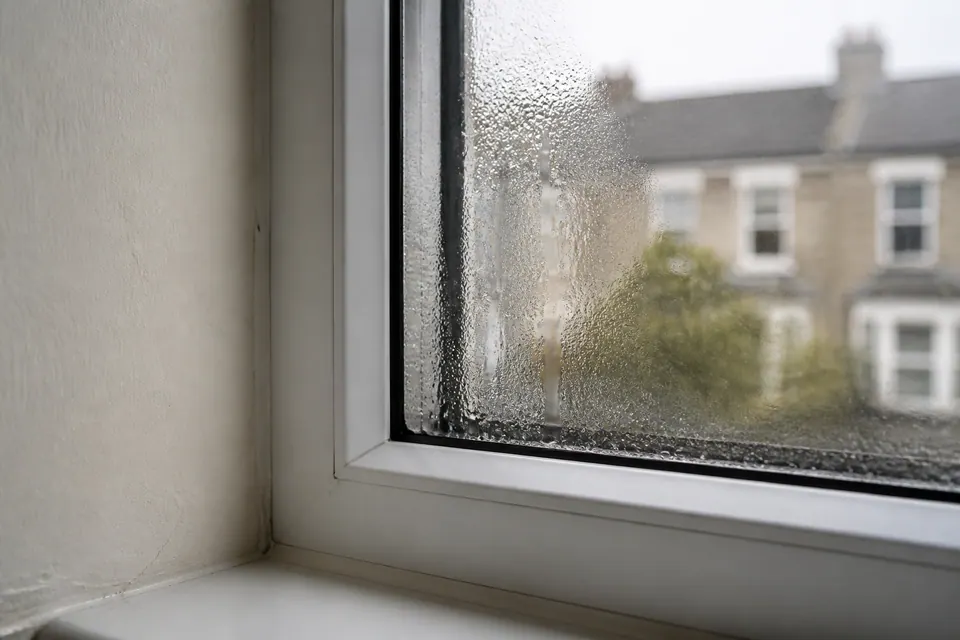
07 / WHEN IT COMES BACK
If marks return, state whether any water was actually observed or any repair occurred between visits. Do not turn a renewed suspicion into a confirmed leak without evidence.
The current finish may need assessment while a separate service question remains open. Record the two concerns clearly rather than assuming another surface application includes tracing the source.
It helps distinguish completed work from a task that was only suggested or requested.
08 / ROOM-BY-ROOM CONTEXT
Identify the visible finish and actual water history. Plumbing repair and damaged-panel replacement are separate decisions.
Show boxed routes as context and describe the room surface. Do not open construction for the enquiry.
Give confirmed repair status and current material condition. Nearby pipes do not establish a leak by themselves.
State what is known about service routes and what is guessed. A mark’s shape should not be treated as a water-path diagnosis.
Confirm authorisation and the relevant building contact. Private surface work does not automatically cover shared pipe systems.
Provide actual observations and floor level without assigning a damp type. Concealed water concerns may require separate assessment.
Grays / ACCESS & PEOPLE
Show its position without assigning it as the cause. Treating the wall does not include checking or repairing the pipe beside it; agree any plumbing task separately.
State the access limitation. Removing boxing or checking hidden construction is not automatically part of removal.
Provide confirmed details relevant to the affected area. A repair elsewhere in the property may not explain the current wall.
Share factual observations and known history with the authorised contact. Do not open service boxing to establish responsibility for a repair.
Connect maintenance information to the actual room and task. Avoid presenting a suspected leak as a completed diagnosis.
Ask which immediate surface work is suitable and which water question needs another specialist. Keep the contracts and sequence clear.
Grays / PLAN THE APPOINTMENT
Confirm availability at the full Grays postcode before arranging a visit. Send the accessible finish and known water or repair history so the appropriate scope can be discussed.
The map provides town context only, not coverage confirmation, a local office or a plumbing-service guarantee.
Load the Grays map when discussing location.
Grays / BEFORE BOOKING
Keep a nearby service separate from evidence of a confirmed leak.
No. Its position is context rather than proof. Describe actual water observations and known repairs separately.
No. Request availability for the full postcode before planning access or a visit.
Do not open construction for the enquiry. Explain the concealed concern and ask whether another assessment or access task is needed.
Provide the confirmed task and date where known. It does not automatically establish the current wall condition or complete drying.
No. Ask for that scope separately rather than interpreting surface removal as a plumbing investigation.
State it as a suspicion and explain the observation behind it. Do not present a guessed source as a completed diagnosis.
Replacement is not automatic. Describe the deterioration and request explicit confirmation of any separate material work.
Report that before arranging treatment. An unresolved condition can affect the appropriate sequence and suitability.
No. The surface outcome and the condition of the service are different matters requiring their own evidence.
KEEP THE WATER HISTORY FACTUAL
Send the postcode, current surface view and confirmed observations. Check availability and clarify any separate plumbing or access question before assuming a complete repair scope.
The scenes illustrate property contexts and are not records or certifications of customer pipework repairs.
