
Can several materials be included in one enquiry?
Yes, but identify them separately. Ask which are suitable for treatment and which require another decision rather than assuming uniform work.
Romford / MATERIAL-BY-MATERIAL EVIDENCE
A single house is not one uniform surface.
Painted plaster, wallpaper and timber can carry marks in the same property while presenting different treatment limits. For Romford, identify each finish and its current condition so a combined enquiry does not promise one method or cosmetic outcome for every material.
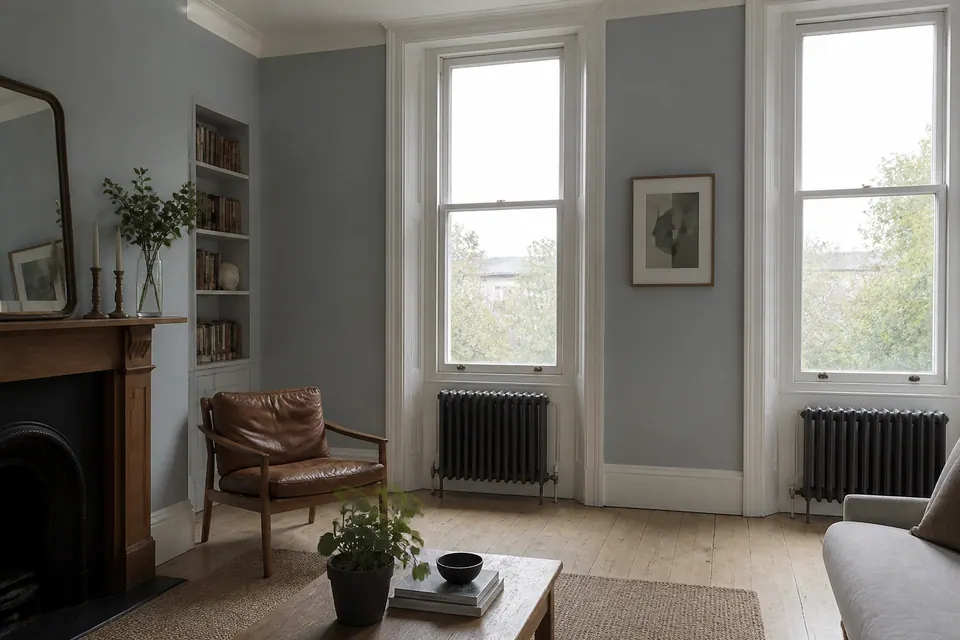
Plaster · covering · timber · current condition
01 / DIRECT ANSWERS
Yes, but identify them separately. Ask which are suitable for treatment and which require another decision rather than assuming uniform work.
A decorative match is not guaranteed by growth removal. Repair or decoration needs a separate plan based on the condition of each material.
Do not assume so. Record the timeline for each surface and any known moisture event rather than transferring one explanation across the house.
The materials and access matter as well as extent. Different finishes can change preparation and the proposed work within the same room.
Ask for preparation advice. Do not remove wallpaper, trim or affected belongings merely to make the surfaces look uniform before assessment.
No identical result should be assumed. Identify deterioration and ask whether replacement or other material work is outside the surface scope.
Provide separate detail views and a wider context image. Suitability and repair needs may differ at that joint.
Not automatically. Damaged material may require replacement or specialist work beyond removing suitable growth from an accessible surface.
02 / SEPARATE THE QUESTIONS
Material identification helps define suitable work, but it does not identify the moisture source by itself.
| Observed finish | Relevant detail | What needs assessment |
|---|---|---|
| Painted plaster carrying spots | Whether paint is intact or lifting | Suitability of the current surface |
| Wallpaper with marked edges | Any visible separation or damage | Whether removal or another scope is needed |
| Timber beside a damp-looking reveal | Known water history and coating condition | Growth treatment versus repair or refinishing |
| Unknown board or layered covering | What is visible without opening it | Material identification before a proposal |
Replacement boards, wallpaper removal, joinery repair and redecoration need separate agreement. A quotation should not promise that every affected finish can be preserved or made identical.
The visible surface and the condition of its substrate should not be treated as the same question.
| Question | Mould | Damp |
|---|---|---|
| What is observed? | Marks or growth on the exposed material | Wetness or moisture-related deterioration |
| What can remain uncertain? | Whether the finish is suitable for treatment | Whether an underlying material remains wet |
| Why does the distinction matter? | Removal may not restore a damaged covering | Moisture can require repair or investigation |
| What should be agreed? | A suitable scope for each accessible finish | Any separate material or water-related work |
03 / ROOM-BY-ROOM CONTEXT
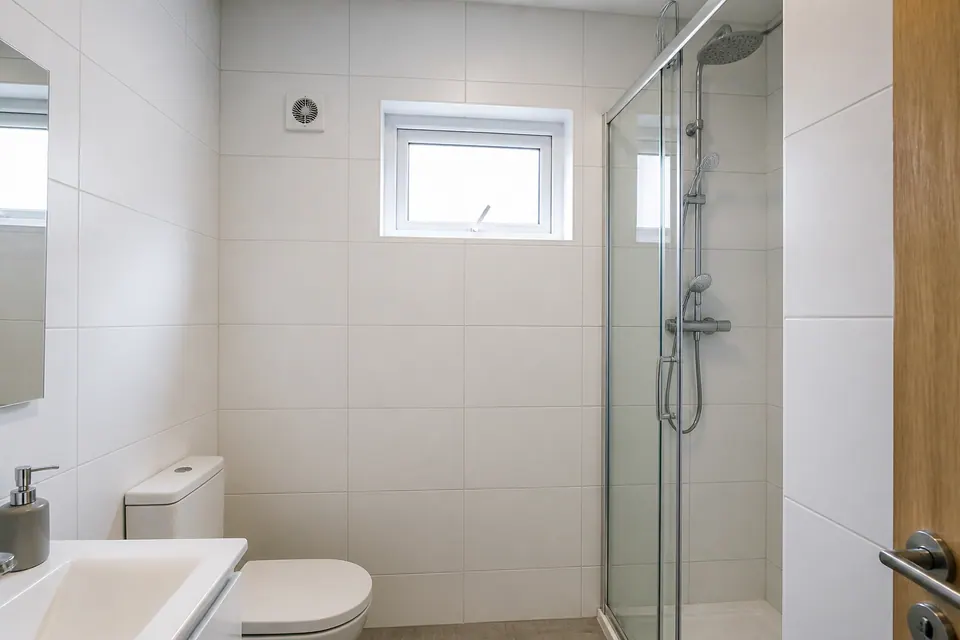
Separate paint, sealant, panels and other affected surfaces. The quotation should not treat every bathroom material as equivalent.
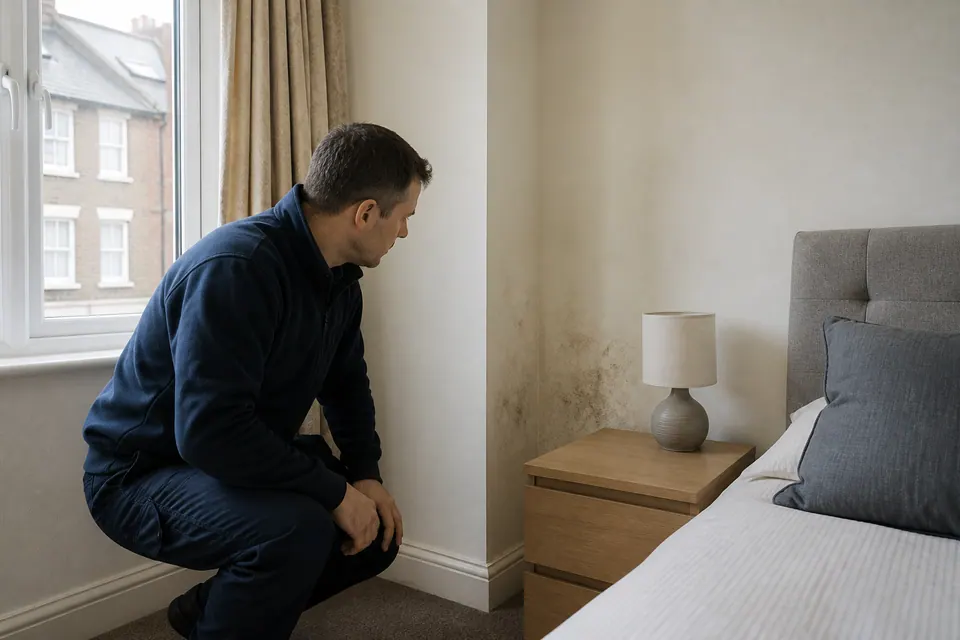
Identify wallpaper or painted areas and show any lifting. Ask about material suitability before expecting an unchanged decorative finish.
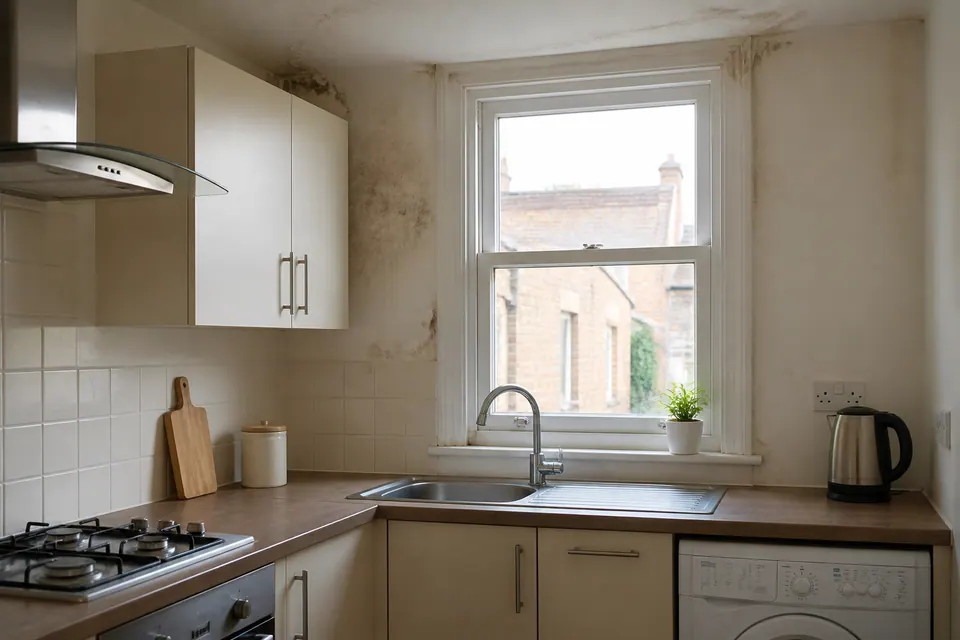
Distinguish unit panels, tile and room walls. Known water history belongs beside the relevant material reference.
Describe decorative coverings or trim where known. Avoid guessing a substrate hidden beneath an existing layer.
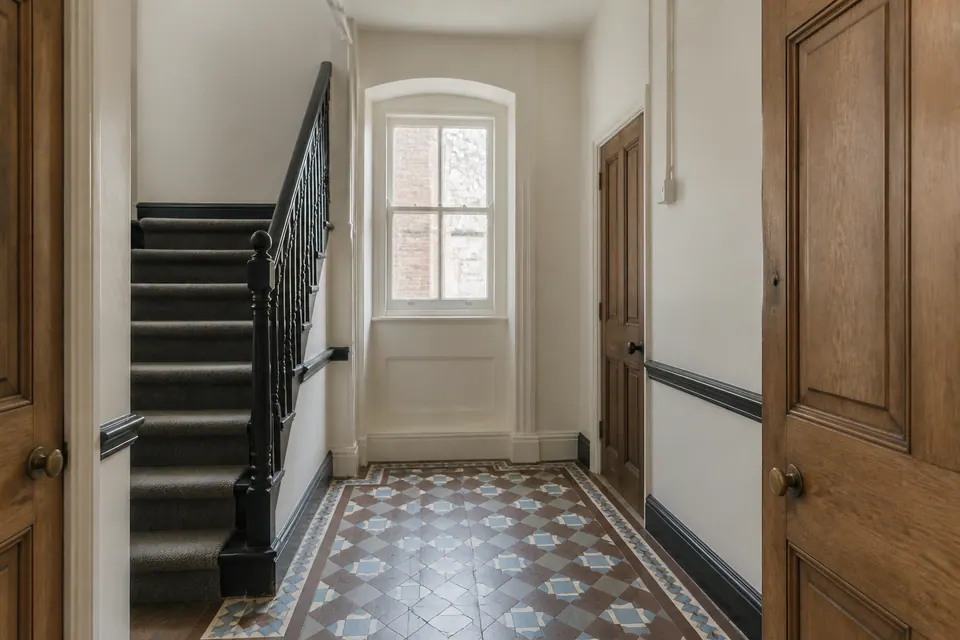
Record both finish and access boundary. Common parts need authorisation independently of a similar material inside the dwelling.
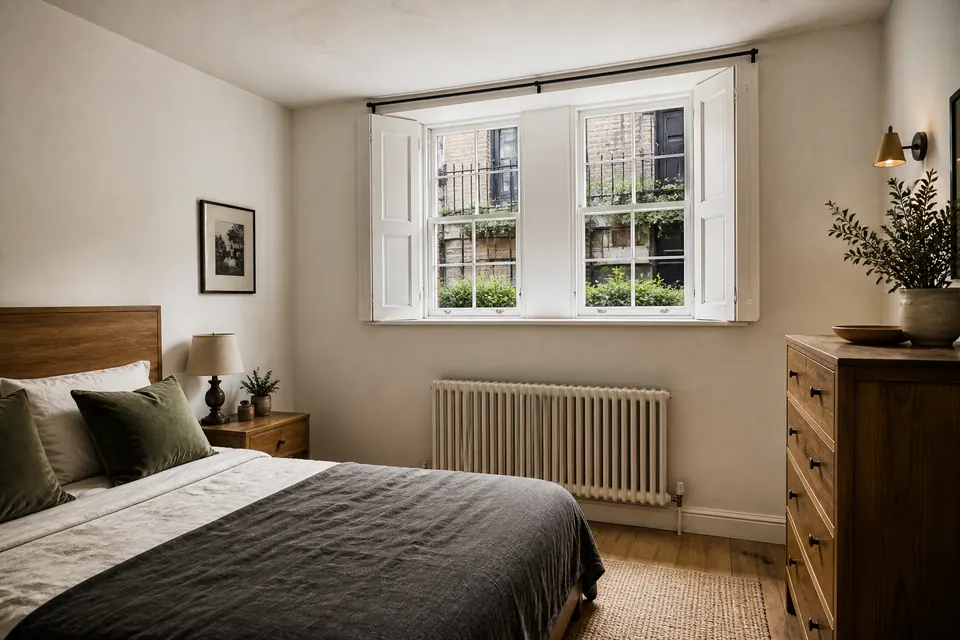
Include observed moisture and material condition. The room level does not by itself determine suitability or replacement needs.
Romford / THE PROPERTY BRIEF
The finish list keeps the combined scope honest.
If several Romford rooms are affected, identify each material before grouping them under one visit. A bedroom wall covering may need different consideration from painted bathroom plaster or window timber. State where the material is unknown and keep restoration expectations separate from removal of suitable visible growth.
05 / QUOTATION, NOT GUESSWORK
For Romford, send a finish schedule with room-labelled photographs. The proposed price should distinguish suitable surface work from damaged covering, uncertain material or repairs rather than rely on a single whole-house treatment assumption.
Review the service quotation scope ↗| Material condition | Quotation route | Evidence needed |
|---|---|---|
| Limited suitable accessible finish | Photographs may inform pricing | Material, extent and clearance |
| Several or recurring finishes | Assessment defines the work proposed | A separate entry for each surface |
| Damaged or unidentified material | Specialist quotation may be needed | Deterioration and identification limits |
Confirm which finishes are included and what outcome is realistic for each. A combined price should not conceal an excluded material or imply that every surface will look newly restored.
Romford / ACCESS & PEOPLE
Show the coating’s condition and surrounding intact portion. A sound-looking patch and loose paint may not have the same limits.
Identify what is known without removing it. A covering’s cosmetic appearance should not be promised before assessment.
Describe joints, coating and visible damage. Repair, refinishing or panel replacement are not automatically surface removal.
Provide the room and material list to the authorised contact. Do not strip a covering to establish an unassessed claim about the wall beneath.
Share known decoration or replacement history for the relevant finish. A property-wide maintenance label may not identify the present materials.
Decide which enquiries concern removal and which concern restoration or replacement. Ask for exclusions before planning the decorative work.
07 / LOCATE THE ISSUE
Choose the room, then describe the material carrying the marks. A room label alone cannot establish whether the same approach suits every affected area.
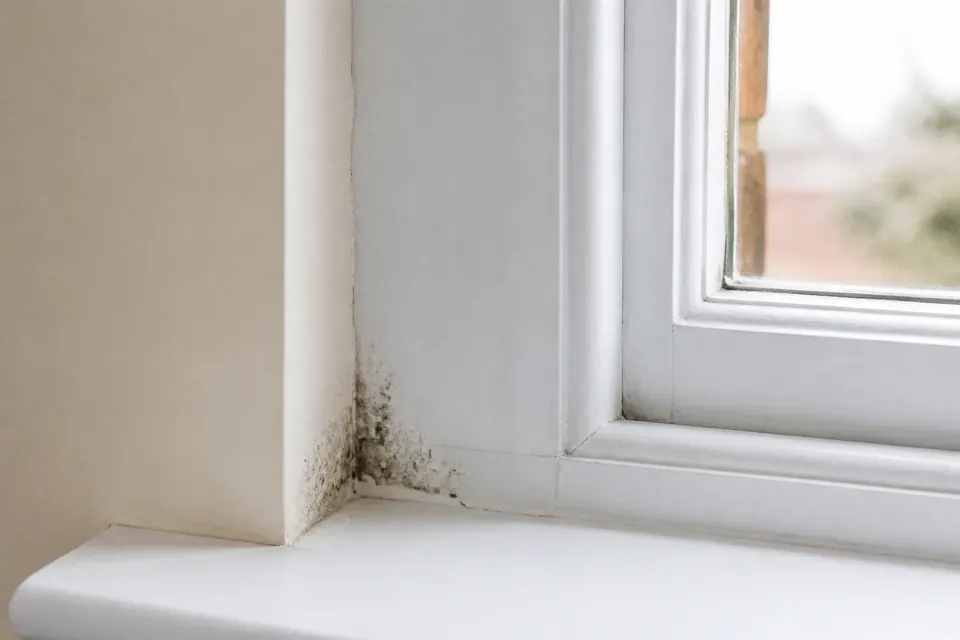
Show the meeting point and identify which material is marked. Include paint condition rather than treating the entire surround as a single finish.
Separate each affected material in the enquiry. Deteriorated sealant or board may need replacement or another scope instead of ordinary surface treatment.
State where the covering changes and whether it is lifting. Do not peel it back to establish the hidden wall condition for a quotation.
Distinguish cabinet material from plaster or tile. A visible mark crossing a joint does not guarantee one method is appropriate across both sides.
Describe textured covering, paint or trim only as known. A delicate finish should be flagged before any cosmetic result is assumed.
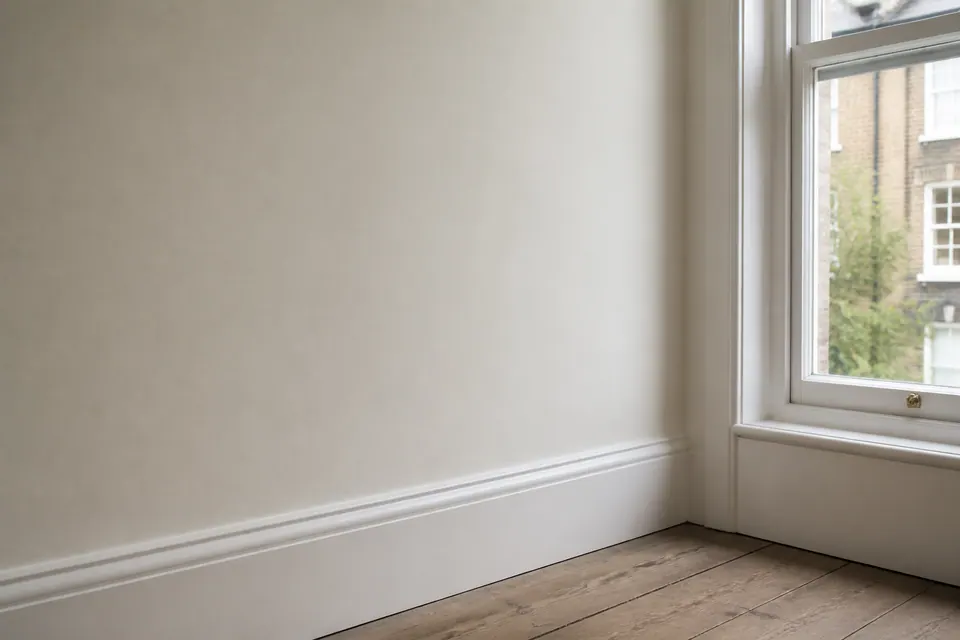
Explain uncertainty and show existing visible edges without removing material. An unknown substrate can require assessment before treatment is proposed.
Identify the exposed panel separately from any suspected wall behind it. Do not present the concealed substrate as already assessed.
These descriptions establish questions, not automatic treatment instructions. Suitability and realistic outcomes depend on the actual condition.
08 / A CONTROLLED APPROACH
Match each photograph to the room and material. Record unknown coverings and deterioration instead of assuming they are ordinary painted plaster.
Clarify what should remain in place and what needs an approved preparation step. Avoid peeling or scraping to simplify the enquiry.
Follow the suitable agreed work for each accessible surface. A change in material can require another decision rather than automatic continuation.
Distinguish remaining staining, damaged covering and repair needs for each finish. Do not describe all materials as having an identical result.
The sequence makes limitations clear without promising complete restoration of every surface.
State where the material remains uncertain.
Keep replacement and decorative work separate.
Explain what treatment did and did not address.
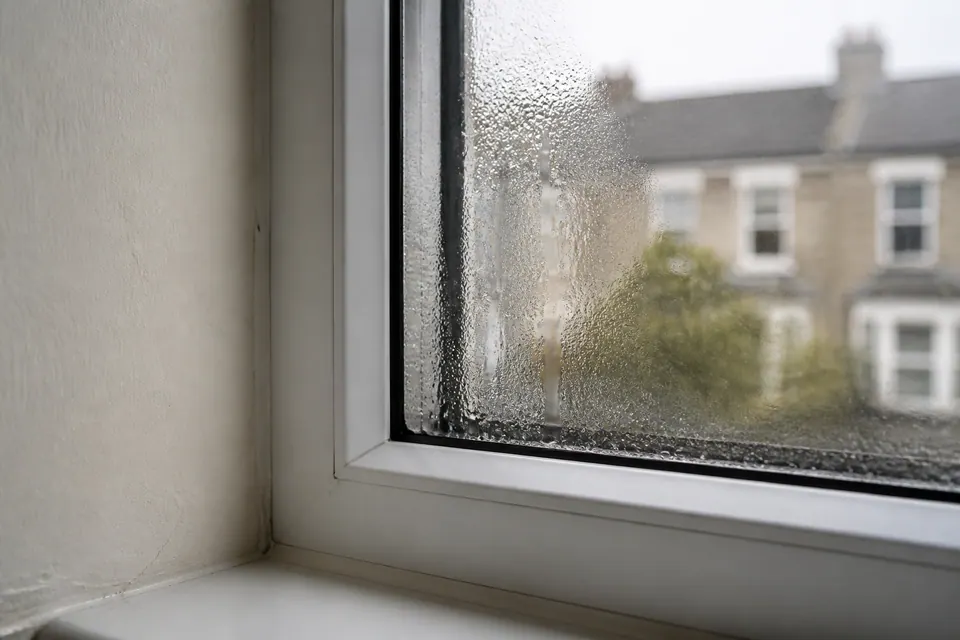
The illustrations explain stages, not customer results or a guarantee that different materials will have matching cosmetic outcomes.
09 / WHEN IT COMES BACK
If marks return, identify the particular material and room rather than reporting the whole house as unchanged. Use the earlier surface references to compare extent and timing.
A returning wallpaper edge and a stable painted wall can raise different questions. Moisture context, material deterioration and previous work should remain distinct in the follow-up assessment.
It helps avoid repeating a method on a finish simply because another surface in the property received it before.
Romford / PLAN THE APPOINTMENT
Provide the Romford postcode and room-labelled material schedule with the photographs. Confirm availability and access for the surfaces being proposed.
The map locates the area; it does not establish that every material or restoration request is covered.
Load the local map for address planning.
Romford / BEFORE BOOKING
Identify the actual finish and leave uncertain substrates open for assessment.
State that it is unknown and show the visible surface and existing edges. Do not peel layers back just to supply a name.
Yes, with a wider image showing their relationship. Their condition and appropriate scope may differ even at the same window.
Do not assume a preservation outcome. Describe its condition and ask what is suitable; damaged covering may need separate replacement work.
Not necessarily. Request clear inclusions and limitations for each material rather than interpreting a combined quote as uniform treatment.
Report the visible deterioration without probing it. Material work beyond surface removal may need assessment before a proposal is made.
Ask for preparation instructions first. Removing material can change the evidence and may be outside the agreed scope.
Not automatically. Confirm repair and redecoration separately, including any realistic limitations on a matching finish.
No such assumption should be made. Identify the uncertainty so suitability can be reviewed before the work is agreed.
Use the room and material reference for each returning area, with its own timeline. Avoid applying one surface’s history to all the others.
LET THE FINISH DEFINE THE QUESTION
Send the postcode, room references and the finishes you can identify. Flag unknown or damaged areas so the proposed work does not rely on a one-material assumption.
The property images are illustrative and do not demonstrate completed treatment on customer materials.
