
The dining table became a desk
Secure work materials before asking for the tabletop to receive attention.
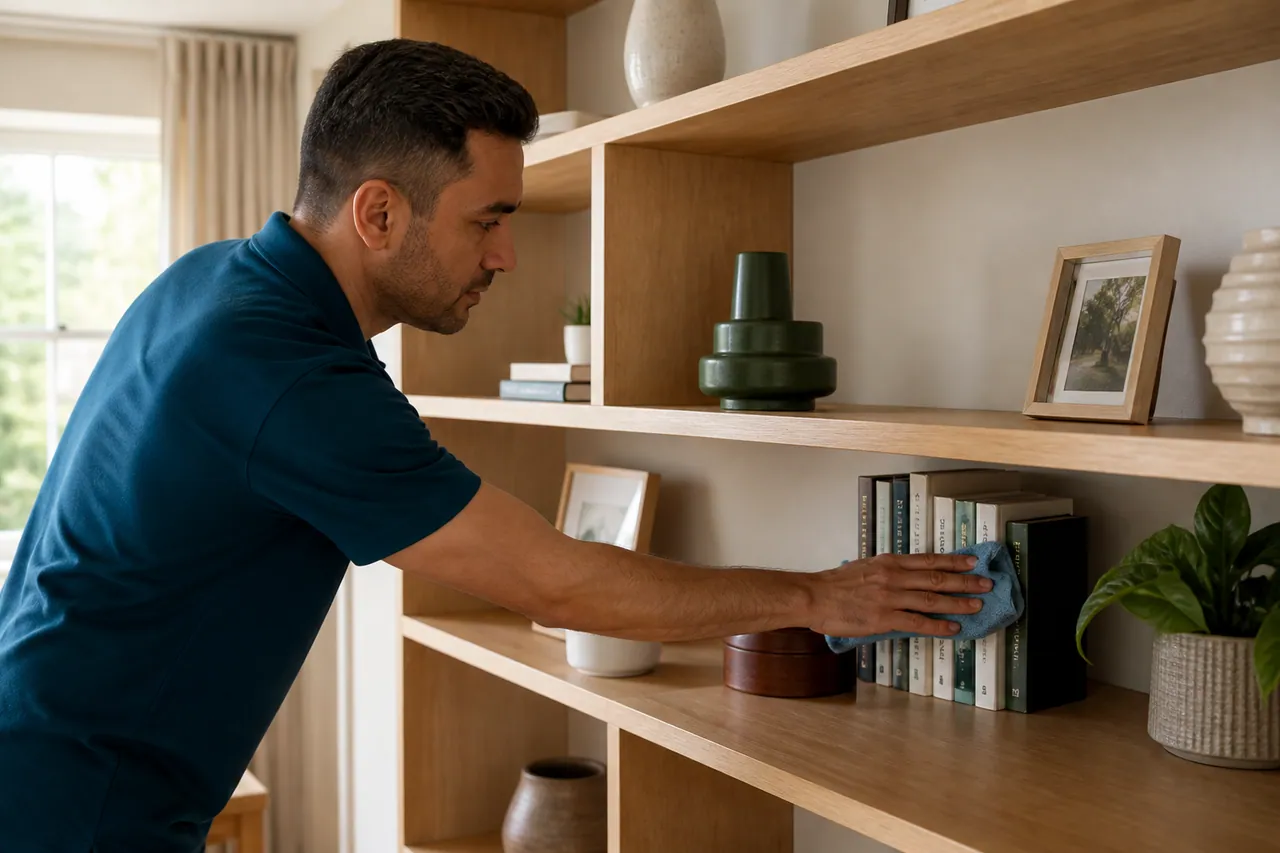
BELONGINGS FIRST
You choose where things live. We assess the exposed surfaces.
Explore the room’s priorities ↓These scenes are illustrative and do not represent a particular Hackney customer’s home.
WHEN FUNCTIONS OVERLAP
Secure work materials before asking for the tabletop to receive attention.
Describe affected furniture exteriors and floors without assuming fabric treatment.
Clear appliances and belongings only where safe, and explain what remains fixed.
Put loose items away before the accessible floor can be assessed realistically.
Distinguish your sorting tasks from the domestic cleaning you want afterwards.
Decide together which surfaces take priority and which possessions remain untouched.
HACKNEY / MIXED-USE INTERIORS
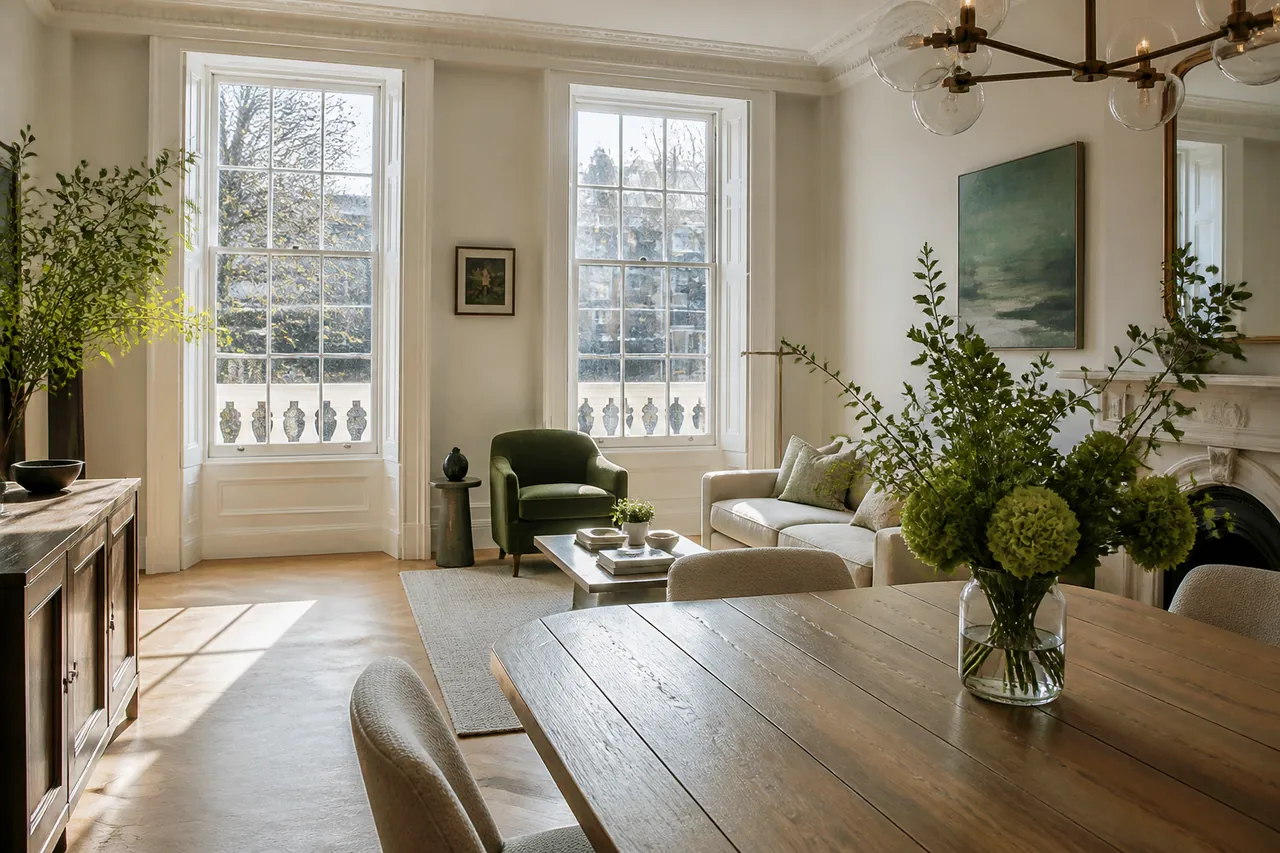
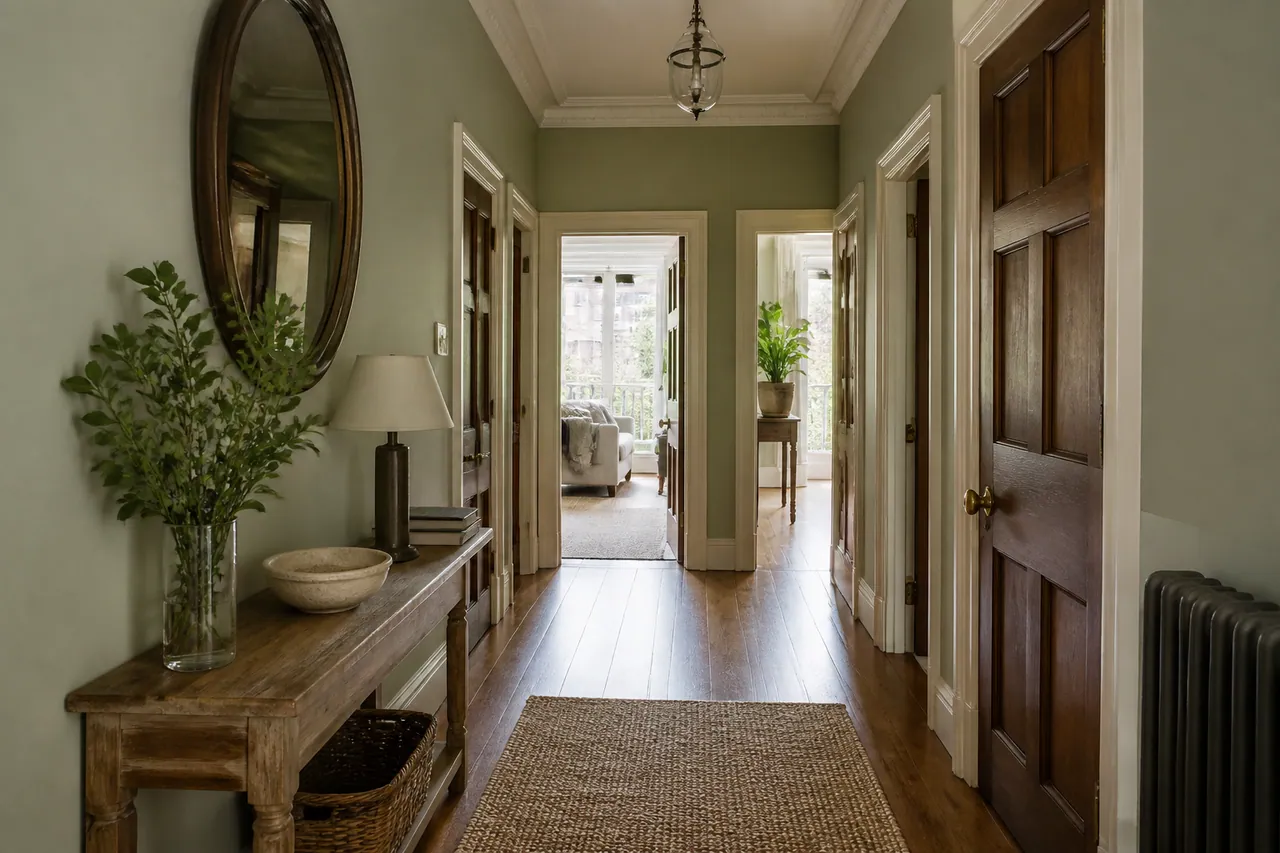
For your Hackney home, explain whether the same table supports meals, paperwork and daily storage. Identify the domestic surfaces you can expose and any equipment that must remain untouched. This avoids treating a multi-use room as empty space.
Let the household handle the sortingPut away private papers and decide where loose belongings belong. Cleaning should not depend on someone else making those decisions for you.
Show what remains fixedPhotograph large furniture and protected equipment in position. The request can then recognise the available reach rather than assuming everything will be moved.
ONE ROOM, SEVERAL SURFACES
SURFACES WITH SEVERAL USES
The room may have one name but several activities. Describe the accessible household surfaces involved.
FOOD PREPARATION
Do not extend kitchen cleaning into occupied storage or appliance interiors without a specific arrangement.
SHARED WASHING SPACE
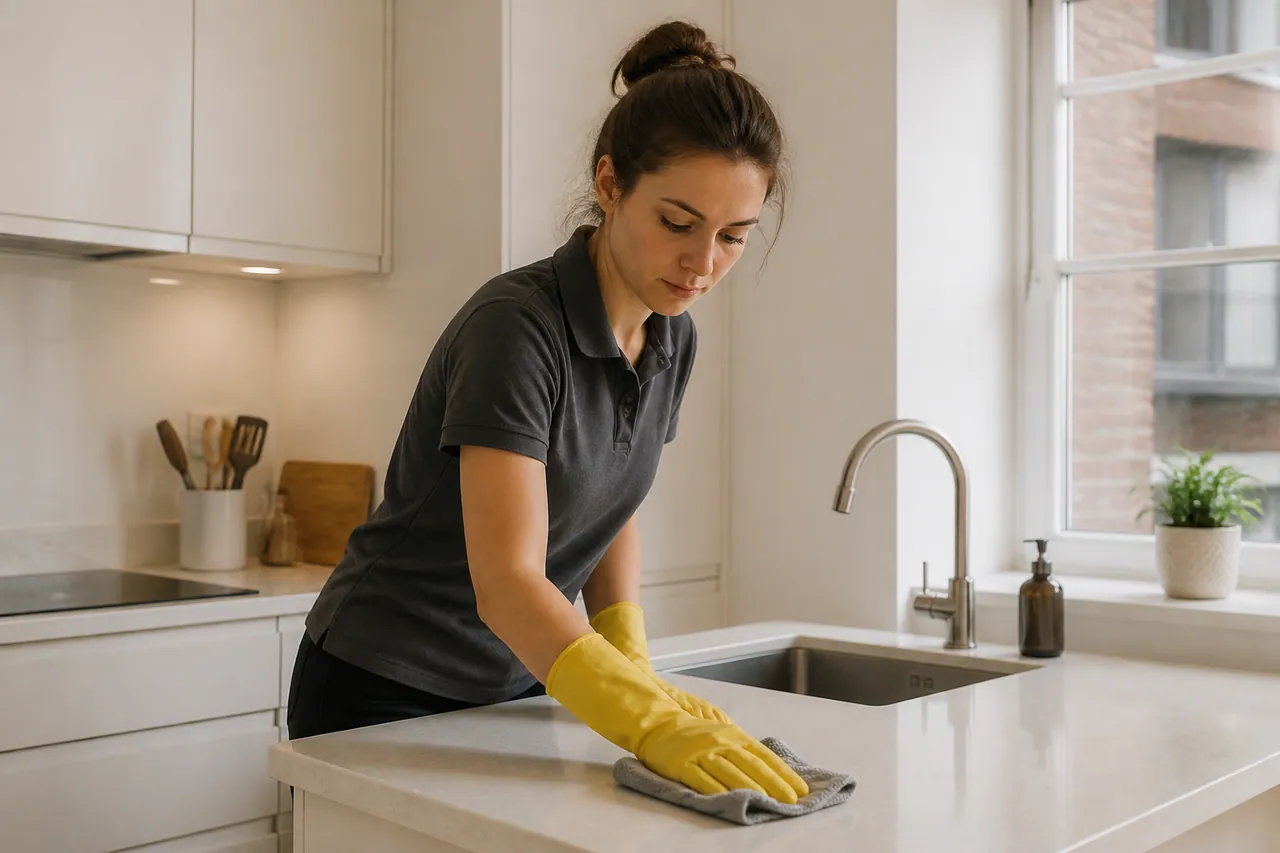
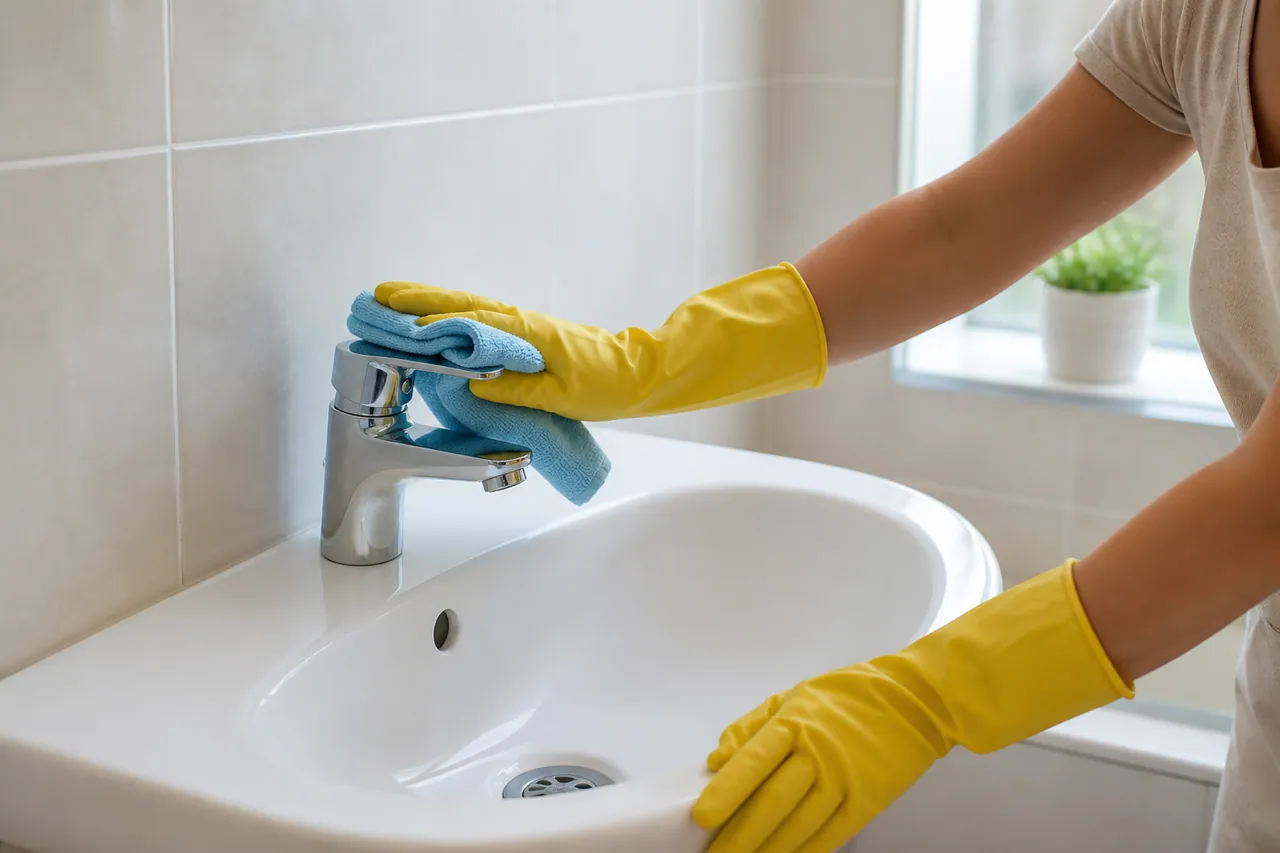
Put personal products away from requested surfaces; sorting toiletries is not automatically part of cleaning.
MULTI-PURPOSE LIVING
Cleaning a desk surface does not authorise handling documents, disconnecting equipment or treating upholstery.
PRIVATE AND SHARED USE
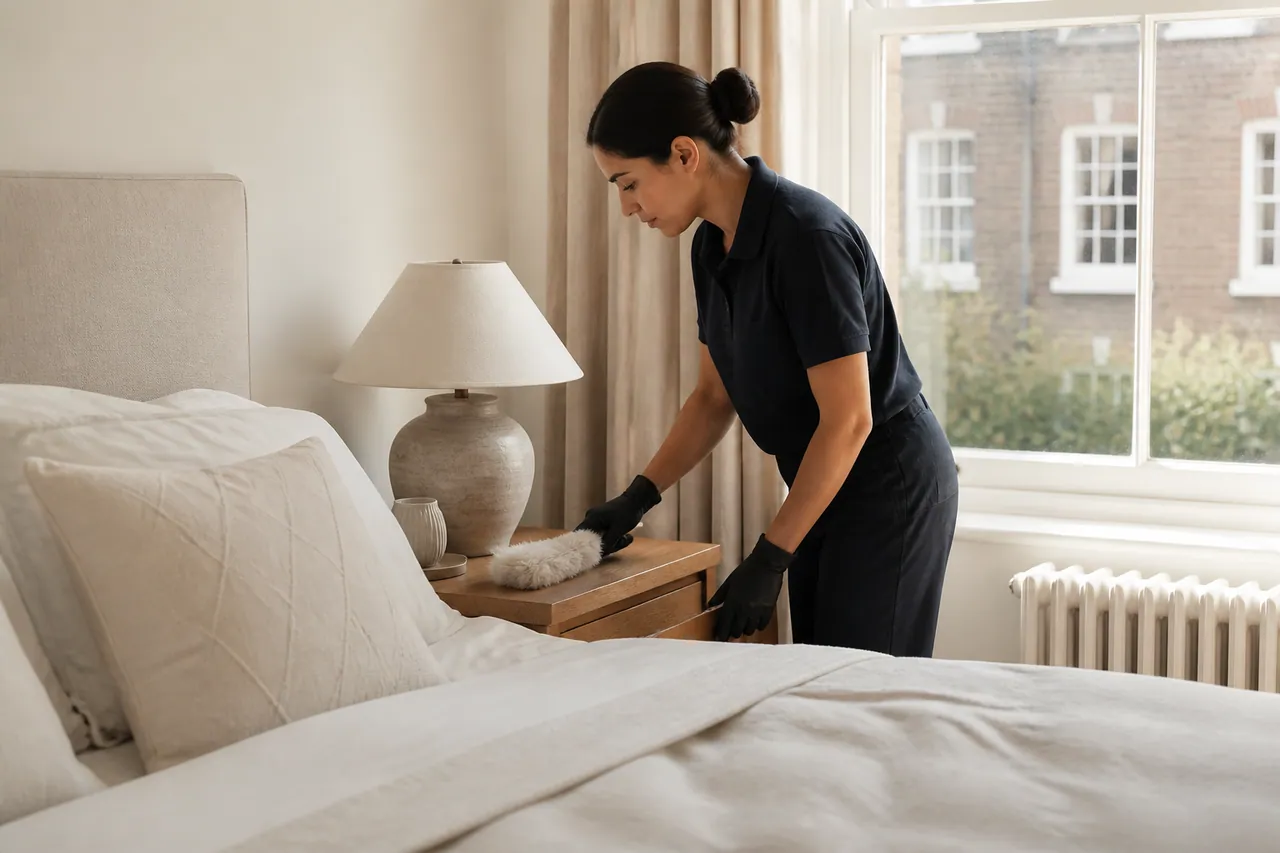
Clothes, papers and personal storage remain for the household to organise.
CLEAR / CLEAN / USE
The household controls the belongings; the cleaning request concerns the accessible surfaces left behind.
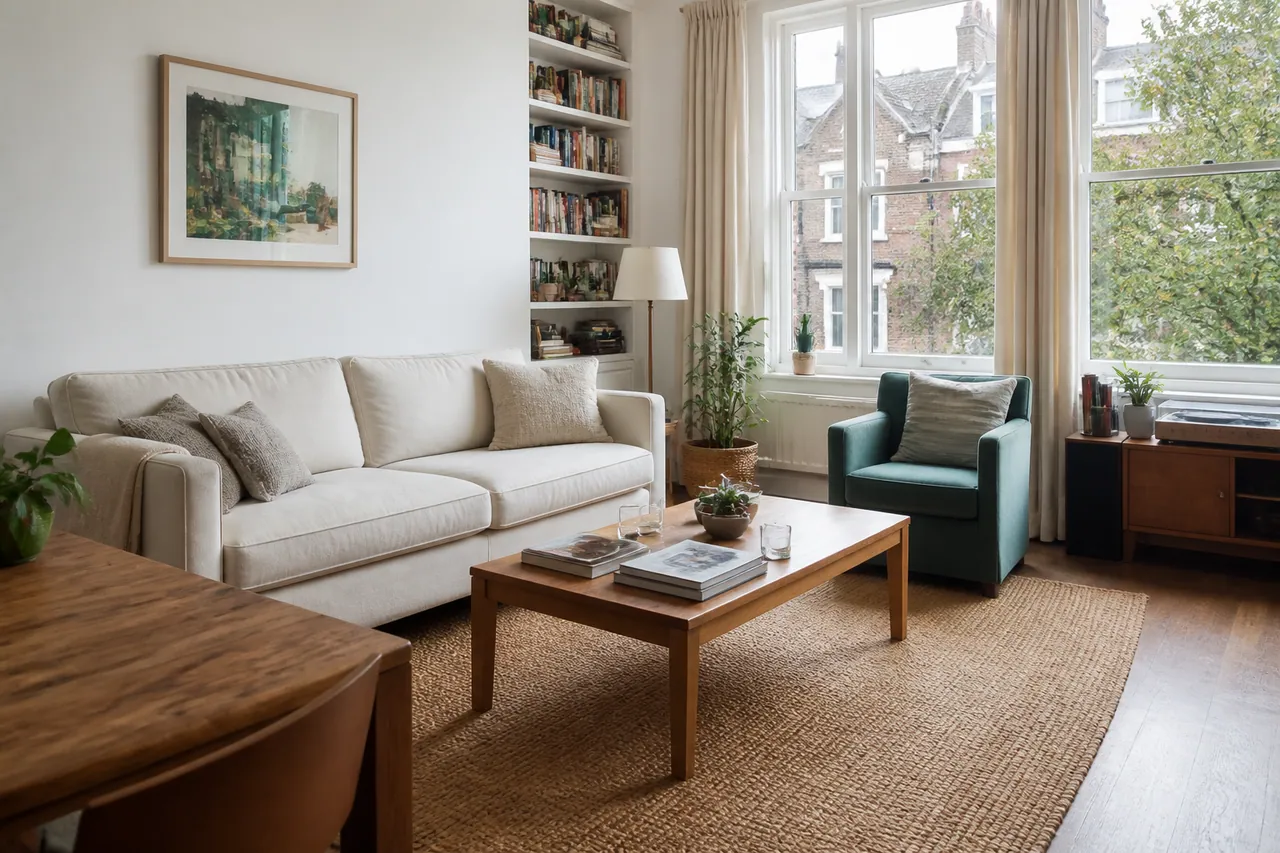
Secure personal objects without leaving their sorting to the appointment.
Focus on the domestic details identified around the room’s different uses.
Check the requested surfaces before replacing belongings, with realistic expectations about wear.
WHAT WILL BE EXPOSED?
This guide helps prepare the room; it is not an organising assessment or a booking confirmation.
Clear the table or counter and explain its different uses so cleaning does not involve sorting personal belongings.
Photograph the area as it will be presented, and mention anything that cannot be removed.
Explain the shared spaceROOMS THAT DO MORE THAN ONE JOB
Choose the example that resembles your household’s use, not an assumed local property type.
Prepare the shared table before its domestic surface can receive attention.
Mark the cooking, eating and sitting sections separately.
Explain whether residents need that room while cleaning takes place.
Secure schoolwork, devices and personal items before attendance.
Mention table coatings and any care restrictions before products are considered.
Prioritise the area used most rather than treating each identically.
BELONGINGS AND SURFACES
DOMESTIC ATTENTION
Tell us what will remain in place.
NOT AN AUTOMATIC ADDITION
These are not inferred from a request to refresh a shared living area.
ASSESS THE ACCESSIBLE SPACE
A quotation needs more than open-plan written on an enquiry. Describe the different surfaces and what will be cleared.
| Area of attention | Preparation information | Pricing basis |
|---|---|---|
| Shared furniture surfaces | Finish and items that will be removed | Reviewed individually |
| Multi-use living space | Cooking, dining and sitting requirements | Quoted for the requested attention |
| Specialist addition | Specific fabric or appliance need | Assessed independently |
A covered table is not an accessible tabletop. Explain how the room will be prepared before expecting its whole surface to be included.
PREPARING A MULTI-USE ROOM
Explain how the room is used day to day.
The household identifies and secures personal belongings.
Show reachable surfaces and fixed furniture.
Review tasks, limitations and the quotation.
Look over the requested attention while surfaces remain visible.
HACKNEY ENQUIRIES
Include your postcode and entry arrangements when discussing the household rooms you want refreshed.
Use the area map alongside your full address and entrance details.
The map loads from Google only after selection.MIXED-USE ROOM QUESTIONS
No organising service should be assumed. Clear and secure the items you want kept before cleaning.
Identify it as untouched equipment and explain the remaining reachable surface. Do not assume it will be moved.
Ordinary exterior attention and specialist fabric treatment are different requests. Explain what you mean.
Do not undertake unsafe moving or assume the team will. Show the accessible edges and discuss limitations.
It can remain outside the cleaning area, but the covered surface will not be fully accessible.
Describe cooking surfaces separately from dining and sitting furniture, including their materials.
Sorting possessions is not implied. Clear the surfaces and flooring you want considered.
Yes, identify them clearly so the proposal does not assume access behind remaining belongings.
No. Cleaning is not refinishing; point out scratches or worn coatings before attendance.
HACKNEY / MAKE THE ROOM READY
Explain what the room does, what you can clear and what should stay untouched. Then request a quotation for the domestic attention needed.
Call about your shared roomSend your room details ↗