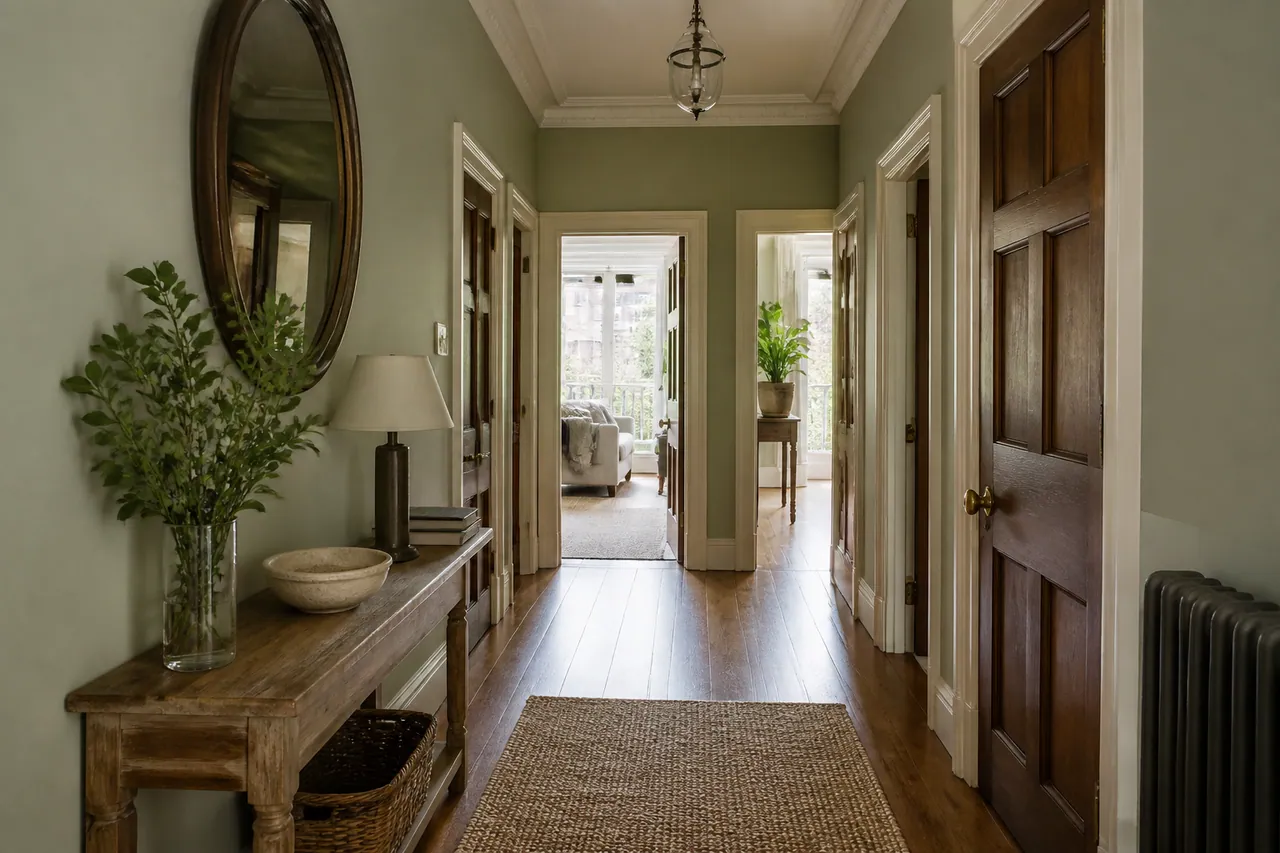
Cooking most evenings
Explain greasy fronts and counter edges alongside the sink, not just the hob.
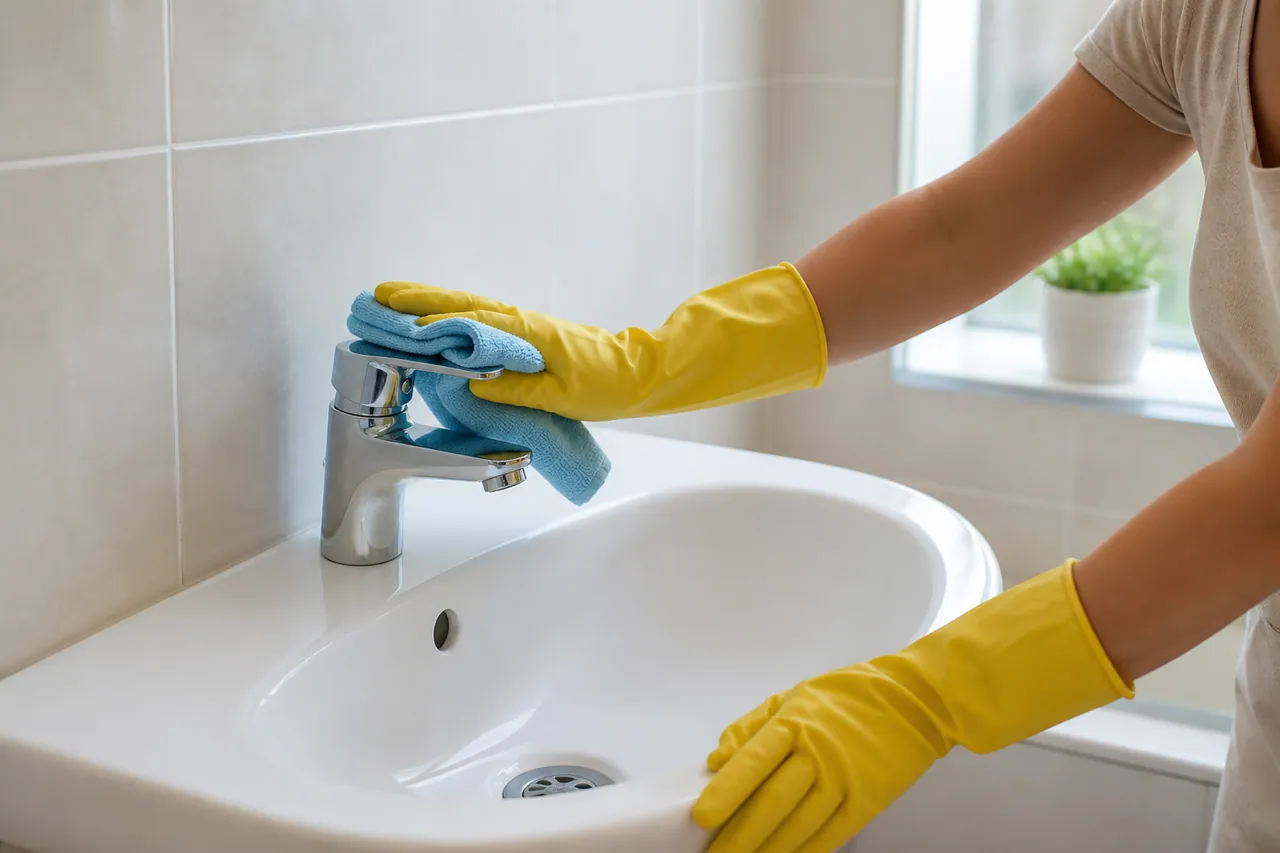
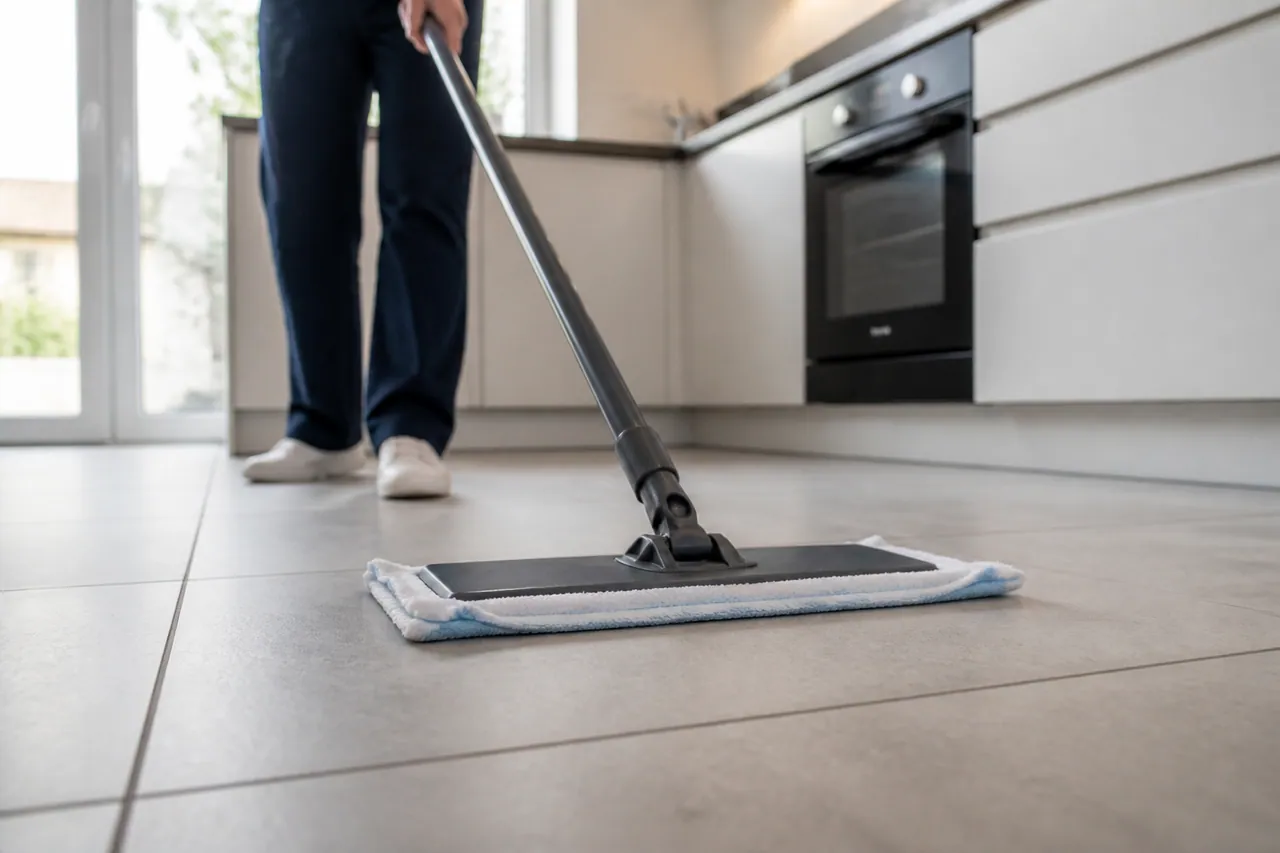
WHERE IT HAS BUILT UP
Choose the neglected detail, not everything by default.
Identify the first priority ↓The pictured rooms illustrate cleaning situations; they do not document completed customer visits.
WHEN QUICK UPKEEP IS NOT ENOUGH
Explain greasy fronts and counter edges alongside the sink, not just the hob.
Show deposits clearly so suitable cleaning can be distinguished from repair.
Concentrate on missed detail without committing to a continuing appointment.
Clear reachable edges and explain where large items prevent access.
Daily use may change which surfaces now deserve attention.
Separate cleaning from sorting possessions before requesting a whole-home refresh.
SEPARATE THE TASKS
SURFACES TO CONSIDER
Explain the finish beneath the dirt whenever known.
A DIFFERENT CONVERSATION
These should not be absorbed into a general promise to remove every mark.
NAME WHAT HAS ACCUMULATED
Pick a focus for useful preparation advice; the selection is not a confirmed booking.
Show the counter edges, cupboard fronts and surrounding surfaces where everyday cooking has left deposits.
Include a wider view as well as close-ups so the extent of the request is visible.
Ask about a catch-up cleanCONDITION BEFORE ROOM COUNT
A photograph of the affected surface helps explain why a quick-clean assumption may not fit.
| Cleaning focus | Evidence to supply | Price approach |
|---|---|---|
| Kitchen or bathroom detail | Close-ups and wider room views | Quoted after assessment |
| Several occupied rooms | Condition, furnishing and accessible areas | Tailored to the request |
| Specialist residue treatment | The particular appliance or fabric | Separately reviewed |
Two similar-sized kitchens may have very different deposits and finishes. The proposed tasks should reflect the actual condition.
IDENTIFY THE DEPOSIT
Condition is more informative than a room label. Show affected areas and identify the material beneath them.
AFTER EVERYDAY COOKING
Deep internal oven cleaning remains a separate service; naming cooking residue does not include appliance interiors.
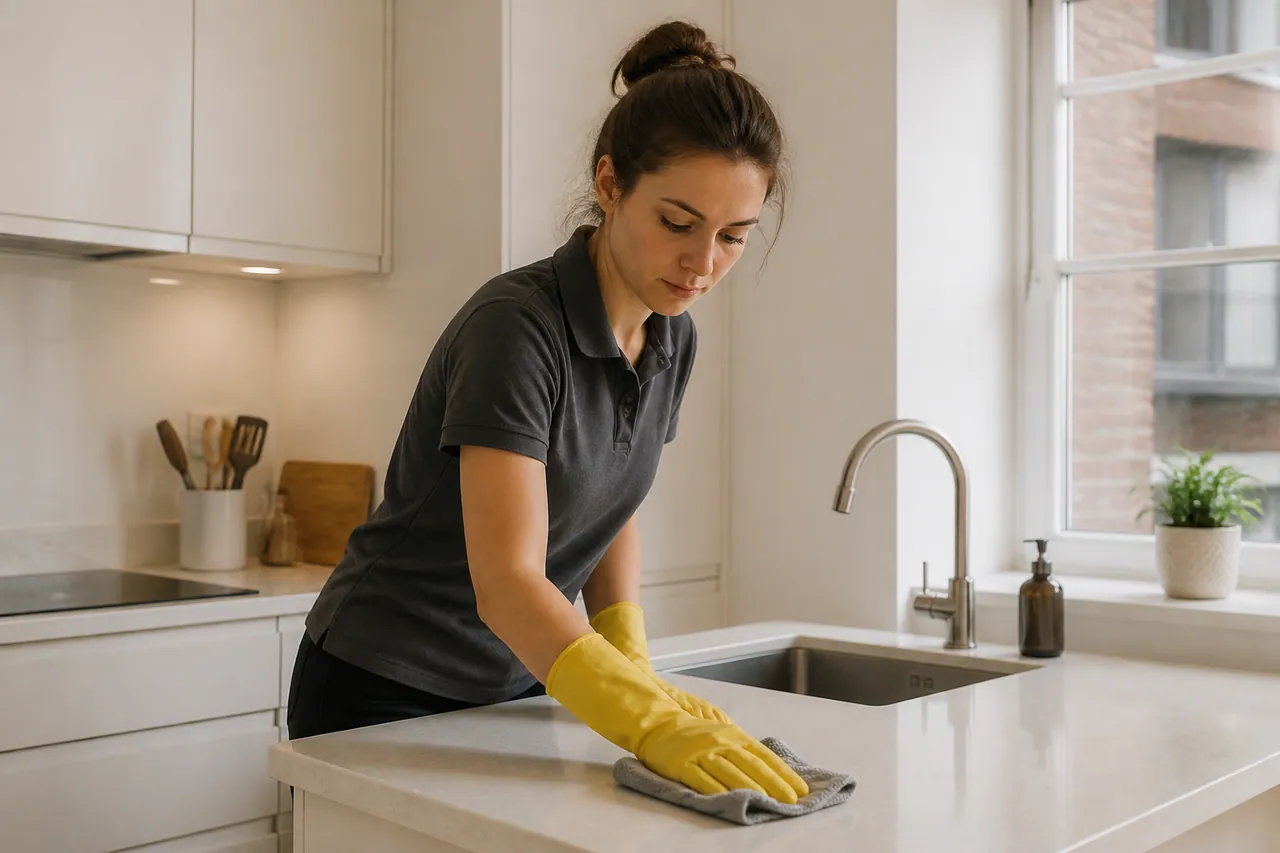
AROUND WATER AND FITTINGS
Some marks reflect deterioration rather than removable deposits. Point out known coating or seal damage.
DETAIL AROUND DAILY USE
Do not treat carpet or upholstery extraction as part of dusting and vacuuming.
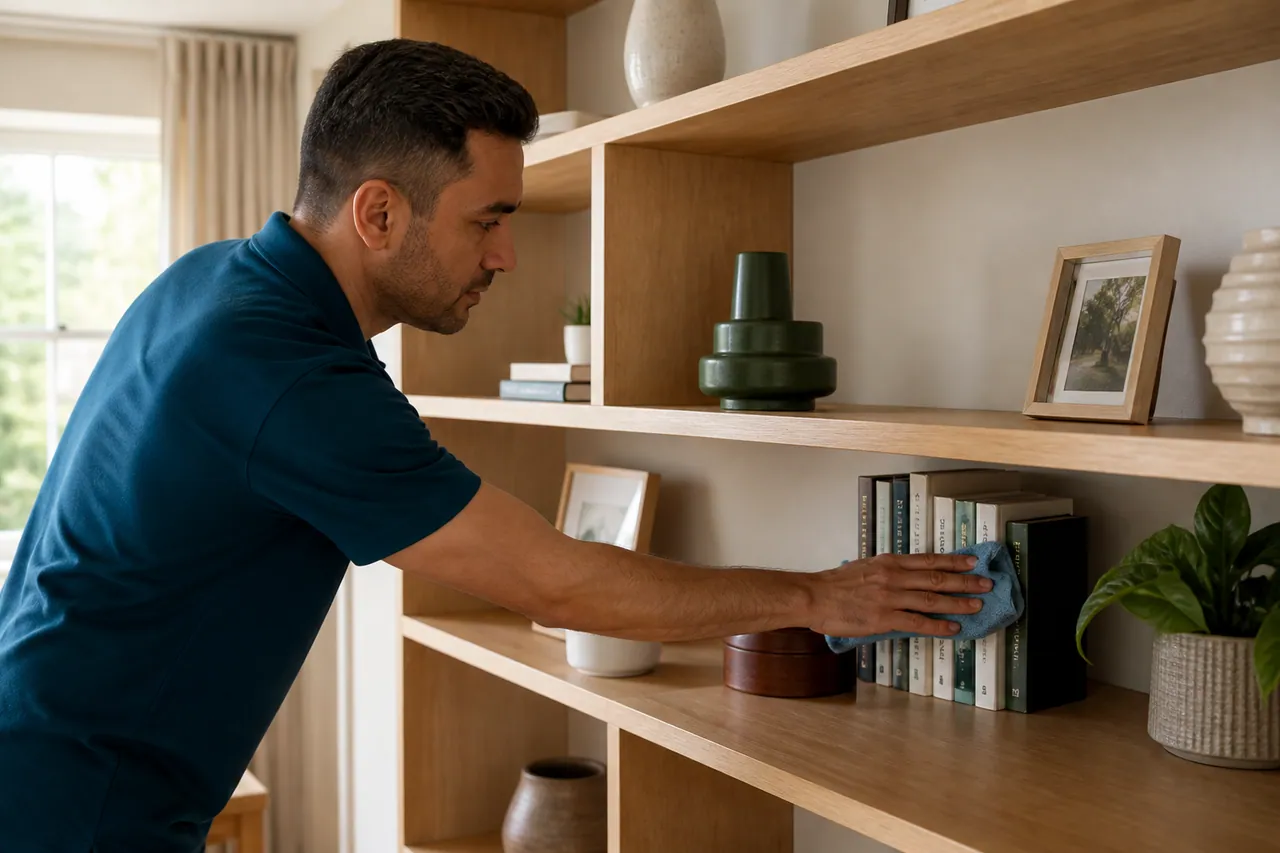
QUIETER ROOMS STILL COUNT
A bedroom clean does not imply handling clothing, changing linen or organising private storage.
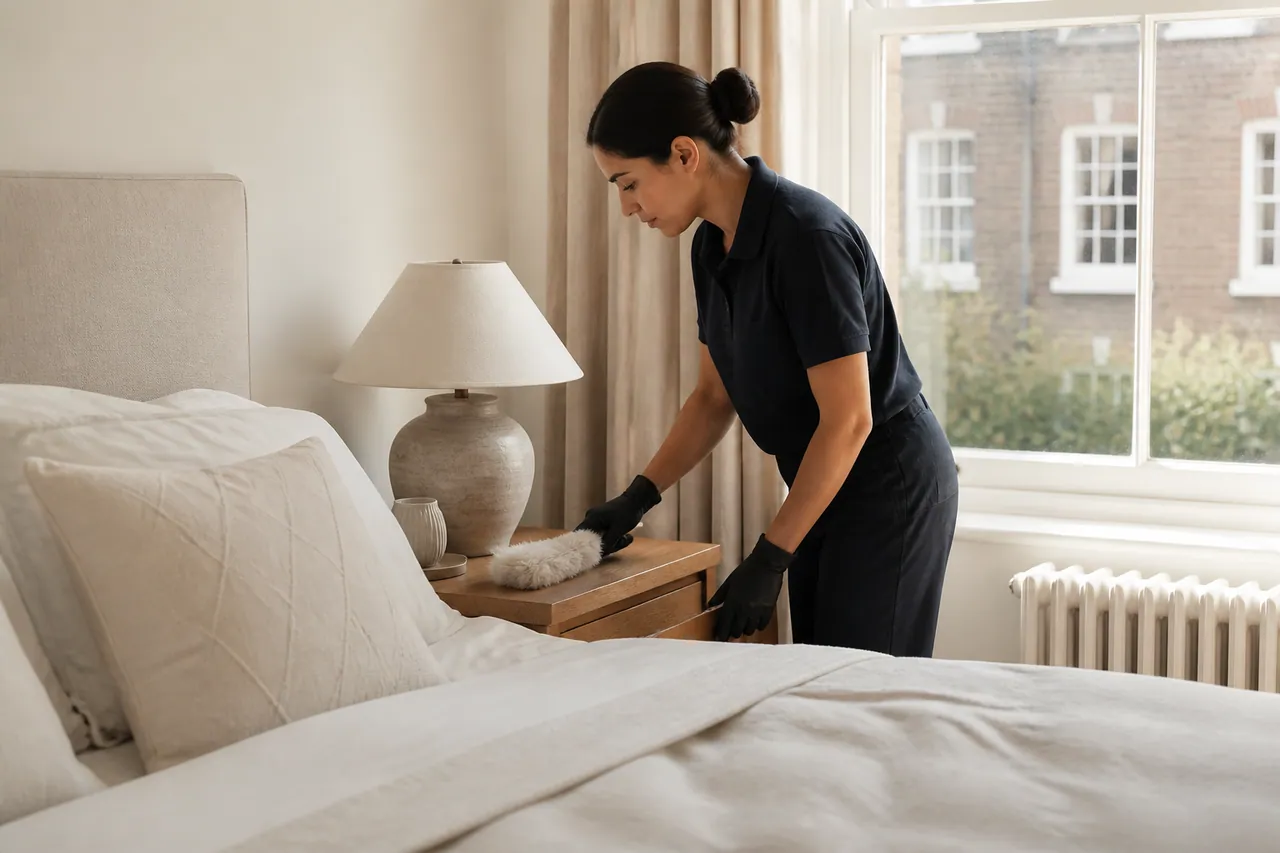
ISLINGTON / AN OCCUPIED HOME
For your Islington enquiry, describe which rooms are used most and photograph the details you keep postponing. If a kitchen shares space with the sitting area, show both so cooking surfaces and nearby furnishings are not confused.
Prepare surfaces rather than reorganising everythingClear dishes and personal items from requested areas. You do not need to empty unrelated storage, but hidden surfaces cannot be assessed as if they were exposed.
Explain the entrance alongside the interiorInclude the full postcode, flat number and any building access instructions. These practical details belong beside the cleaning photographs.
NOTICE / TARGET / REVIEW
A realistic refresh addresses removable household soil without claiming that cleaning reverses material wear.

Point out both the deposits and any underlying defect you already know about.
The requested surfaces matter more than making every room receive identical treatment.
Review the areas shown in the enquiry and discuss anything that remains beyond cleaning.
CONDITION VARIES WITH USE
These examples describe possible layouts, not assumptions about Islington properties.
Separate the cooking surfaces from belongings in the nearby sleeping area.
Show the fittings individually rather than describing everything as heavily soiled.
One level may need detail while another needs only selected surfaces.
Rank rooms by current condition instead of requesting identical attention everywhere.
Flag worn paint or plating so existing deterioration is recognised.
Keep lightly used spaces secondary if accumulated detail elsewhere is the reason for booking.
WHERE EVERYDAY RESIDUE COLLECTS
A USEFUL CATCH-UP ENQUIRY
Capture residue and its surrounding surface.
Share known material restrictions or previous damage.
Check tasks and exclusions with the quoted amount.
Put dishes, papers and valuables out of the way.
Discuss the completed attention and any remaining limitations.
YOUR ISLINGTON ADDRESS
Send the postcode and entrance instructions when asking about a visit; the area map does not confirm availability.
Open the map if useful for your enquiry.
Google receives a request only when this map is opened.CATCH-UP CLEANING QUESTIONS
Photographs and a description of the affected surfaces are more useful than a broad label.
Some marks involve staining or worn finishes. Assessment cannot guarantee every visible mark will disappear.
Clear the requested sink and counter areas so they are accessible; dishwashing should not be assumed.
Specialist mould treatment is not implied by household cleaning. Raise that concern separately.
Yes, identify fronts and handles specifically. Interiors are a different request requiring preparation and acceptance.
Say so and keep its tasks limited, directing the enquiry towards rooms with accumulated detail.
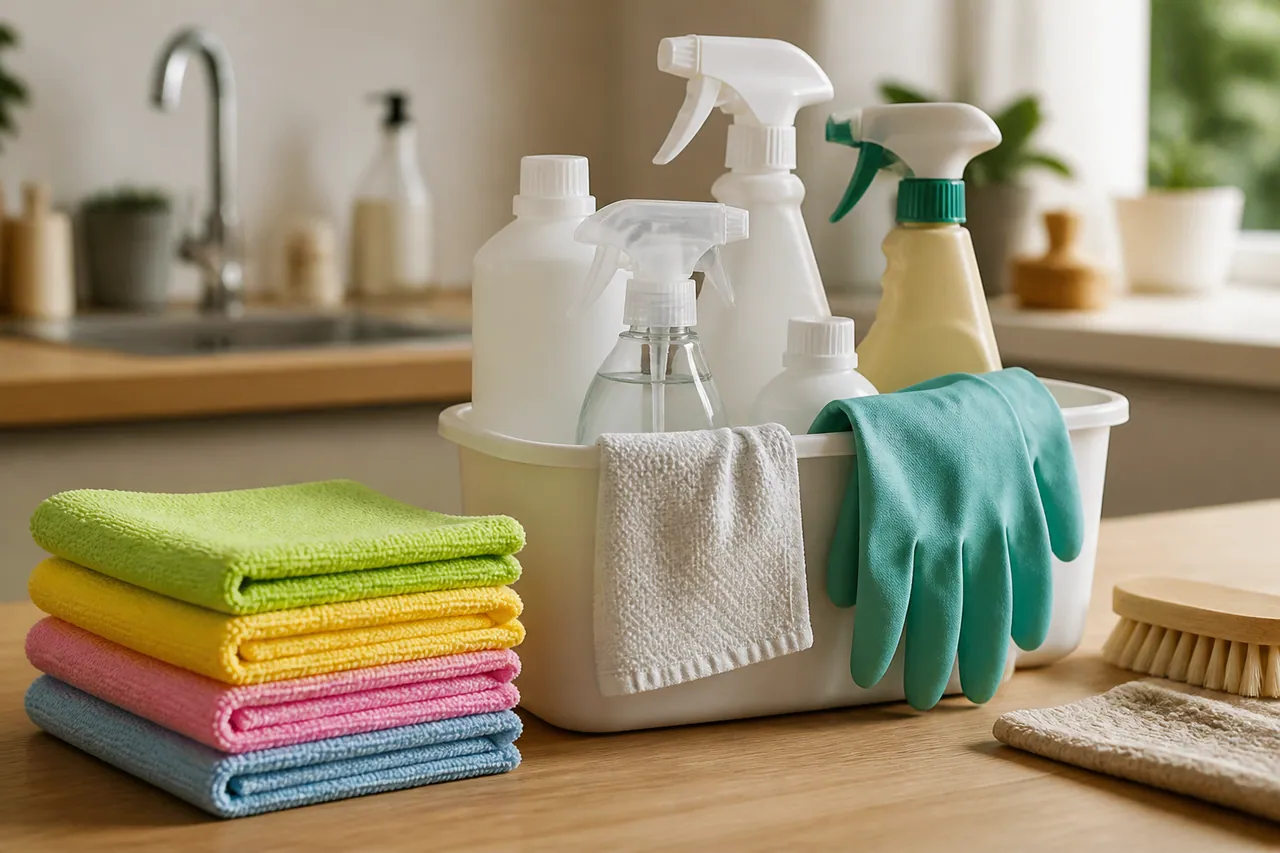
Standard equipment and materials are normally brought for accepted tasks. Disclose surface restrictions early.
Secure valuable or fragile pieces from areas you want exposed. Remaining objects can limit reach.
You may request another individual visit; this booking does not automatically create a regular schedule.
ISLINGTON / CATCH UP ON THE DETAIL
Send clear photographs, the rooms involved and your preferred date. Let the actual condition guide the conversation.
Call about accumulated detailSend a cleaning enquiry ↗