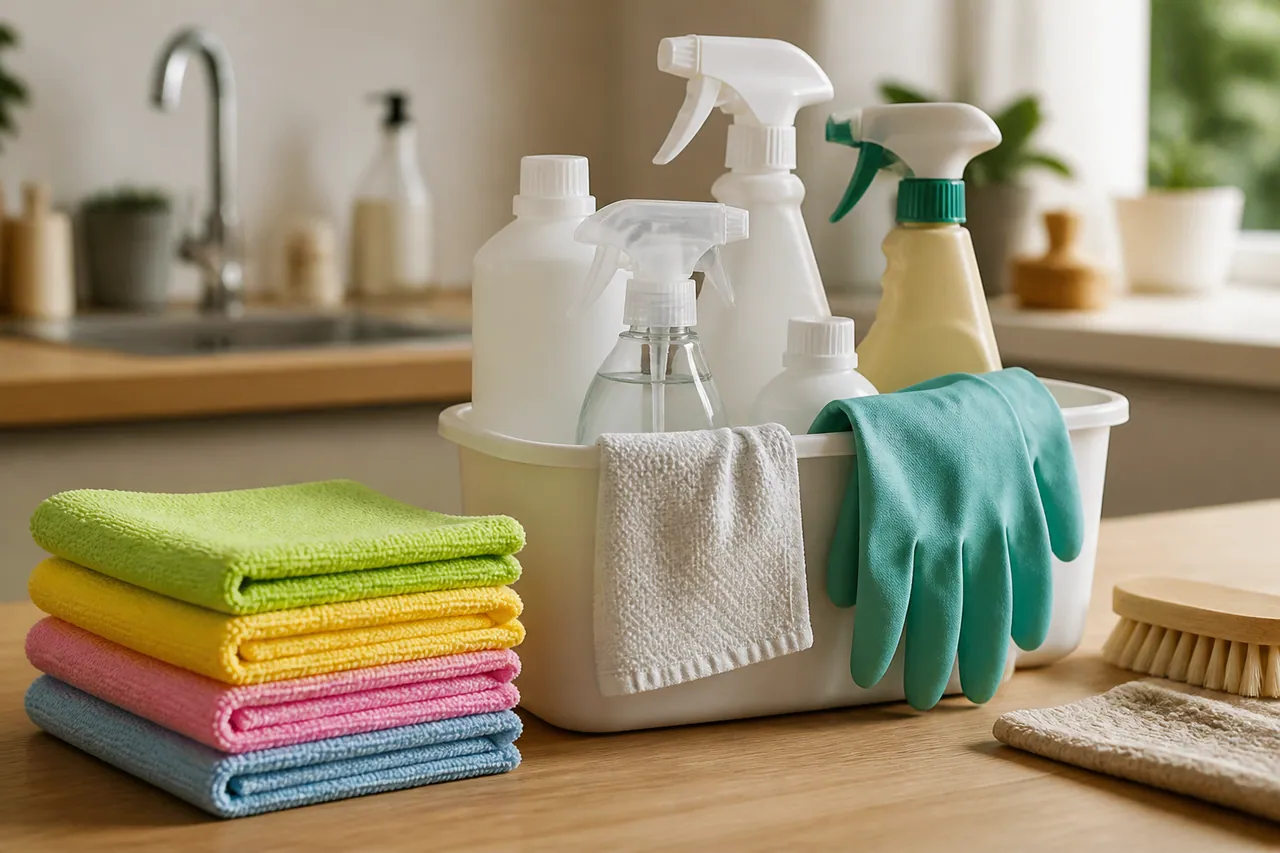
Illustrative household cleaning or interior scene

ORDER THE WORK BY PRESENT NEED

Priority-Led One-Off Cleaning for Your Morden Home

Equal room time is not always useful household attention.

Show which spaces need concentrated work and which need lighter detail. Explain room-use restrictions and stored belongings so the request can follow the accessible priorities.

  • Rank tasks by their current condition
  • Describe kitchen and washrooms individually
  • Identify storage that limits reach
  • Keep optional areas separate
Discuss the task order
Illustrative domestic interior or cleaning detail
HEAVIER NEEDS / LIGHTER DETAILMake the difference visible.

A USEFUL HOUSEHOLD REQUEST

Start where attention matters.

Review the task order ↓

Illustrative images are not records of a particular Morden clean.

WHEN THE ROOMS NEED DIFFERENT ATTENTION

Choose a useful order
rather than equal tasks

01

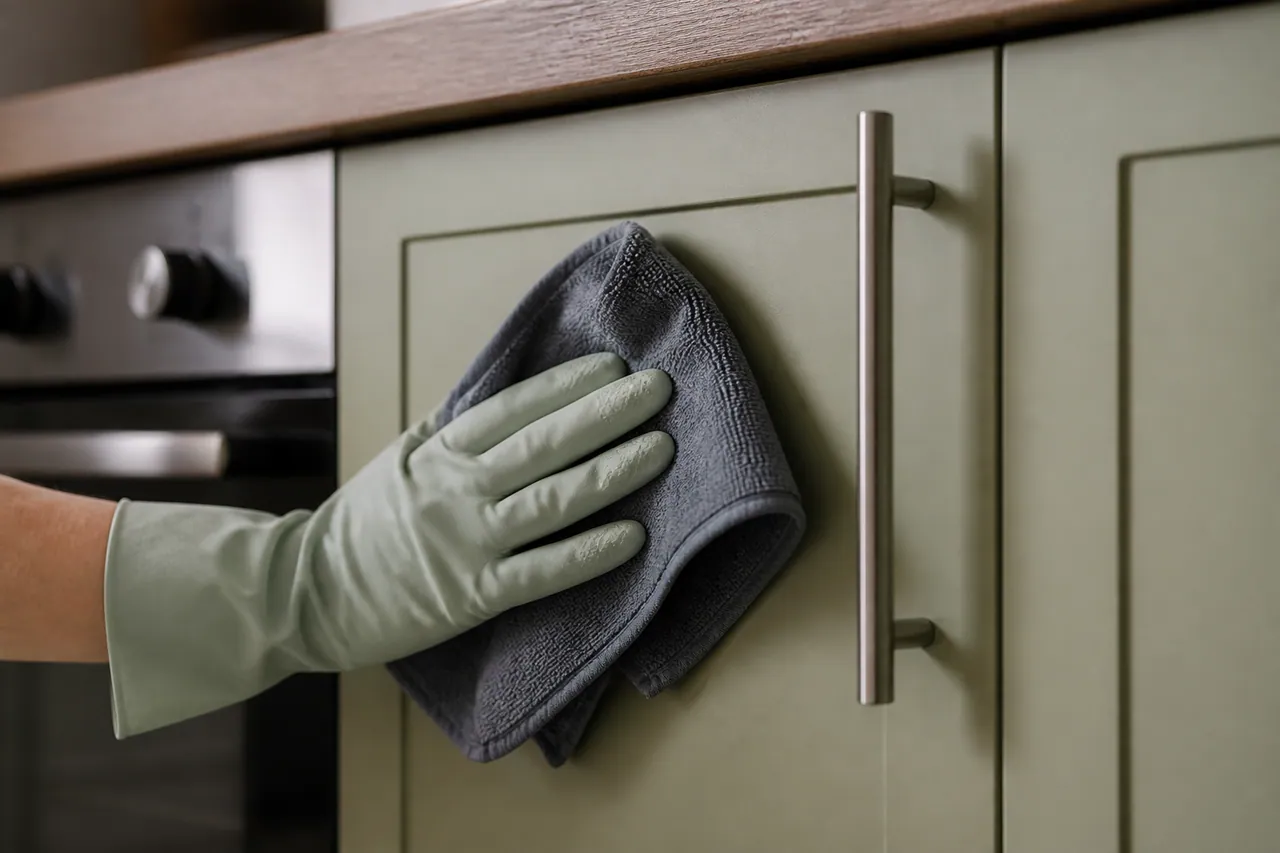
A kitchen needing more detail

Show the heavier exterior work.
02

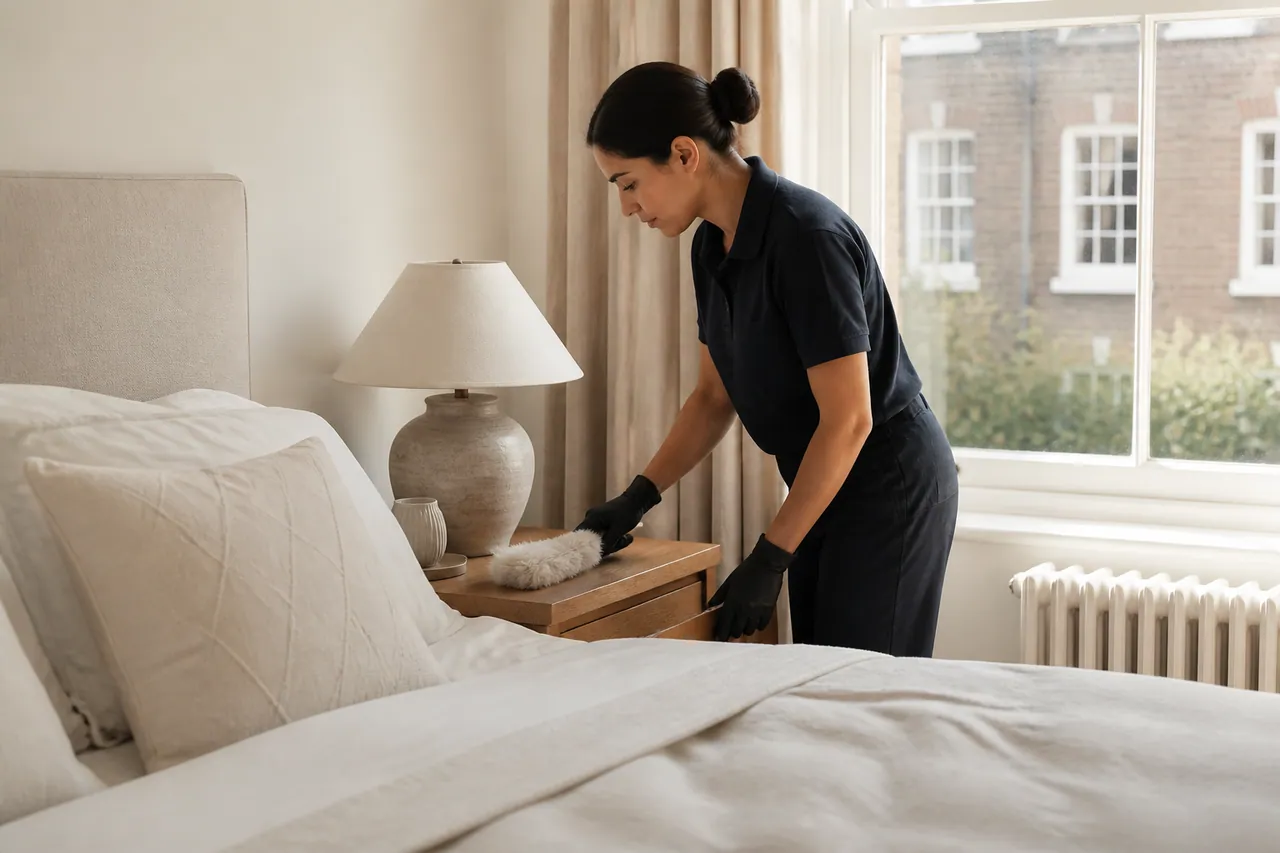
A lightly used bedroom

Describe its smaller request.

03

Bathroom fixtures falling behind

Name their current condition.

04

Storage occupying another area

Keep obstructed surfaces excluded.

05

A room needed during the day

Explain availability before planning.

06

Optional details on a long list

Distinguish them from essentials.

Illustrative furnished home interior or cleaning scene
The room order should follow the actual household need.

MORDEN / CURRENT CONDITION

Compare the work before deciding the order

For a Morden enquiry, describe kitchen, washroom and living-space tasks independently. Show heavier build-up and lighter details so the request does not treat every room as identical.

Explain what remains storedName possessions that stay in place and the accessible surface around them. Cleaning should not imply clearance.

Include room-use limitsIf a space must remain occupied, provide that information before a working order is considered.

Describe the Morden priorities

DIFFERENT WORKLOADS IN DIFFERENT HOMES

Choose the useful tasks,
not an equal-room formula

Describe your actual interior.

A studio

Separate heavier cooking detail from other surfaces.

An apartment

Compare the selected rooms individually.

A split-level home

Identify where priority tasks sit.

A house

Keep lighter areas in proportion.

An older interior

Distinguish wear from soil.

A storage-heavy room

Name only the available work.

WHAT NEEDS ATTENTION FIRST?

Choose the current
household order

Select a planning detail.

PRIORITY DETAILS

Task order

Identify the domestic tasks that should take precedence before lighter details.

A desired order needs considering with the available rooms and actual condition.

Send the ordered priorities

CONDITION BEFORE ROOM LABELS

Choose the domestic attention wanted

Describe different workloads rather than repeating one instruction everywhere.

KITCHEN WORKLOAD

Name exterior priorities

  • Prepared counters
  • Cabinet fronts
  • Sink fittings
  • Available floor

Internal appliances are separate requests.

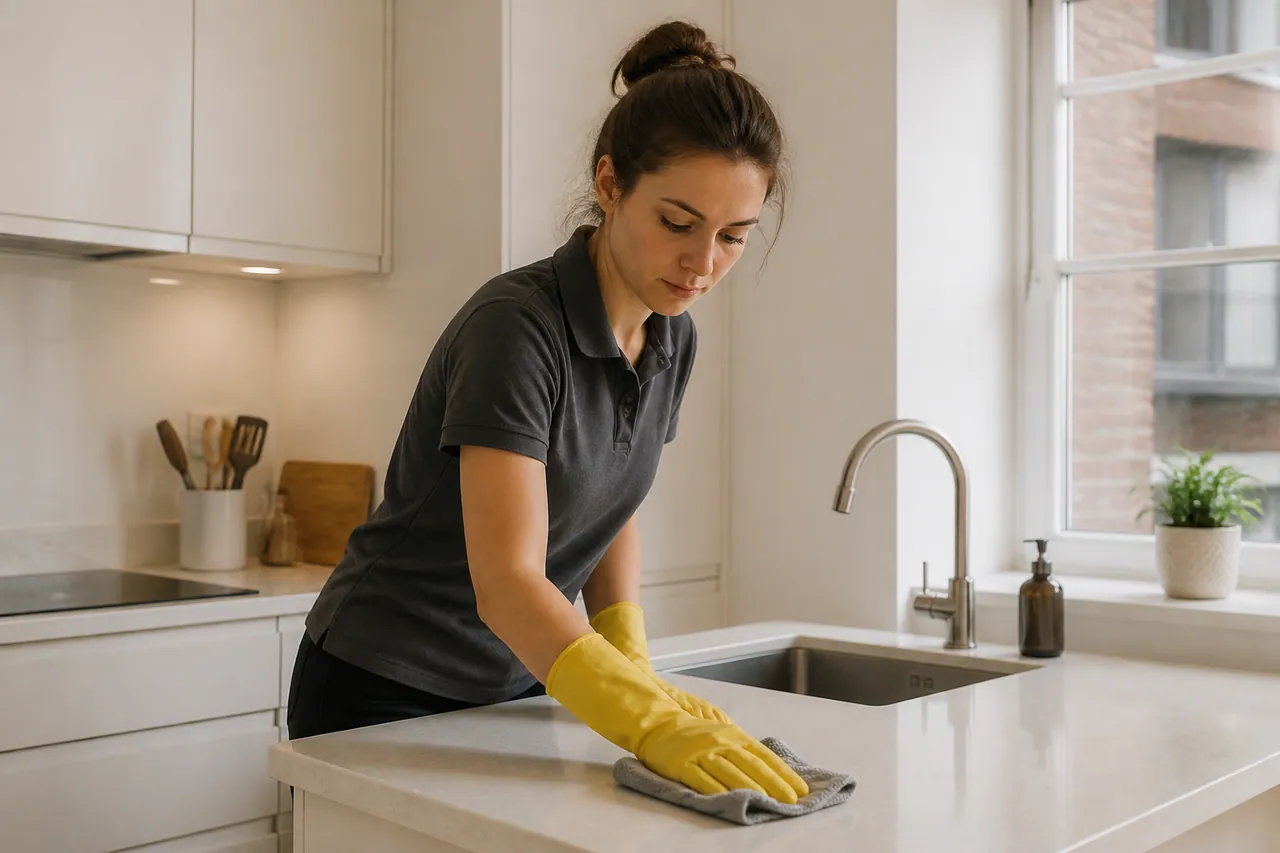
Illustrative kitchen cleaning scene

A QUOTATION FOR DIFFERING NEEDS

Describe the heavier work,
keep lighter tasks in proportion.

The request should show condition rather than assume equal effort across rooms.

PRIORITY AREAS

Concentrated domestic tasks

Show the work needing attention.

Assessed quotation

LIGHTER ADDITIONS

Other selected rooms

Describe their specific needs.

Quoted individually

OTHER METHODS

Specialist treatment

Name the item separately.

Separate assessment
Information for the prioritised quote
RequestDetailPrice basis
Heavier tasksCurrent conditionAfter assessment
Other roomsAvailability and surfacesQuoted as requested
Specialist workParticular requirementSeparate review

Keep the accessible work clear

A blocked surface should not appear as available simply because its room is included.

COMPARE SPECIFIC HOUSEHOLD DETAILS

Make the different workloads visible

What would show that the kitchen needs concentrated attention?
Describe residue across cupboard fronts, around pulls or beside the sink. A room name alone cannot distinguish that work from a clear counter.
How can a lightly used bedroom still contribute a useful task?
Name the dusty bedside top or marked mirror that concerns you. It need not acquire a full furniture list to justify that detail.
What if the shower needs work but the basin is already well kept?
Describe their different conditions in the same washroom entry. This preserves the main concern without labelling every fitting equally neglected.
Can a storage-heavy room offer an exterior task?
Identify a genuinely exposed furniture face or floor section and show the objects remaining around it. Avoid counting the covered areas.
How should I compare a dusty shelf with a marked table?
Locate each surface and describe its finish and condition. They are distinct tasks, not interchangeable lines under living-room cleaning.
What can I check before putting a floor high on the list?
Look at its visible dirt, covering and open area around furniture. State what is available instead of including hidden flooring in the priority.

PRIORITIES AND LIMITS

Name domestic work.
Keep other tasks distinct.

SELECTED ATTENTION

Possible areas

  • Kitchen exteriors
  • Bathroom fixtures
  • Prepared furniture
  • Suitable open flooring

Describe their different condition.

SEPARATE REQUIREMENTS

Not assumed

  • Storage clearance
  • Private organising
  • Specialist carpet treatment
  • Internal oven work

Discuss these explicitly.

COMPARE / CHOOSE / REVIEW

Attention according
to the present condition.

The priorities should remain recognisable throughout the request.
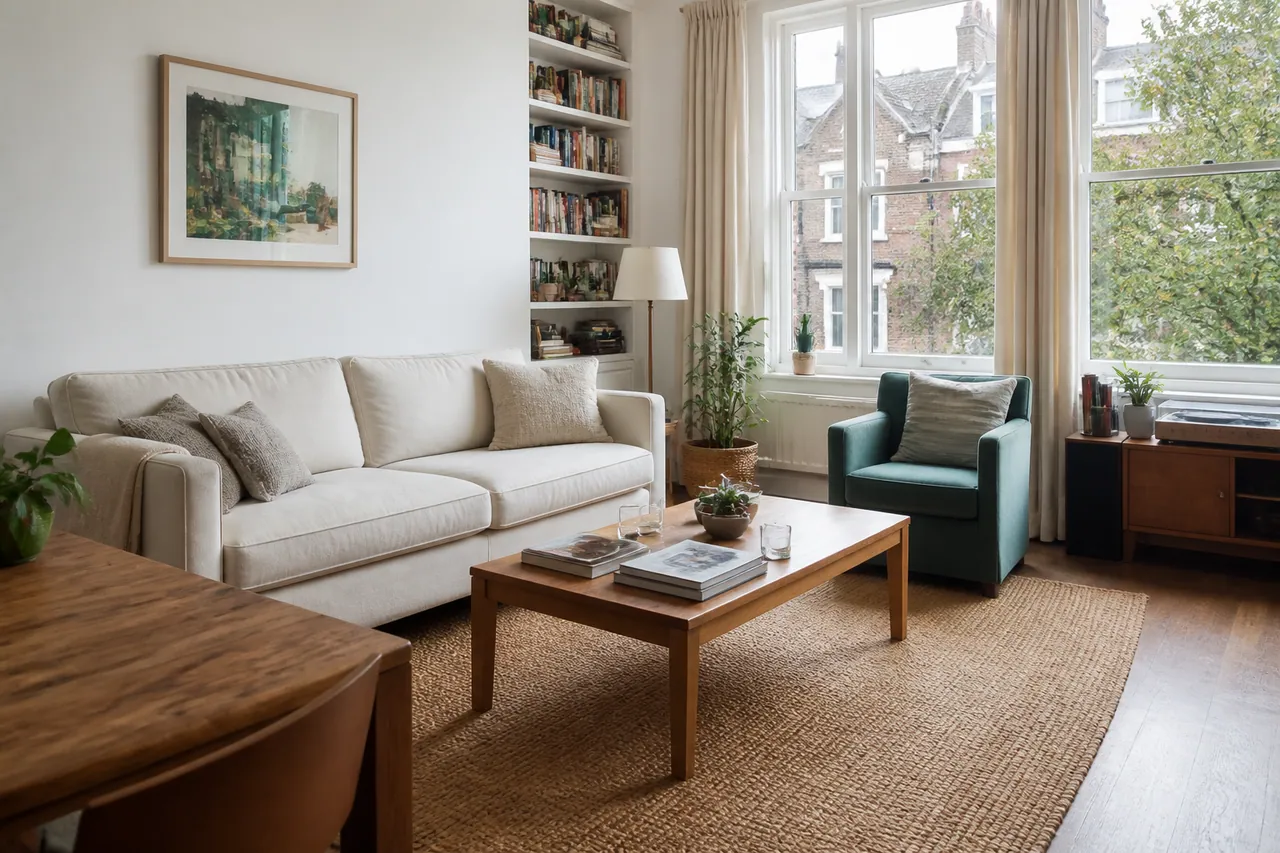
Illustrative calm finished living space with cream sofa and teal chair
Illustrative interior, not a customer comparison.
  1. COMPARE

    Show different conditions

    Identify heavier and lighter work.

  2. CHOOSE

    Name the first priorities

    Keep optional detail separate.

  3. REVIEW

    Check selected tasks

    Use the confirmed list.

MORDEN PROPERTY

Send the address with the priority list

Include entry and room-use details.

View Morden on the map ↗
Morden reference

Use with the full address.

Google loads on selection.

A CONDITION-LED ENQUIRY

Five useful decisions

  1. 01

    Compare rooms

    Show their current need.

  2. 02

    Rank tasks

    Name the priorities.

  3. 03

    Explain restrictions

    Include storage and occupancy.

  4. 04

    Review the proposal

    Check the selected work.

  5. 05

    Prepare and review

    Keep requested areas available.

PRIORITY AND STORAGE QUESTIONS

Before the Morden visit

Can heavier rooms take precedence?

Describe the condition and priorities when enquiring.

Can storage remain in another part of the room?

Explain what stays and the exact area available.

Are all surfaces included when a room is named?

Identify reachable tasks rather than assuming blocked areas are covered.

Should bathrooms be described separately?

Their fixtures and condition need their own information.

Can occupied spaces affect the order?

Explain availability before arrangements are confirmed.

Does cleaning include sorting storage?

No organising or clearance is implied.

Can optional tasks stay outside the request?

Mark them separately and check the final proposal.

Are specialist treatments automatic?

Request them independently.

Can this be a one-time visit?

Yes. Future attendance is separate.

MORDEN / CURRENT PRIORITIES

Tell us where attention should begin

Send the different room conditions, storage limits and requested task order.

Call about the prioritiesSend the household task order ↗
Illustrative home interior or household cleaning scene
Chat