
EAST SHEEN · FOLLOW THE TRAFFIC, NOT JUST THE STAIN
Rug Cleaning in East Sheen for Hard-Working Rooms
A hallway runner or family-room rug gathers a history in lines: garden grit at one end, chair movement at another and repeated footsteps through the middle. Our East Sheen brief maps that pattern so cleaning priorities stay tied to actual use.
- Mark which end faces the door, kitchen or garden
- Photograph flattened lanes as well as isolated spots
- Tell us about children, pets and everyday room traffic
- Check whether the runner catches beneath opening doors
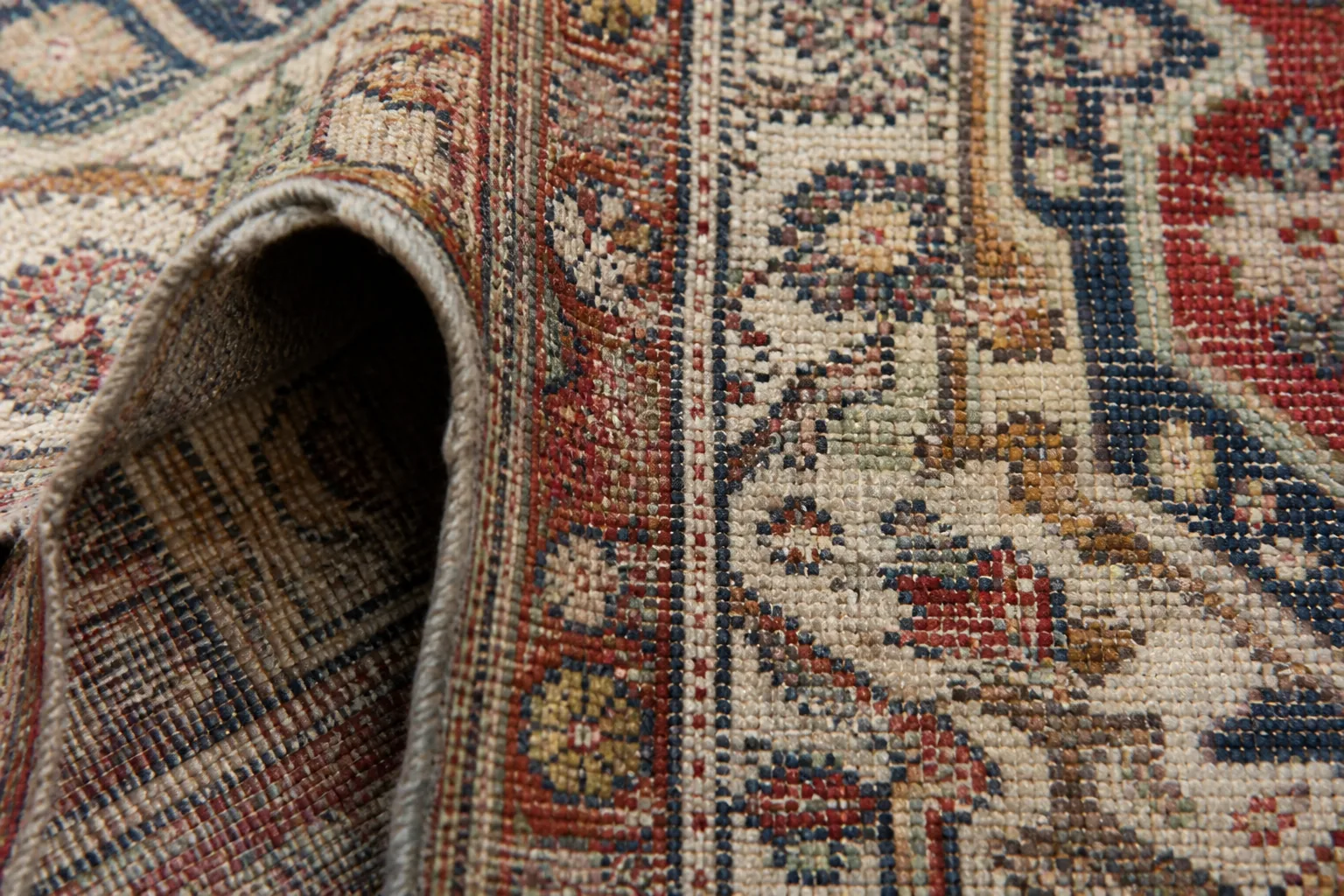
DRAW A SIMPLE TRAFFIC MAP
Give every concern a position and direction
A quick sketch or labelled photograph can show what words such as “dirty all over” conceal.
- East Sheen postcode
- Door-facing end of the rug
- Longest length and widest point
- Main walking lane
- Food or drink area
- Corner that lifts or curls
- Vacuum and spot-cleaning history
- Pets, buggies or garden access
- Available space beside the rug
Four distinctions worth making
Soiling or pile change?
Traffic can leave removable particles and permanent flattening together; photographs from the side help separate them.
Spill or worn colour?
A light patch may reflect abrasion or earlier chemistry, so its history matters.
Curl or structural weakness?
Do not force the corner flat. Show the face and reverse so the cause can be considered.
Daily use or exceptional event?
Tell us whether the concern built gradually or followed a particular incident.
READ THE ROUTE THROUGH THE TEXTILE
Different zones call for different questions
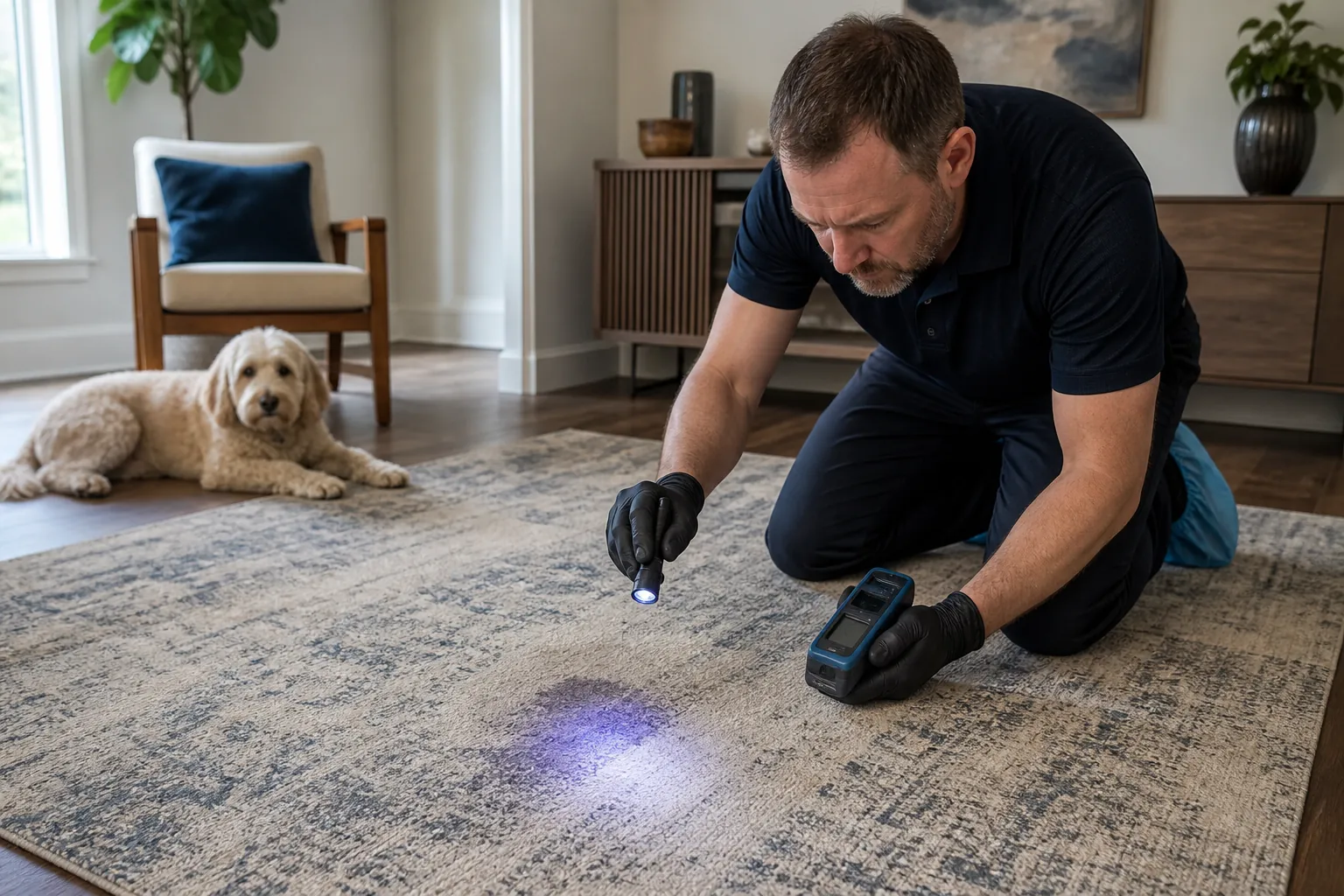
The entrance may hold mineral grit, the dining side may carry oily residue, and the centre may simply show compressed yarn.
Outdoor particles
Garden soil can cut and dull fibres underfoot.
Repeated compression
Direction and density change the visible shade.
Food and furniture
Residue and chair movement create separate priorities.
Lift and distortion
Edges are recorded before anyone pulls them straight.
THE RUNNER TEST
Turn the photograph ninety degrees from the usual view
A low side angle shows ridges, ripples and flattened pile that disappear in an overhead image. Include a ruler for scale but avoid placing tape directly on delicate yarn.
HOUSEHOLD PRODUCTS
A quick clean can leave a second footprint
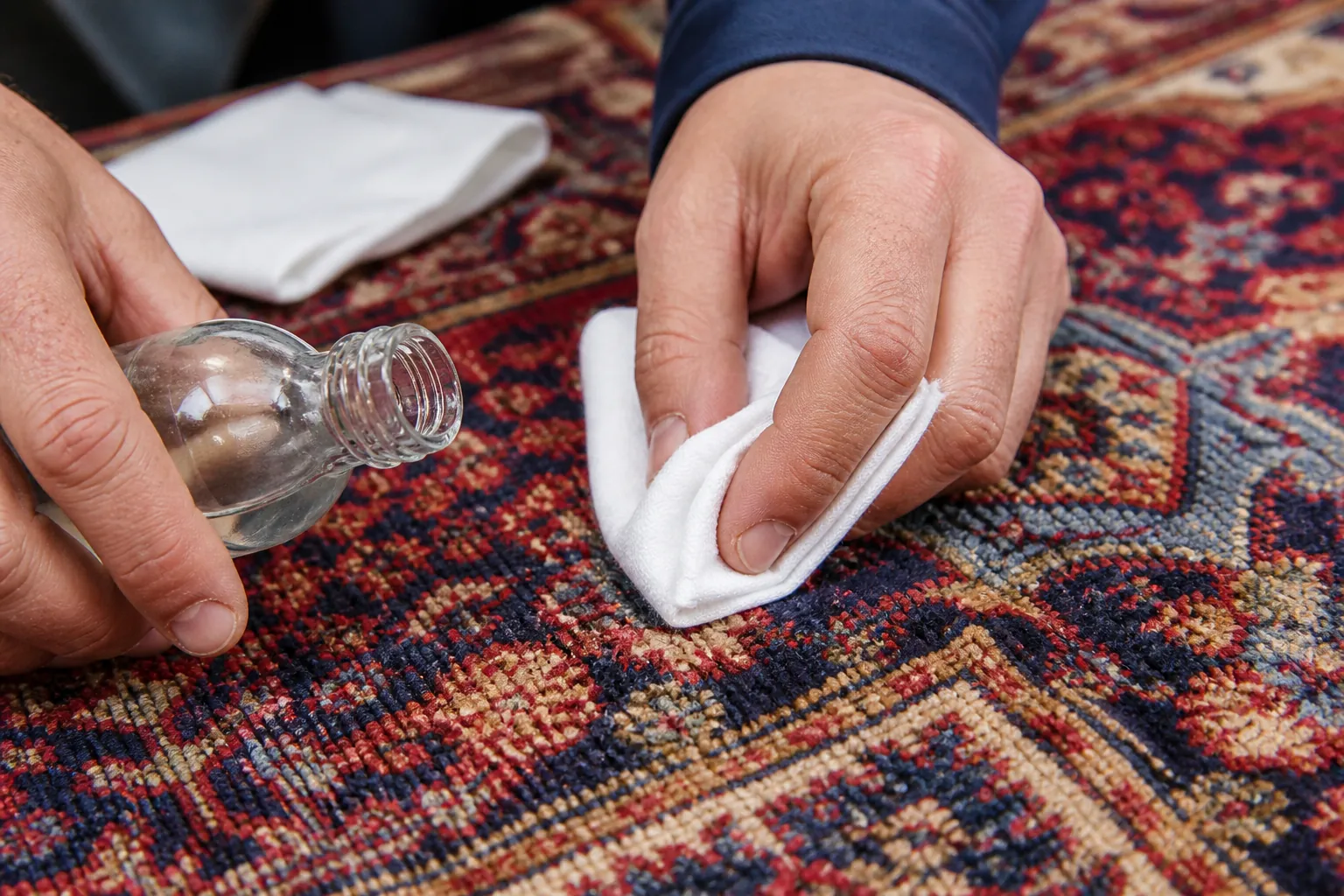
Foam, washing-up liquid and fragranced sprays may spread beyond the original mark. Report the product, dilution and drying method so residue is not mistaken for the first spill.
- Original event and approximate date
- Shape before and after home treatment
- Whether colour transferred to a cloth
- Any stiffness, tackiness or returning smell
SORT THE OBSERVATIONS
Build an East Sheen use profile in four passes
This checklist records what your household sees; inspection still decides what those signs mean.
AN EAST SHEEN HALLWAY EXAMPLE
A long runner can contain several cleaning stories
Picture a cotton-blend runner between the front door and family kitchen. The entrance end feels gritty, the centre has lost loft, and a tea mark sits beside a corner that has begun to rise. Treating all four signs as one “stain problem” would hide useful differences.
Label the ends. A small note reading “front door” in the photograph preserves orientation when close-ups are later reviewed.
Track repeated actions. Vacuum direction, shoes, a wheeled buggy and chairs crossing the edge all help explain why one zone differs from another.
East Sheen traffic ledger
Orientation: Identify the front, garden and room-facing ends.
Pattern: Mark the worn line through the length.
Width: Record the broadest point without forcing edges flat.
Doors: Say where leaves rub or catch.
Grit: Describe crunchiness or loose particles.
Food: Locate dining and kitchen exposure.
Drinks: Name the liquid rather than only its colour.
Pets: Mention sleeping spots and repeat routes.
Children: Include craft products or play areas.
Vacuuming: State attachment type and direction.
Edges: Photograph curls, waves and fraying at floor level.
Reverse: Look for transferred matter and old tape.
Grip layer: Say whether a pad moves independently.
Products: Keep names or packaging from spot treatments.
Drying: Choose a place away from the household route.
Expectation: Cleaning cannot rebuild crushed or missing yarn.
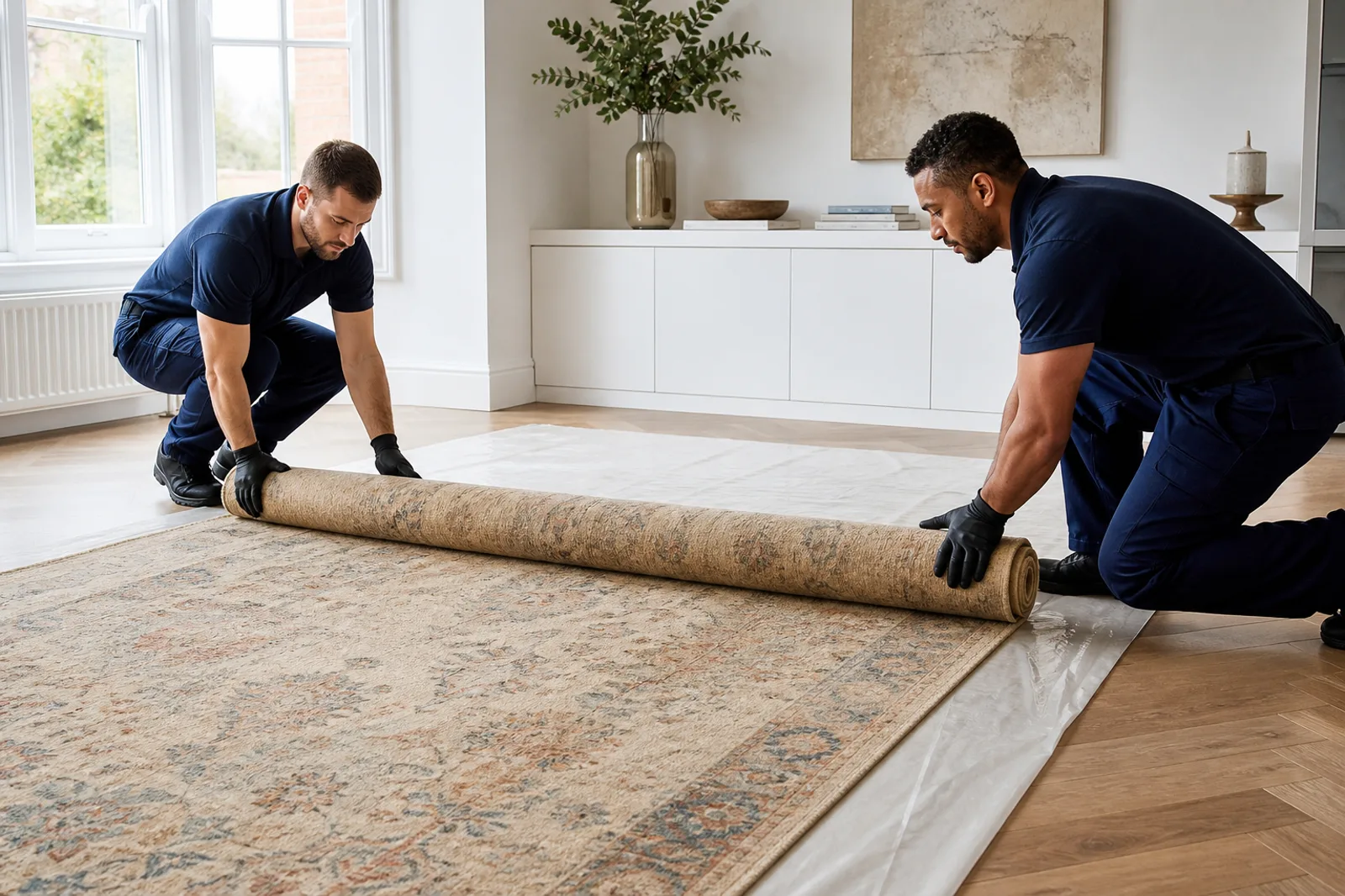
ZONE-BY-ZONE REVIEW
The East Sheen sequence keeps orientation intact
Each stage refers back to the labelled traffic map, preventing the busiest area from standing in for the whole rug.
- 01
Label the ends
Preserve door, garden and room orientation
- 02
Compare zones
Read grit, compression, spills and edges separately
- 03
Inspect the build
Check yarn, weave, dyes and reverse
- 04
Release particles
Reduce compatible dry matter before wet work
- 05
Address priorities
Work to the agreed zone-led brief
- 06
Finish evenly
Review direction, edge shape and residual signs
- 07
Reset household use
Explain drying and traffic restrictions
EAST SHEEN AREA BANDS
A long runner still prices by measured area first
Width multiplied by woven length establishes the guide. Construction, condition, access and optional work are then confirmed.
EAST SHEEN RUNNER FAQ
Questions raised by entrances, family rooms and constant movement
Why label each end of a runner?
Orientation connects close photographs with doors, food areas, sunlight and the direction of foot traffic.
Does a dark centre line always mean dirt?
No. Soil, compressed pile and changed light reflection can overlap in a busy lane.
Can a curled corner simply be pressed flat?
Not safely without understanding construction, backing and any underlying distortion.
Should loose grit be vacuumed before photographs?
A normal careful vacuum is fine if suitable for the rug, but avoid aggressive rollers on fringe or weak edges.
What should I report about a drink mark?
Name the drink, date, quantity, home products used and any colour or texture change.
Why mention a buggy or pet route?
Repeated wheels and paws create recognisable loading patterns and bring different particles indoors.
Can the runner go straight back into the hallway?
Only after the item-specific drying and return guidance, with a clean, suitable surface underneath.
Will treatment restore flattened yarn?
Cleaning may improve presentation, but permanent compression, abrasion or yarn loss can remain.
How is an East Sheen quotation calculated?
Area opens the guide band; build, condition, access and selected work define the confirmed scope.
Can several small rugs meet the £68 minimum?
Potentially, when they are compatible and included in one confirmed eligible visit.
MAP THE BUSY ZONES
Show us how your East Sheen rug moves through family life
A labelled room view makes the first conversation faster and more precise.
