
WIMBLEDON · FOLLOW THE PRESSURE PATTERN ACROSS THE ROOM
Wimbledon Rug Cleaning for Dining and Family Rooms
Dining chairs leave a map of use across a Wimbledon rug: compressed lanes, crumbs at the table edge and quieter pile beneath furniture. We assess that pattern alongside yarn, foundation and room access before defining the work.
- Photograph the table zone before chairs are moved
- Measure the usable field and the fringed ends independently
- Use side light to compare flattened chair tracks with sheltered pile
- Tell us whether the table can be cleared and where it can wait
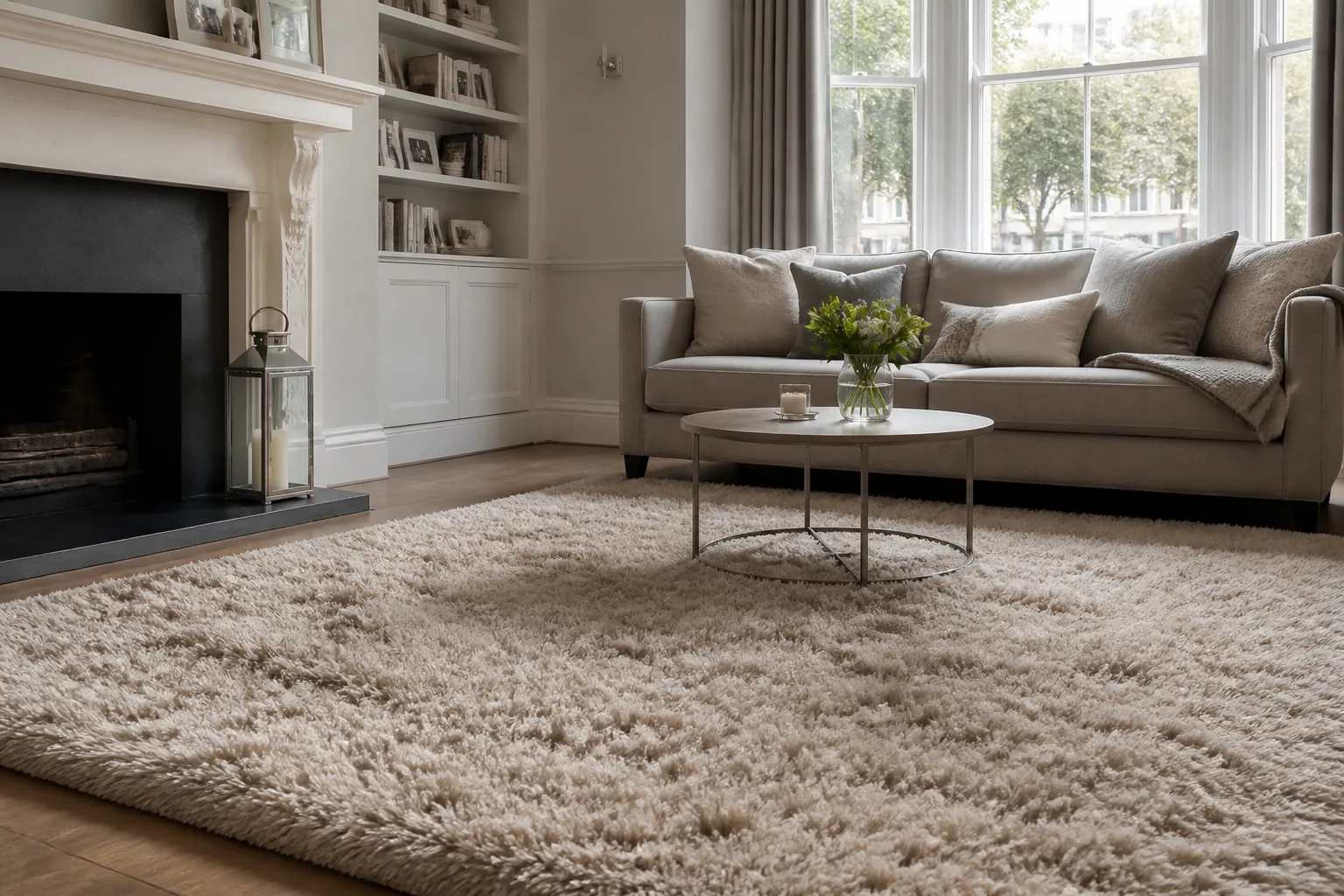
TABLE LAYOUT · CHAIR TRACKS · WORKING SPACE
The room arrangement is part of the cleaning brief
A family dining room may offer generous floor area yet little safe working space once the table and chairs are considered. Record which pieces separate, whether the rug is trapped beneath heavy legs, and where furniture can stand without blocking the route.
Reading the room before the fibres. Photograph the room at mealtime layout, then again if chairs can be removed safely. Low-angle images reveal changes in pile direction far better than a flash close-up taken directly above.
If an edge can be lifted without dragging the rug, show the underside beneath a busy chair position and beneath the table centre. The contrast can separate transferred soil from structural flattening and identify a pad that also needs consideration.
Wimbledon dining-room field notes
Textile: Record the rug as a movable furnishing within an active eating space.
Dimensions: Measure beyond the table footprint to the full woven boundary.
Priority: Trace the arcs made as each chair is pulled out and returned.
Material: Include any care label while leaving mixed or unknown yarn unclassified.
Construction: Tuft security and foundation stiffness affect how the rug can be handled.
Colour: Food spots and home treatments can alter colour response locally.
Edges: Show the end nearest the main walkway and the quieter opposite end.
Reverse: Compare under-table backing with the chair pull-out zone.
History: Name food, drink and spot products by area whenever possible.
Odour: Say whether odour appears after spills, pet access or closed-room periods.
Room: Sketch where table legs, chair lanes and the busiest doorway meet.
Access: Confirm whether patio doors or the hall provide the safer exit.
Airflow: Identify a meal-free period and a protected ventilated zone.
Return: Keep table and chair feet away until the placement advice allows return.
Scope: Separate food residue, flattened pile, colour change and frayed yarn.
Expectation: Treatment cannot restore yarn already abraded by repeated chair movement.
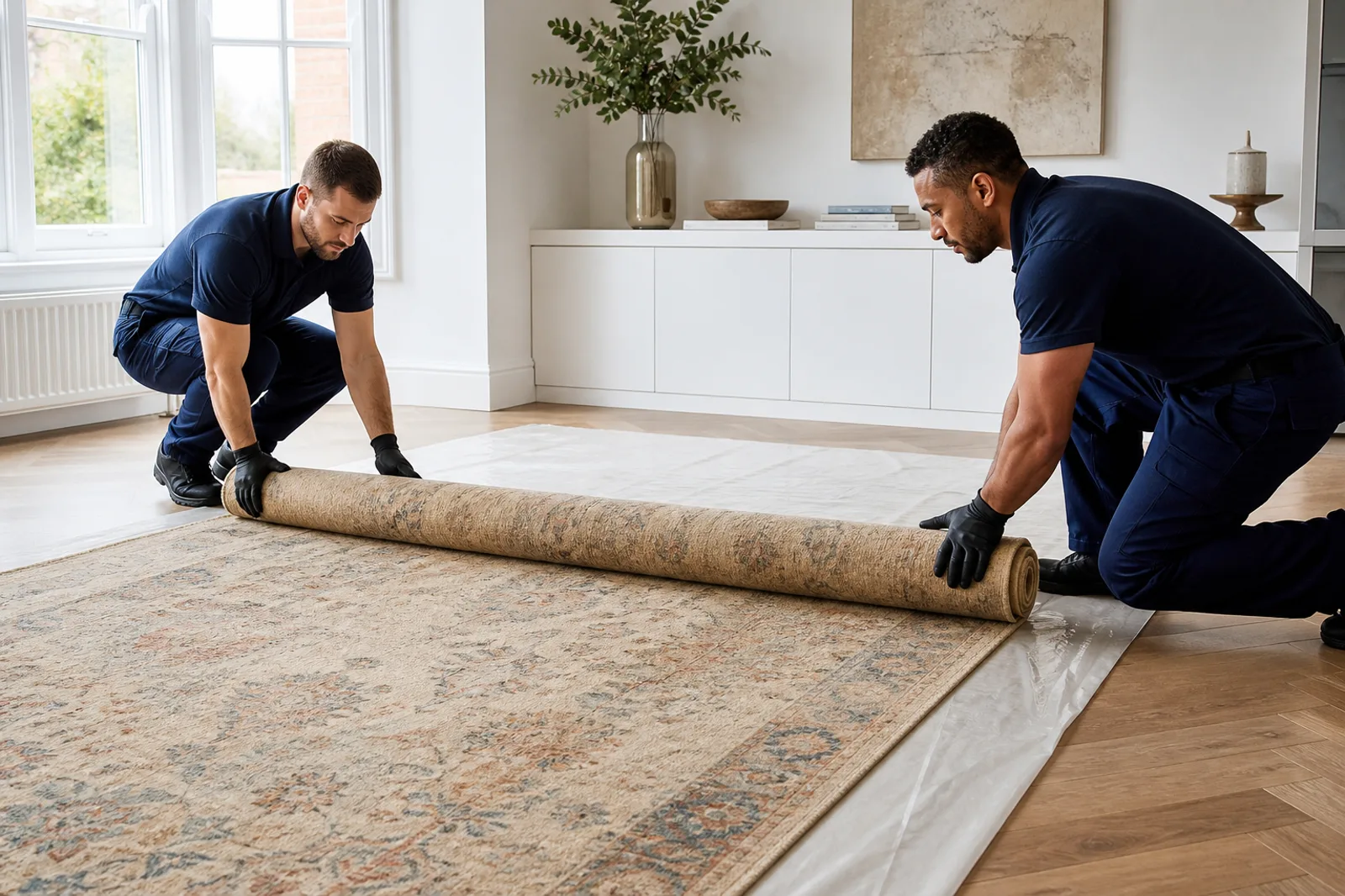
PILE DIRECTION · FOUNDATION · DINING USE
Read the traffic map from face to reverse
Repeated chair pressure affects the surface, while crumbs and spills can travel into the foundation or pad below. Each layer deserves separate evidence.
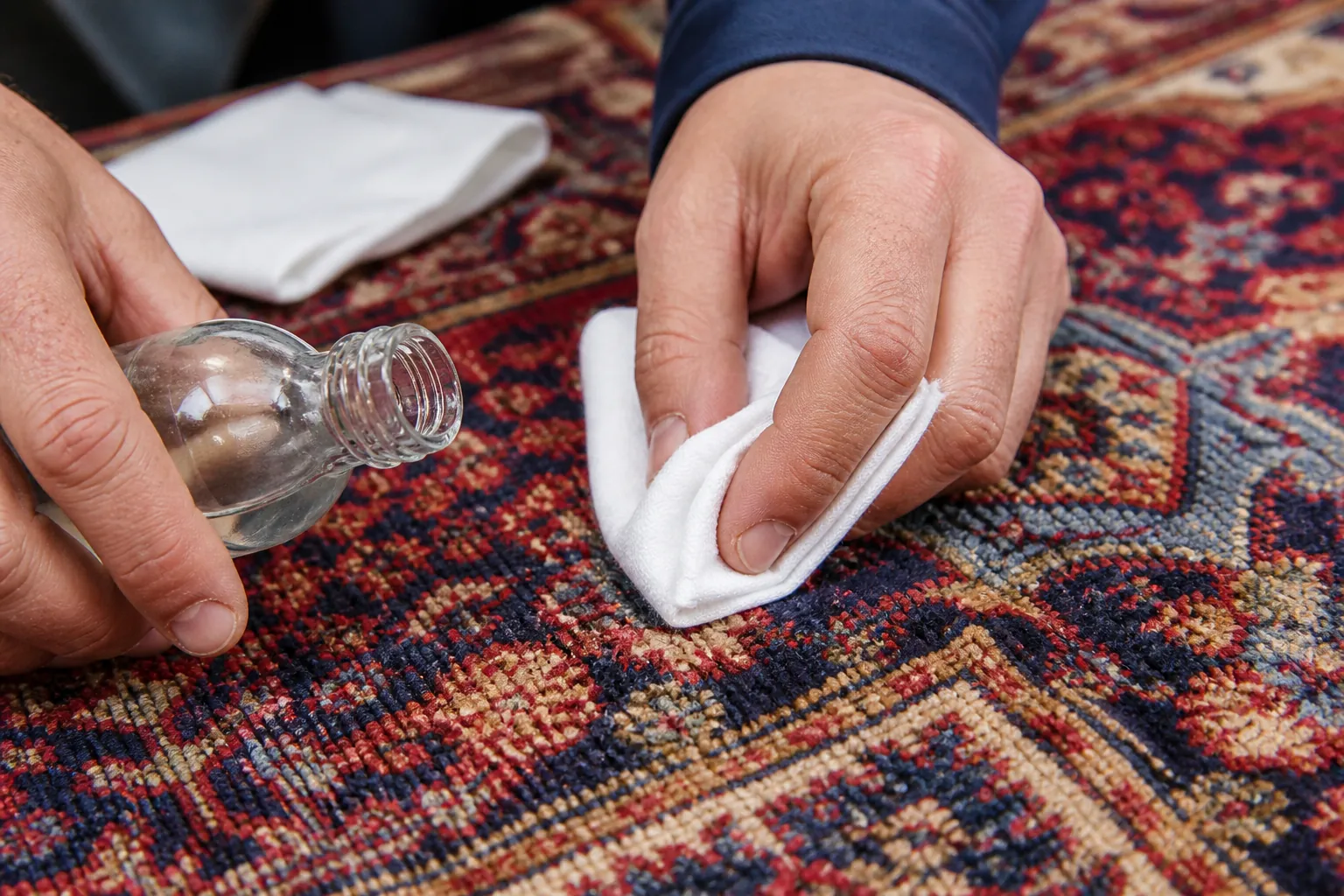
Material response
Yarn resilience influences how compressed tracks are interpreted.
Dye stability
Spot history may make one dining area respond differently.
Pile and foundation
Foundation density influences particle capture and controlled drying.
Fringe, backing and repairs
Chair-side edges and loose ends are documented before furniture moves.
DISTINGUISHING SOIL FROM PILE SHADING
Change the viewing angle before calling it a stain
Compressed yarn reflects light differently as chairs travel over it, creating dark and pale bands that shift when viewed from another side. Residue tends to stay put. Side lighting and a gentle pile comparison help keep those causes separate.
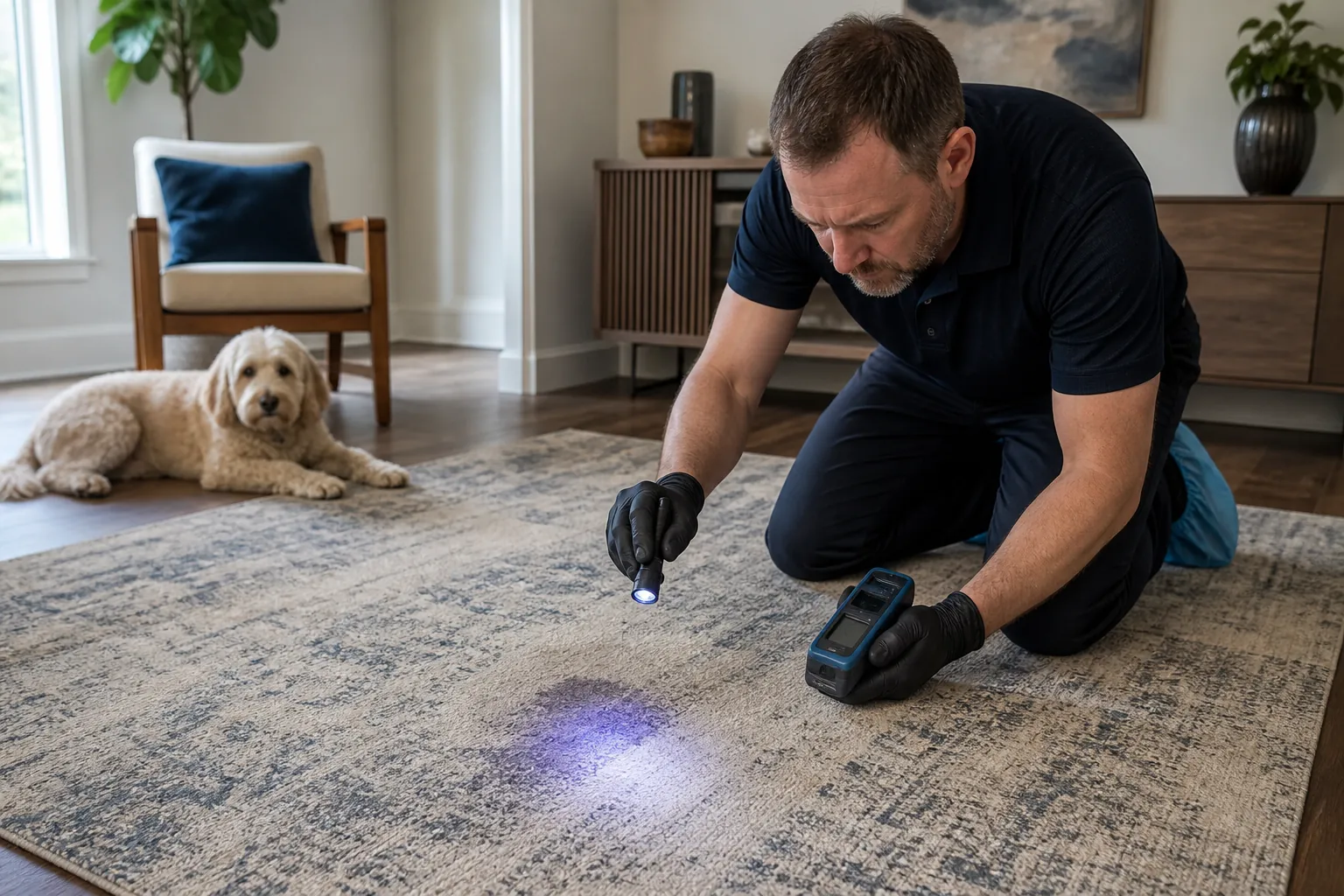
FOOD SPILLS, PAD TRANSFER AND OLD SPOT WORK
A wiped surface can hide residue below the dining field
Describe whether a drink reached the underside, whether a rug pad absorbed it and which cleaner was used at the table. Avoid repeated wetting: the visible ring may widen while the original source remains deeper in the assembly.
- Approximate date and source of the concern
- Area affected on the face and reverse
- Known sprays, detergents, powders or extraction
- No complete-removal assurance before assessment
FROM DINING LAYOUT TO HANDOVER
A seven-part plan built around how the room is used
Furniture logistics come first, followed by textile checks, controlled work and a return plan that does not put chair pressure onto a rug too early.
- 01
Map
Mark table footprint, chair arcs and room exits
- 02
Examine
Compare busy lanes with protected centre pile
- 03
Reduce particles
Address crumbs and grit held within the field
- 04
Address the brief
Treat residues without chasing permanent shading
- 05
Control moisture
Balance moisture with foundation density and airflow
- 06
Inspect
View pile from several directions after finishing
- 07
Handover
Set a realistic table-and-chair return sequence
MAKE A DINING-RUG OBSERVATION MAP
Choose visible facts from each part of the room
The selector helps describe the item. It cannot determine fibre, promise stain removal or replace an on-site check.
PREPARE THE ROOM STORY FOR QUOTATION
Show how furniture use connects to each visible concern
A useful request follows the rug from full-room layout to individual chair lane, then adds dimensions, product history and practical access.
- Wimbledon postcode and contact preference
- Maximum rug length
- Maximum rug width
- Complete room-context photograph
- Close views of compressed pile where dining chairs normally stand
- Label, reverse, fringe and repairs
- Previous product or cleaning history
- Floor below and furniture position
- Parking, entrance, stairs or lift details
Four dining-room questions before scheduling
Can the label settle every question?
It is useful evidence, but the visible construction and current condition still need review.
Is every discoloured patch a stain?
No. Dye change, abrasion and pile distortion can remain after removable matter is gone.
Can drying be promised in advance?
No. Fibre, pile, backing, selected route, temperature and airflow all contribute.
When should furniture go back?
Return heavy items only when the rug-specific handover permits it.
WIMBLEDON MEASUREMENT BANDS
Woven size sets the bracket; room logistics refine the scope
The final quote can reflect yarn and foundation, food or odour work, furniture movement, access and any separately approved specialist step.
WIMBLEDON RUG QUESTIONS
Practical answers without blanket promises
What should lead a Wimbledon quotation request?
Send postcode, measurements, a complete photograph, close views of compressed pile where dining chairs normally stand, access and known product history.
Can a photograph confirm that this is a large wool dining rug?
Images help frame questions but cannot prove fibre content, dye stability or every hidden construction detail.
Will compressed pile where dining chairs normally stand certainly be removed?
No. The appearance may combine soil, residue, dye alteration or physical wear, each with different limits.
Why is a reverse photograph useful?
It can show labels, repairs, foundation, backing failure or evidence that contamination travelled through.
Should I try another product first?
Avoid adding chemistry before review. Retain packaging and report what has already been applied.
How do you consider odour below the pile?
The source, age, area, foundation, backing and contact surface are considered rather than only the face.
Can furniture return immediately after work?
Follow the handover for this item; premature return can restrict drying or transfer marks.
What controls drying in a Wimbledon property?
Fibre absorbency, density, construction, treatment route, temperature, airflow and available space all matter.
Does rug area alone determine the final figure?
No. Area starts the guide band, then material, construction, condition, access and extras qualify the scope.
How is the £68 visit minimum used?
It is the minimum for an eligible visit; compatible combined services may contribute after scope confirmation.
PREPARE YOUR WIMBLEDON RUG ENQUIRY
Show the textile, the priority and the route into the room
Clear measurements and photographs create a sound starting point.
